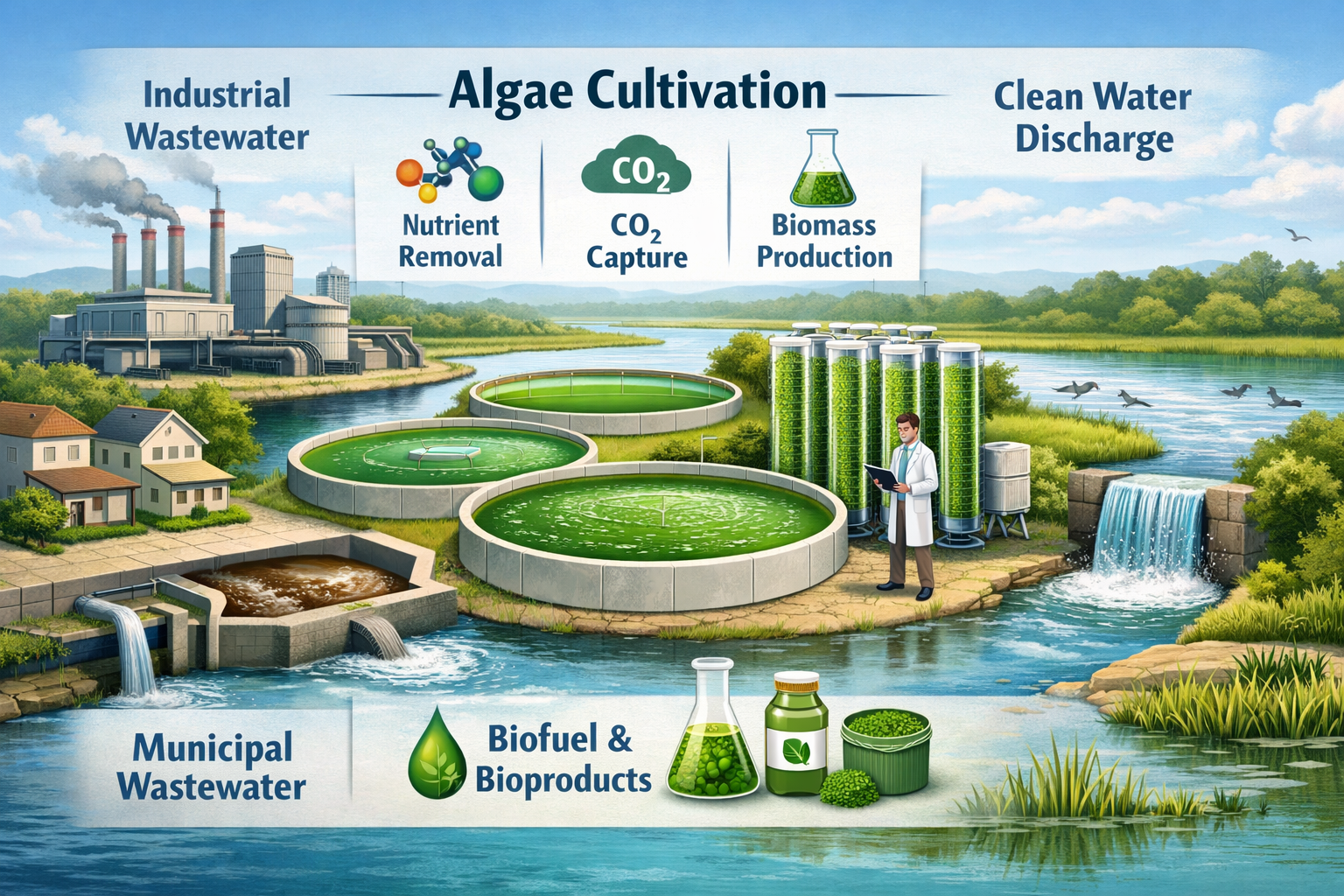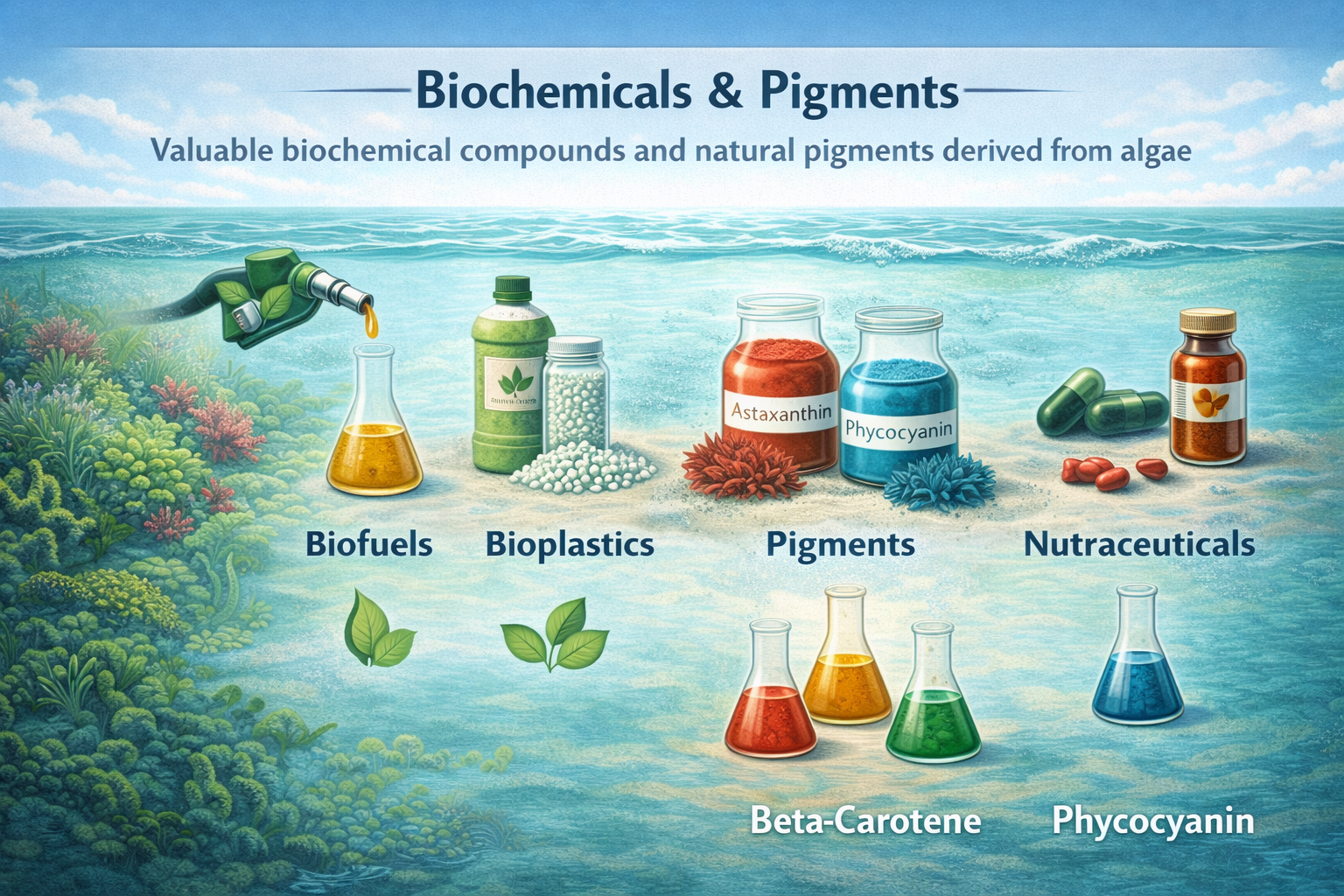
The biggest risk in commercial algae-based wastewater treatment is unit economics. While microalgae can remove nitrogen, phosphorus, BOD, COD, heavy metals, and even some emerging contaminants, reviews consistently note that commercial viability is still constrained by the cost of cultivation, harvesting, and outdoor scale-up. In practice, many projects only make economic sense when wastewater treatment is paired with higher-value biomass uses, because standalone commodity production remains cost-sensitive. That means revenue can be fragile if by-product markets are weak or inconsistent.
A second major risk is feedstock variability. Wastewater composition changes by season, industry, and location, so algae performance is not uniform. Reviews of agricultural and industrial wastewater treatment highlight bottlenecks such as pretreatment needs, dilution tolerance, and outdoor scale-up, while recent outdoor HRAP studies show strong seasonal effects, including biomass productivity that was 48.3% higher in summer than winter. For a business, that means output, nutrient-removal rates, and cash flow can all swing across the year, especially in colder or highly variable climates.
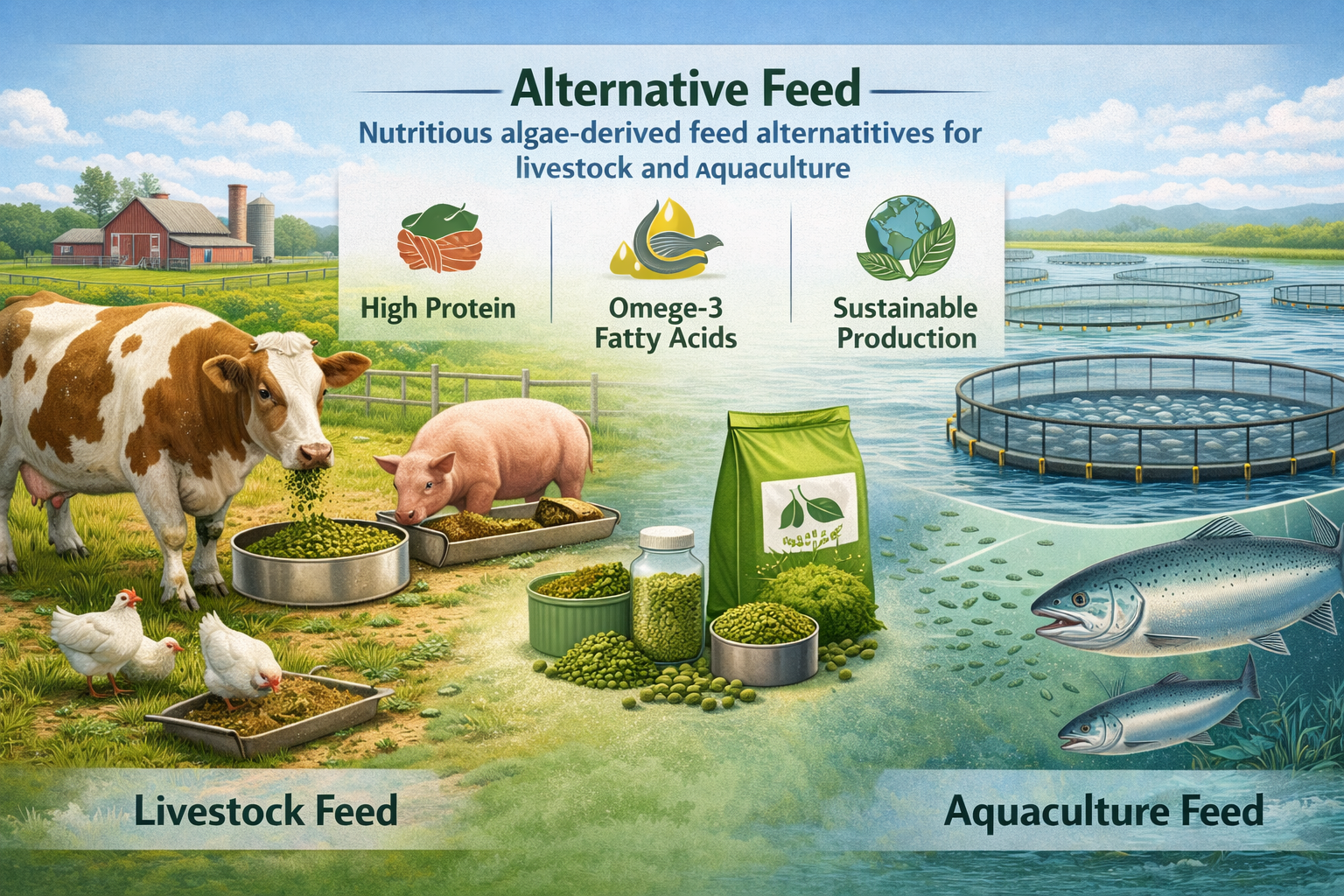
A third risk is biological instability. Wastewater systems are not sterile, and algae cultures face competition from bacteria, grazers, parasites, and unwanted species shifts. Park and colleagues identified species control, grazer and parasite control, and natural bioflocculation as key unresolved issues in wastewater HRAP systems. More recent harvesting reviews also emphasize that wastewater-grown biomass is often a microalgae–bacteria consortium, which makes downstream processing less predictable than clean-culture algae production. That lowers reliability for companies selling biomass into feed, fertilizer, or chemical markets.
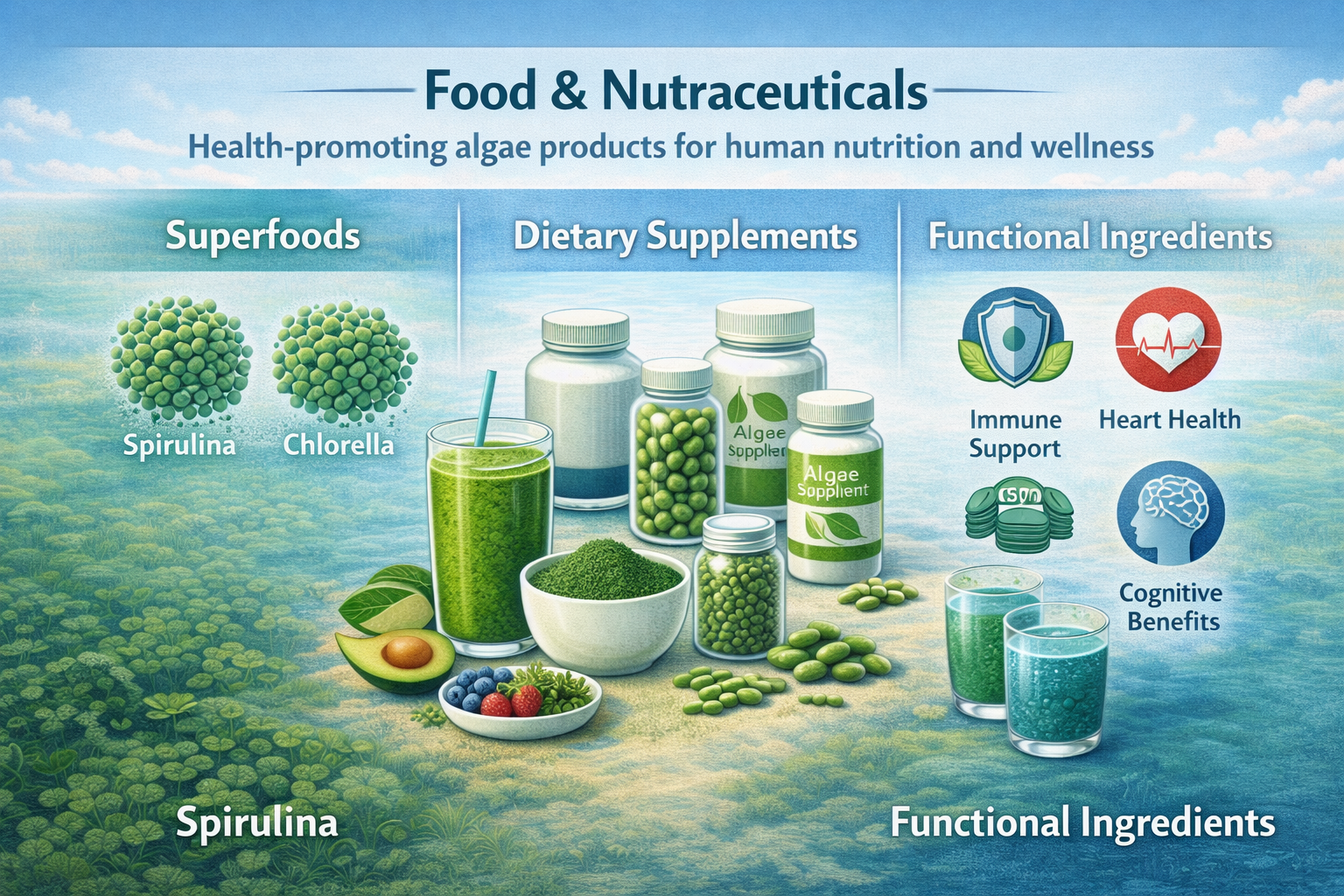
A fourth risk is contamination and product-safety exposure. Wastewater can carry heavy metals, pharmaceuticals, pathogens, and other hazardous residues, and microalgae can accumulate or biosorb some of these substances. That is useful for treatment, but it creates a commercial problem if the harvested biomass is meant for reuse. Food and feed applications require strict microbiological and toxicological control, and the literature explicitly warns that pathogen assessment is necessary. If a company cannot prove safe biomass quality, it may be forced to downcycle the product or treat it as waste, which destroys margin.
Finally, there is energy and permitting risk. Harvesting and dewatering remain among the most expensive steps in algae processing, and high-rate algal pond systems still require careful balancing of CO₂ supply, land use, and operational intensity. Companies also face wastewater discharge standards, biosafety rules, and environmental permitting across different jurisdictions, so a model that works in one country may not transfer cleanly to another. In global markets, the winners will likely be firms that combine treatment contracts with robust biomass valorization, low-energy harvesting, and strong QA/QC rather than relying on wastewater treatment alone.
Checkout the questions from Wastewater treatment
- What infrastructure and climatic conditions are ideal for setting up large-scale High-Rate Algal Pond facilities?
- How can carbon credits and sustainability incentives improve the profitability of HRAP wastewater treatment projects?
- Can small municipalities and rural communities build decentralized wastewater treatment businesses using HRAP systems?
- Which countries and regions have the highest commercial demand for algae-based wastewater treatment technologies?
- Which industries are most likely to adopt algae-based wastewater treatment in the future?
- What are the major business opportunities in the High-Rate Algal Pond (HRAP) wastewater treatment industry?
- Can HRAP systems support circular economy and zero-waste industrial models?
- Can algae harvested from wastewater ponds create additional revenue streams?
- Can treated wastewater from HRAP systems be commercially reused or sold?
- What are the biggest operational challenges in managing large-scale HRAP systems?
- How can HRAP wastewater treatment companies generate recurring revenue?
- Which business models are most effective for commercial HRAP wastewater treatment companies?
- What factors determine the profitability and commercial success of an HRAP project?
- Is HRAP more cost-effective than activated sludge treatment systems?
- Can HRAP systems become a profitable alternative to conventional wastewater treatment plants?
- What are the operational and maintenance costs of running an HRAP facility?
- How much land is required to build a profitable HRAP wastewater treatment facility?
- What technologies can improve algae growth and wastewater purification efficiency in HRAP systems?
- Which industries generate the most suitable wastewater for algae-based treatment systems?
- Algae-Based Wastewater Treatment – High-Rate Algal Ponds (HRAP)