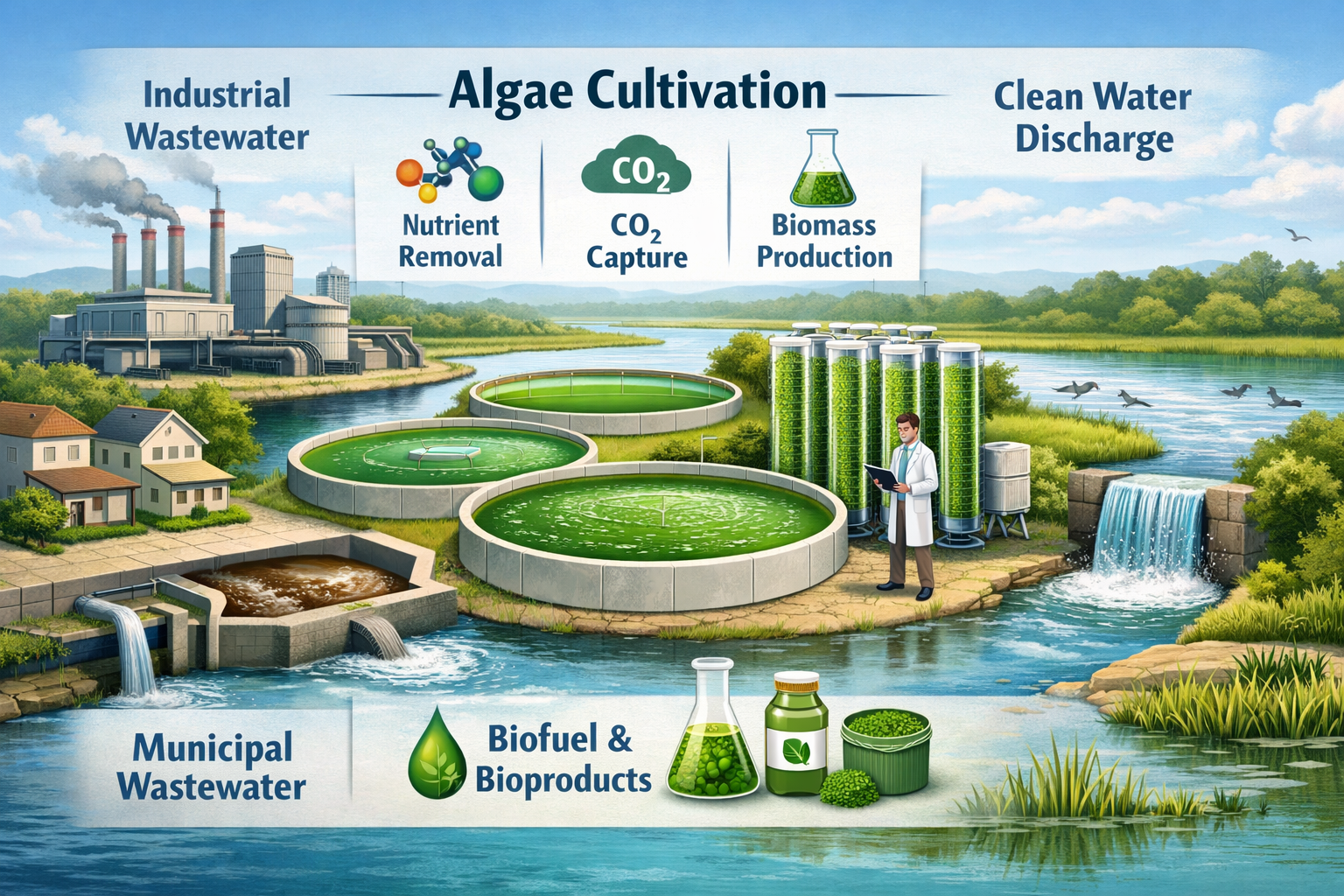
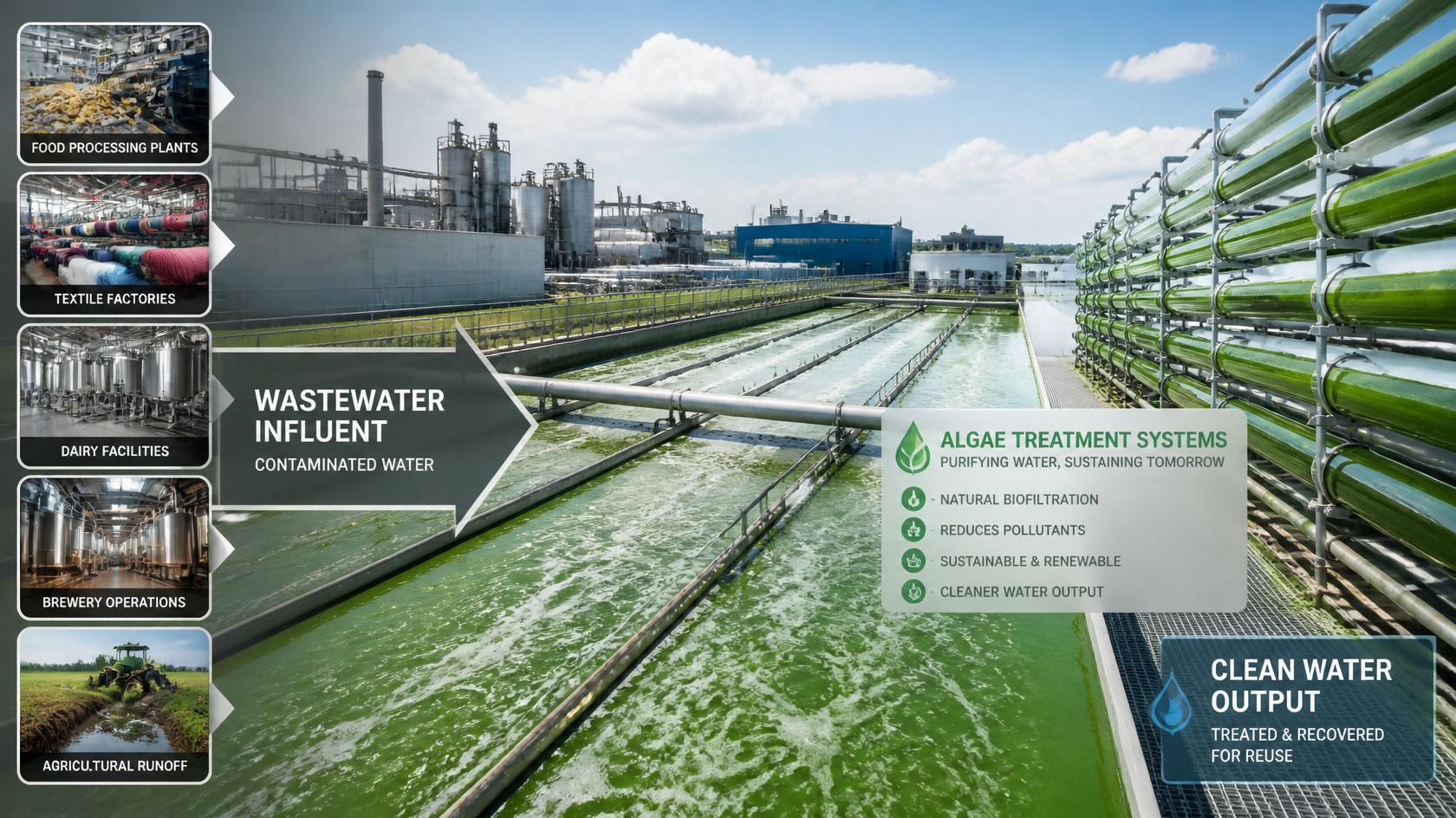
High-rate algal ponds (HRAPs) work best when technologies improve light use, mixing, and nutrient access, because algae growth and wastewater purification are tightly linked. In practice, HRAPs are shallow, paddlewheel-mixed raceway systems, so hydrodynamic design is one of the first upgrade points: better mixing reduces settling, keeps nutrients distributed, and increases the cells’ exposure to light. Studies also show that light-history management matters in raceway ponds, and flow-deflector baffles can increase the light time experienced by microalgae cells.
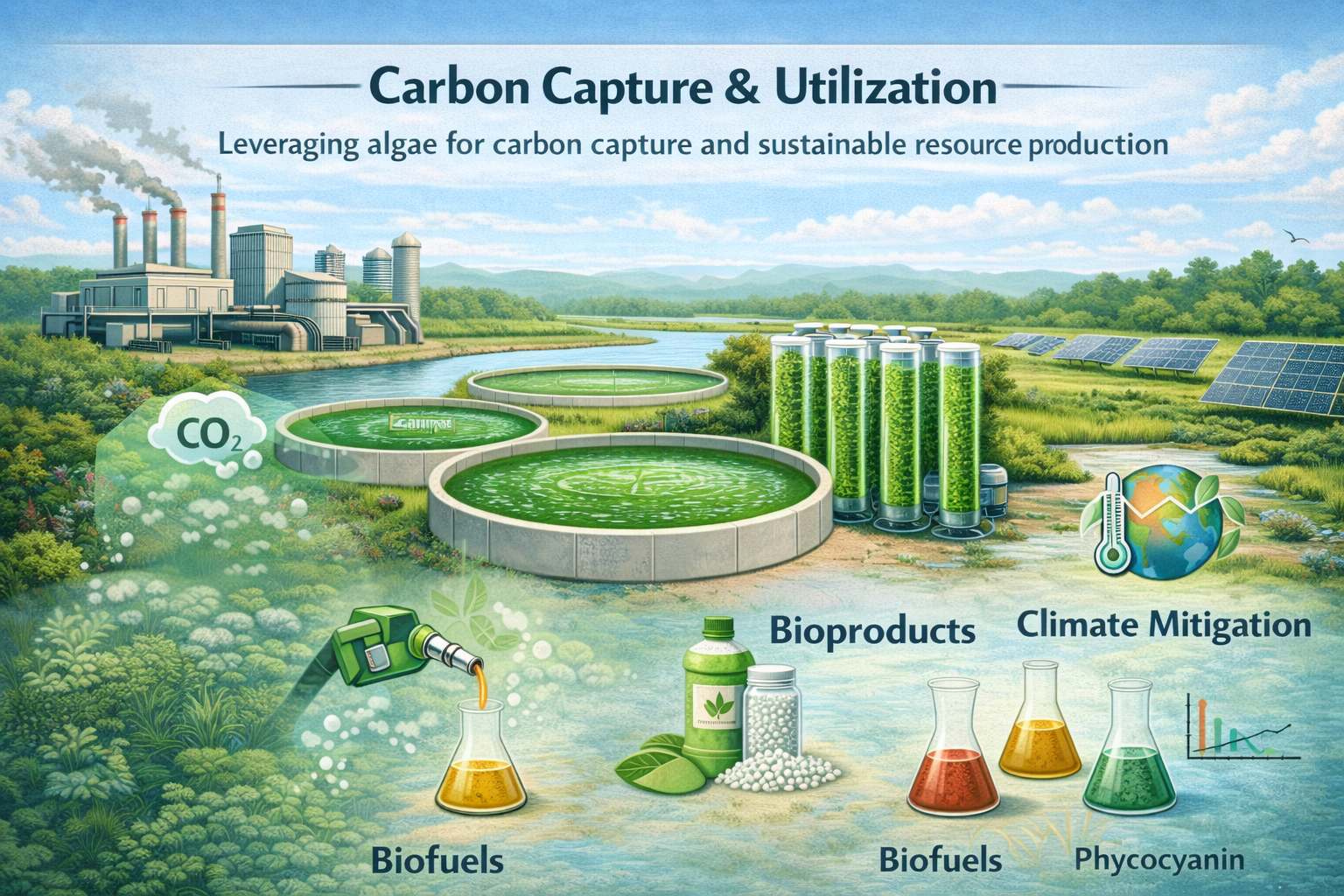
Carbon management is another major technology lever. Adding CO2 can relieve carbon limitation, improve biomass assimilation, and support higher pond depths without losing performance. In one wastewater HRP study, CO2 addition allowed adoption of deeper ponds, and the 20 cm ponds reached chlorophyll-a concentrations up to 5.8 mg/L with CO2 versus 4.3 mg/L without it. The same study reported that CO2 improved nutrient recovery by biomass assimilation and helped make HRAP design more area-efficient.
Upstream wastewater conditioning also improves results. UV pre-disinfection reduces microbial competition for space and nutrients, which can favor algal growth in the pond. In the same HRP study, 40 cm ponds with UV pre-disinfection behaved similarly to 30 cm ponds for chlorophyll-a production, showing that pretreatment can help compensate for deeper ponds. The study also found about 40% organic matter removal across pond designs, while shallower ponds removed more ammonia nitrogen and soluble phosphorus.
A second big improvement comes from hybrid and attached-growth technologies. Recent reviews identify two-stage cultivation, biomass recirculation, and hybrid systems that combine HRAPs with biofilm reactors as important advances for boosting productivity and simplifying harvesting. These systems can raise algal density and make downstream separation easier. One integrated HRAP–immobilized algal biomat reactor achieved a 90% COD reduction, 60% total nitrogen reduction, 56% total phosphorus reduction, below-detectable BOD, and 38.636 g/m²/day dry biomass, showing the value of immobilized or attached growth.
For global deployment, the most effective HRAPs are those that combine several controls: optimized depth, controlled mixing, CO2 dosing, pretreatment, and hybrid harvesting. This matters because microalgae-based treatment can remove N, P, and COD while using only a fraction of the energy of conventional biological systems, which is attractive for municipal, industrial, and nutrient-rich wastewaters worldwide. The technologies most likely to scale are therefore the ones that improve both biomass productivity and treatment efficiency at low operating cost.