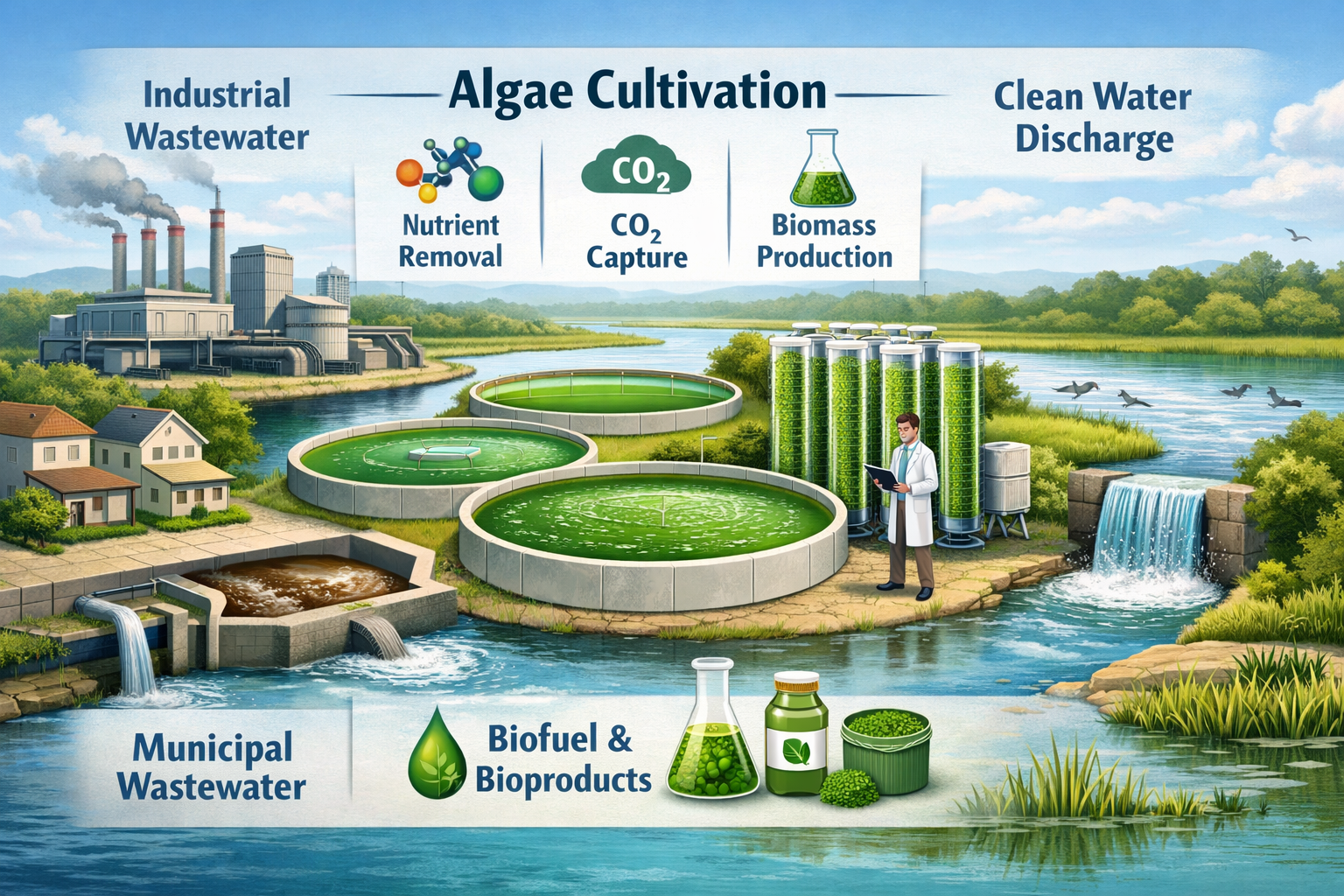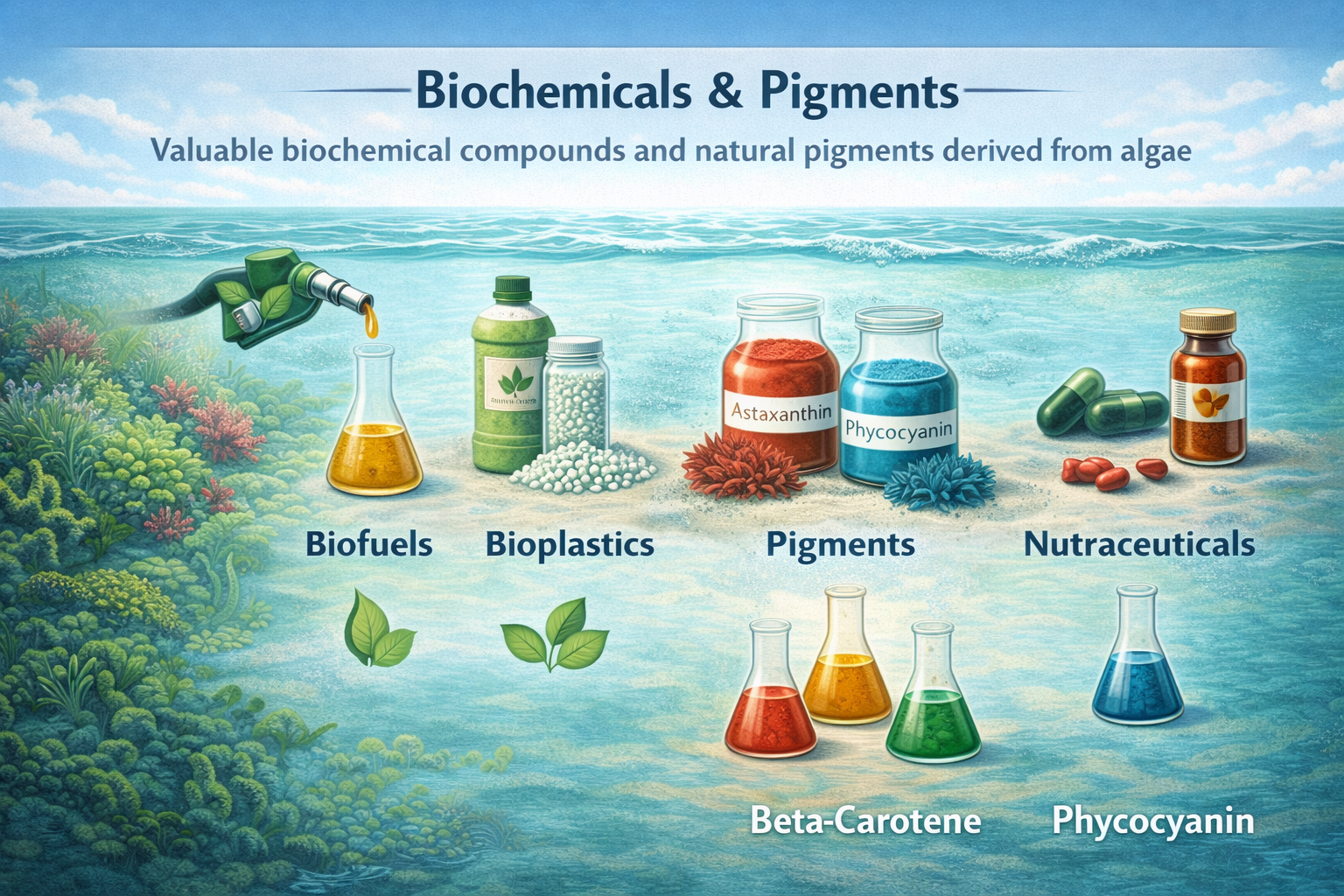
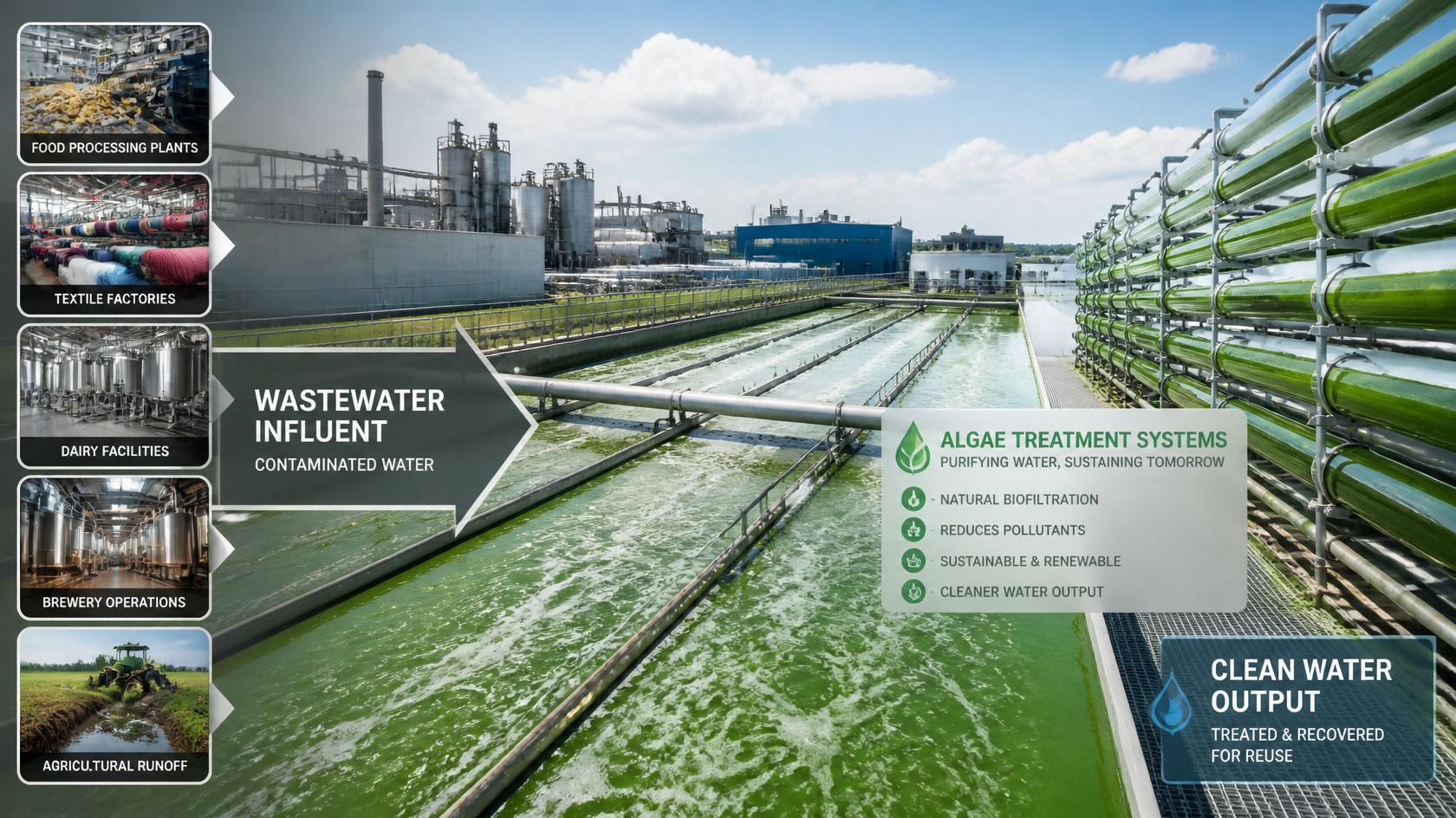
The most effective business models for commercial High-Rate Algal Pond (HRAP) wastewater treatment companies are those that combine wastewater treatment revenue with resource recovery and biomass monetization. HRAP systems are attractive because they are designed not only to clean wastewater, but also to produce valuable algal biomass that can be converted into biofertilizers, biogas, pigments, bioplastics, and other products. Modern HRAP systems are already being promoted globally as low-cost treatment technologies for municipal, industrial, dairy, piggery, and agricultural wastewater streams.
The strongest commercial model is the Build-Own-Operate (BOO) or wastewater-as-a-service model, where the HRAP company finances, installs, and operates the treatment system while charging municipalities or industries recurring treatment fees. This model works well because HRAPs generally have lower energy and operational costs than conventional activated-sludge systems. Industry sources report that HRAP systems can cost about 40% less to construct than conventional lagoon systems and can reduce wastewater treatment time dramatically, often operating with hydraulic retention times of only a few days. These economics make long-term service contracts attractive for food-processing plants, aquaculture farms, rural communities, and industrial parks.
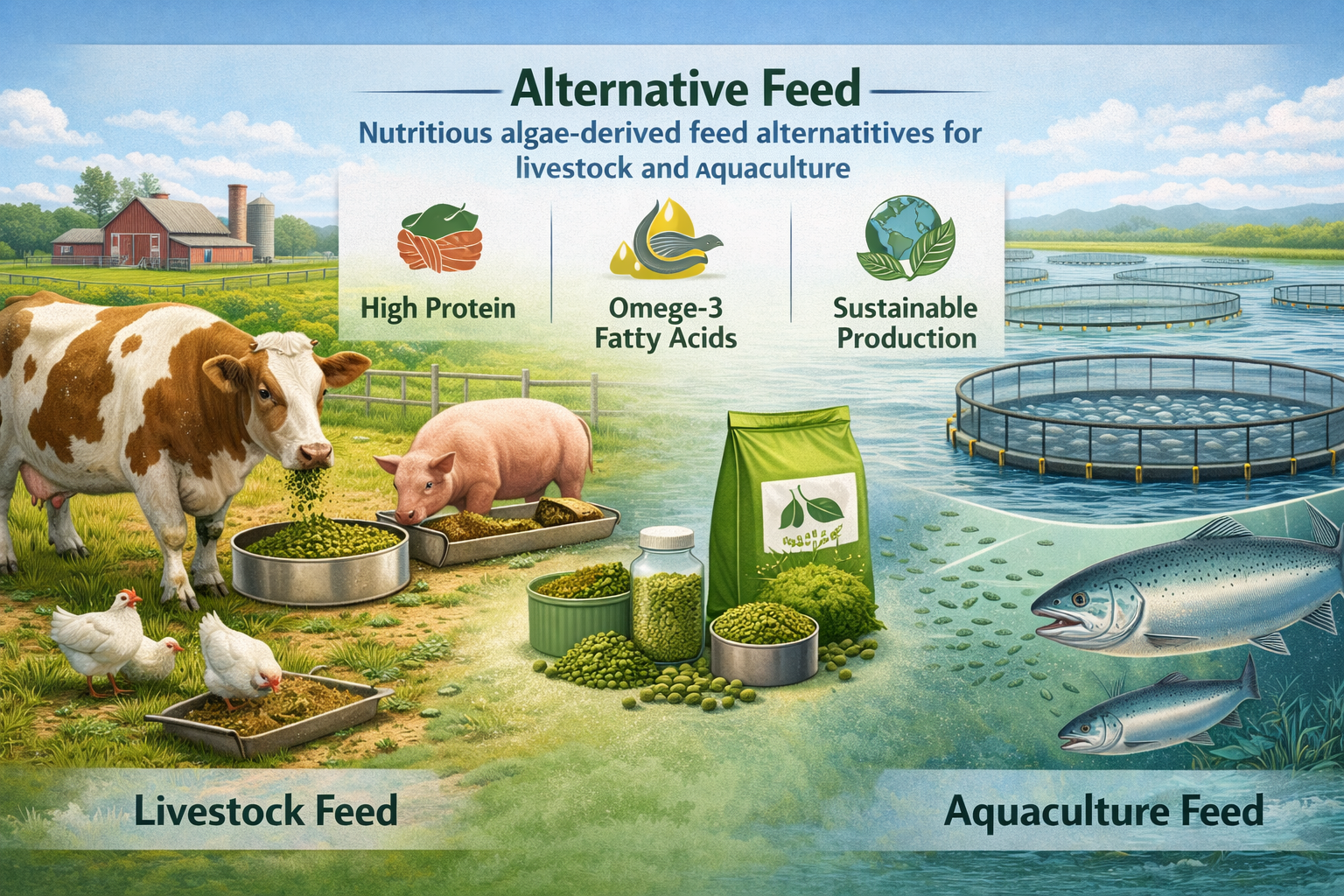
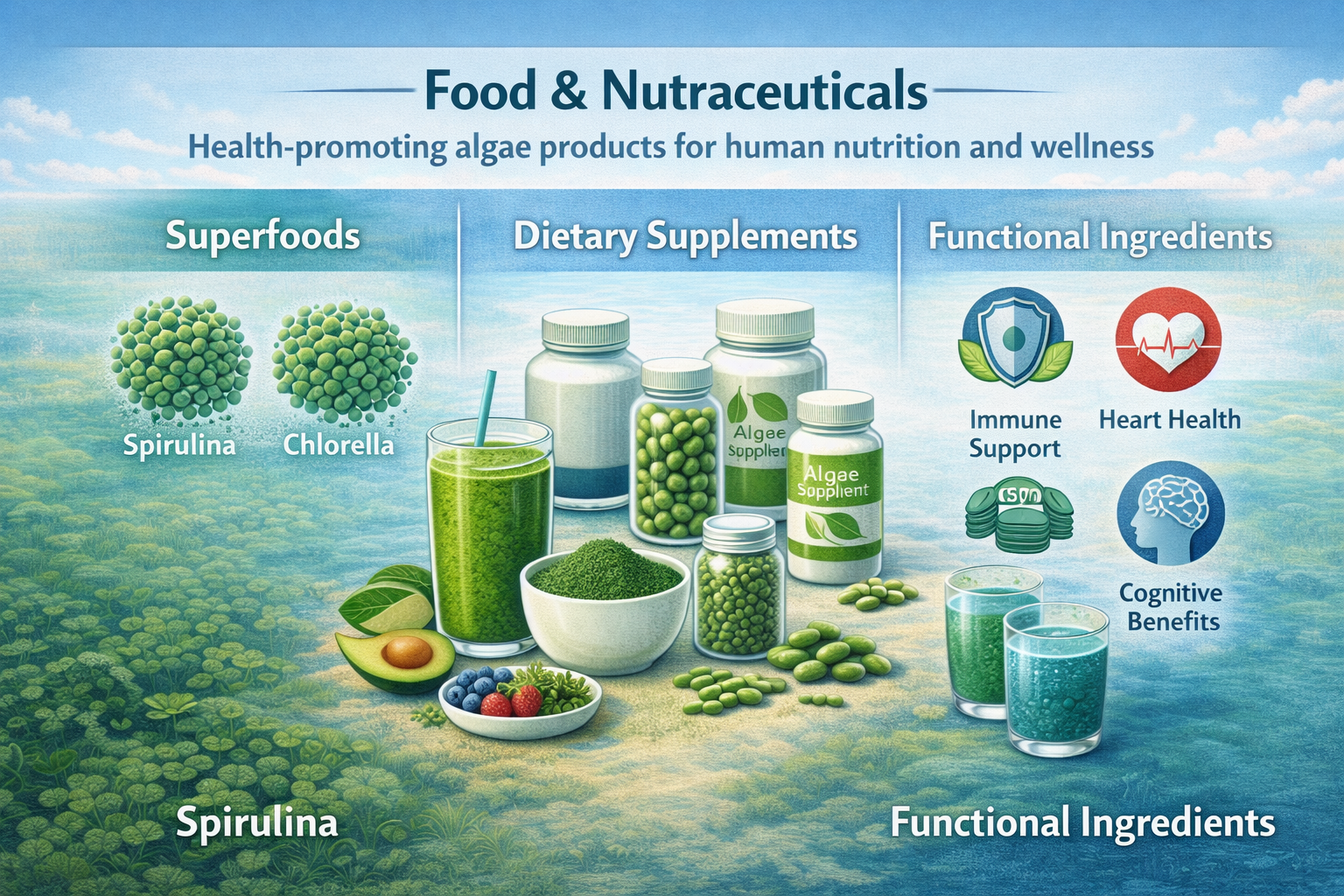
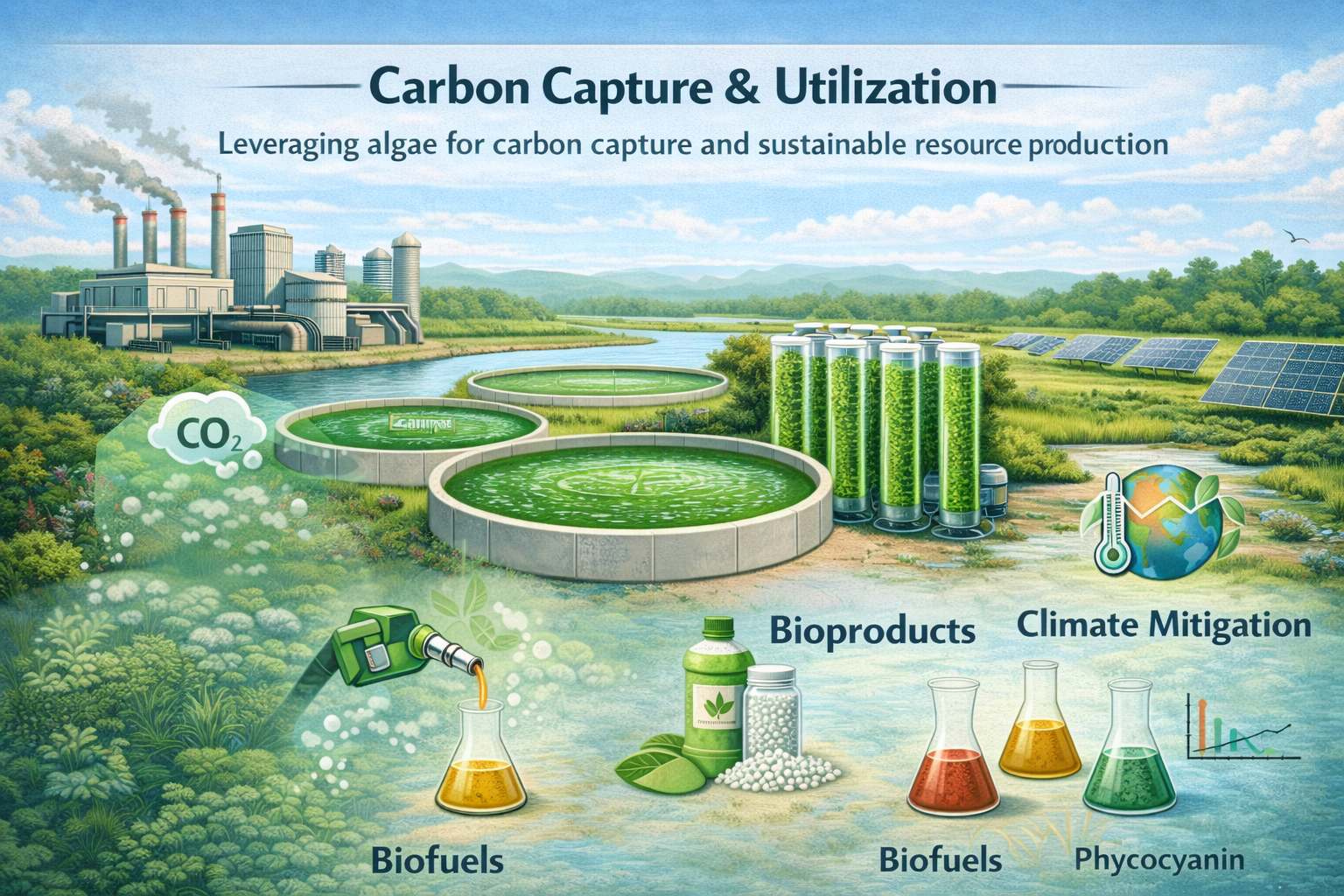
A second highly effective model is the resource recovery and biomass sales model. HRAPs generate large quantities of algal biomass during nutrient removal, and this biomass can create additional revenue streams through fertilizers, soil conditioners, animal feed ingredients, bioenergy, and specialty biochemicals. Research on HRAP commercialization consistently emphasizes that economic viability improves when biomass valorization is integrated into the business structure. Some life-cycle and techno-economic studies indicate that HRAP systems become more financially attractive when biomass is converted into biofertilizers or biogas rather than being treated as waste.
Another scalable strategy is the public-private partnership (PPP) model, especially for municipal wastewater infrastructure. In many regions, governments seek low-energy and climate-friendly wastewater systems but lack technical expertise in algae cultivation and biomass processing. HRAP operators can partner with municipalities by designing, operating, and optimizing decentralized wastewater facilities while governments provide land, regulatory approvals, or long-term procurement guarantees. This model is particularly suitable for developing economies, small towns, and water-scarce regions where conventional wastewater infrastructure is expensive to expand.
The future commercial leaders in HRAP wastewater treatment are likely to be companies using integrated circular-economy platforms rather than single-service treatment businesses. The most competitive firms will combine wastewater treatment, carbon capture, nutrient recovery, biomass production, renewable energy generation, and water reuse into one system. Global market trends increasingly favor low-carbon and resource-recovery technologies, and HRAP systems align strongly with these priorities because they operate with relatively low energy demand while generating reusable products from waste streams. As climate regulations, water scarcity, and nutrient recovery markets expand worldwide, integrated HRAP business ecosystems are expected to become the dominant commercial model.