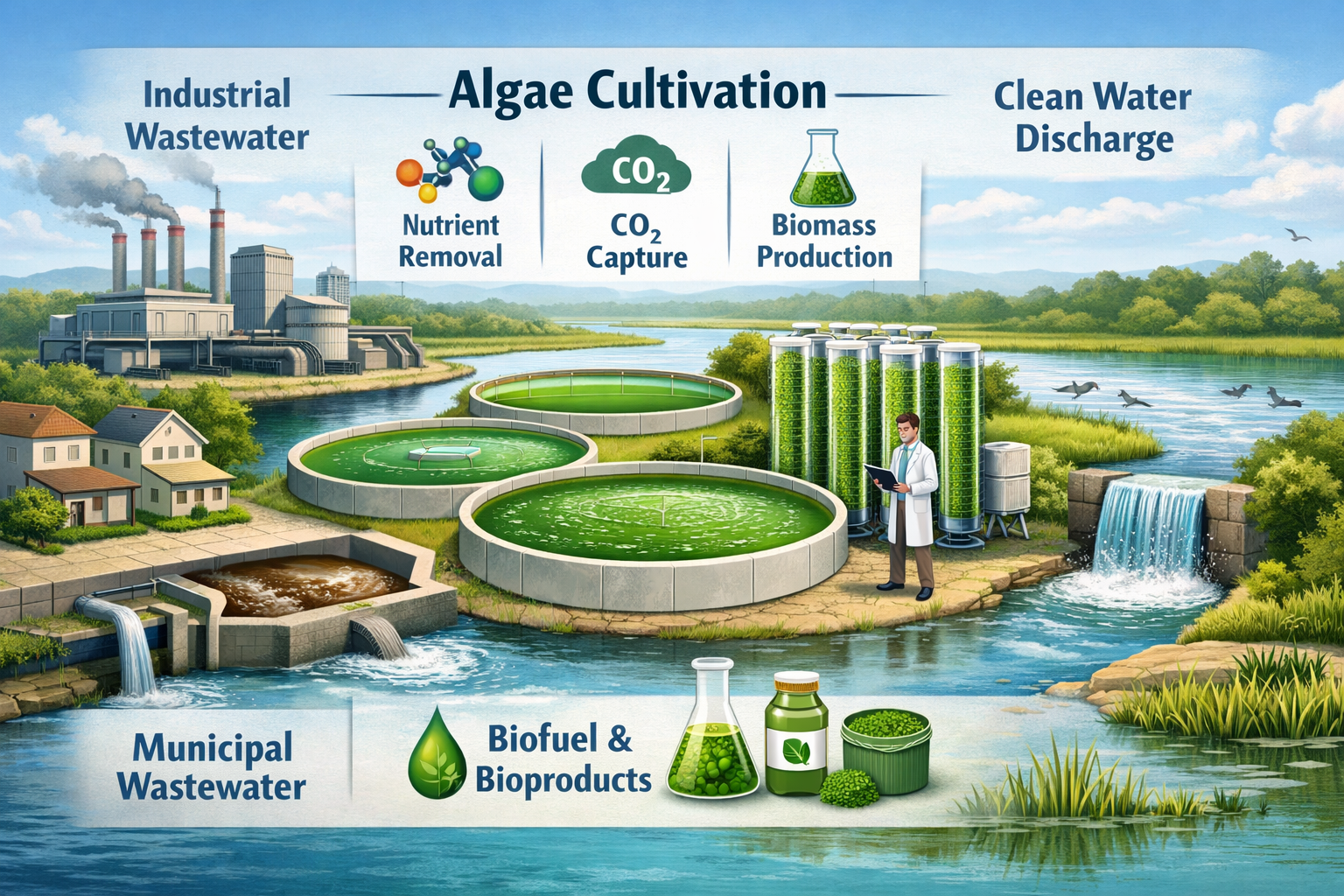
The biggest business opportunity in the HRAP wastewater treatment industry is the scale of the global wastewater problem itself. UN-Water says 44% of household wastewater is not properly treated, only 38% of industrial wastewater is safely treated, and the world has about 320 billion m³/year of untapped wastewater-reuse potential. That creates a large addressable market for systems that can treat effluent at lower cost while also producing reusable water and biomass. HRAPs fit this demand because they are described as cost-effective and capable of delivering both treatment and microalgal biomass production.
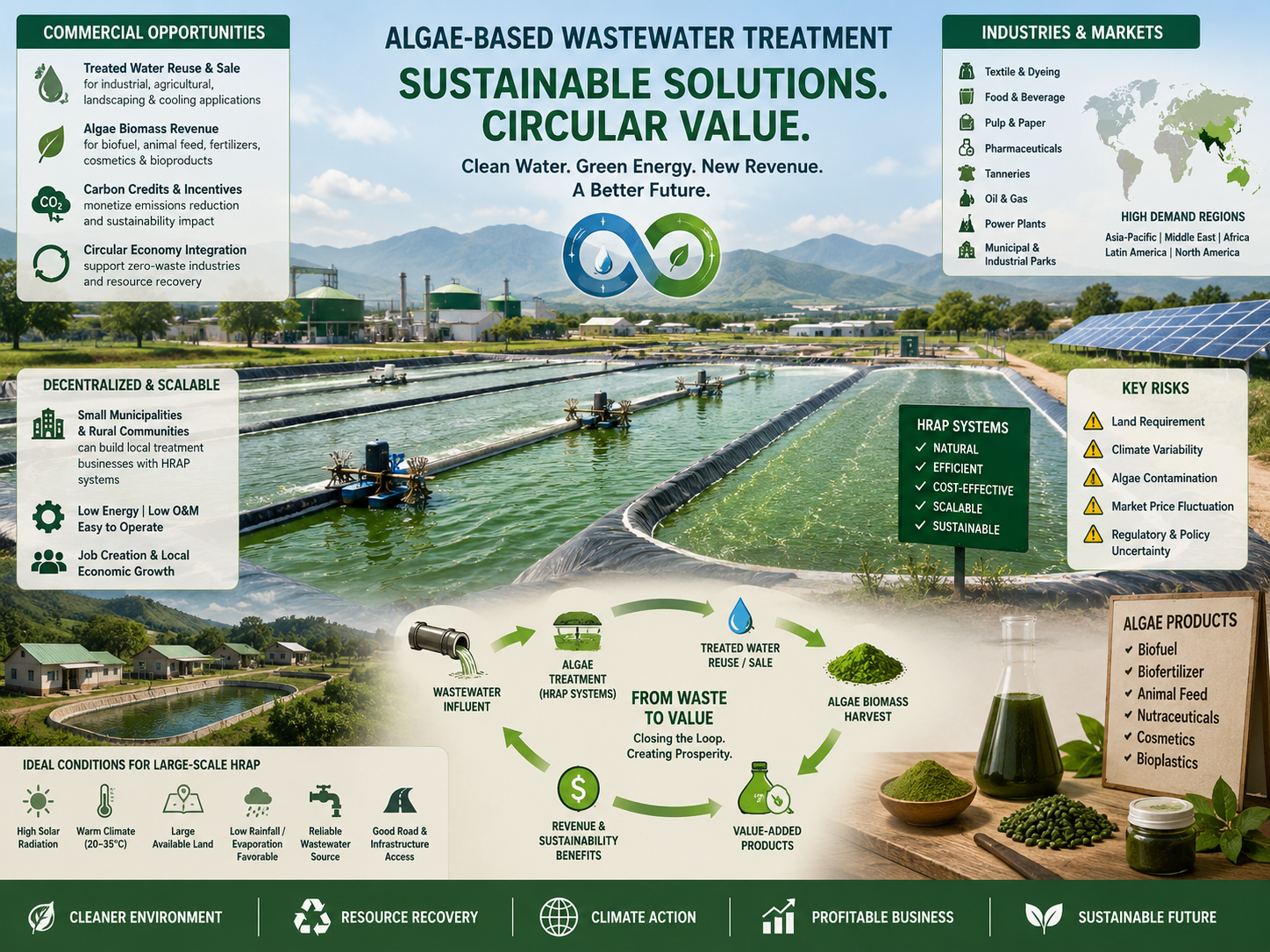
A major opportunity is in decentralized sanitation, especially for small communities, rural areas, and warm climates where conventional activated sludge plants can be expensive to build and operate. A 2024 review notes that HRAPs have a high potential as decentralized and rural treatment units, and another economic assessment found that HRAPs can improve sustainability and cost-effectiveness, particularly in small communities under 10,000 people and in warm regions. That opens a strong market for municipal contracts, community-scale plants, and cluster systems for peri-urban settlements.
A second opportunity is industrial and agricultural wastewater treatment, especially for streams such as dairy, piggery, digestate, and selected industrial effluents. HRAPs are explicitly described as suitable for urban and industrial wastewater, digester effluent, piggery, and dairy farm wastewater. This is commercially important because industrial users are under pressure to meet discharge limits while reducing treatment costs. HRAP providers can sell design-build-operate packages to food processors, farms, and industrial parks that need nutrient removal and lower-carbon treatment options.
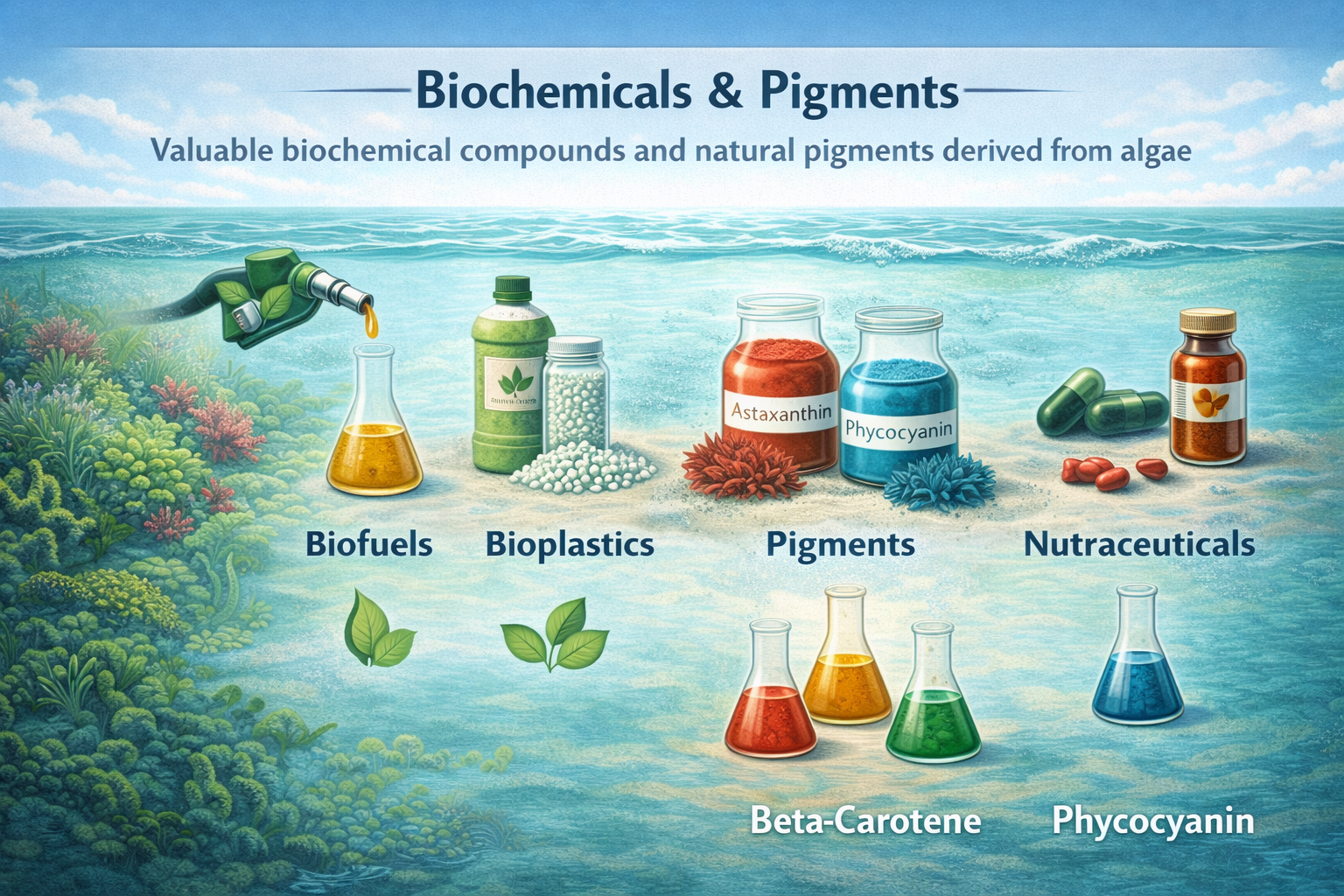
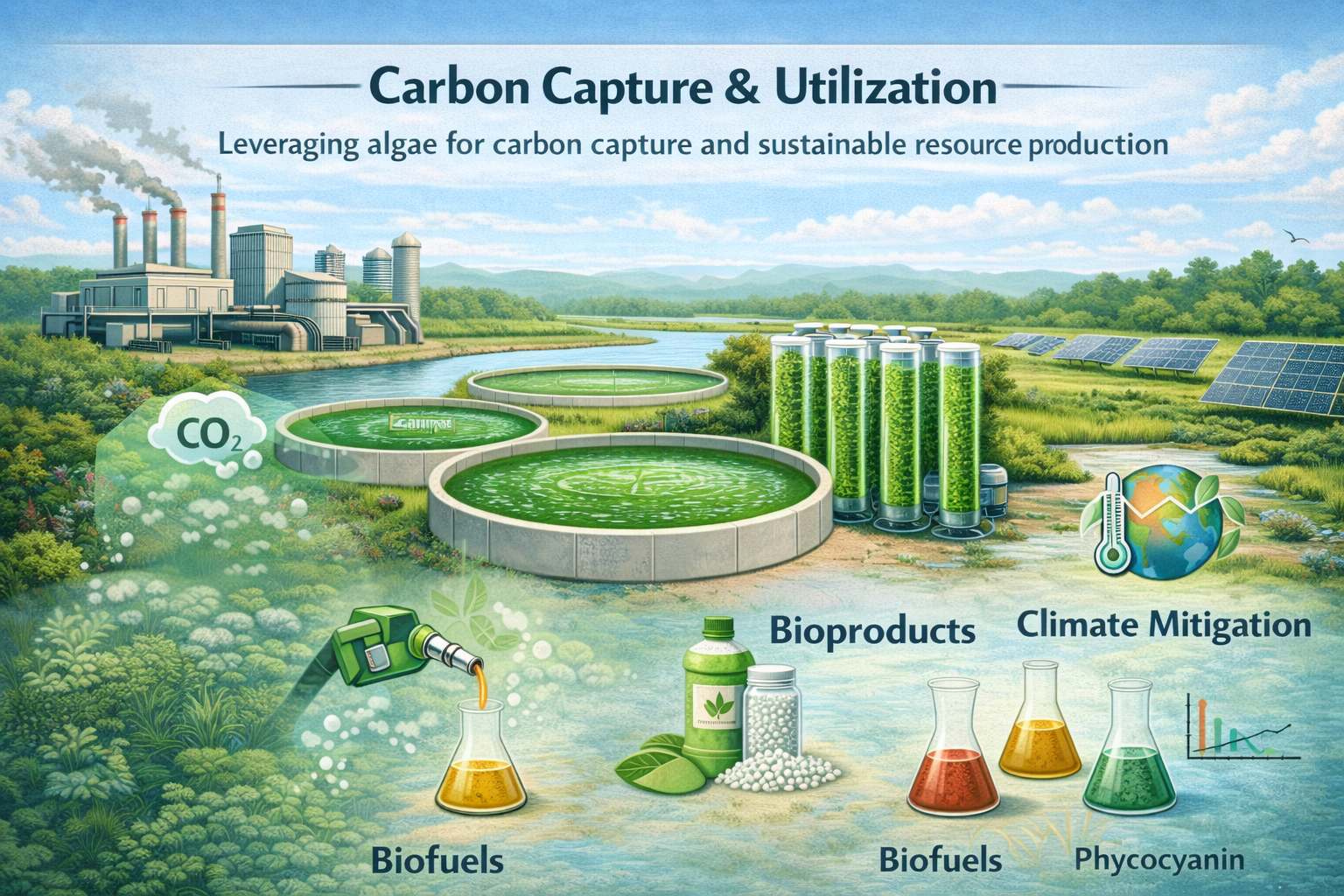
A third business line is resource recovery from algal biomass. HRAPs do not just clean water; they also generate biomass that can be converted into biofertilizers, biostimulants, biogas, pigments, and bioplastics. The life-cycle assessment literature shows that HRAP systems paired with biogas production can outperform biofertilizer-focused scenarios in several climate-impact categories, while biofertilizer pathways can be more economically feasible in some settings. This means HRAP companies can build revenue not only from treatment fees but also from sale of recovered products, turning wastewater into a feedstock for a broader bioeconomy.
Finally, the strongest long-term opportunity is integrated water reuse and circular-economy services. FAO notes that treated wastewater can supply raw materials such as phosphorus and nitrates, and that 22% of global phosphorus demand could be met through reuse of treated wastewater. That makes HRAPs attractive to buyers looking for reclaimed water for irrigation or industrial use, plus nutrient recovery and compliance services. In practice, the winning business model is likely to combine treatment contracts, reuse-water sales, biomass monetization, and O&M services into one recurring-revenue platform.