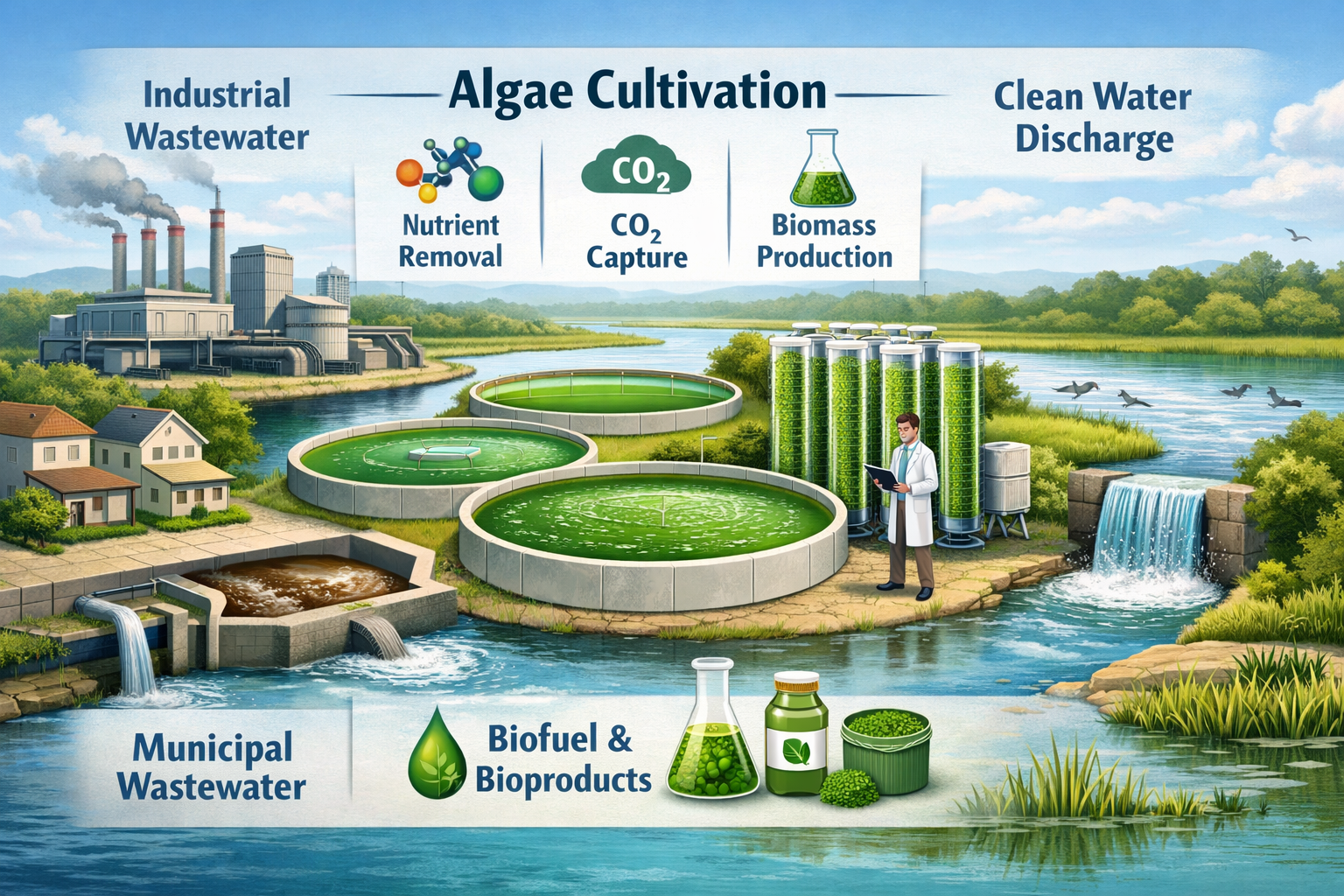
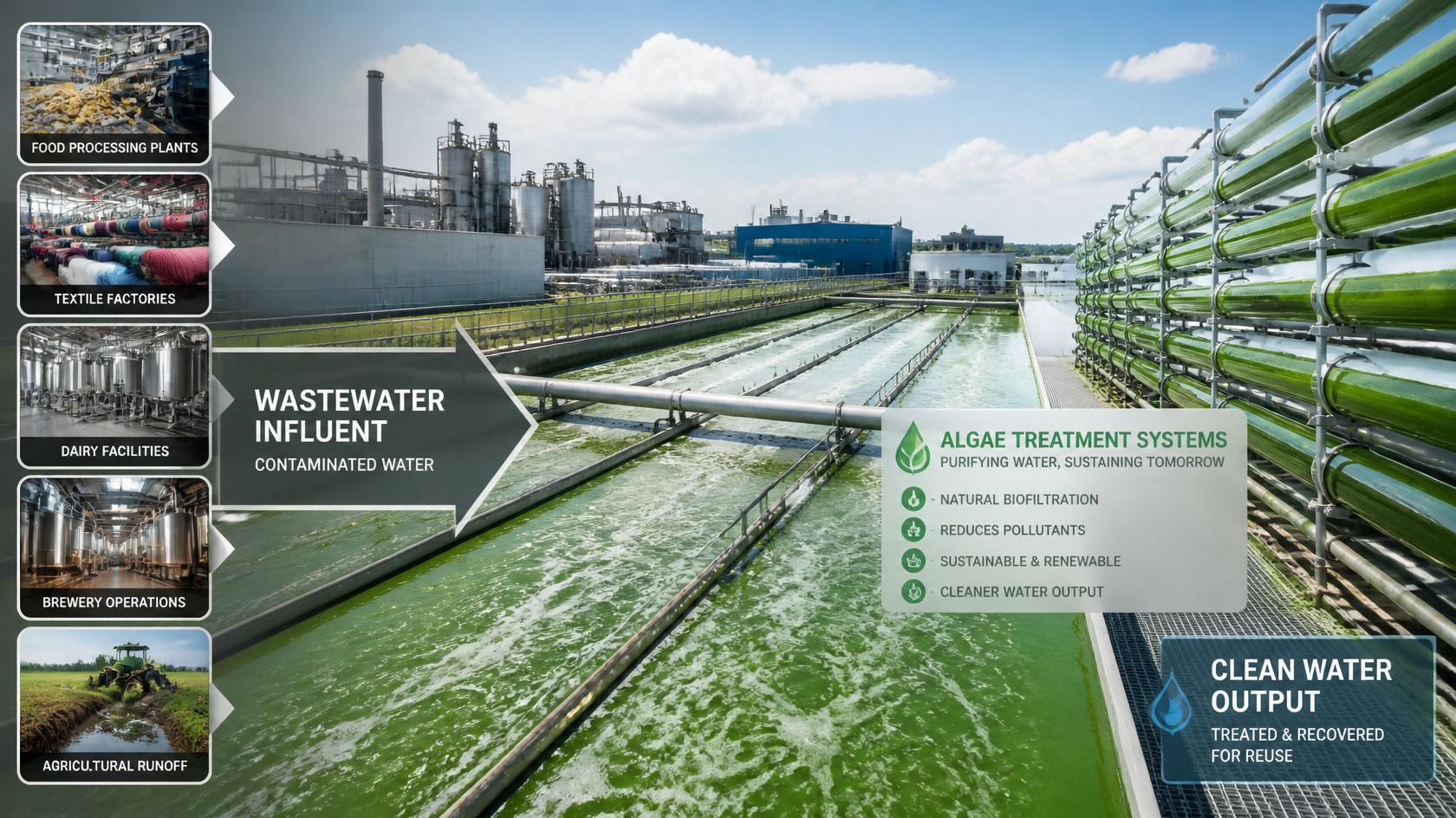
High-rate algal ponds (HRAPs) are considered one of the most promising low-energy systems for wastewater treatment, nutrient recovery, and algal biomass production. However, operating HRAPs at large scale presents several technical and operational challenges. HRAPs depend heavily on environmental conditions such as sunlight, temperature, rainfall, and seasonal variations, making process stability difficult across different climates. Studies show that fluctuations in solar radiation and temperature directly affect algal growth, oxygen production, and nutrient removal efficiency, especially in large outdoor installations.
One of the biggest operational challenges is maintaining stable algal productivity and water quality. Large-scale HRAPs require continuous monitoring of pH, dissolved oxygen, temperature, turbidity, and hydraulic flow conditions. Poor mixing or uneven circulation can create dead zones, reduce photosynthetic efficiency, and encourage unwanted microbial growth. Most HRAP systems rely on paddlewheels for circulation, but maintaining uniform hydrodynamics across hectare-scale ponds remains difficult. Research also highlights that improper flow patterns can reduce treatment efficiency and biomass yield significantly.
Biomass harvesting is another major bottleneck in large-scale HRAP management. Microalgae cells are extremely small, have low settling rates, and possess surface charges that make separation from water energy-intensive and expensive. Studies identify harvesting as one of the highest operational cost components in HRAP systems. Technologies such as sedimentation, autoflocculation, dissolved air flotation, and membrane separation are being tested globally, but none have yet become universally cost-effective for very large installations. Efficient harvesting becomes even more critical when HRAPs are integrated with biofuel or bioproduct production systems.
Contamination control and ecosystem management also create serious operational difficulties. Because HRAPs are open systems, they are vulnerable to invasive algae species, bacterial contamination, protozoa, viruses, and seasonal algal crashes. Rainfall dilution, evaporation, and nutrient imbalances can rapidly alter pond chemistry and destabilize the algal-bacterial consortium. In wastewater-based HRAPs, maintaining pathogen removal standards and regulatory compliance is another challenge. Research from Australia and Europe shows that the lack of standardized operational guidelines and regulatory frameworks still slows wider commercial deployment of HRAP systems globally.
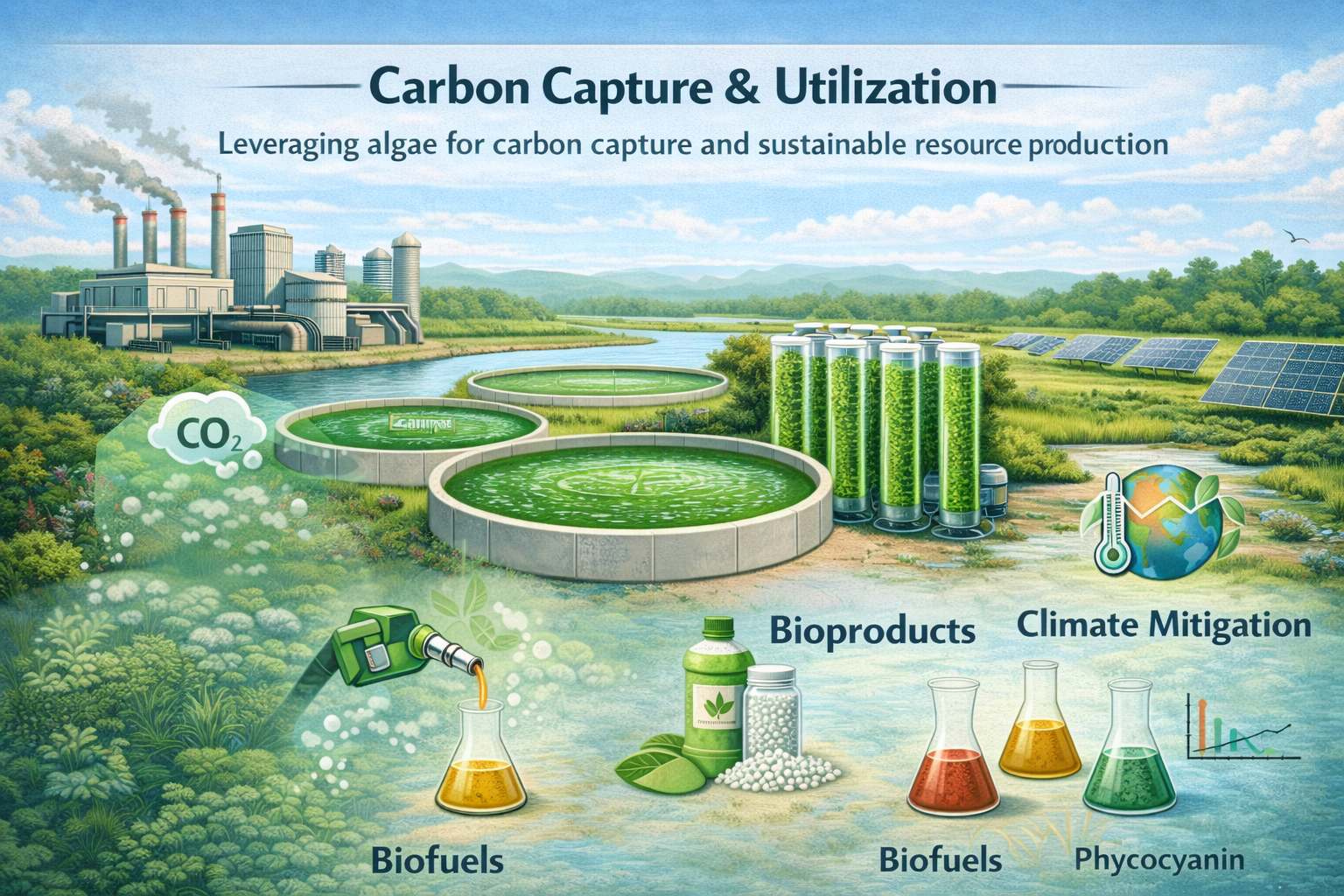
Finally, scalability and economic sustainability remain the largest long-term concerns. Although HRAPs consume far less energy than activated sludge systems—around 0.02 kWh/m³ compared with 0.20–0.40 kWh/m³ for conventional systems—their land requirements are much larger. Large facilities require extensive land, continuous maintenance, trained personnel, monitoring infrastructure, and reliable downstream biomass utilization pathways. Studies also show that economically viable biomass productivity is difficult to achieve without supplemental CO2 addition or integration with industrial emissions. As a result, the success of large-scale HRAP systems depends on balancing operational efficiency, harvesting costs, climate conditions, and market value of the produced biomass.