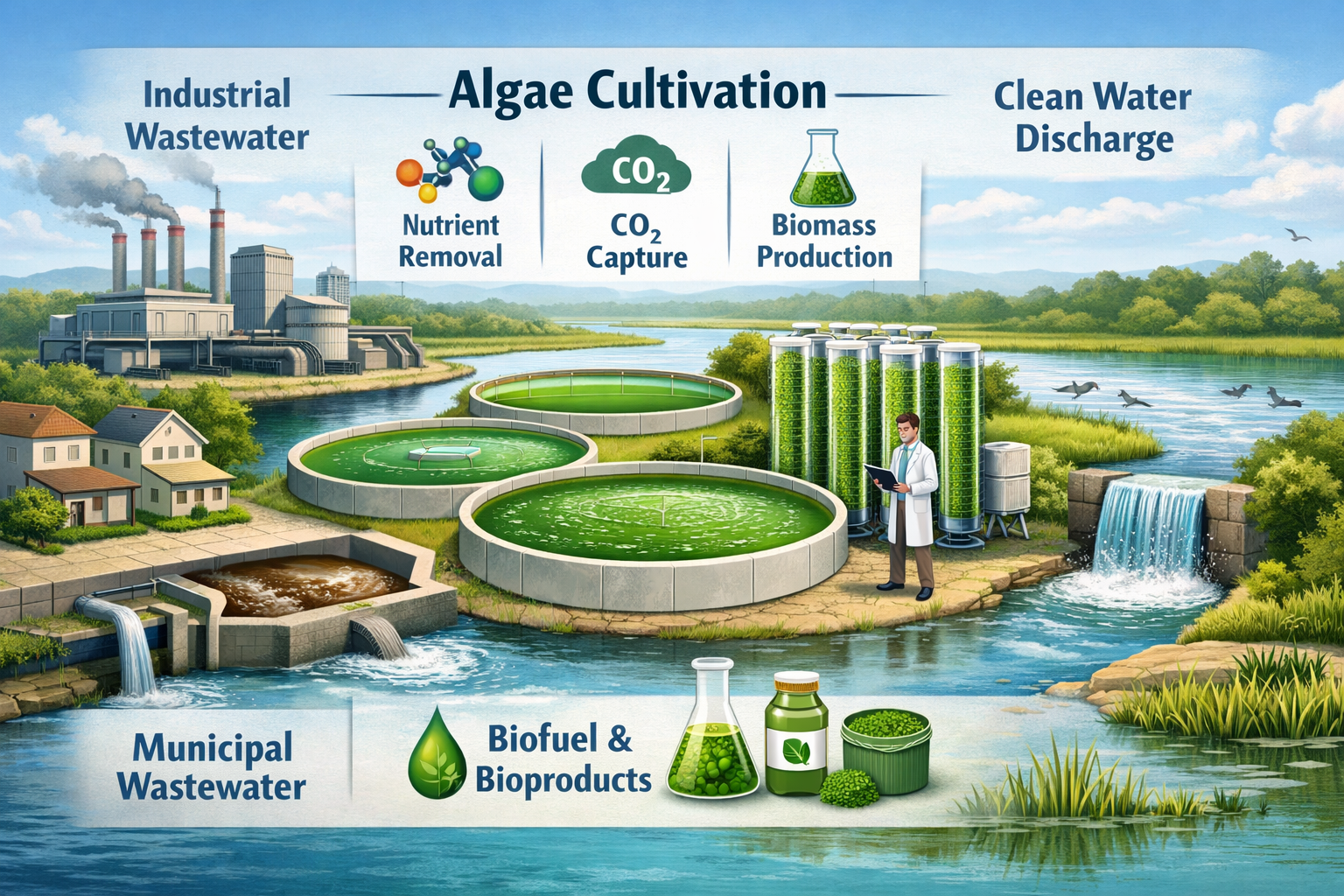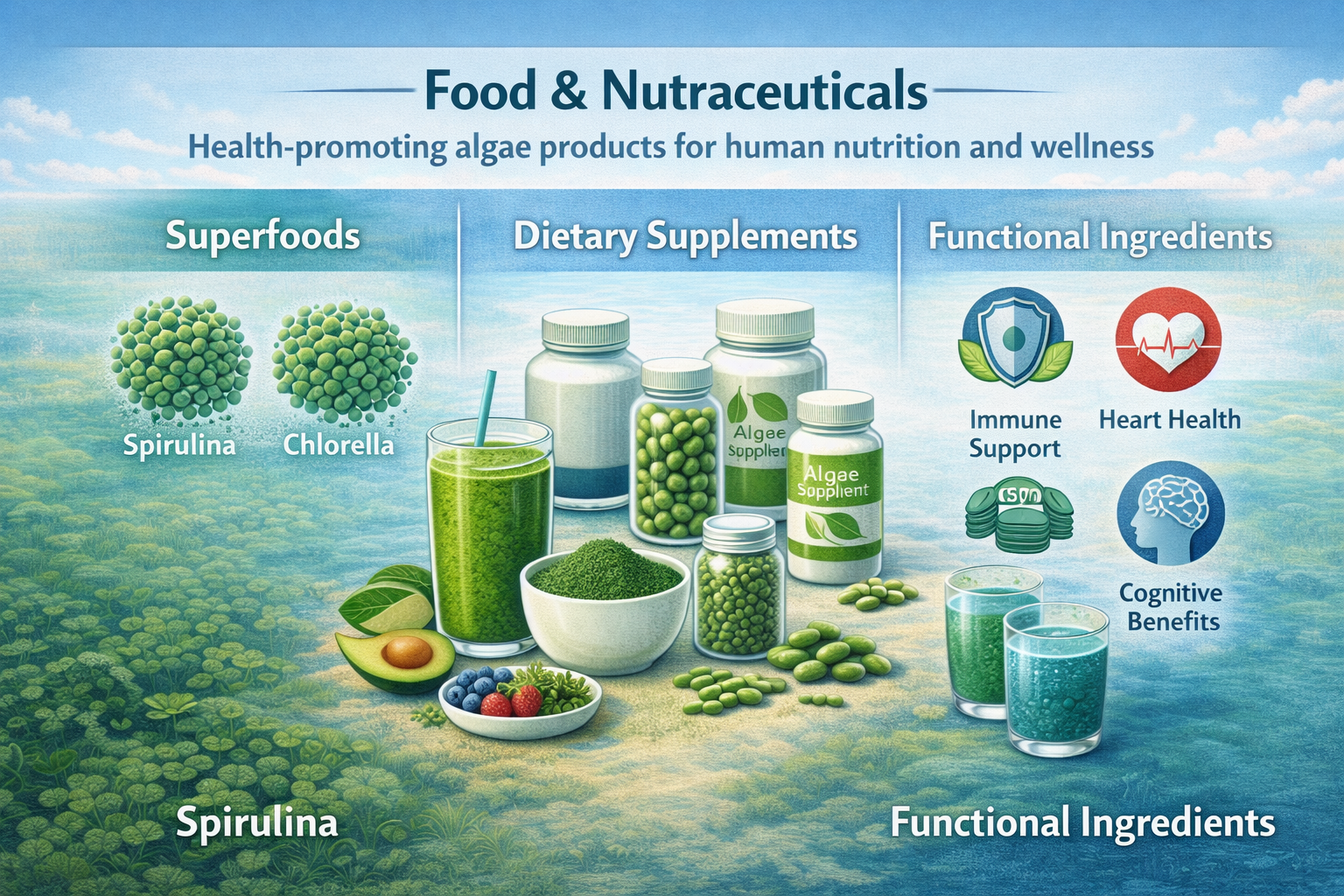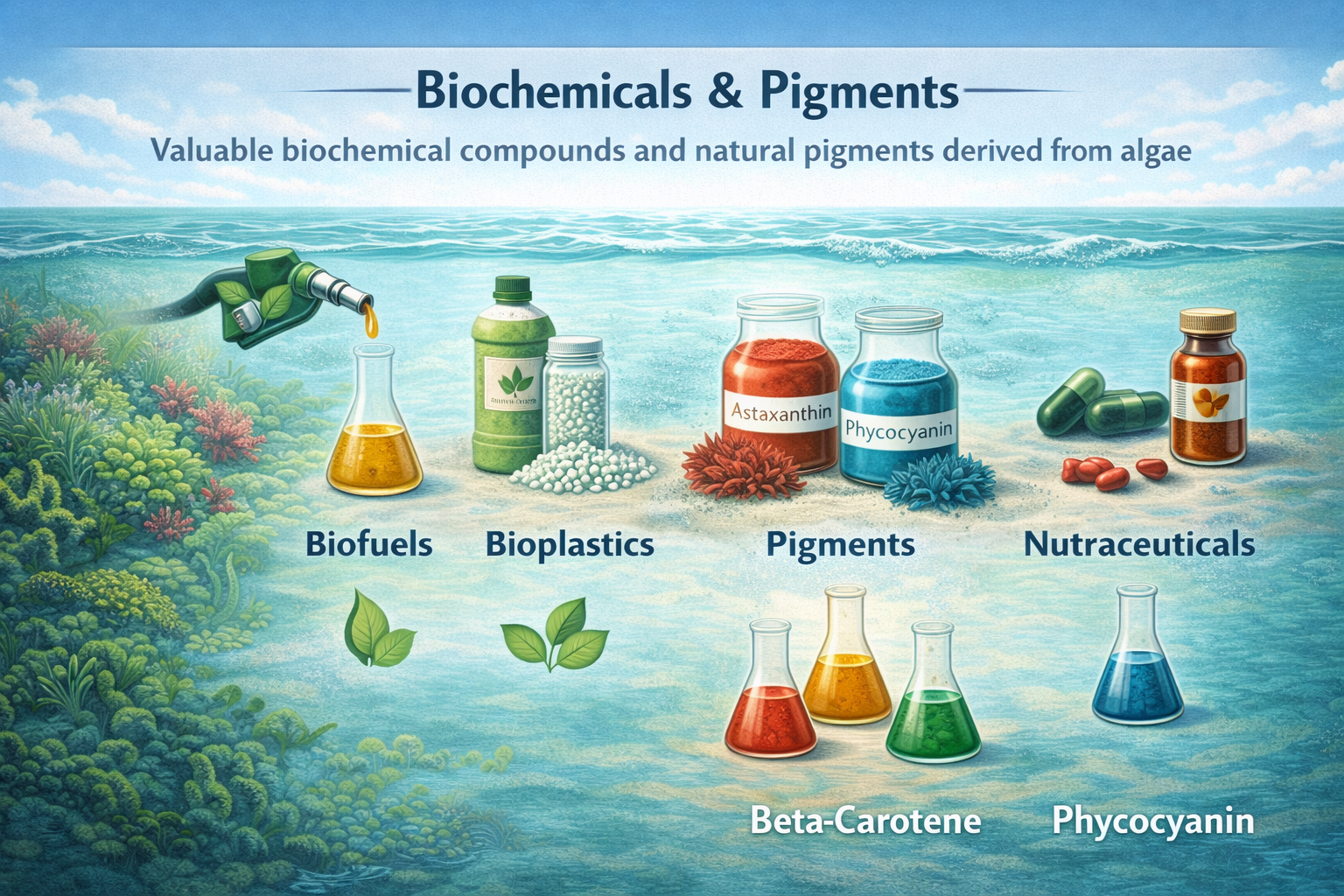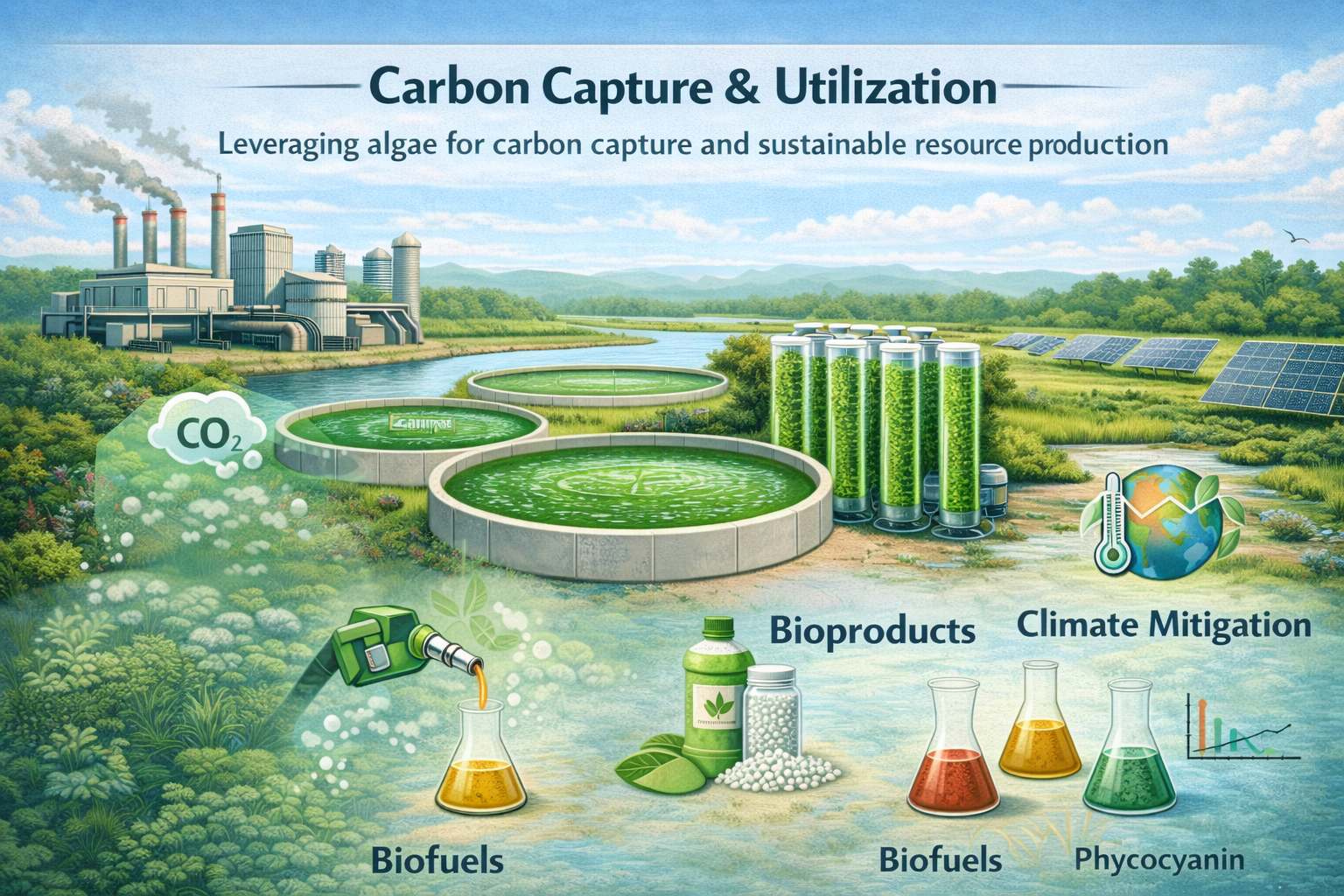
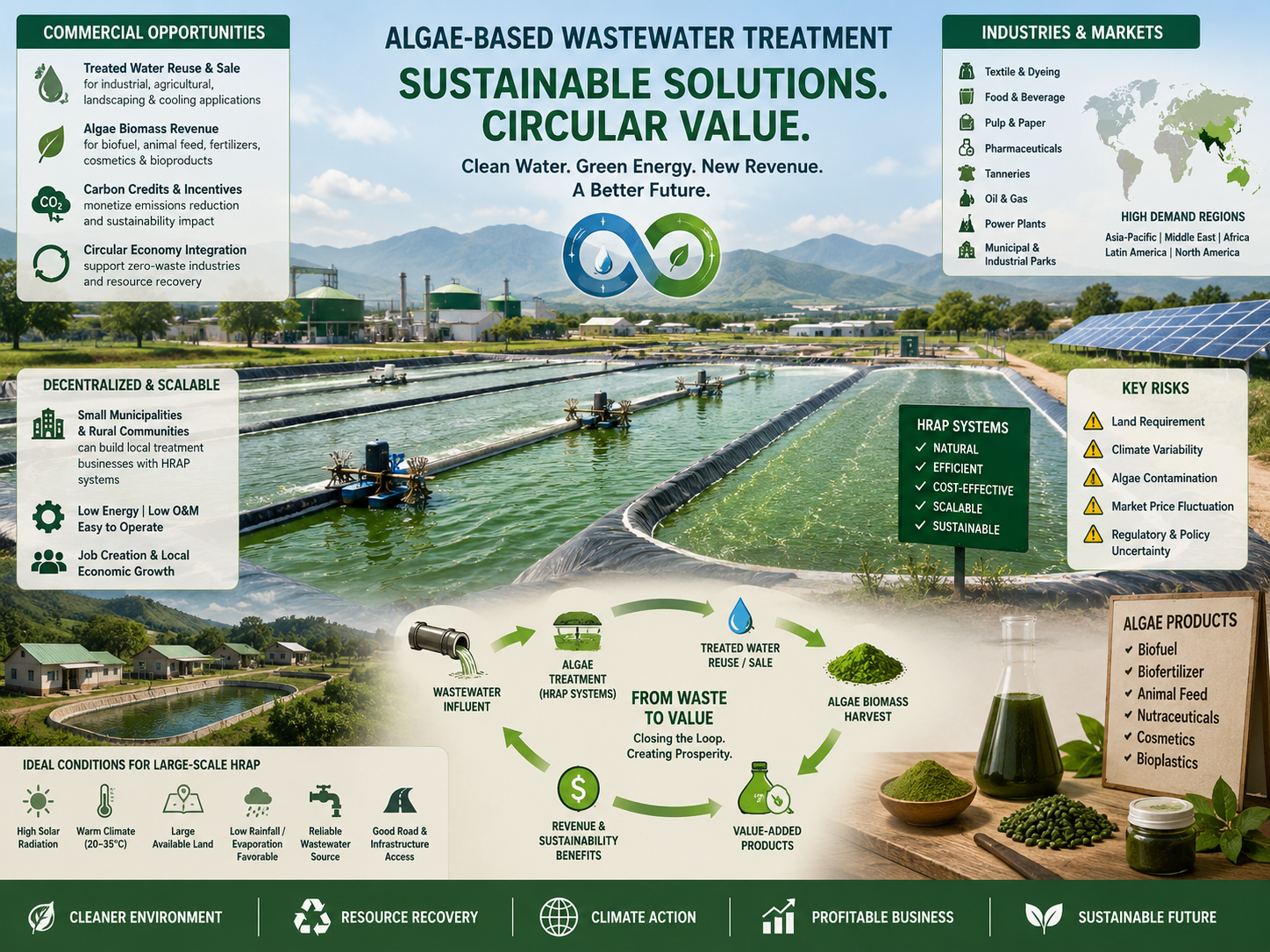
Yes. Algae harvested from wastewater ponds can create multiple additional revenue streams, not just treatment income, because the biomass itself can be converted into saleable products. Recent reviews show that wastewater-grown microalgae can be valorized into biofertilizers, animal feed ingredients, bioenergy, pigments, and other biochemicals, while also removing nitrogen and phosphorus from the water. The main commercial logic is simple: the pond earns money first by treating wastewater, then again by turning harvested biomass into marketable outputs.
The most immediate revenue stream is biofertilizer and soil amendment sales. Wastewater-grown algae are rich in nutrients, especially nitrogen and phosphorus, which makes them useful for fertilizer products after appropriate safety screening. A 2025 techno-economic assessment found that valorizing microalgal biomass as biofertilizer from municipal wastewater can be economically feasible, and broader reviews describe algae-based biofertilizers as a growing circular-economy market. This is especially relevant globally because fertilizer prices are volatile and many agricultural regions are seeking lower-cost nutrient recovery options.
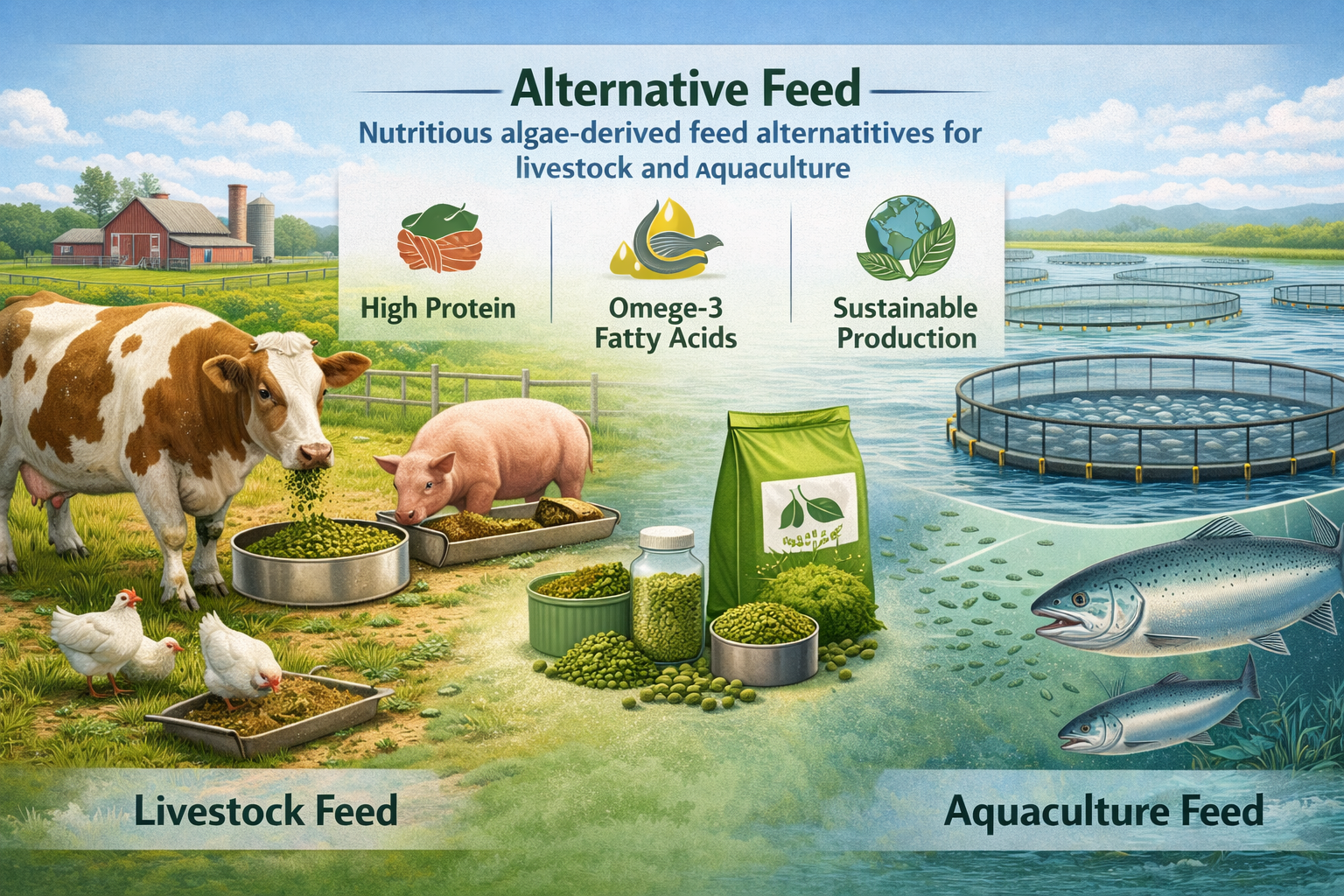
A second major stream is animal feed and aquafeed. If the wastewater source is non-toxic and properly controlled, harvested biomass can be processed into feed additives, protein-rich meal, or specialty ingredients for livestock and aquaculture. Reviews on wastewater-grown microalgae emphasize that careful selection of “safe” wastewater is essential so the biomass can enter higher-value uses such as feed and food-related applications. This matters globally because aquaculture is expanding and feed costs remain one of the largest operating expenses in the sector.
A third revenue stream comes from energy products, especially biogas, bio-oil, and co-digestion feedstocks. Algal biomass from wastewater can be anaerobically digested, pyrolyzed, or otherwise converted into energy carriers, which helps offset operating costs when product purity is not high enough for premium markets. Reviews of algae biorefineries and wastewater-linked biomass conversion show that using the whole biomass in cascade loops improves economic resilience, particularly when multiple downstream products are extracted rather than relying on a single commodity output.
The strongest business model is an integrated biorefinery: collect wastewater treatment fees, sell treated water where reuse is permitted, extract high-value compounds from safe biomass, and send residues to energy recovery. This is already attractive in recirculating aquaculture systems, where nutrient-rich waste management can account for 30–50% of total production costs, so algae integration can reduce costs and create co-products at the same time. Globally, the winning projects will be those that match the wastewater source to the right product ladder, because not every pond biomass is suitable for food-grade or feed-grade markets.