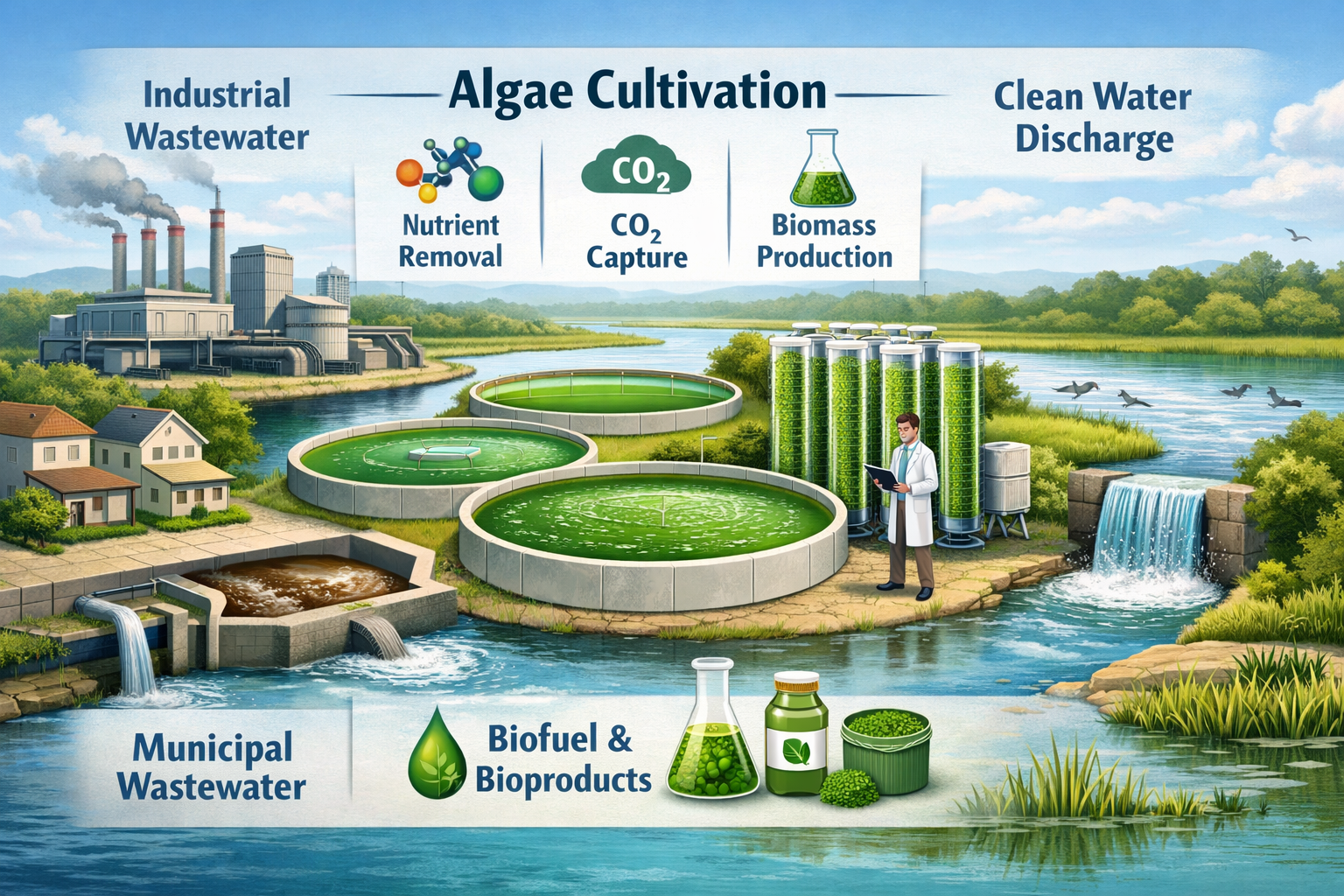
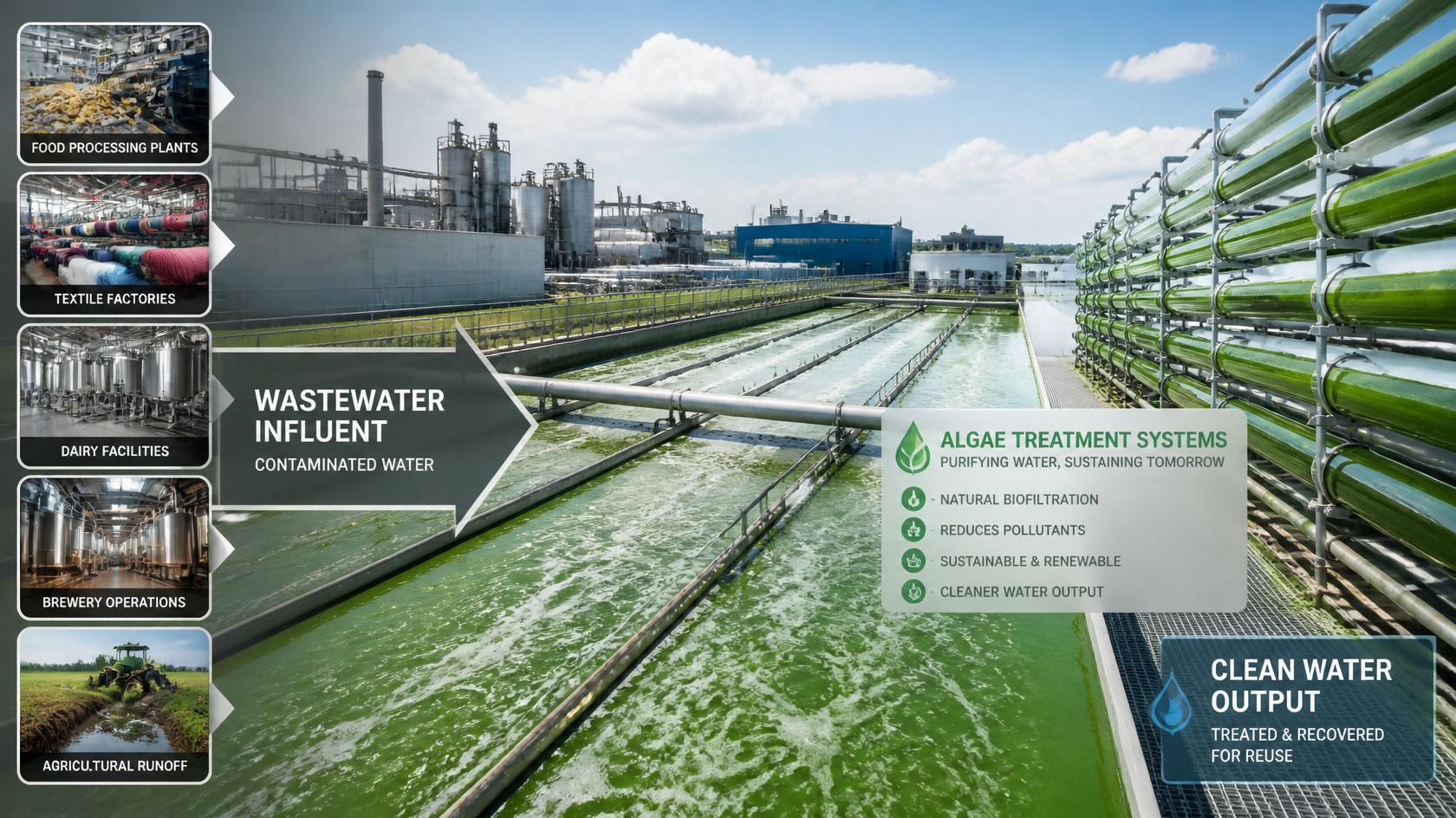
Yes—HRAP systems can become a profitable alternative to conventional wastewater treatment plants, but mainly in the right operating conditions. The technology is most attractive where there is plenty of land, strong sunlight, and wastewater rich in nutrients, because HRAPs are shallow open ponds that use photosynthesis instead of energy-intensive aeration. Recent reviews describe HRAPs as a scalable, real-world wastewater option, especially when paired with hybrid configurations that improve treatment and biomass recovery.
The strongest economic advantage is on the energy side. In a life-cycle comparison of HRAPs in Spain against an activated-sludge sequencing batch reactor in Germany, HRAPs required only 22% of the electricity consumption and had lower treatment cost, at €0.18/m³ versus €0.26/m³ for the conventional system. The same study also found lower global-warming and eutrophication impacts for HRAPs, which matters because electricity is one of the main cost drivers in conventional wastewater plants.
Profitability improves further when the algae biomass is turned into a saleable product instead of treated as waste. A 2024 techno-economic study in northern Portugal found that integrating Chlorella vulgaris into municipal wastewater treatment generated about 7,580 kg/day of fertilizer and produced annual gross earnings of roughly €619,100. That is the key commercial logic of HRAPs: they do not just reduce treatment cost, they can also create revenue from biofertilizer, biomass, or energy recovery, shifting the plant from a pure cost center toward a resource-recovery facility.
That said, HRAPs are not automatically cheaper everywhere. The 2022 Portuguese energy-cost study noted that there are still not many studies directly comparing HRAP operating costs with conventional technologies, and it showed that technology choice, pumping, compressors, and plant design can dominate energy use in conventional systems. It also reported HRAP energy consumption in the range of 0.06–0.25 kWh/m³, compared with much higher values in activated-sludge systems, but only when the site and process design are favorable. In other words, HRAPs are economically strongest when the local climate and influent characteristics match the technology.
So the practical answer is yes, but selectively. HRAPs are most likely to beat conventional plants in warm, sunny regions, small to medium communities, and decentralized or nutrient-rich wastewater applications where land is available and biomass can be monetized. They are less compelling in dense urban areas with high land prices or where strict effluent polishing is needed without downstream harvesting infrastructure. As a result, HRAPs are best viewed as a profitable niche alternative and, in some cases, a strong complement to conventional treatment—not a universal replacement.