Big Impact: The Global Case for Algae-Based Wastewater Treatment
🌍 Overview
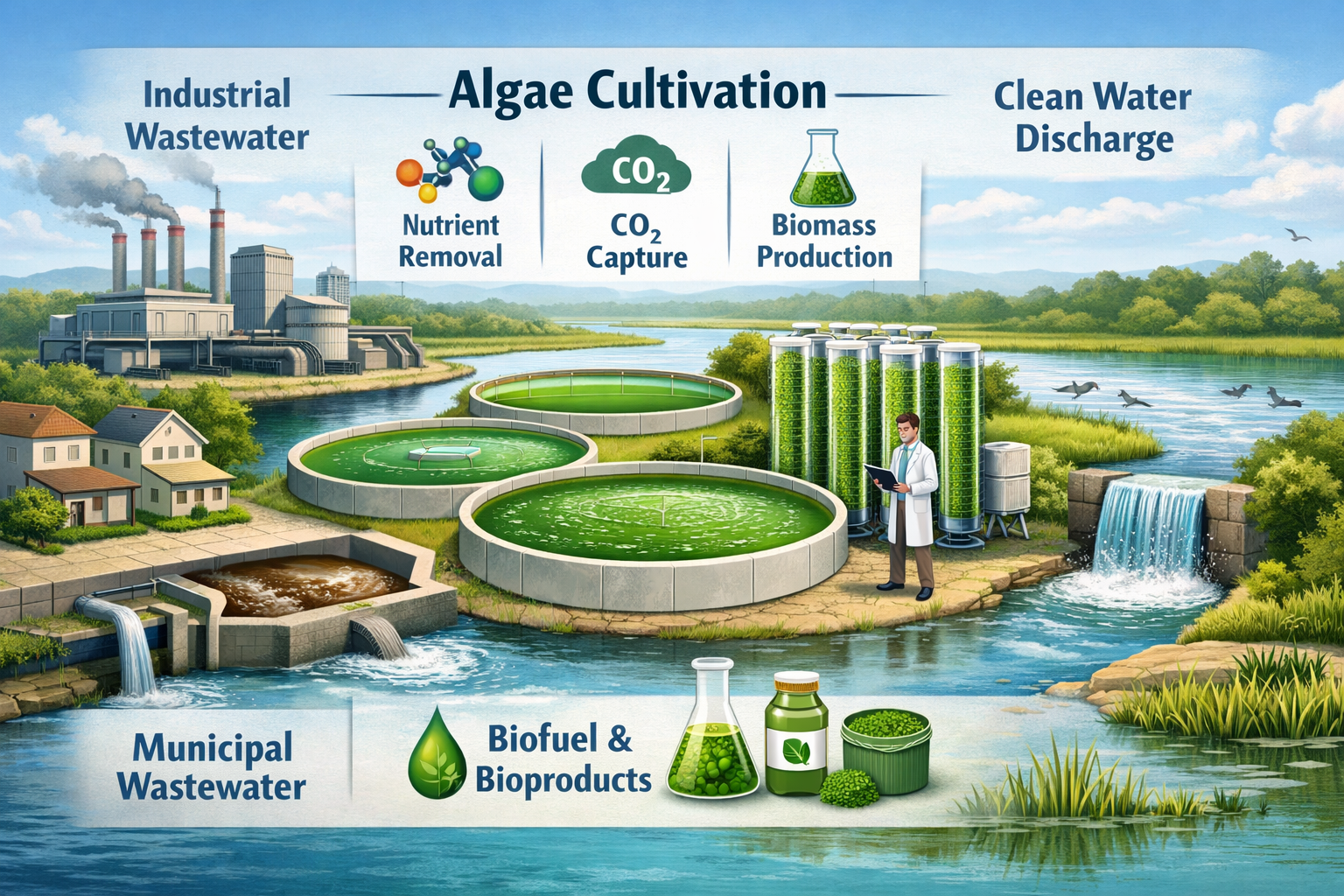
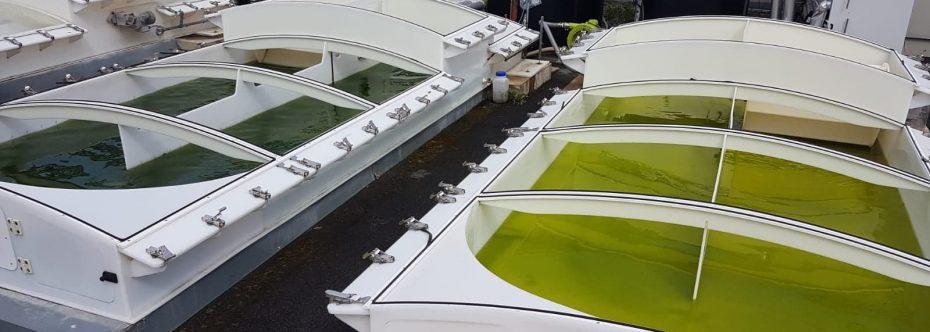
Algae-based wastewater treatment—particularly High-Rate Algal Ponds (HRAPs)—offers a low-energy, nature-based alternative to conventional treatment systems. By leveraging algae’s natural ability to absorb nutrients like nitrogen and phosphorus, HRAPs simultaneously clean water, capture carbon, and produce valuable biomass.
With rising urban wastewater loads and tightening environmental regulations, HRAPs are emerging as a scalable solution for sustainable sanitation, especially in regions with warm climates like India.
🚀 Current High-Impact Solutions
- Municipal wastewater polishing: HRAPs are used as tertiary treatment systems to remove residual nutrients.
- Industrial wastewater reuse: Food processing and agricultural industries use HRAPs for cost-effective treatment.
- Decentralized sanitation systems: Rural and peri-urban deployments reduce reliance on expensive centralized infrastructure.
- Energy-neutral treatment plants: Compared to activated sludge systems, HRAPs drastically reduce energy consumption.
🔮 Future Potential
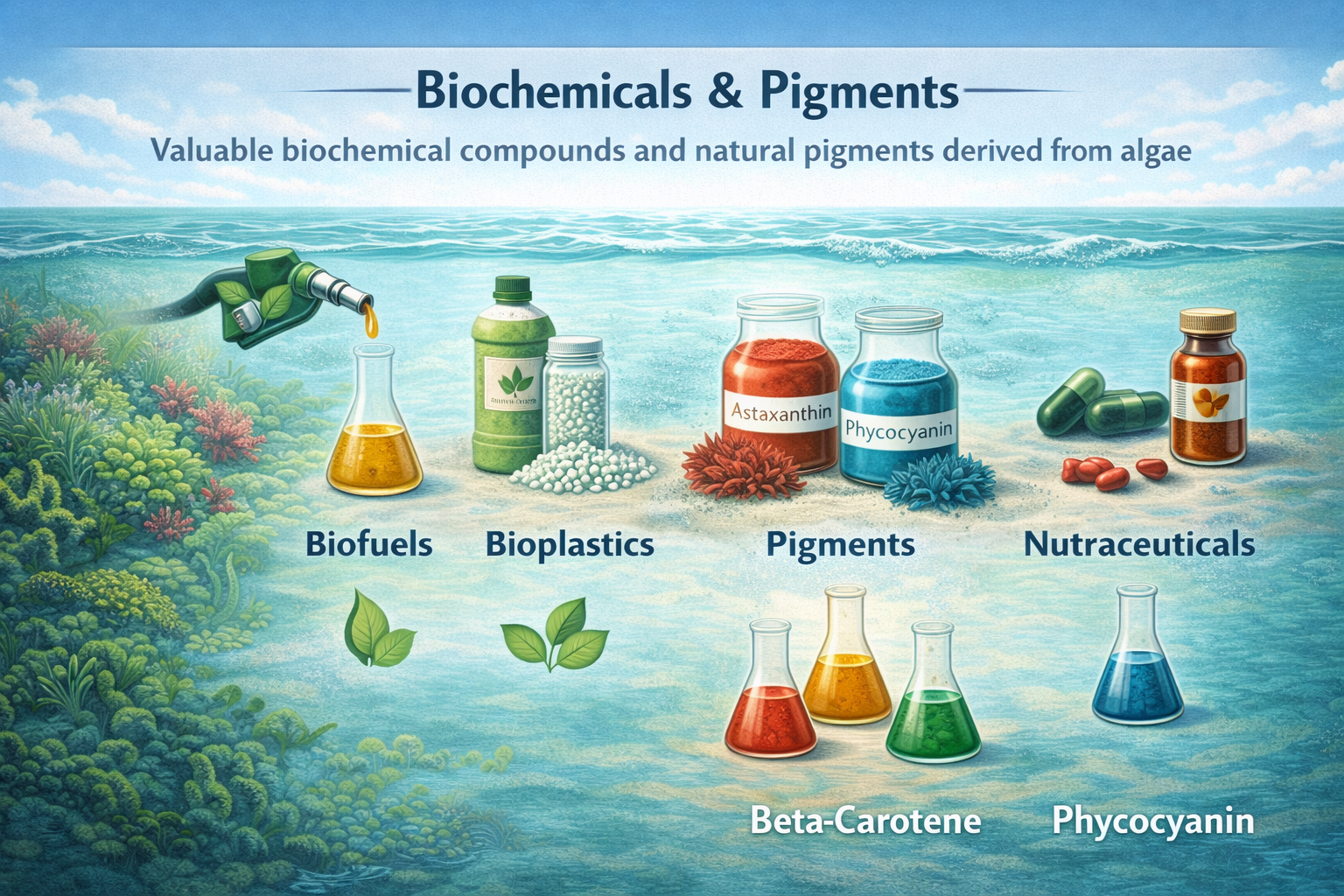
- Integration with biofuel production (algae biomass → biodiesel, biogas)
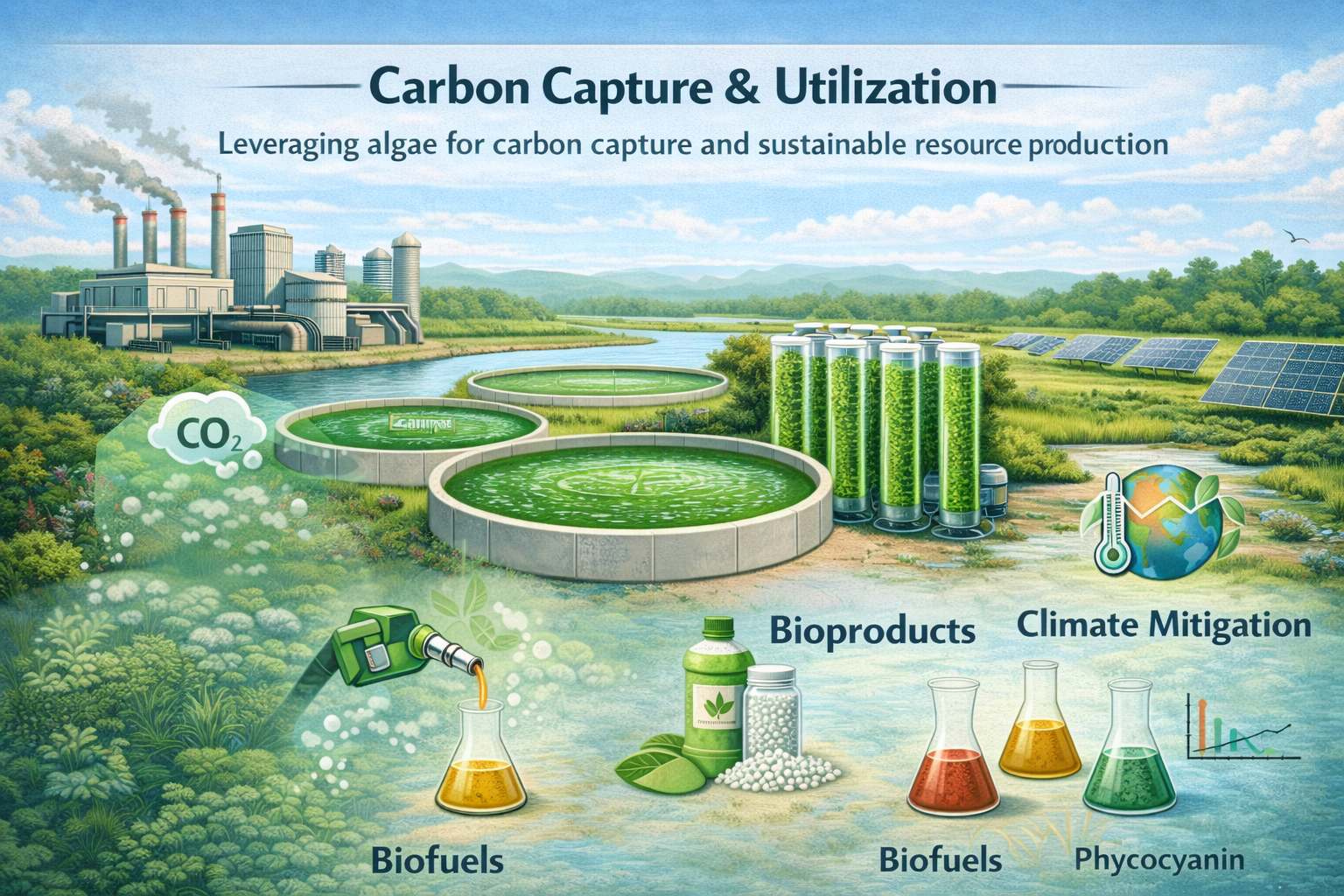
- Coupling with carbon capture systems (flue gas → algae growth)
- Smart HRAPs using AI-based monitoring and optimization
- Urban circular water systems where wastewater → resource (water + biomass + nutrients)
Process Overview
⚙️ Technical Pathways
Step-by-step HRAP workflow:
- Pre-treatment: Removal of large solids from wastewater
- Algal Cultivation:
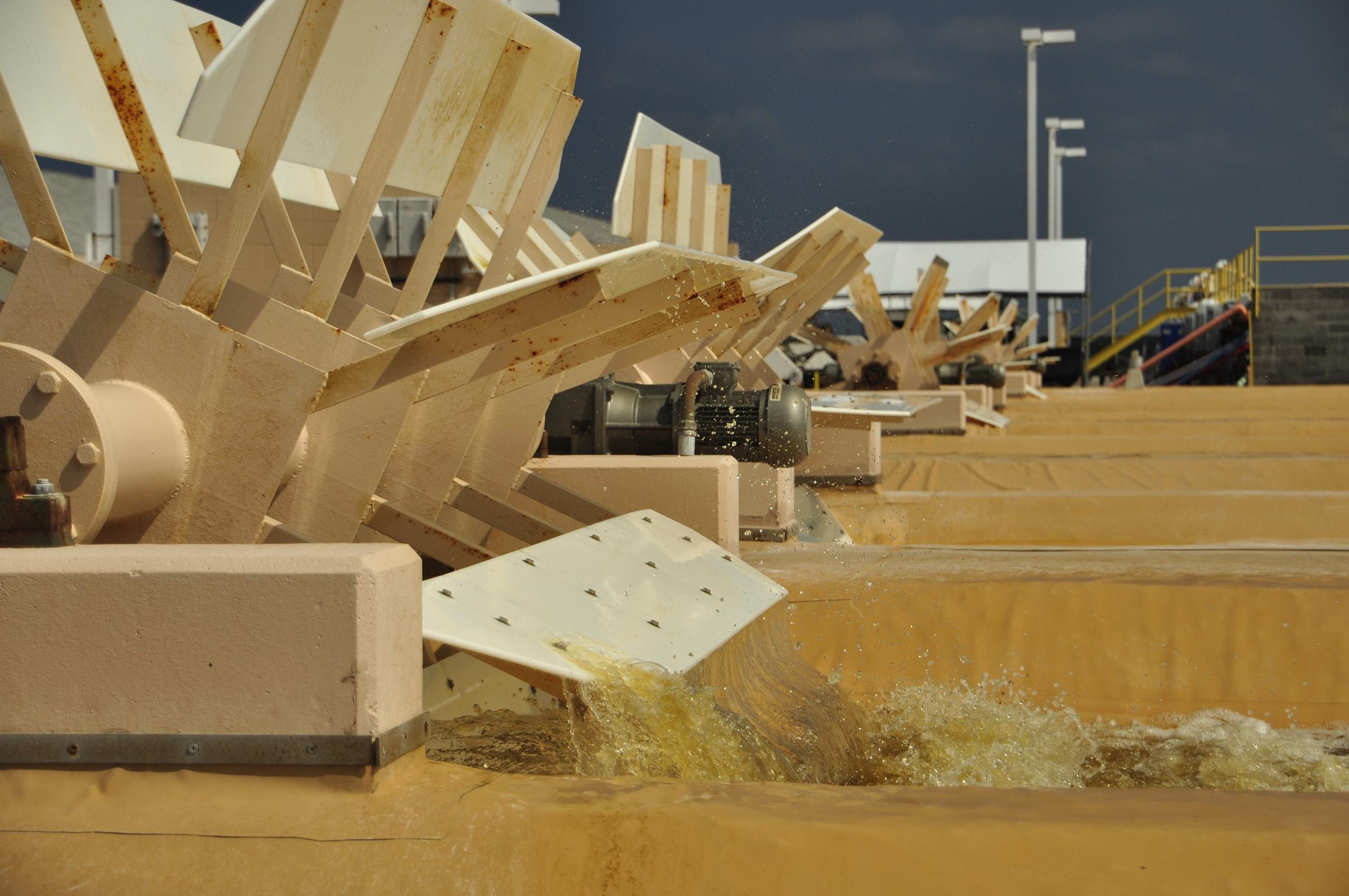
- Wastewater enters shallow raceway ponds
- Paddle wheels circulate water continuously
- Sunlight + CO₂ → algae growth
- Nutrient Uptake:
- Algae absorb nitrogen (N) and phosphorus (P)
- Symbiotic bacteria break down organic matter
- Oxygen Generation:
- Algae produce oxygen → supports bacterial degradation
- Biomass Harvesting:
- Algae are separated via sedimentation or filtration
- Treated Water Output:
- Clean water reused for irrigation or safely discharged
🔄 Input–Output Logic
Inputs:
- Wastewater (municipal/industrial)
- Sunlight (primary energy source ☀️)
- CO₂ (from atmosphere or industrial emissions)
- Land area
Outputs:
- Treated water (reuse-ready)
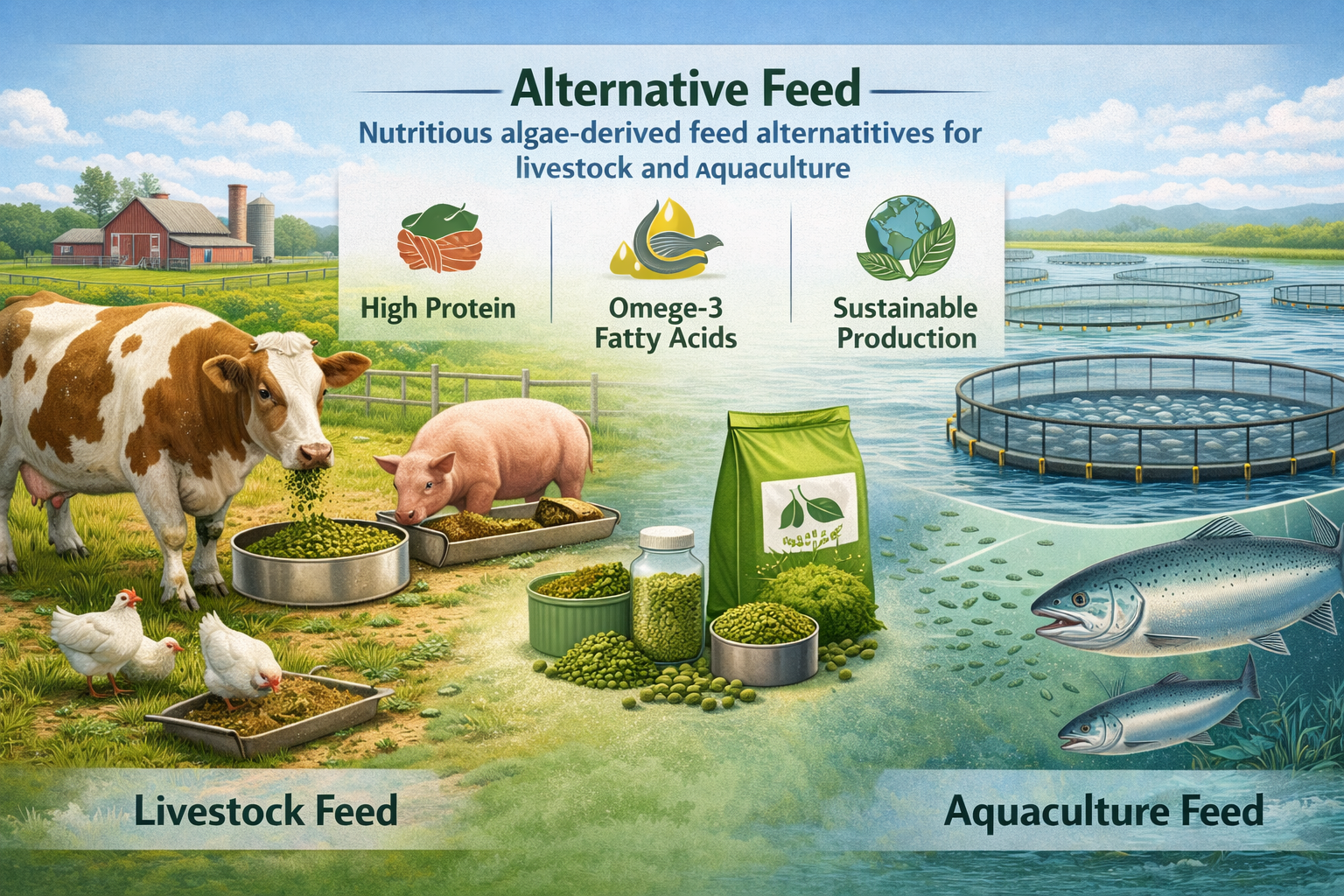
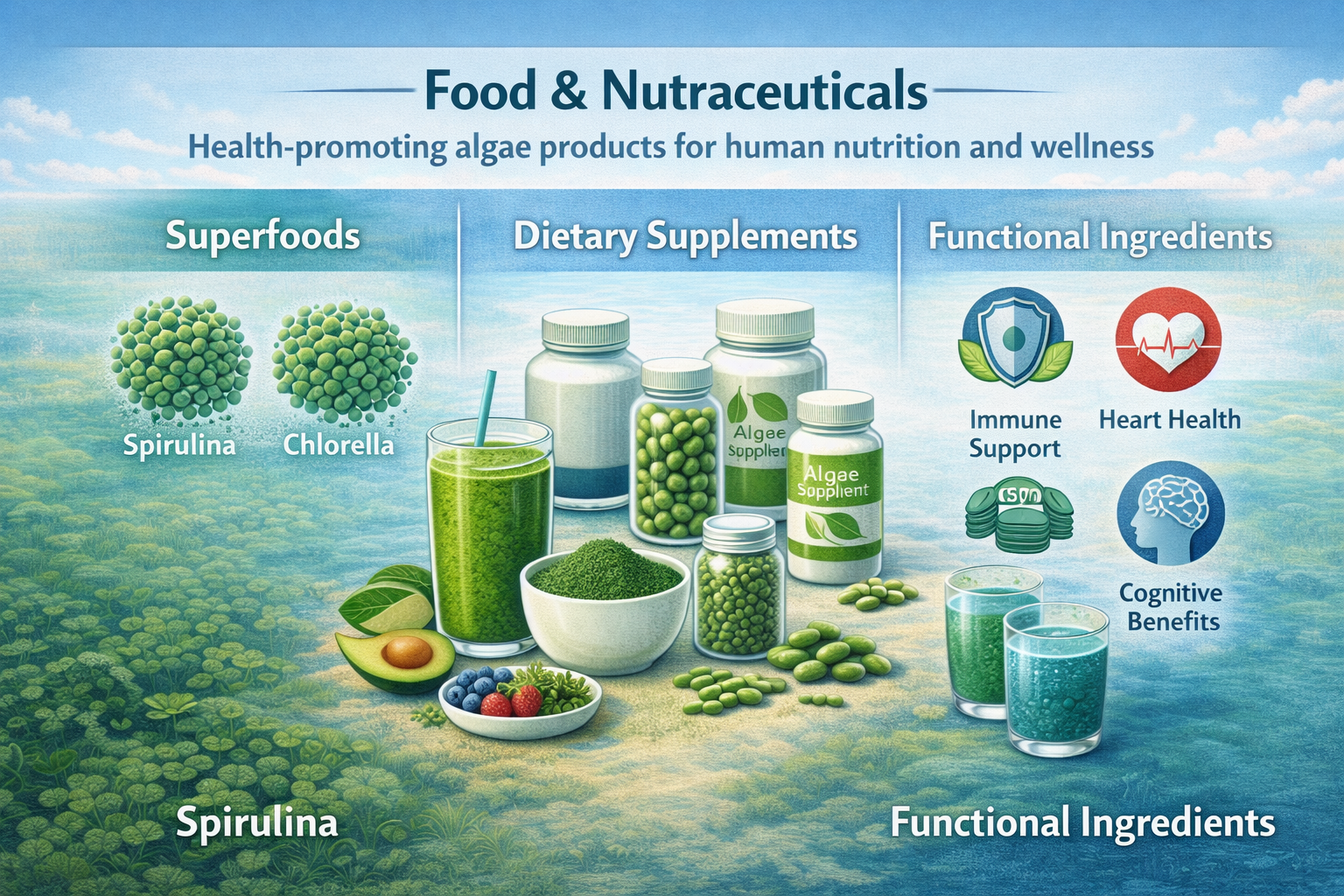
- Algal biomass (biofuel, fertilizers, animal feed potential)
- Reduced sludge compared to conventional systems
Key Gaps and Challenges
⚙️ Technical Bottlenecks
- Inefficient biomass harvesting technologies
- Seasonal variability in algae growth (light, temperature)
- Limited automation in large-scale HRAP systems
💰 Economic Barriers
- High land requirement vs compact conventional plants
- Revenue streams from biomass still underdeveloped
- Initial capital costs for optimized HRAP infrastructure
🚚 Supply Chain Gaps
- Lack of standardized algae processing infrastructure
- Weak integration between wastewater plants and biomass markets
- Limited vendors for large-scale HRAP components
⚠️ Additional Challenges
- Public perception and awareness gaps
- Regulatory uncertainty in some regions
- Need for skilled operators and system designers
Stakeholder & Community Action
Key Stakeholders & What They Can Do
🏛️ Governments & Policymakers
- Introduce incentives for nature-based treatment systems
- Update wastewater regulations to include algae-based compliance pathways
- Fund pilot HRAP projects in smart cities
🧪 Research Institutions
- Improve harvesting efficiency and strain optimization
- Develop hybrid systems combining HRAP + advanced filtration
- Collaborate with industry for real-world deployment
🏭 Industry & Private Sector
- Integrate HRAPs into existing wastewater infrastructure
- Invest in biomass valorization (biofuels, fertilizers)
- Build scalable modular HRAP systems
🤝 Startups & Innovators
- Apply AI/IoT for real-time pond monitoring
- Create compact HRAP models for urban deployment
- Develop low-cost harvesting technologies
🌍 Communities & NGOs
- Promote decentralized wastewater treatment adoption
- Educate communities on reuse benefits
- Support local implementation in water-scarce regions
Conclusion
Algae-based wastewater treatment, particularly through HRAP systems, represents a powerful convergence of sustainability, circular economy, and climate resilience. While challenges remain, the combination of low energy demand, resource recovery, and scalability makes it one of the most promising solutions for the future of water management.
With the right mix of policy support, technological innovation, and industry collaboration, HRAPs can move from niche deployments to mainstream infrastructure globally.