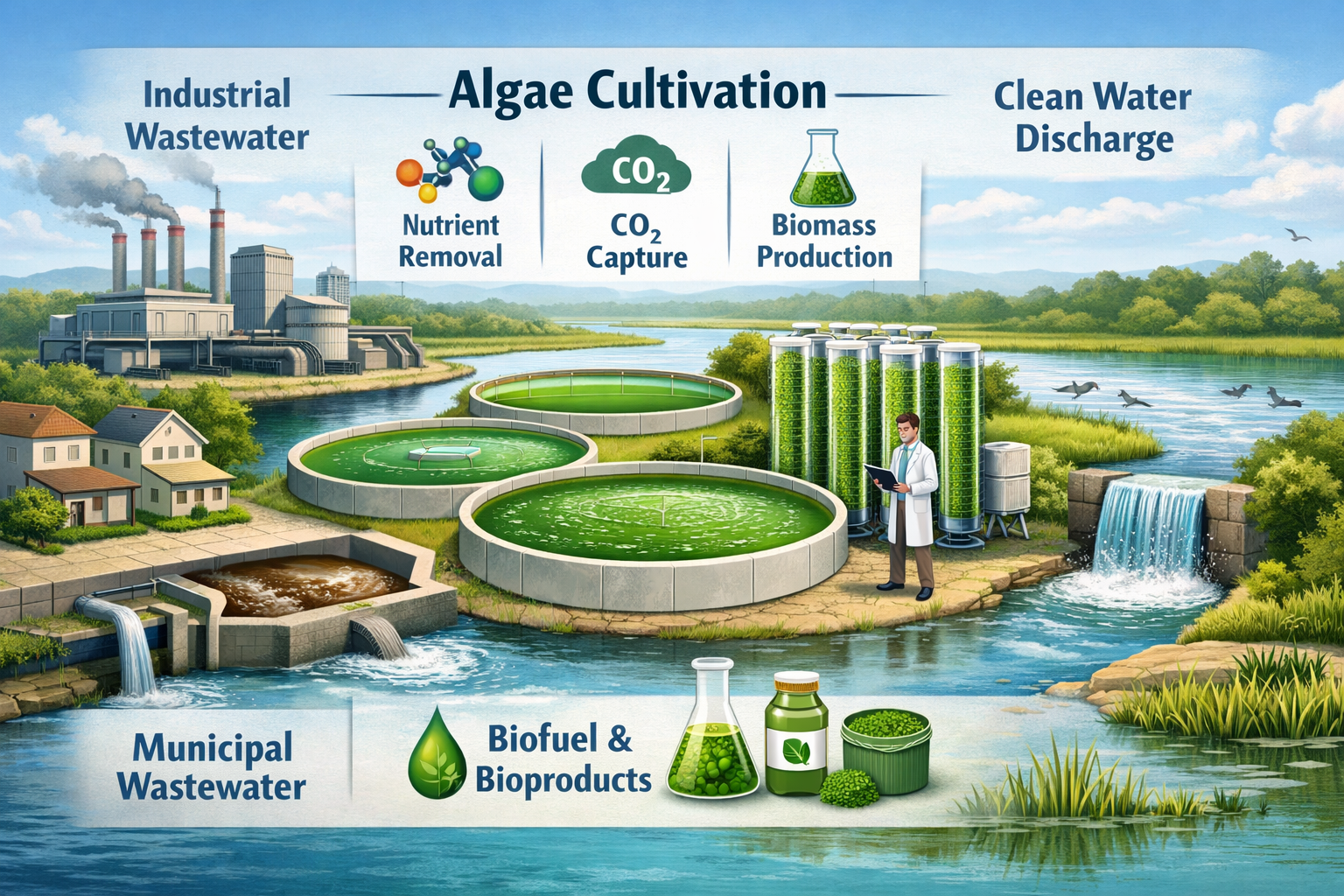
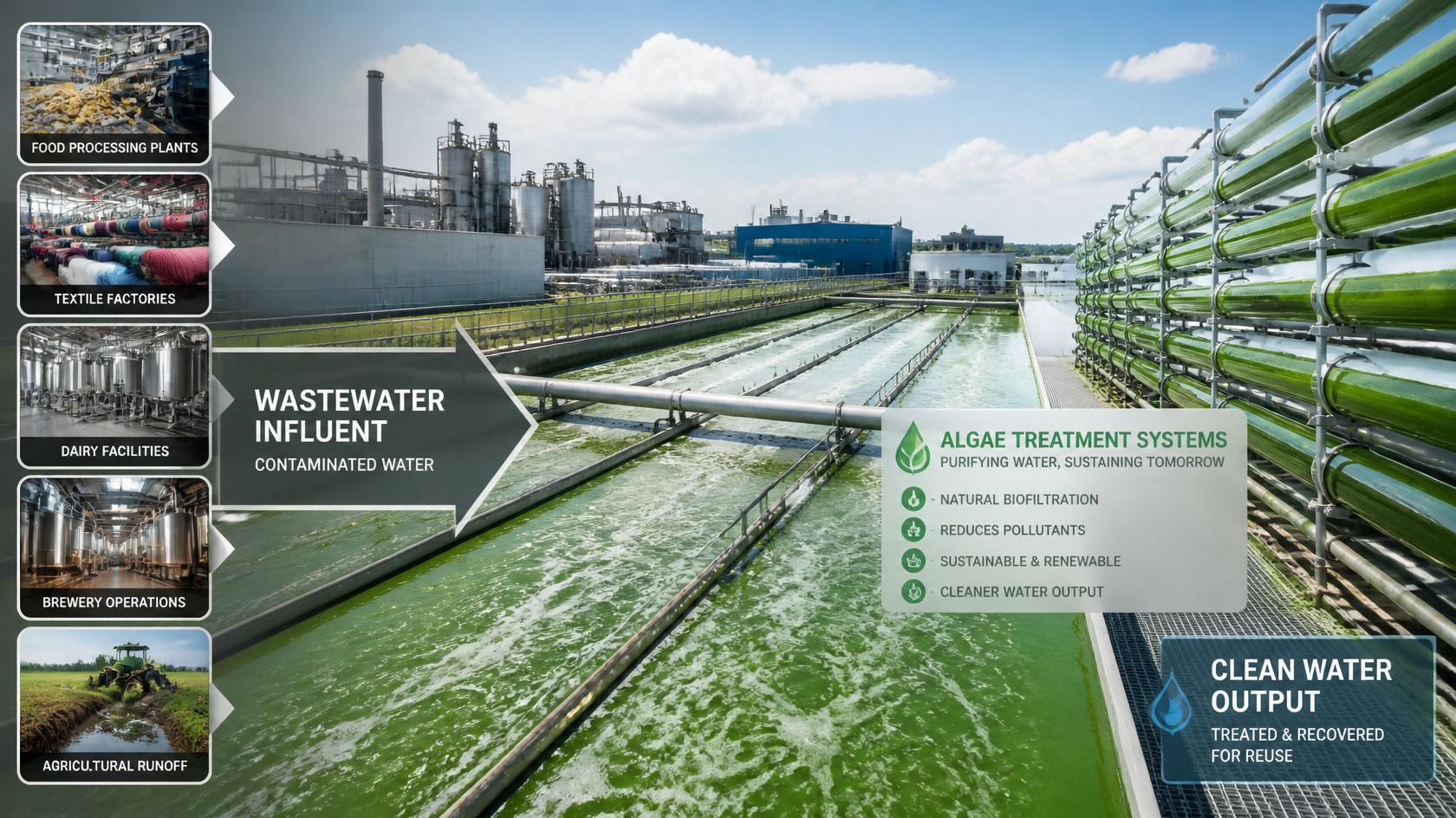
The profitability of a High-Rate Algal Pond (HRAP) project depends first on the quality and consistency of the wastewater feedstock. HRAP systems perform best when wastewater contains stable concentrations of nitrogen, phosphorus, and biodegradable organic matter, because algae use these nutrients for rapid biomass growth. Municipal sewage, food-processing wastewater, dairy effluents, and aquaculture discharge are considered highly suitable globally. Wastewater with excessive heavy metals, toxic chemicals, or fluctuating pH increases operational complexity and lowers algae productivity. Studies show that HRAP systems can remove more than 70–90% of nitrogen and phosphorus under optimized conditions, making nutrient-rich wastewater streams economically attractive for both treatment and biomass production.
A second major profitability factor is climate and geographic location. HRAPs rely heavily on sunlight and warm temperatures to maximize algal photosynthesis. Regions with high solar radiation and long daylight hours—such as India, Australia, the Middle East, Africa, Southern Europe, and parts of Latin America—can achieve higher biomass productivity and lower energy costs than colder regions. Seasonal variation strongly affects commercial viability because lower winter productivity can reduce annual output. Land availability also matters, since HRAP systems require significantly larger surface areas than conventional activated-sludge plants, although they usually consume less energy overall.
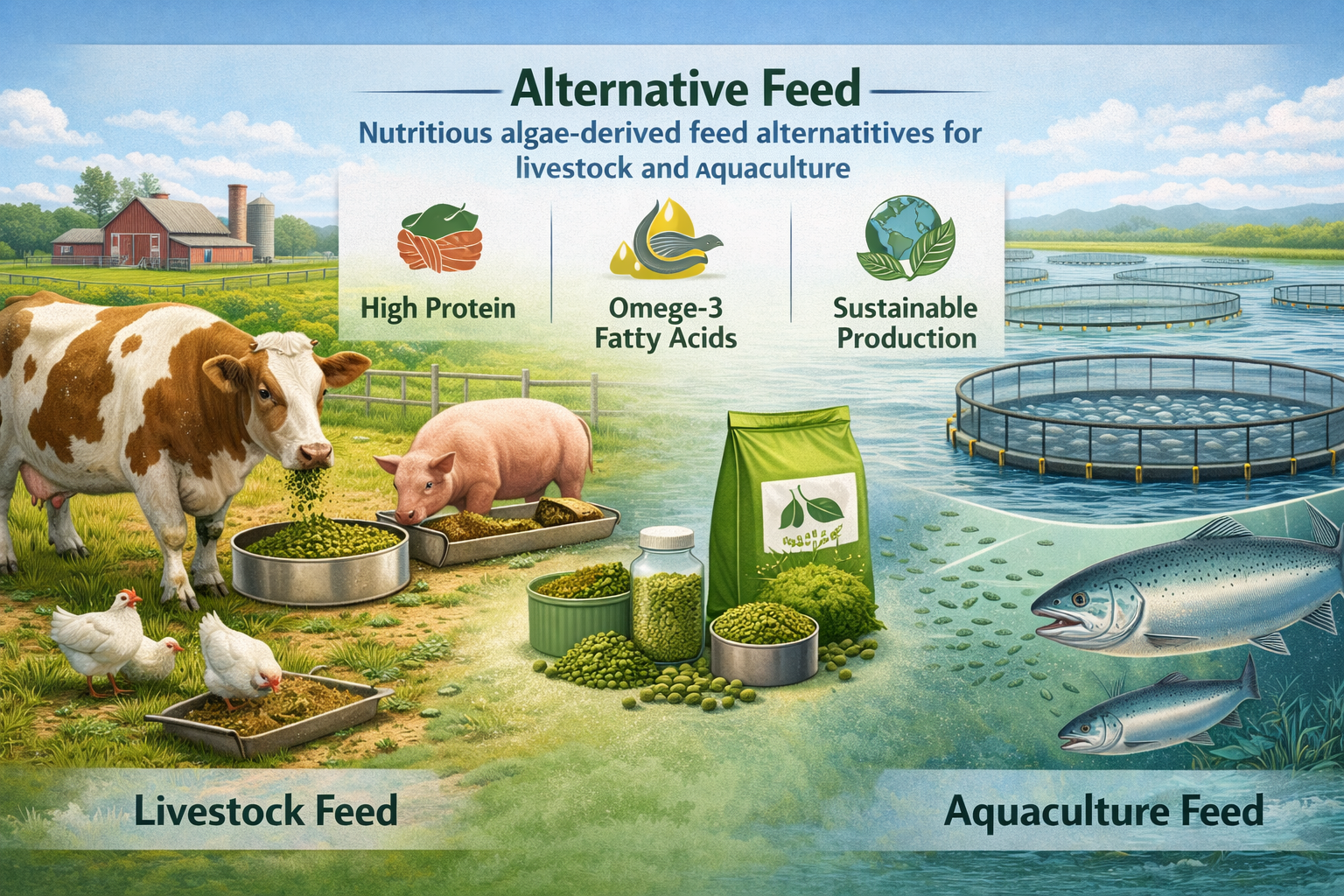
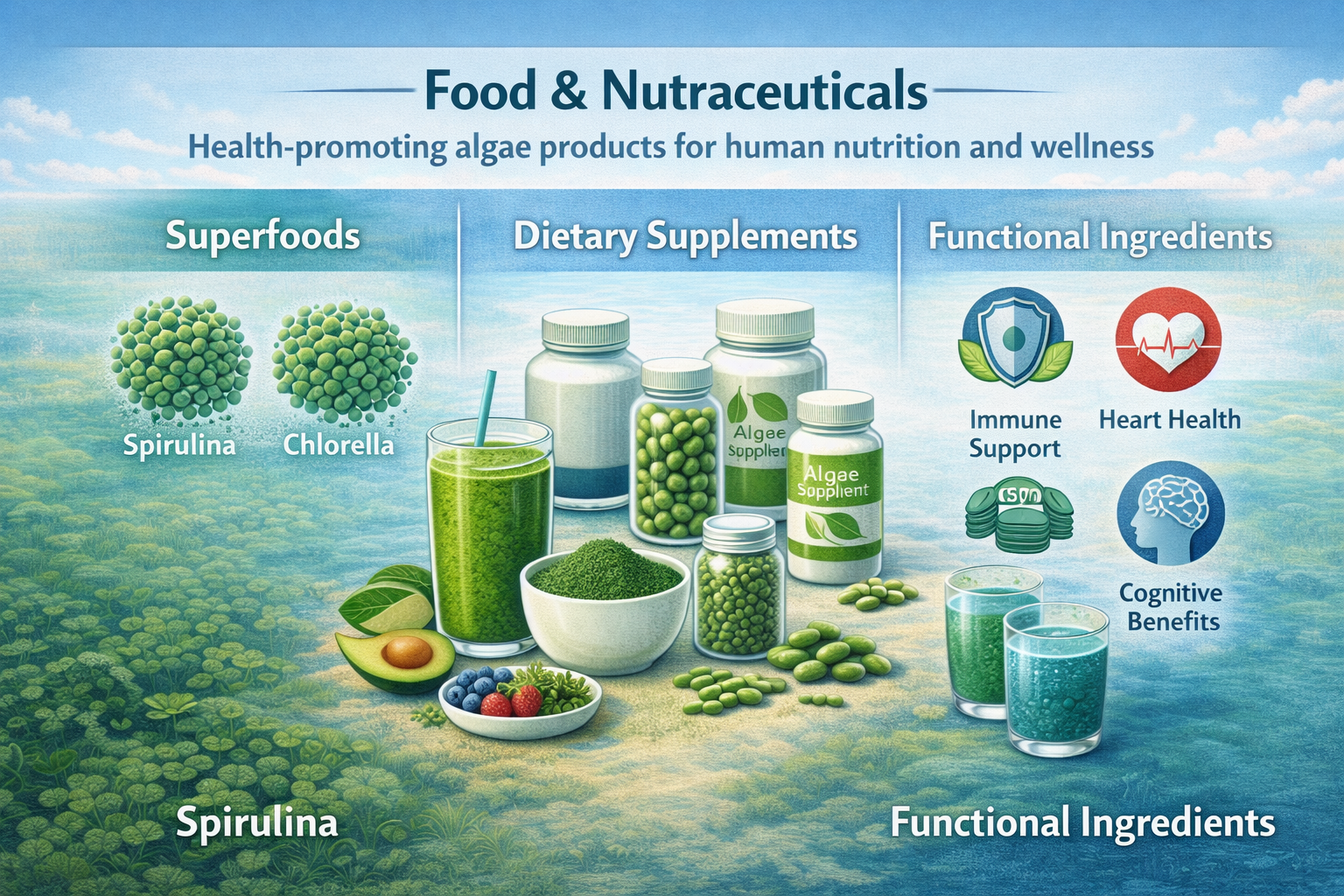
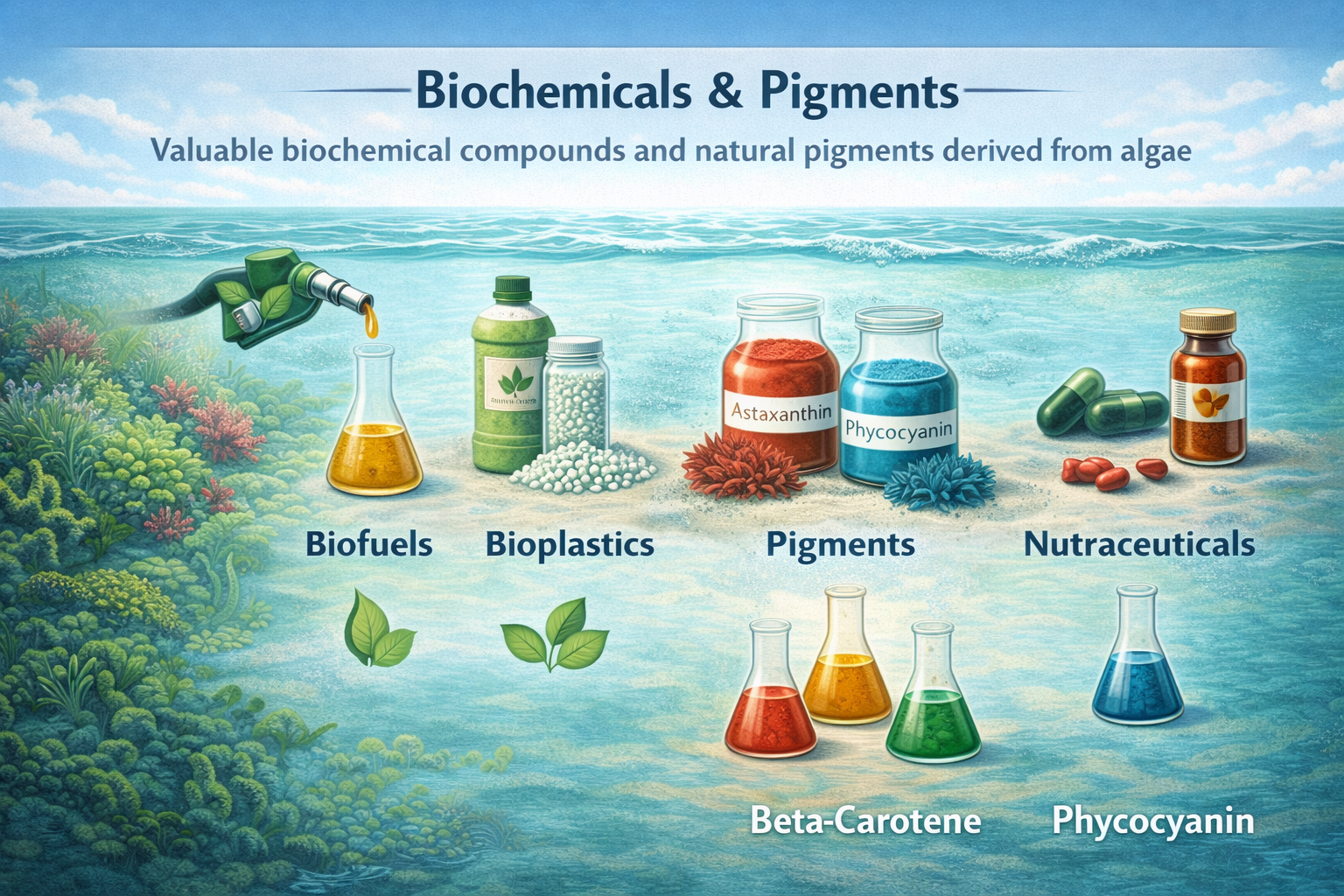
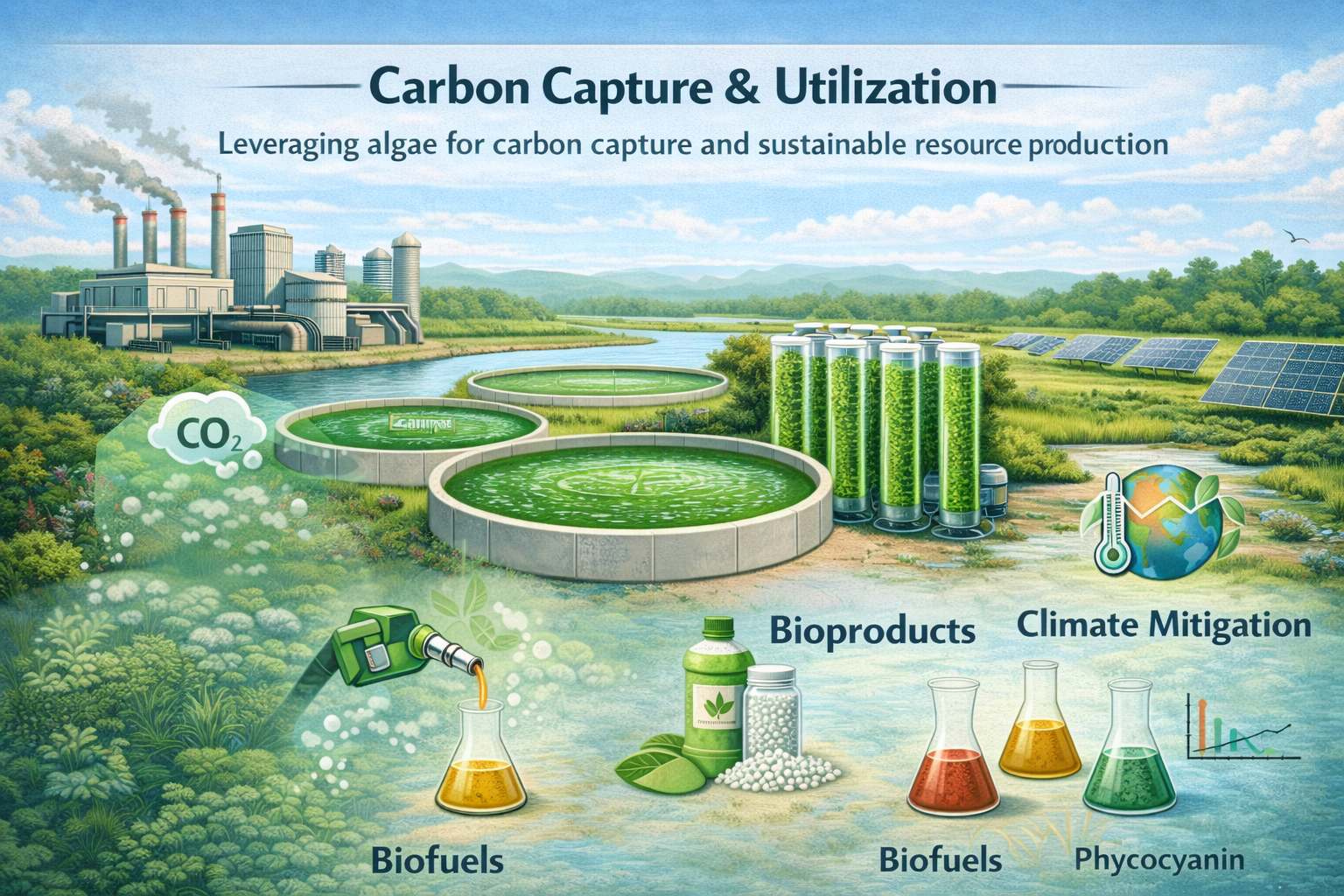
The third key driver is the ability to generate multiple revenue streams beyond wastewater treatment alone. The most commercially successful HRAP projects are increasingly designed as resource recovery systems rather than simple treatment plants. Algal biomass harvested from HRAPs can be processed into biofertilizers, biostimulants, animal feed ingredients, biogas, pigments, or bio-based chemicals. This diversification improves project economics because wastewater treatment fees alone are often insufficient for high profitability. Research on algal biorefineries consistently shows that coupling nutrient removal with biomass valorization significantly improves return on investment and reduces dependence on government subsidies.
Operational efficiency and harvesting technology are also critical determinants of commercial success. While HRAPs are generally lower in energy demand than conventional aeration systems, biomass harvesting remains one of the most expensive stages, often representing 20–30% of total production costs in algal systems. Efficient paddlewheel mixing, optimized hydraulic retention time, carbon dioxide utilization, and low-cost harvesting technologies such as bioflocculation or gravity settling can greatly improve economics. Automation, monitoring systems, and integration with existing wastewater infrastructure further reduce operational costs and increase scalability for industrial deployment. (frontiersin.org)
Finally, commercial success depends heavily on policy support, carbon markets, and environmental regulations. Governments worldwide are tightening nutrient-discharge standards and encouraging circular-economy wastewater systems, which creates market opportunities for HRAP technology. Projects that can demonstrate lower carbon emissions, renewable biomass generation, and nutrient recovery are increasingly positioned to benefit from green financing, ESG investment, and carbon-credit frameworks. Countries facing water scarcity and rising wastewater treatment costs are especially strong future markets for HRAP deployment. As sustainability regulations expand globally, HRAP projects that combine low-cost treatment with valuable biomass products are likely to achieve the strongest long-term profitability.