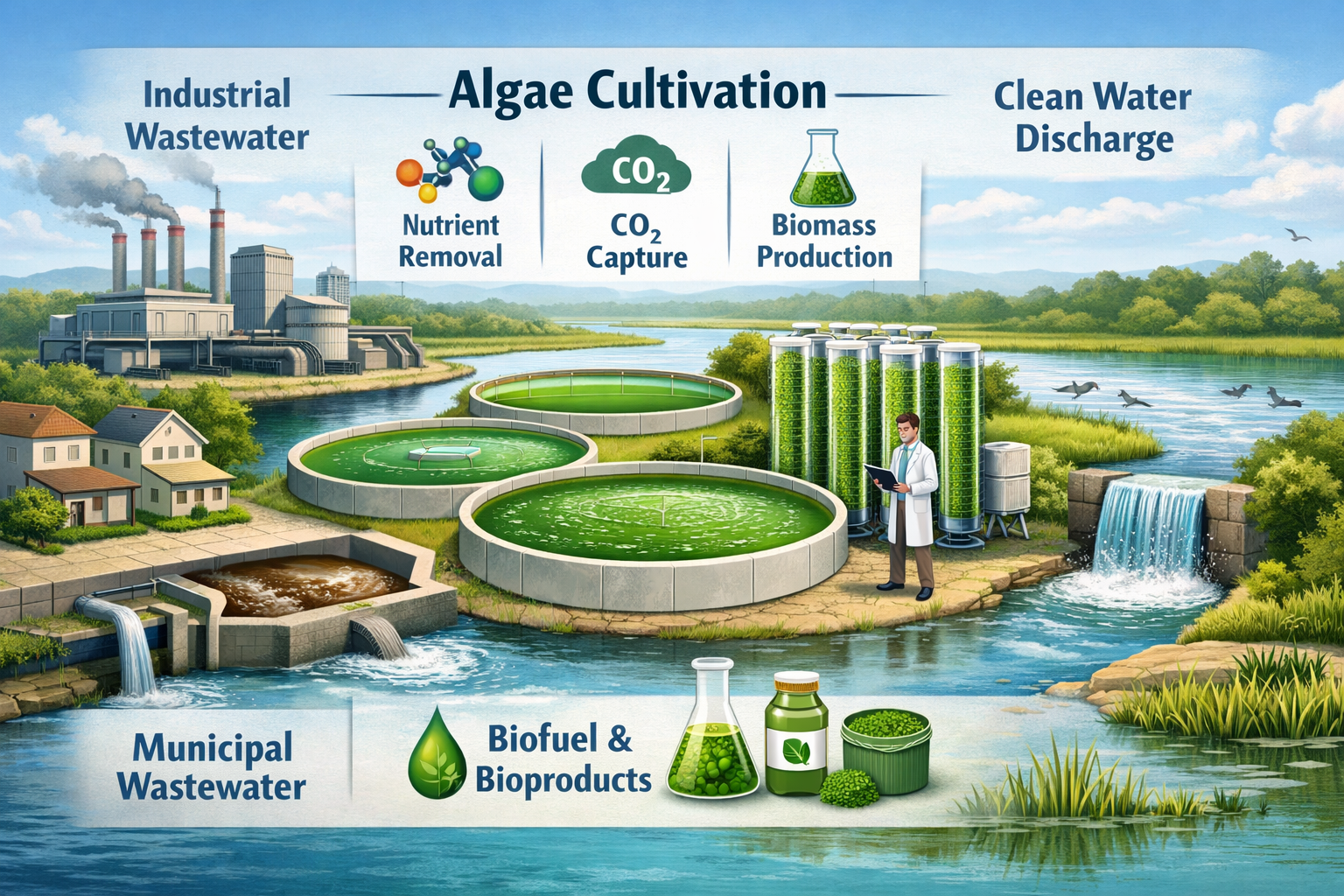
Carbon credits and sustainability incentives can significantly improve the profitability of High-Rate Algal Pond (HRAP) wastewater treatment projects because HRAP systems combine wastewater treatment, carbon capture, nutrient recovery, and biomass generation in a single process. Unlike many conventional wastewater plants that consume high amounts of electricity for aeration, HRAPs use algal photosynthesis to naturally oxygenate water while absorbing carbon dioxide. Studies on algal wastewater treatment consistently show that these systems can reduce operational energy demand and lower greenhouse gas emissions compared with traditional activated sludge systems. This creates opportunities to monetize environmental performance through carbon markets and sustainability financing.
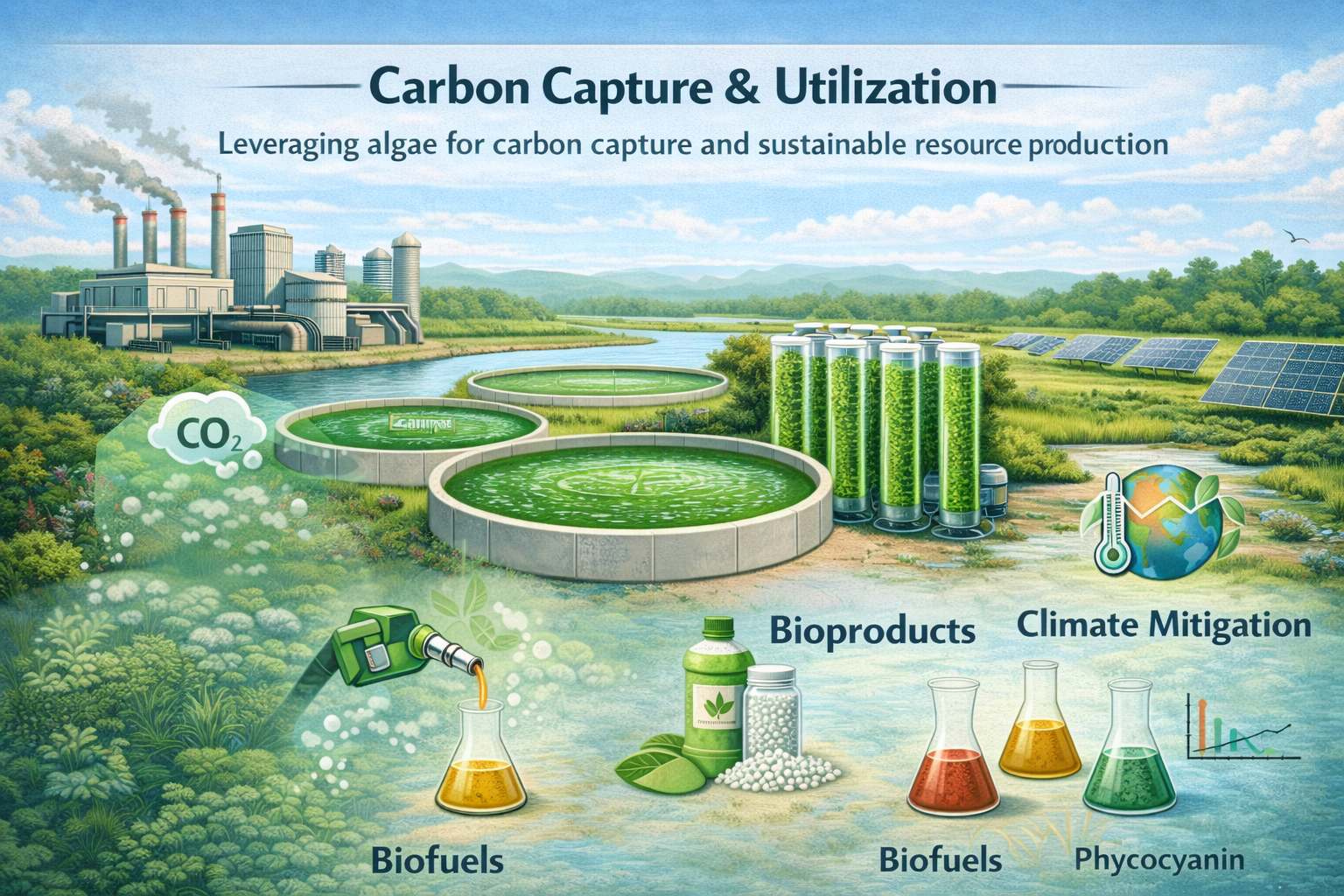
One major profitability driver is the ability to generate carbon credits through CO₂ sequestration and methane-emission reduction. Algae consume carbon dioxide during growth, and industrial HRAP systems can potentially use flue gas or industrial CO₂ streams as carbon sources. Research commonly estimates that approximately 1.8 kg of CO₂ may be captured per kilogram of algal biomass produced, depending on cultivation conditions. In addition, better wastewater management can reduce methane formation that would otherwise occur in poorly managed lagoons or untreated wastewater systems. As voluntary and compliance carbon markets expand globally, HRAP operators may earn recurring revenue by quantifying and certifying these emission reductions.
Sustainability incentives from governments and development agencies can also improve project economics by reducing capital and operating costs. Many countries now offer grants, tax benefits, green infrastructure funding, renewable-energy incentives, or low-interest climate finance for wastewater reuse and carbon-reduction technologies. HRAP projects align strongly with multiple sustainability goals because they support water recycling, nutrient recovery, renewable biomass production, and emissions reduction simultaneously. In regions facing water stress—such as India, the Middle East, Africa, and parts of Australia—treated water reuse incentives can further strengthen long-term revenue potential.
Another important profitability advantage comes from the growing corporate demand for Environmental, Social, and Governance (ESG) compliance. Industries are under increasing pressure to lower wastewater pollution, reduce carbon footprints, and improve sustainability reporting. HRAP operators can therefore position themselves not only as wastewater treatment providers but also as environmental compliance partners. Companies may pay premium service fees for systems that help achieve ESG targets, carbon neutrality commitments, or sustainability certifications. This is particularly relevant for food processing, agriculture, breweries, and industrial parks seeking lower-emission wastewater solutions.
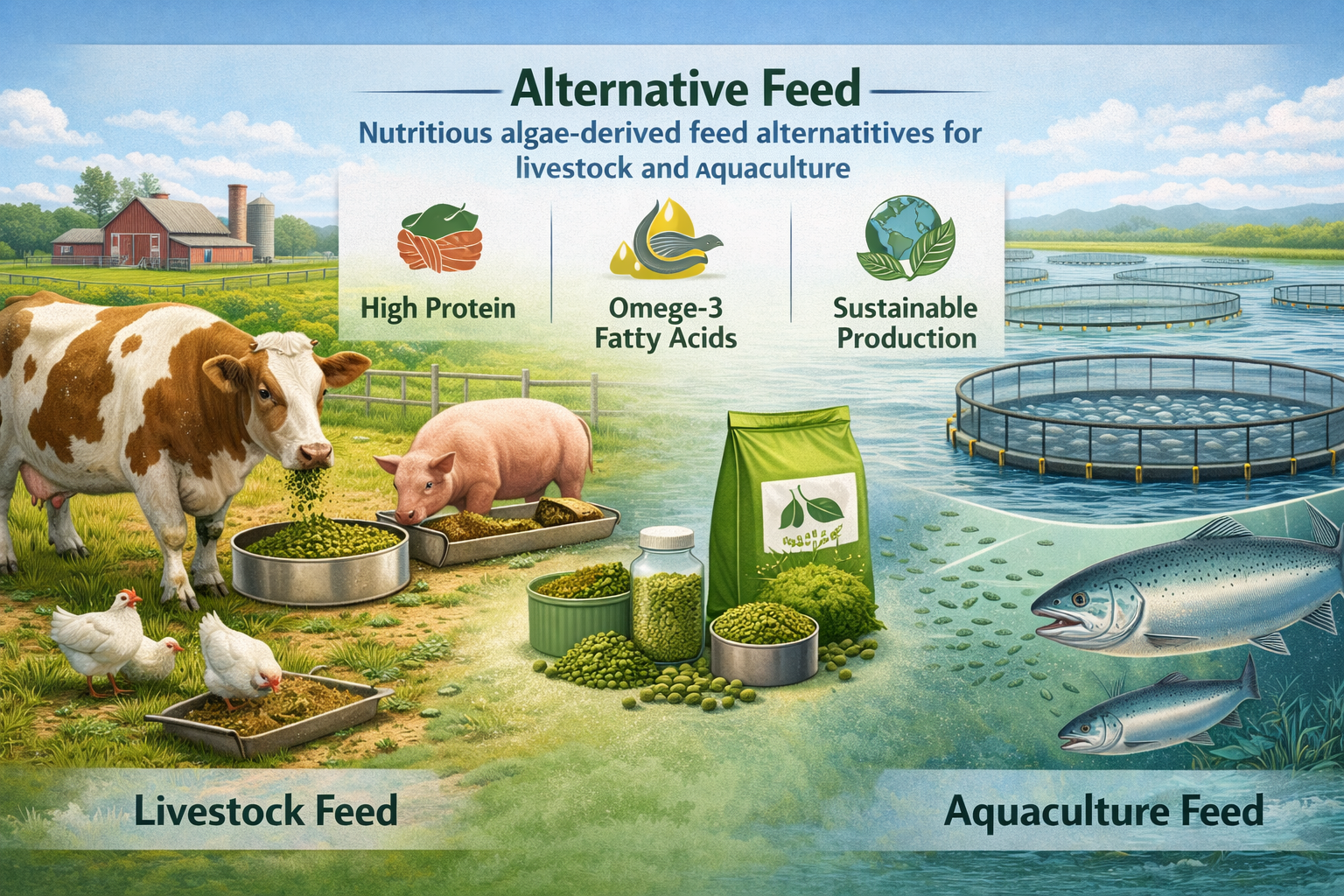
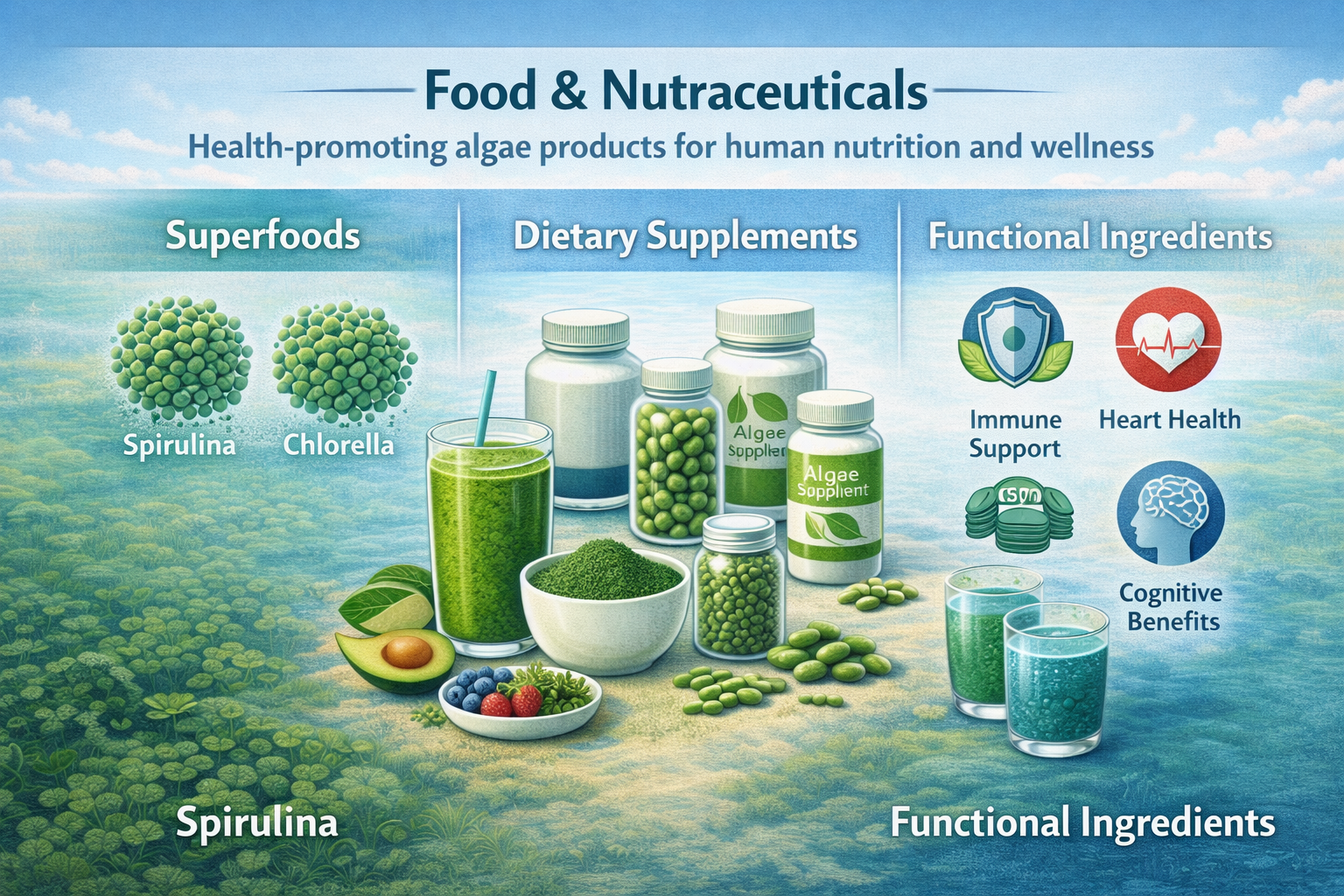
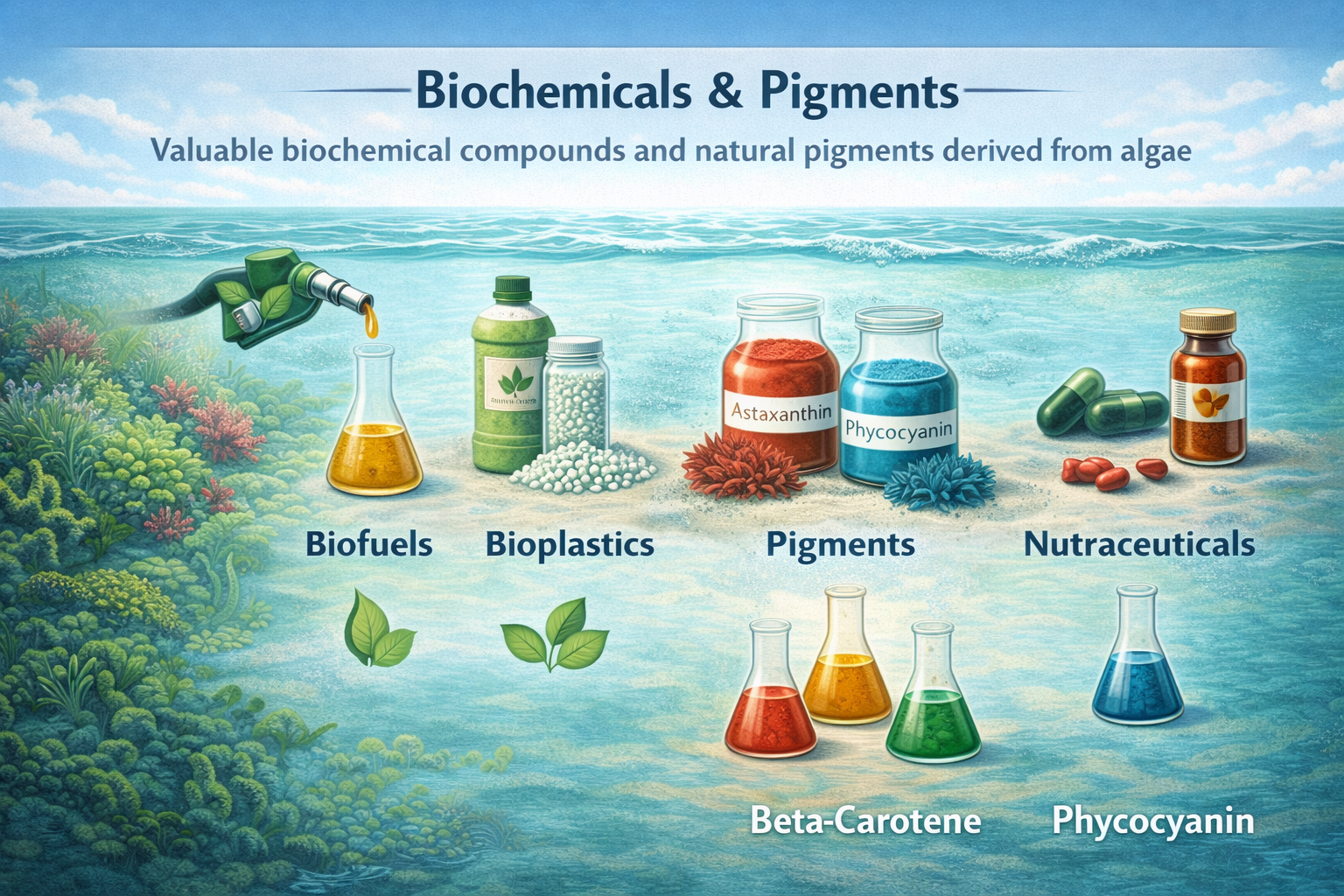
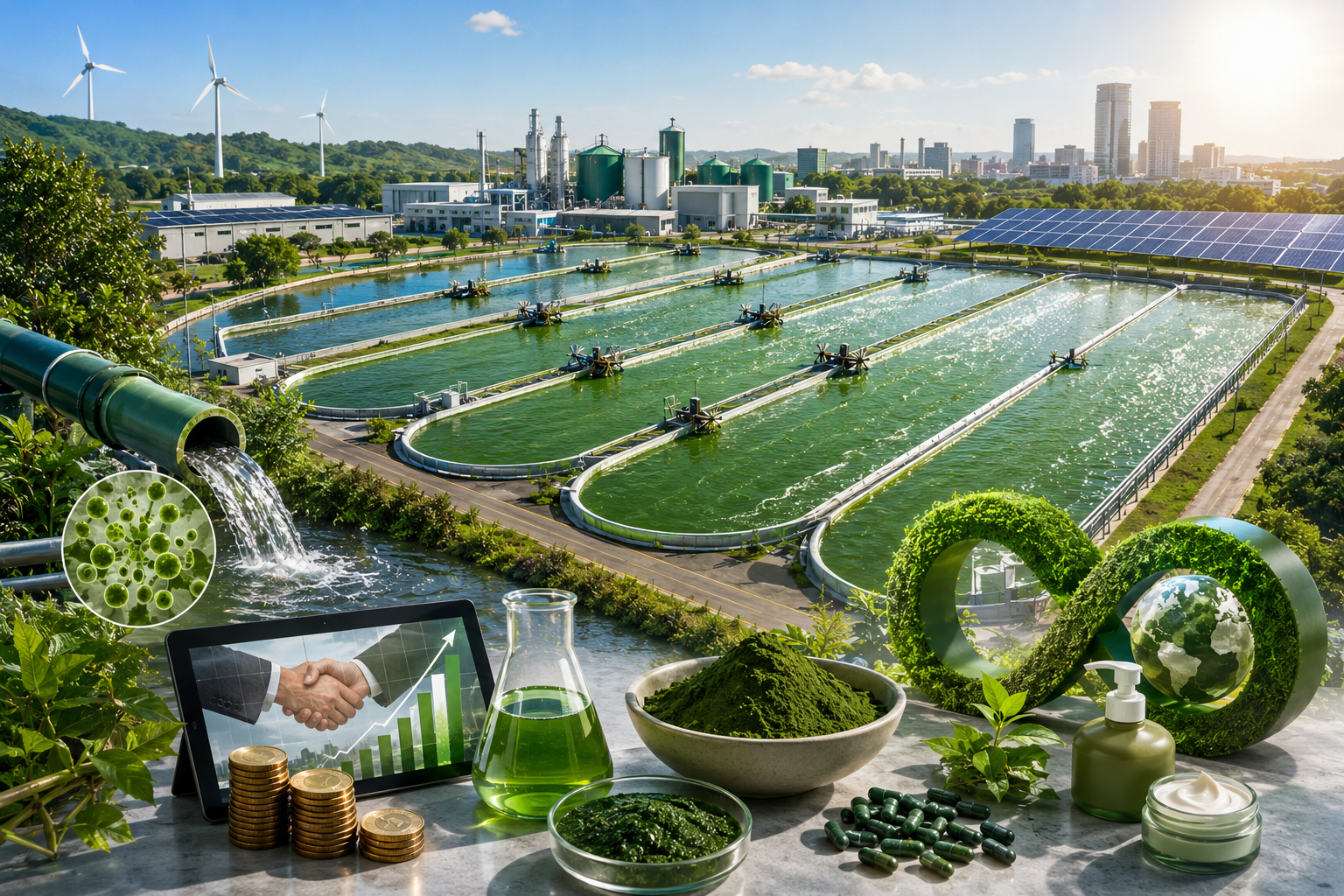
Finally, the combination of carbon credits, sustainability incentives, and resource recovery can transform HRAP facilities from cost centers into diversified environmental businesses. Besides treatment fees, projects may generate recurring income from reclaimed water, algal biomass, biofertilizers, renewable energy, and environmental reporting services. Studies on HRAP economics repeatedly emphasize that profitability improves substantially when systems are integrated into broader circular-economy models rather than operating only as standalone treatment plants. As global climate regulations tighten and carbon pricing expands, sustainability-linked revenue streams are likely to become increasingly important for the commercial success of HRAP wastewater treatment companies.