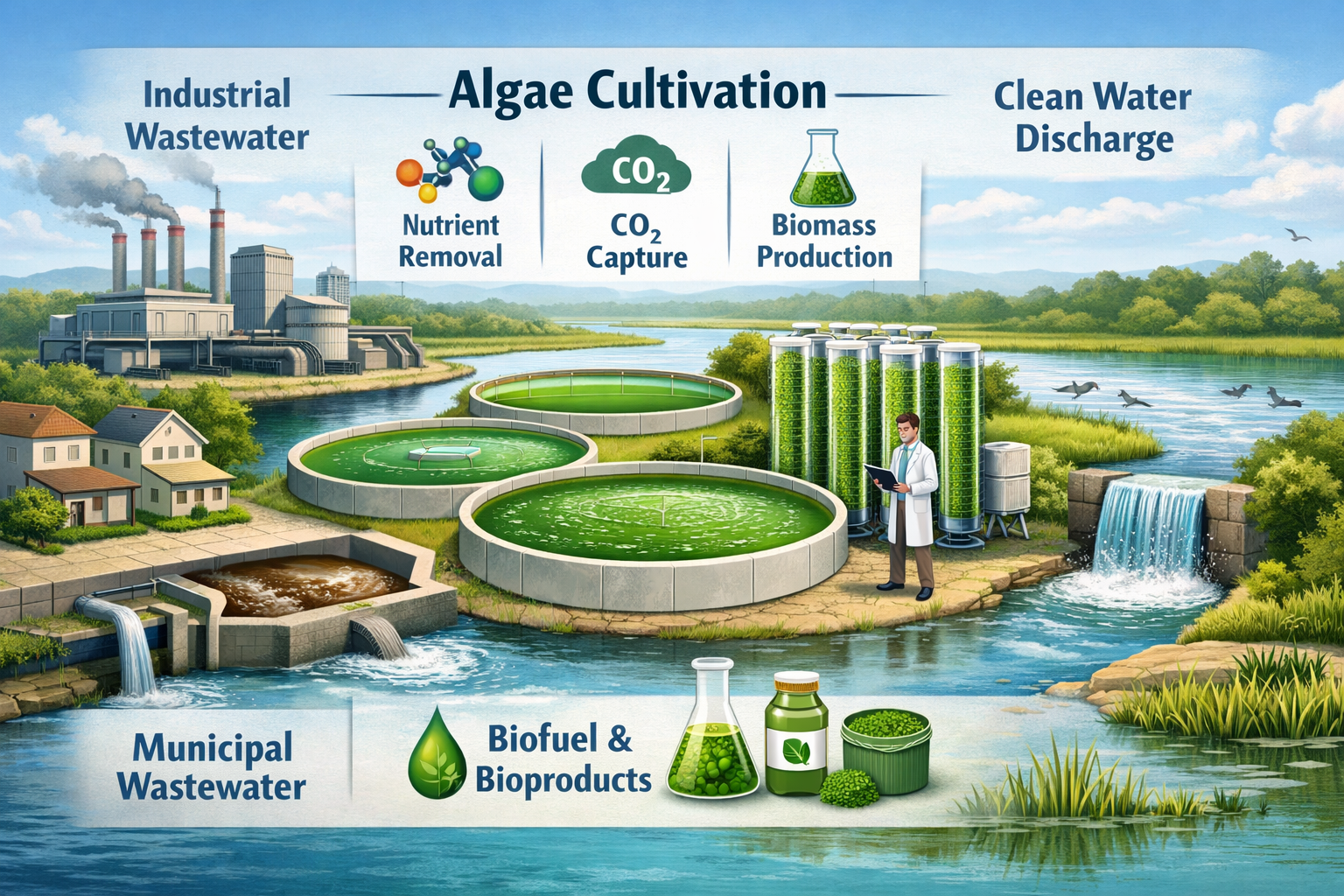
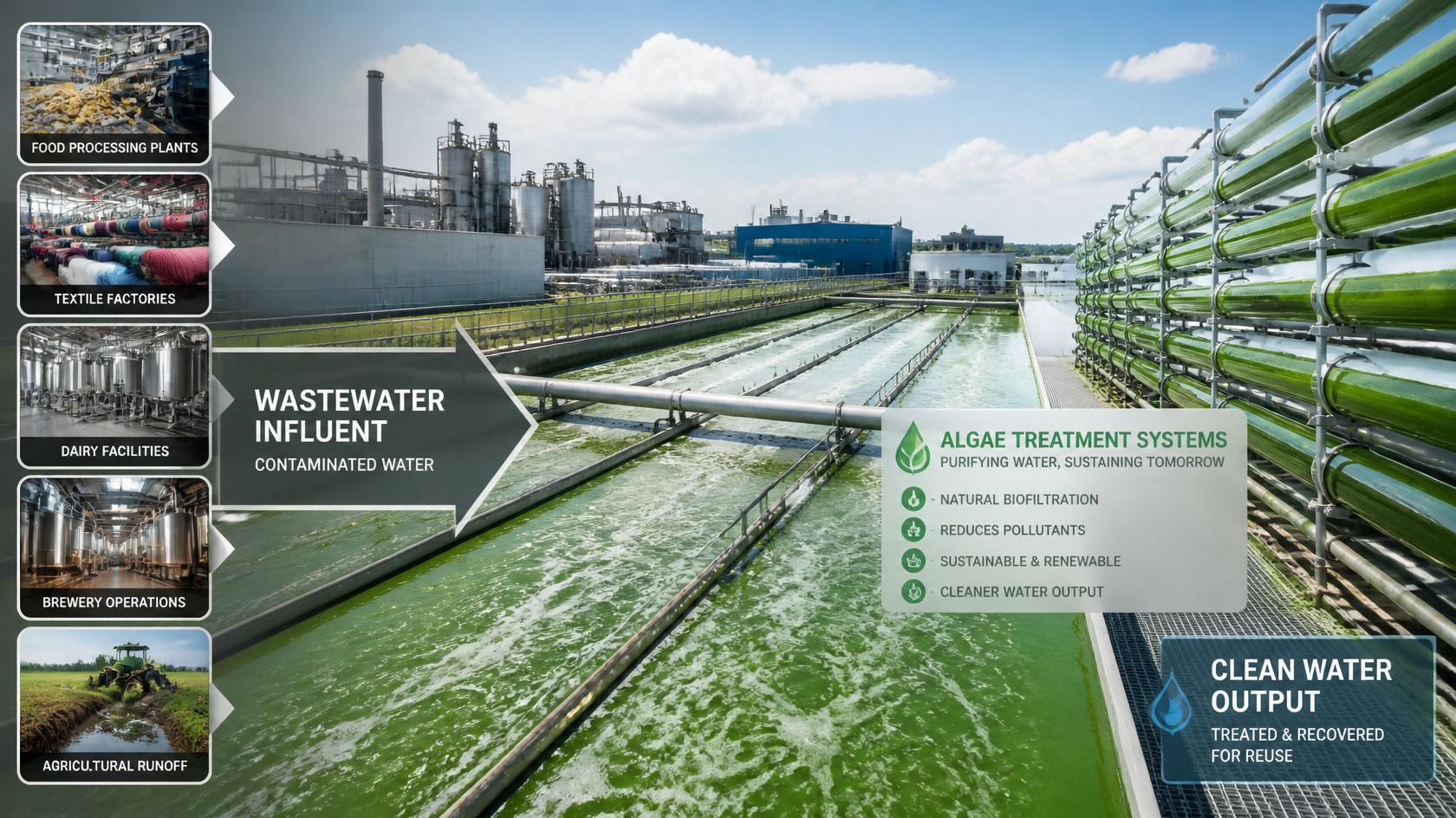
The amount of land required to build a profitable High Rate Algal Pond (HRAP) wastewater treatment facility depends on wastewater volume, climate, treatment standards, and whether the project also sells algae biomass, biofertilizer, or biogas. Globally, HRAP systems generally require more land than conventional activated sludge plants but significantly lower operating energy and chemical costs. According to wastewater treatment studies, HRAPs typically need about 3–5 square meters per person equivalent (m²/PE), making them especially suitable for small towns, industrial parks, campuses, and peri-urban communities with available land.
For municipal wastewater treatment, a practical commercial HRAP facility treating 1 million liters per day (1 MLD) usually requires around 0.5–1.5 hectares of land depending on sunlight availability and hydraulic retention time. In warm regions such as India, Australia, North Africa, and parts of Latin America, land requirements are lower because algae productivity is higher under strong solar radiation. Research from New Zealand and Australia has shown that HRAP systems can achieve algal productivities between 16–45 g/m²/day while simultaneously removing nitrogen, phosphorus, and organic pollutants from wastewater.
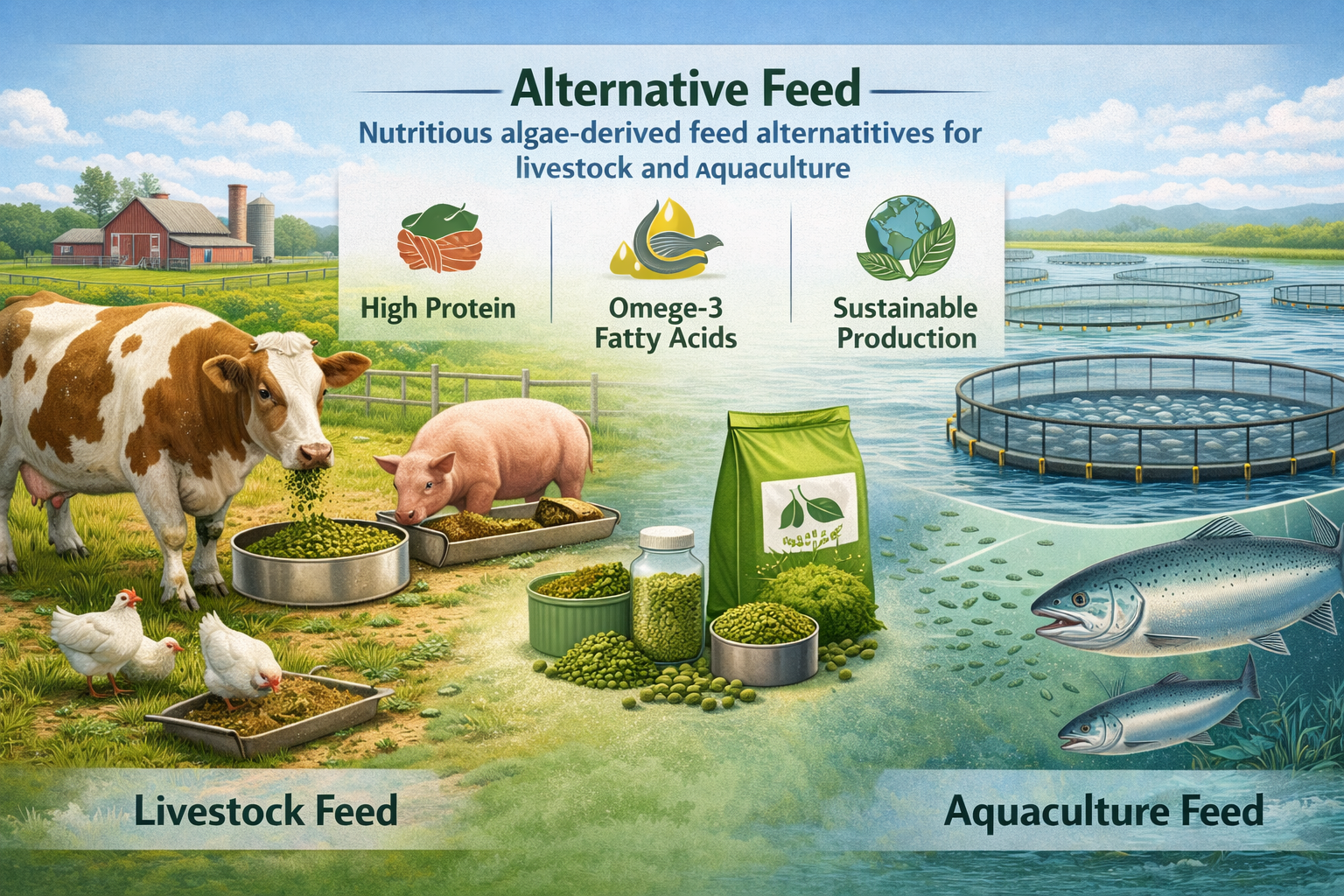
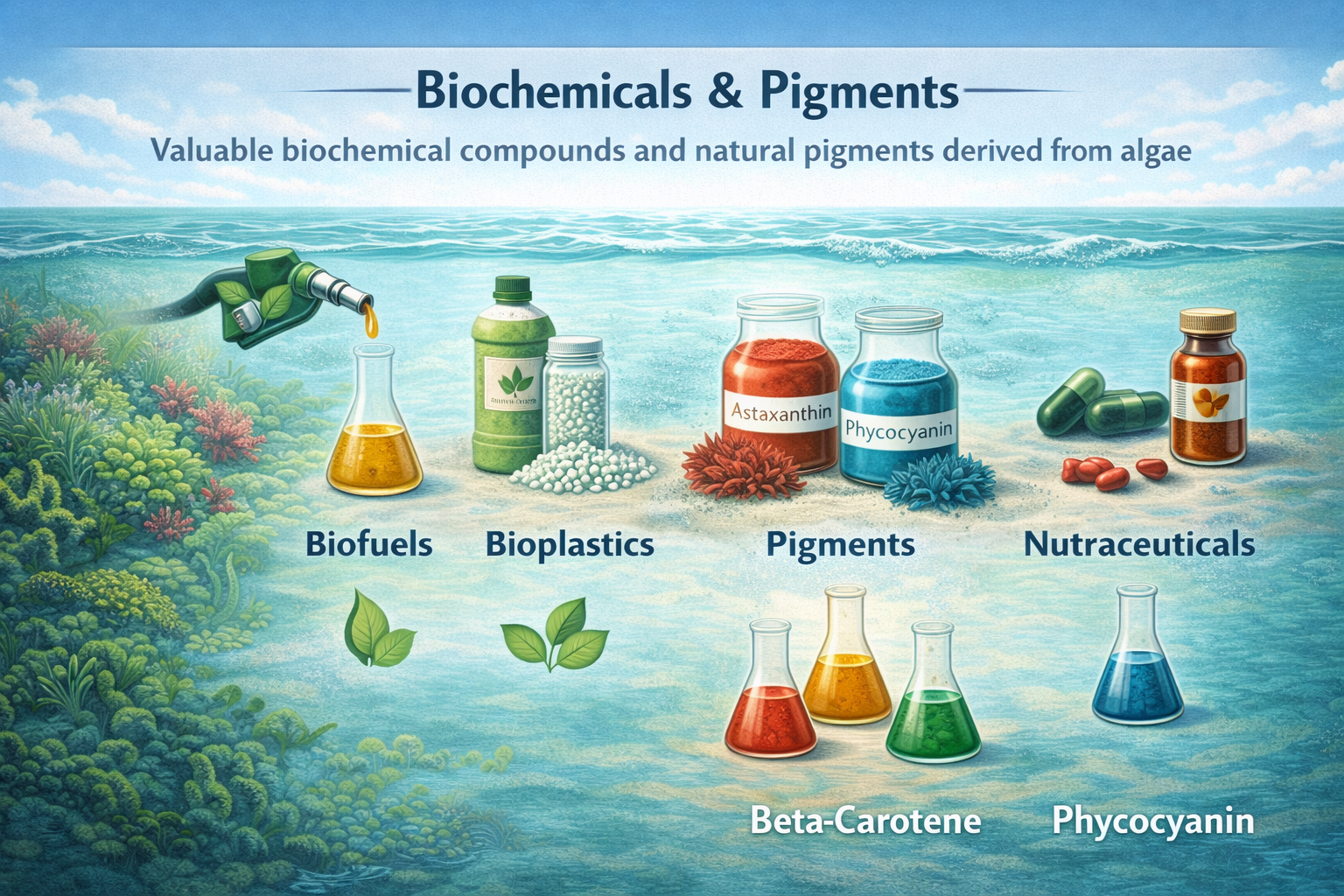
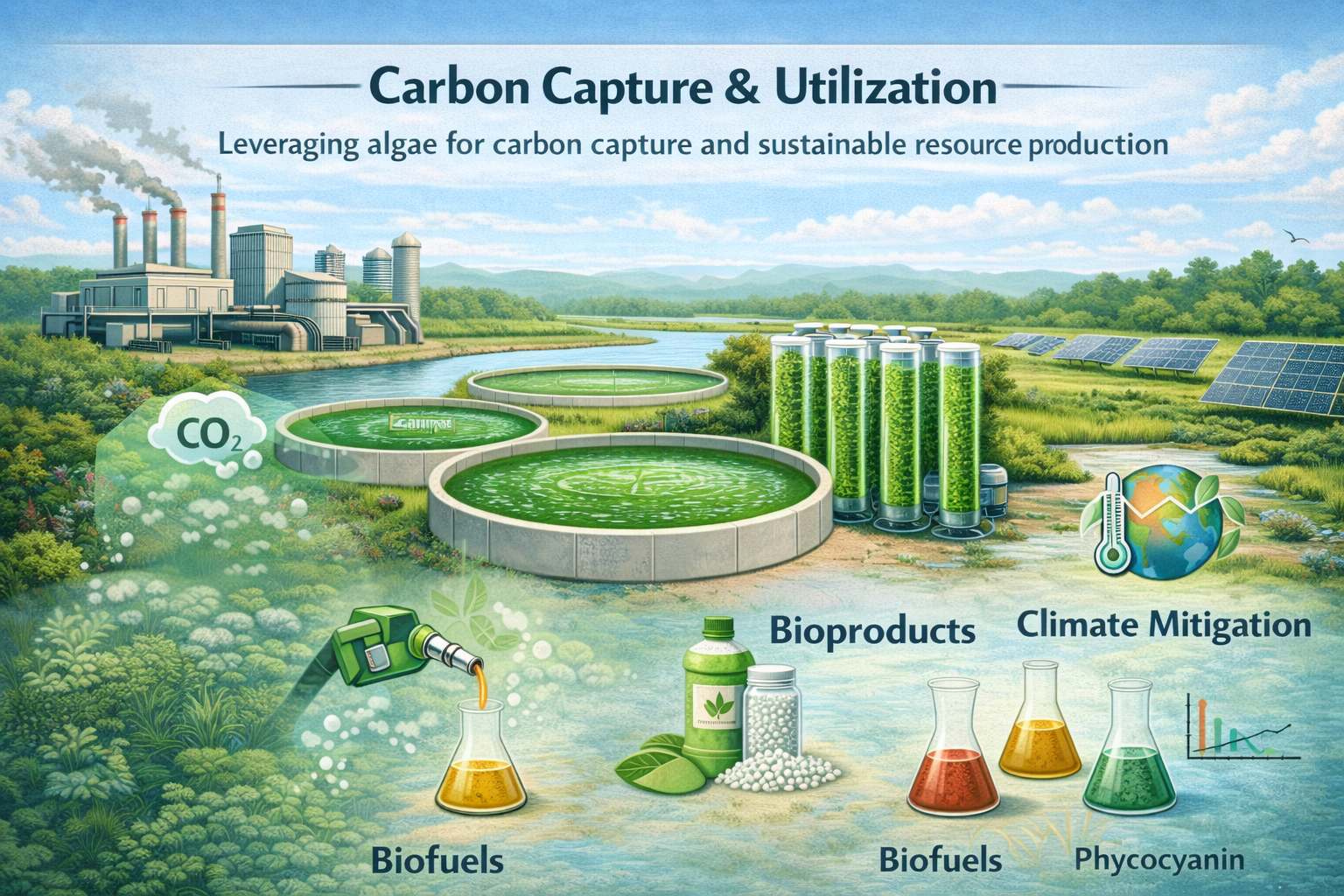
Profitability improves when the HRAP facility combines wastewater treatment with resource recovery. Wastewater-grown algae biomass can be converted into biofertilizer, biogas, animal feed additives, or carbon-capture products. Studies show that biomass productivity in HRAPs can reach around 30 tons per hectare annually under moderate climates, while warmer climates can exceed this level. Economic assessments also indicate that HRAP systems become more financially attractive when algae biomass is valorized instead of treated as waste. This integrated “waste-to-value” approach is becoming increasingly important in circular economy projects worldwide.
Land economics are one of the most important factors affecting profitability. In high-cost urban areas, HRAPs may struggle economically because large pond systems require substantial space. However, in regions where land is cheaper and sunlight is abundant, HRAP facilities can outperform conventional wastewater systems due to lower electricity consumption and reduced aeration requirements. Compared with activated sludge plants, HRAPs consume significantly less energy because algae naturally produce oxygen through photosynthesis, reducing mechanical aeration costs. This makes HRAPs especially attractive in developing countries and water-stressed regions pursuing low-carbon infrastructure.
Globally, the most commercially viable HRAP wastewater projects are expected to emerge in industrial zones, food-processing hubs, agricultural regions, and decentralized municipal systems where land is available and wastewater nutrients can support algae growth. A profitable medium-scale facility generally requires at least 1–5 hectares depending on treatment capacity and business model. Future profitability will increasingly depend on integrating carbon credits, nutrient recovery, bioenergy generation, and wastewater reuse into the HRAP system. As governments tighten wastewater and carbon regulations, algae-based HRAP facilities are becoming a promising low-cost and sustainable infrastructure solution worldwide.