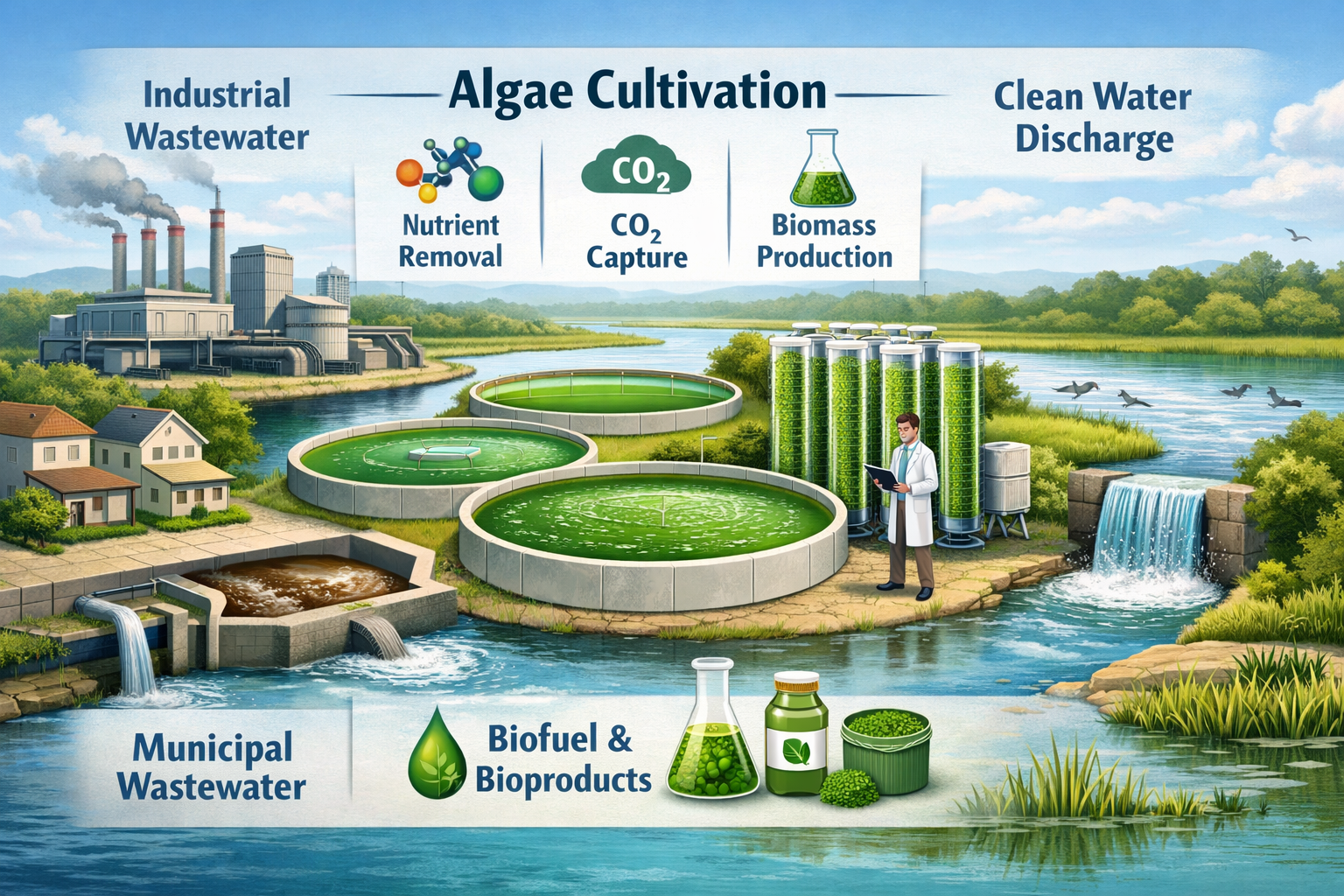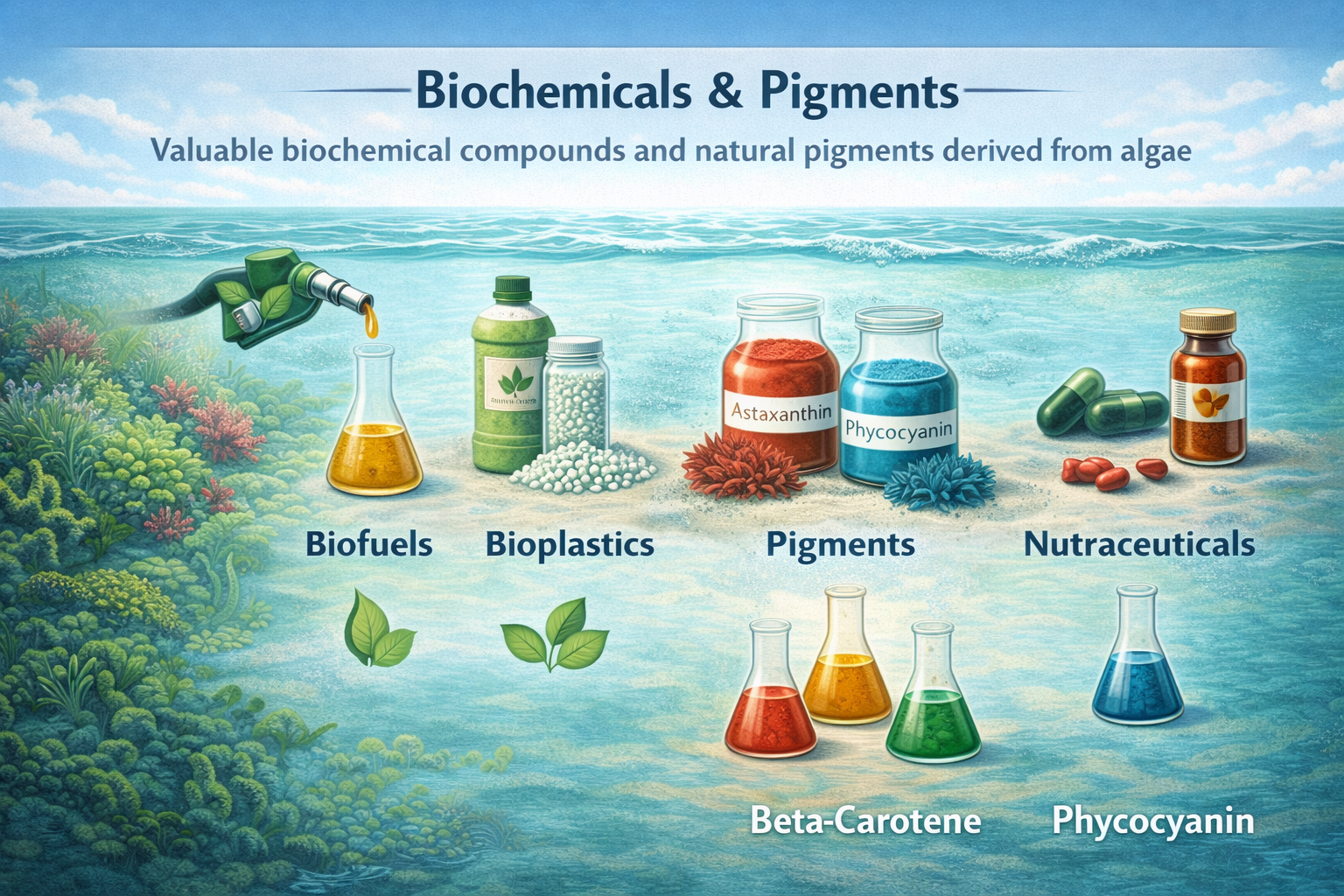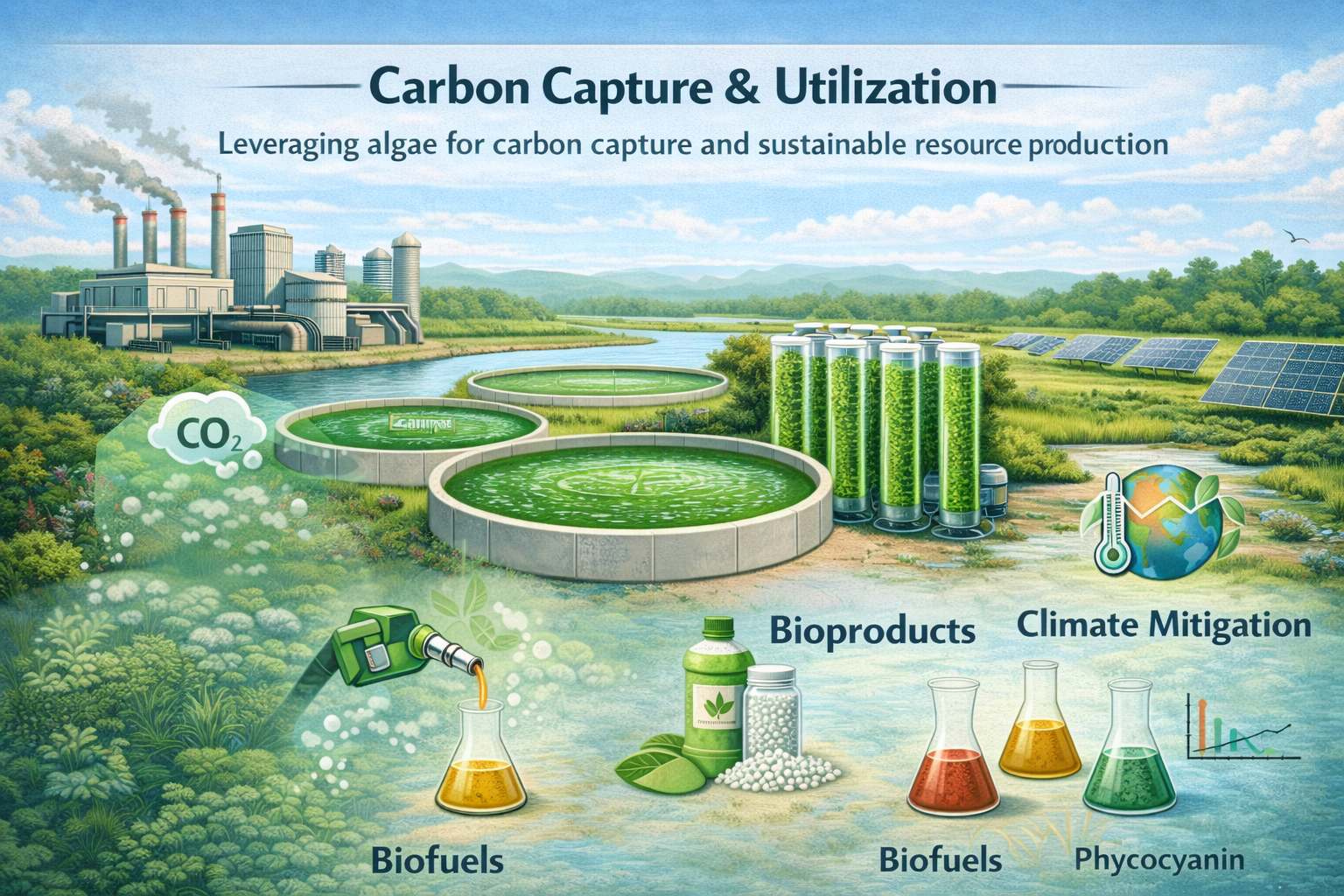
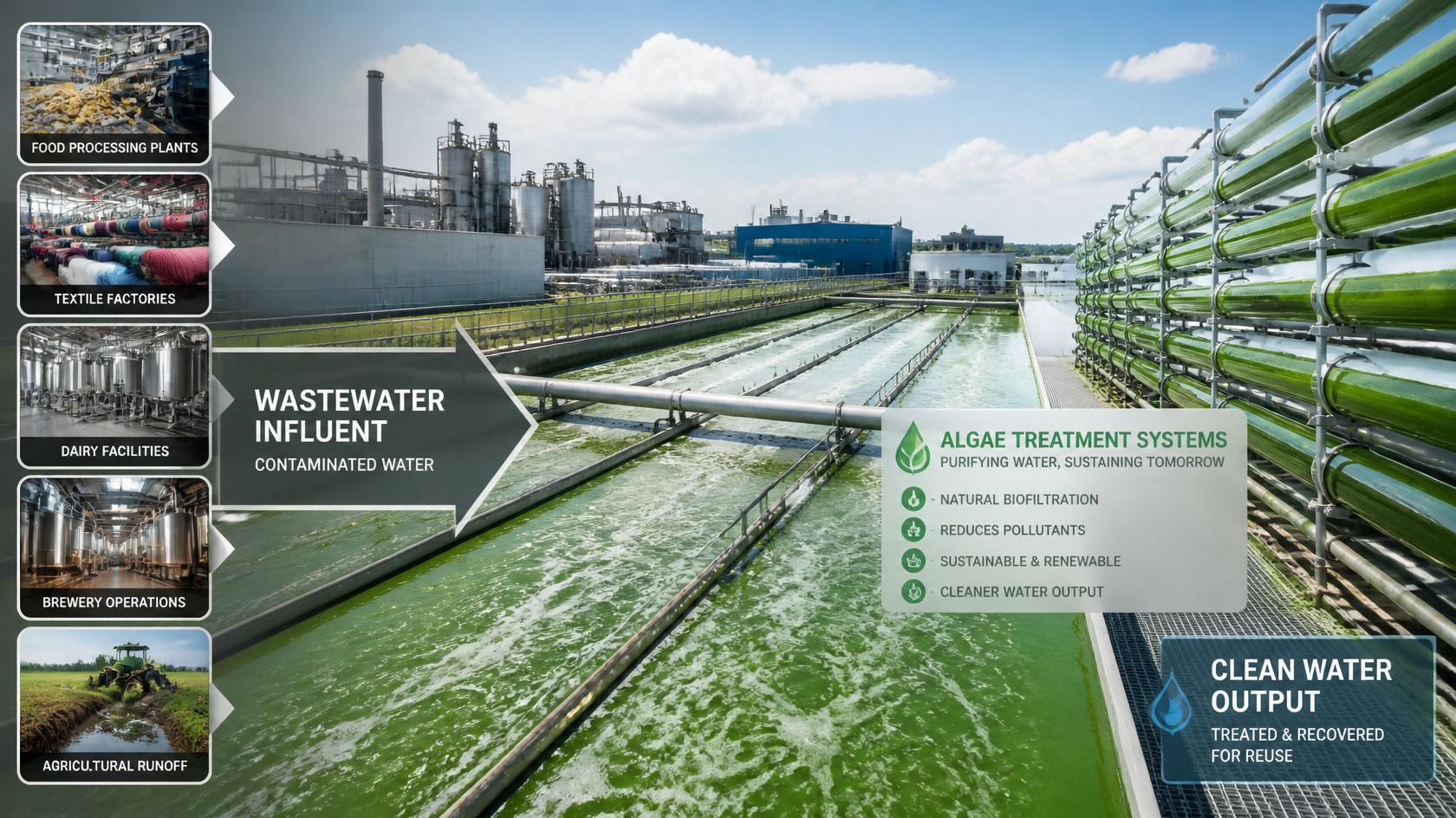
High-Rate Algal Pond (HRAP) wastewater treatment companies can generate recurring revenue by moving beyond a simple “treatment plant” model and operating as resource recovery and environmental service businesses. HRAP systems are attractive because they simultaneously produce treated water and algal biomass. Research on HRAPs highlights that the biomass can be converted into biofertilizers, biostimulants, biogas, pigments, and bioplastics, creating multiple monetization channels alongside wastewater treatment fees. This allows companies to build predictable long-term income from both utility contracts and by-product sales.
The most stable revenue source is usually long-term wastewater treatment contracts with municipalities, industries, farms, and decentralized communities. HRAPs are already considered suitable for urban wastewater, dairy farms, piggery waste, and industrial effluents, particularly in warm climates. Instead of one-time installation income, companies can charge recurring monthly or annual fees for operations, maintenance, monitoring, sludge management, and nutrient-removal compliance. This model resembles the “water-as-a-service” structure increasingly used in global wastewater infrastructure projects.
A second recurring revenue stream comes from selling treated water for reuse. Global freshwater stress is increasing rapidly, especially in agriculture and industry, making reclaimed water commercially valuable. HRAP-treated water can be reused for irrigation, landscaping, industrial cooling, and non-potable municipal applications. In water-scarce regions such as India, the Middle East, Australia, and parts of Africa, companies can sign recurring supply agreements with industrial parks, agricultural users, or local governments. This transforms wastewater from a disposal problem into a tradable water resource.
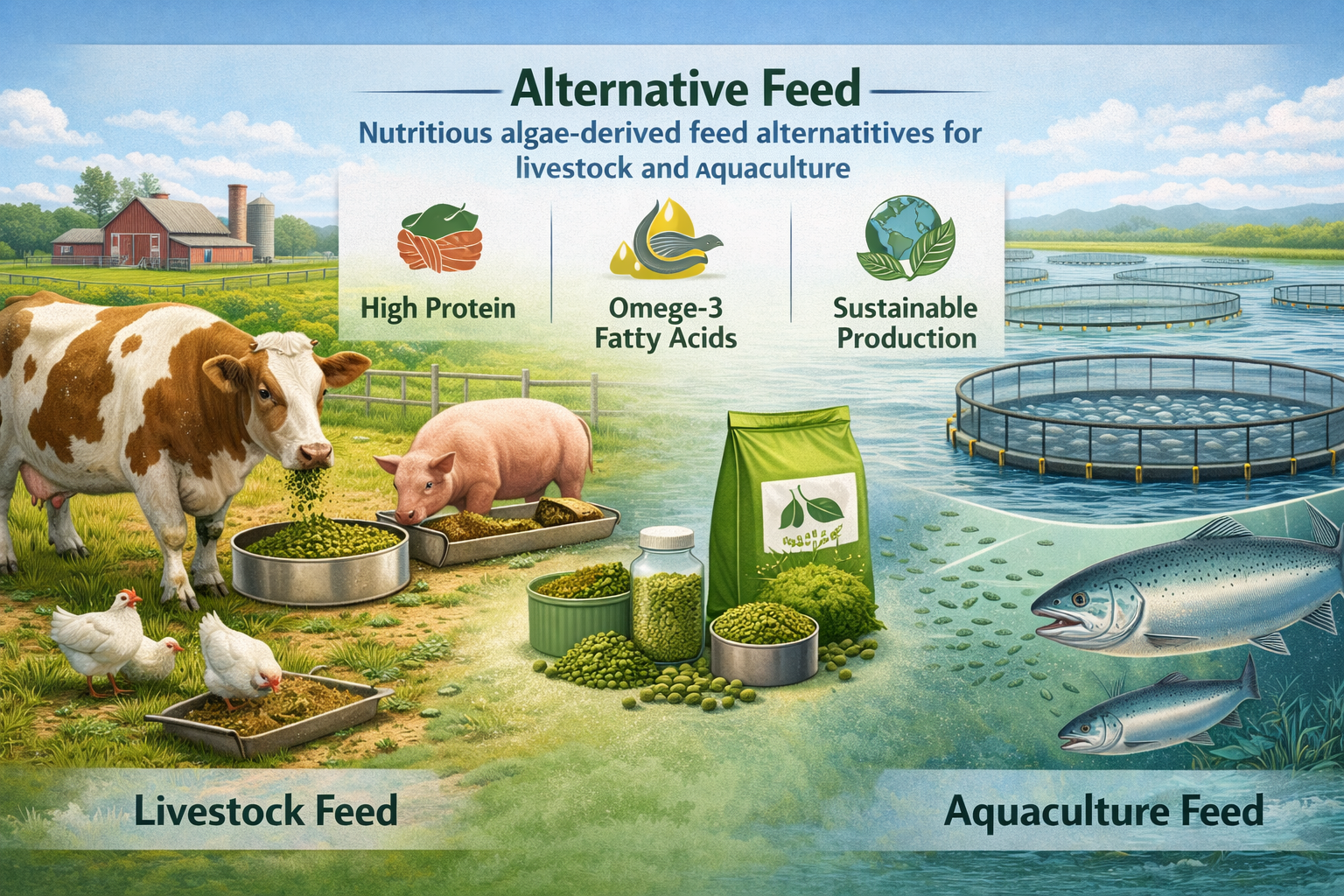
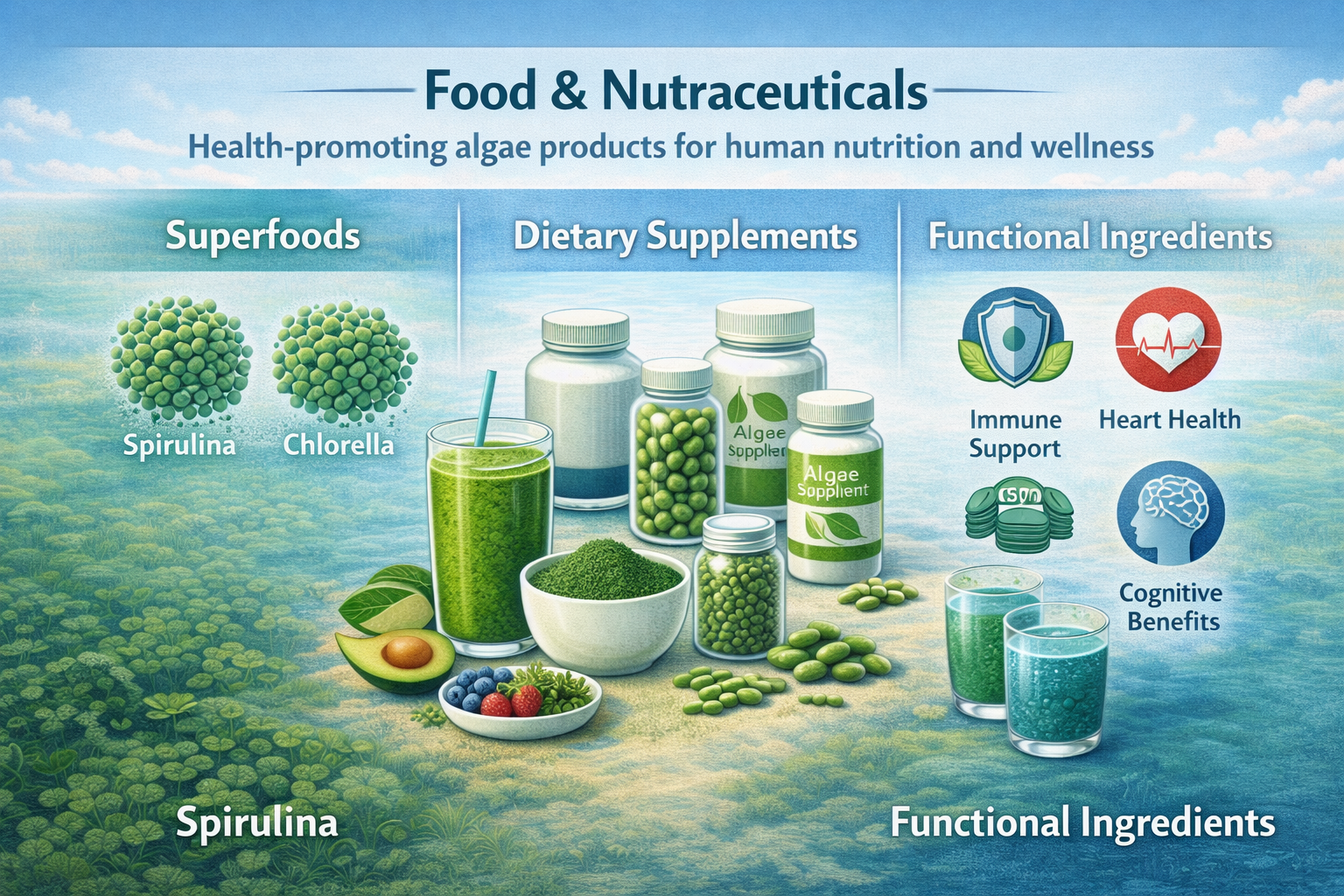
Another major opportunity is the commercialization of algal biomass. HRAP systems continuously generate biomass that can be processed into biofertilizers, soil conditioners, biogas feedstock, animal feed additives, or specialty biochemical products. Studies evaluating HRAP economics show that resource recovery significantly improves project viability, especially when biomass is used for biofertilizer or energy generation. Some pilot projects have already demonstrated hectare-scale HRAP systems integrated with bio-crude oil and methane production. By combining wastewater treatment with biomass sales, companies gain a second layer of recurring cash flow independent of treatment fees alone.
Finally, future recurring revenue is likely to expand through carbon credits, ESG services, and digital monitoring subscriptions. HRAPs consume CO₂ through algal photosynthesis and operate with lower energy requirements than many conventional treatment systems, making them attractive for sustainability reporting. Governments and corporations increasingly require environmental compliance data, nutrient tracking, and emissions reduction metrics. HRAP operators can therefore offer subscription-based monitoring, IoT-enabled water-quality analytics, carbon accounting, and environmental reporting services. As wastewater reuse regulations and climate policies strengthen globally, recurring revenue from compliance and sustainability services may become as important as the treatment process itself.