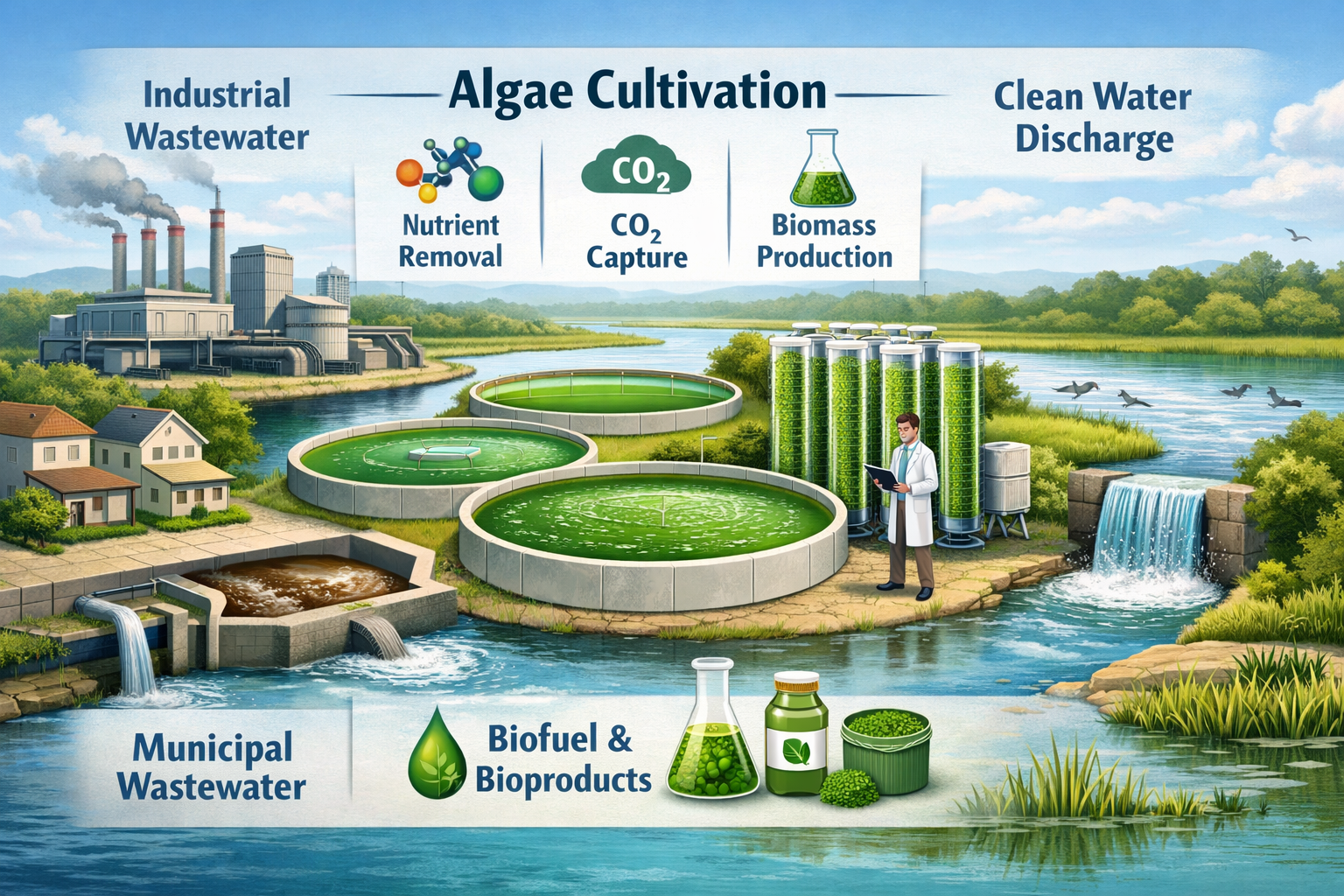
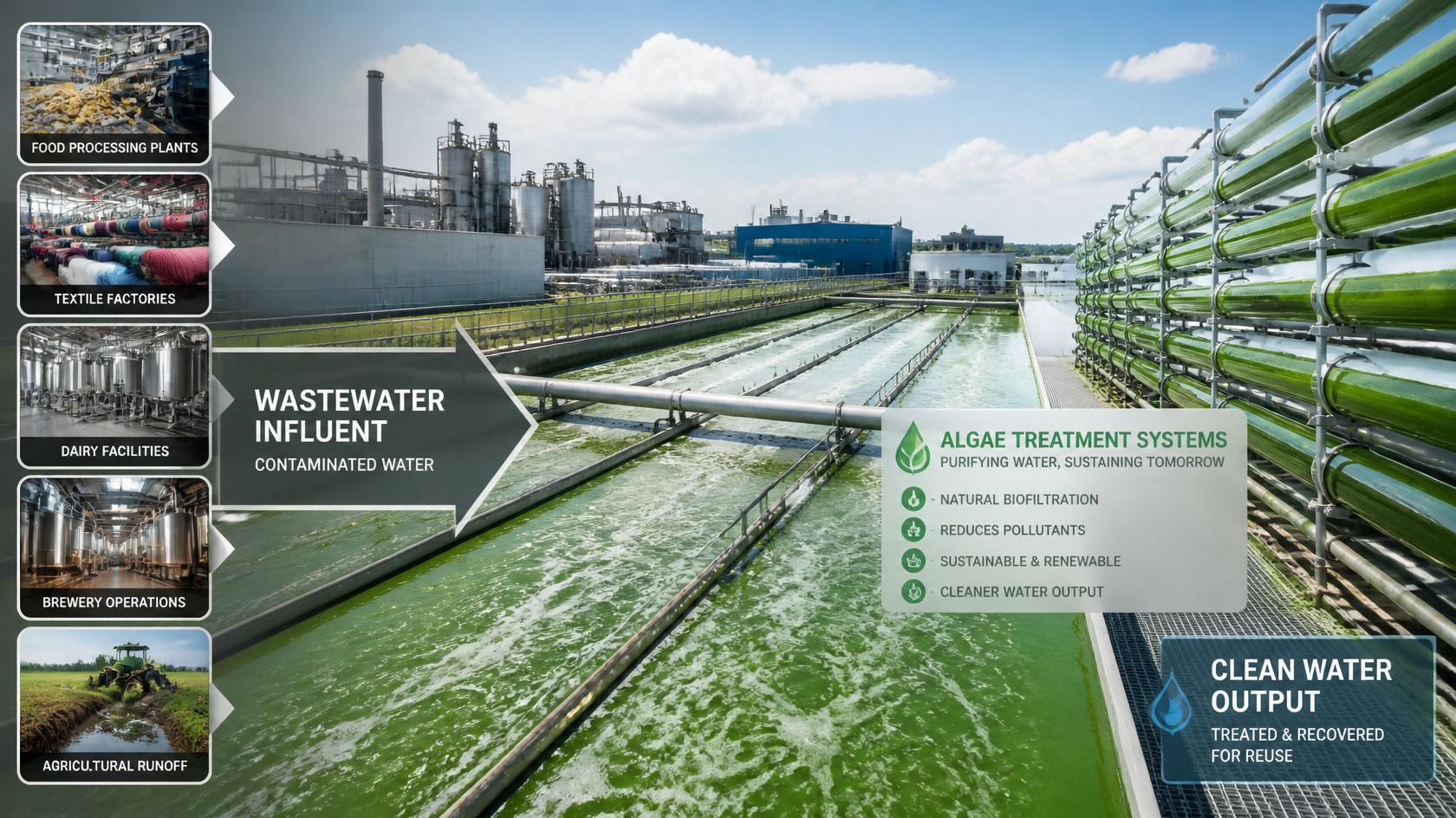
High-Rate Algal Ponds (HRAPs) can be more cost-effective than conventional activated sludge systems, especially for small to medium communities in warm and sunny regions. The main reason is energy consumption. Activated sludge treatment depends heavily on mechanical aeration, pumping, and sludge recycling, while HRAPs use natural photosynthesis from algae to generate oxygen for wastewater treatment. A 2024 wastewater technology review reported that HRAPs consume only about 0.02 kWh/m³, compared with approximately 0.20–0.40 kWh/m³ for activated sludge systems, meaning HRAP energy demand can be nearly 10 times lower.
Several comparative studies also show direct operational cost advantages for HRAP systems. A 2022 economic assessment found that HRAP systems could operate at around €0.18/m³, compared with approximately €0.26/m³ for activated sludge-based sequencing batch reactors (SBRs). The same study concluded that pond-based treatment technologies required only about 22% of the energy consumption of activated sludge systems. Because electricity is one of the largest operating expenses in wastewater treatment plants, this reduction significantly improves long-term economics.
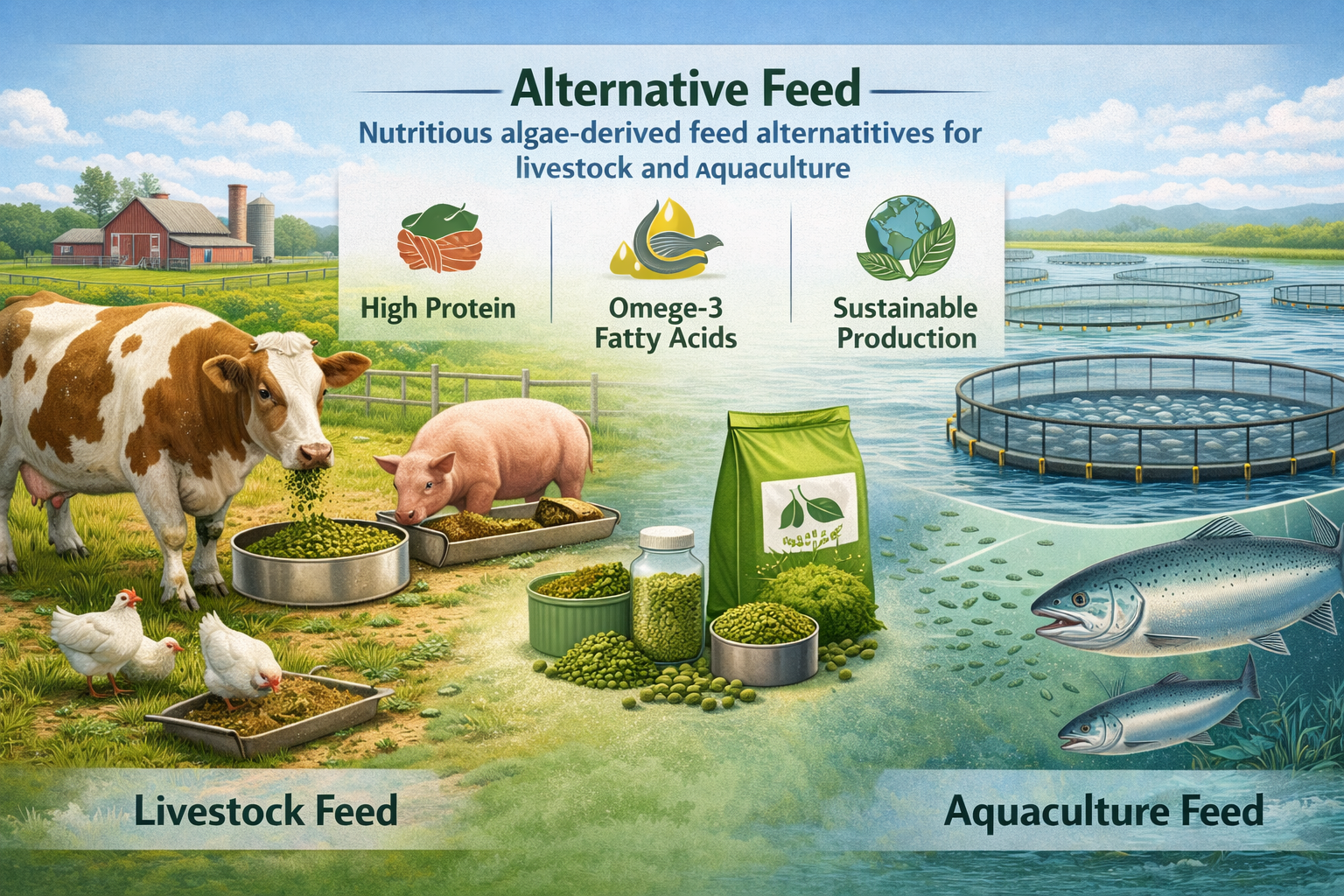
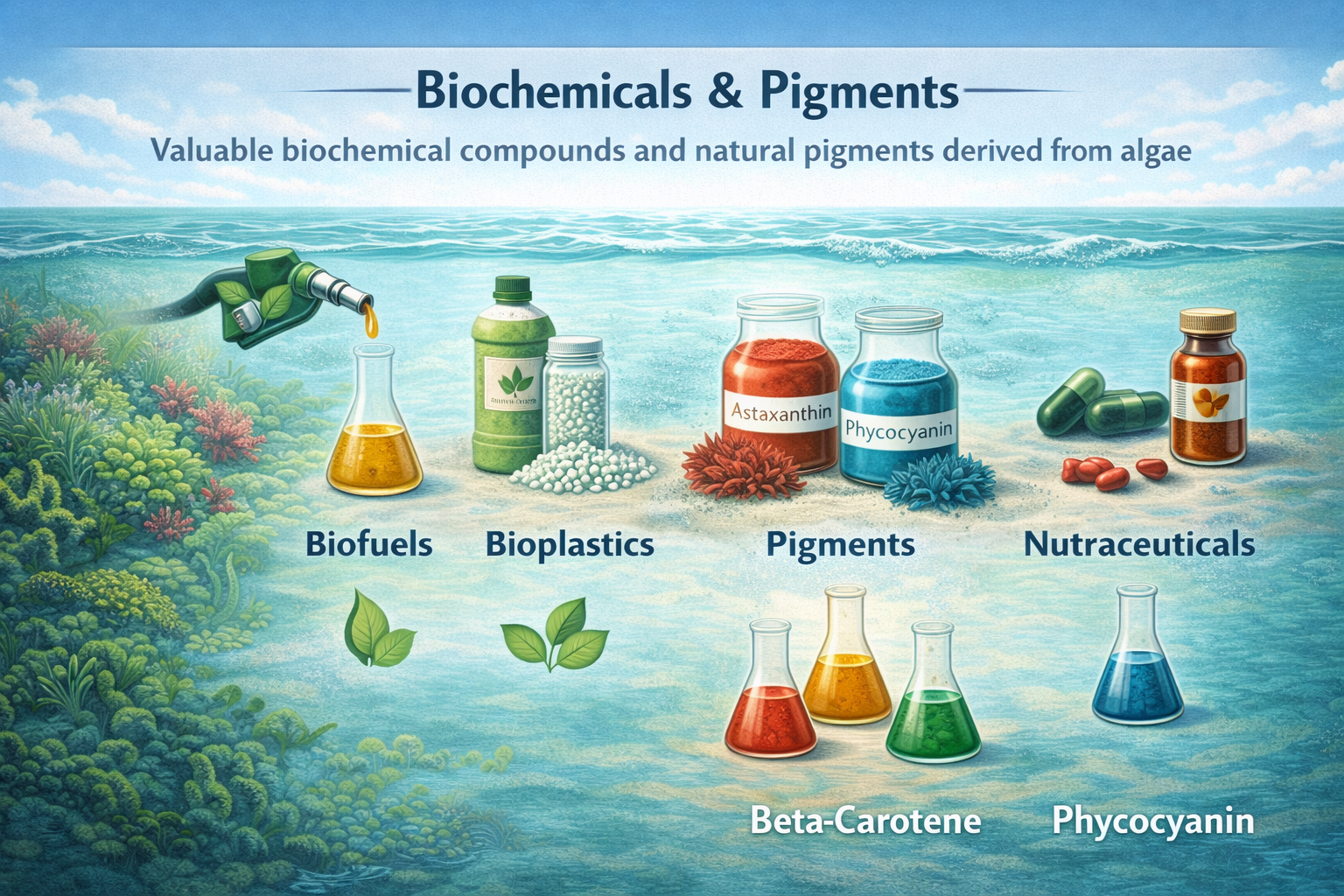
Another economic advantage of HRAPs is reduced sludge management and the possibility of resource recovery. Activated sludge plants generate large volumes of excess sludge that must be treated, transported, and disposed of, which adds substantial cost. HRAP systems instead produce algal biomass that can potentially be reused for biofertilizer, biogas, animal feed, or other bioproducts. Reviews on HRAP economics emphasize that revenue from algal biomass and nutrient recovery can offset part of the treatment cost, improving commercial feasibility.
However, HRAPs are not universally cheaper in every situation. Their major limitation is land requirement. Studies estimate HRAPs may require around 6 m² per inhabitant, compared with roughly 0.6 m² per inhabitant for conventional activated sludge systems. This means activated sludge remains economically attractive in dense urban areas where land is expensive and compact infrastructure is essential. HRAPs also perform best in warm climates with high solar radiation, while colder climates may reduce algae productivity and treatment efficiency.
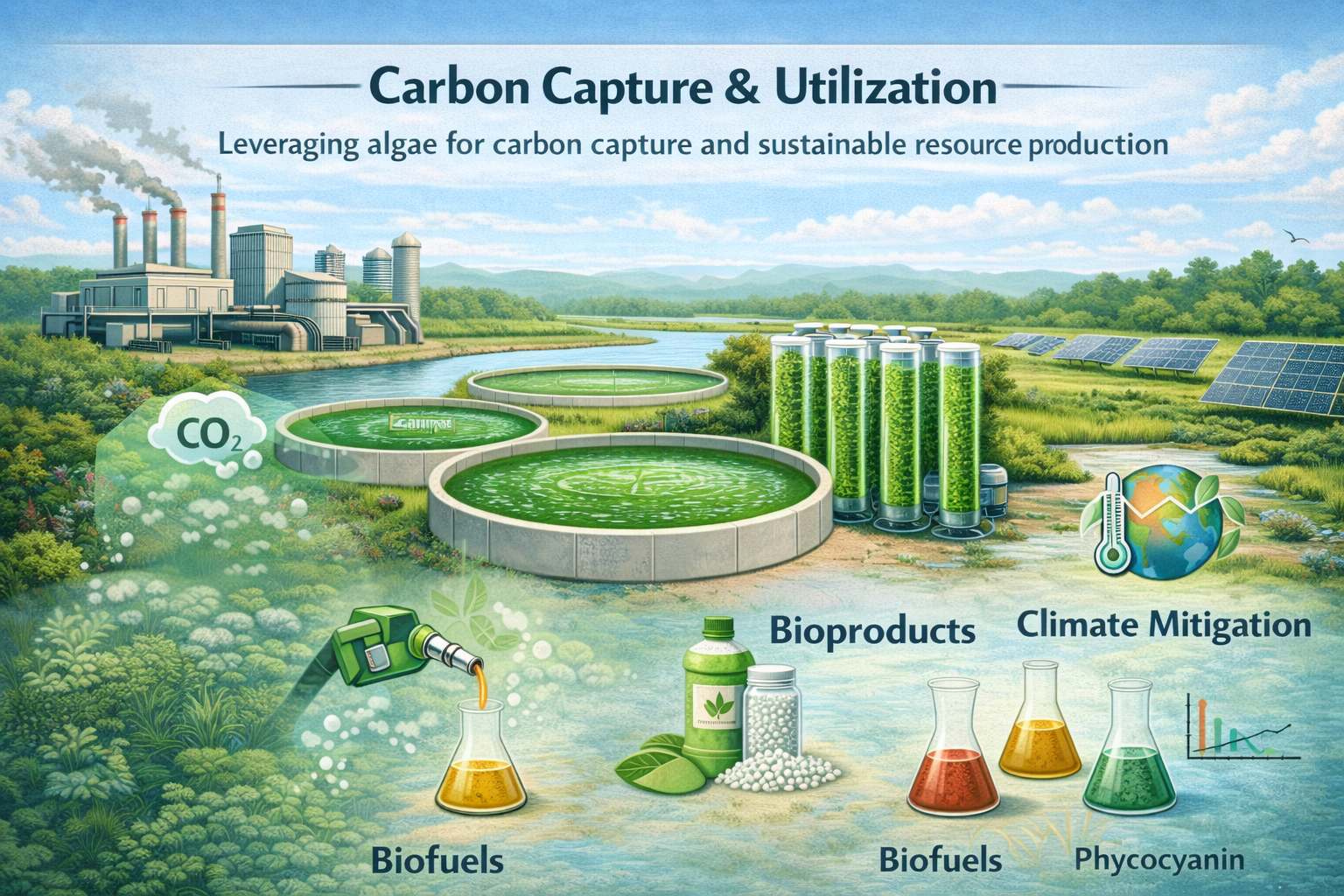
Globally, the strongest economic case for HRAP exists in developing regions, rural communities, industrial wastewater reuse projects, and areas with abundant sunlight and lower land costs. Research from New Zealand, Spain, Australia, and other countries consistently describes HRAPs as a “low-energy” and “cost-competitive” alternative for wastewater treatment. In addition, HRAP systems can provide environmental benefits such as lower greenhouse-gas emissions and carbon capture through algal growth. Therefore, while activated sludge remains dominant for large urban treatment plants, HRAPs are increasingly viewed worldwide as a more sustainable and potentially lower-cost solution under the right geographic and operational conditions.