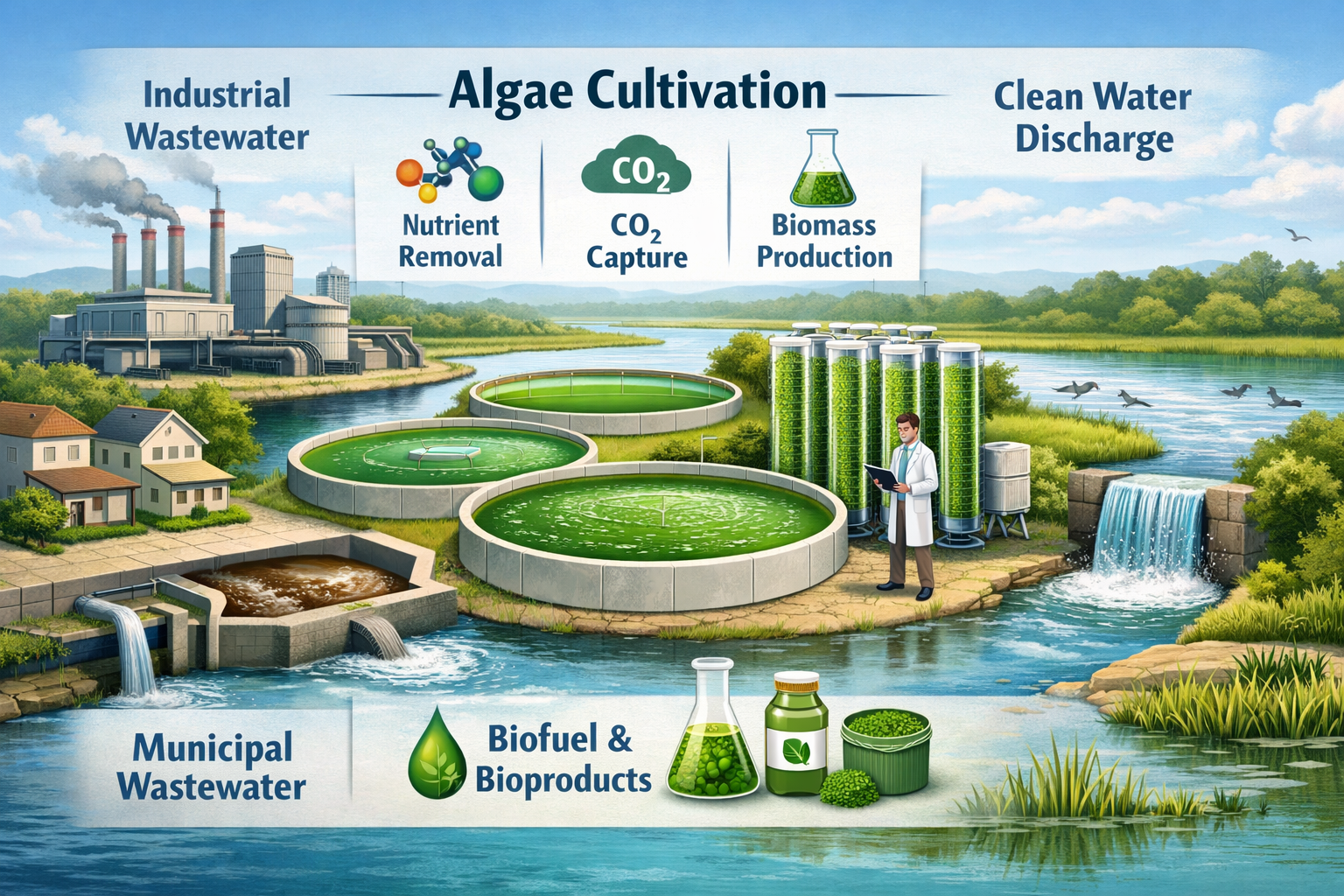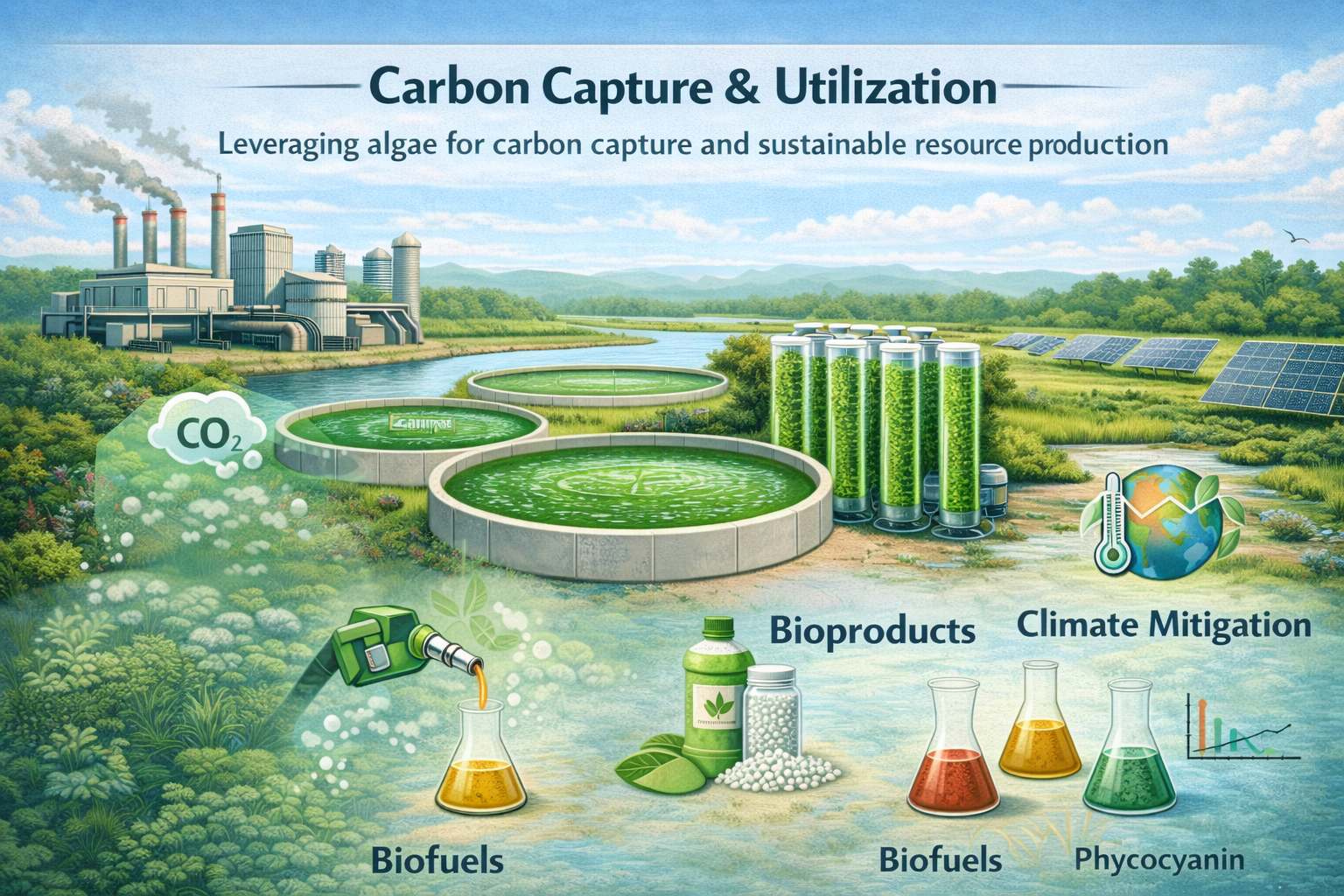
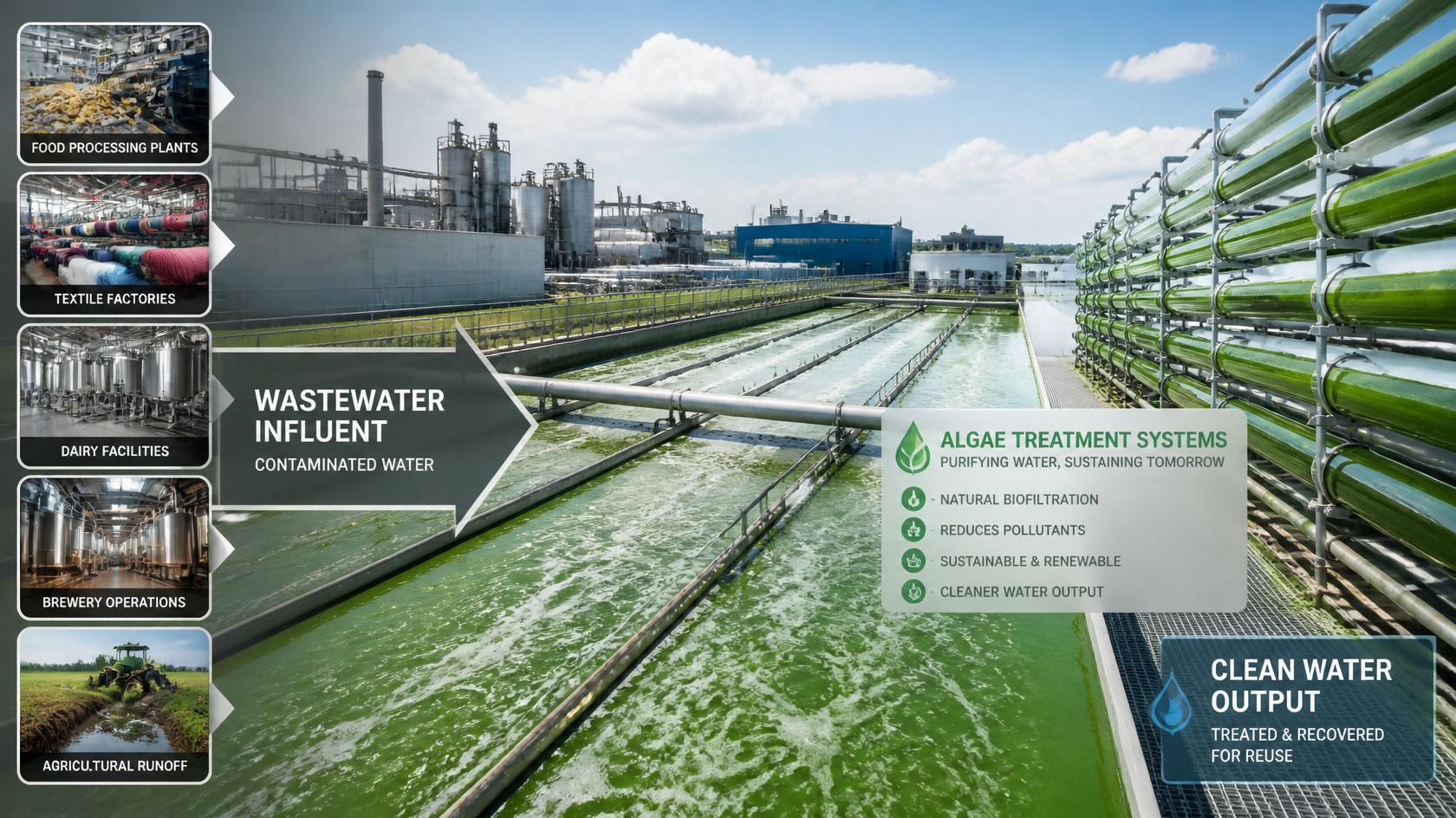
High-Rate Algal Pond (HRAP) facilities are considered one of the lowest-energy biological treatment systems for wastewater treatment and algae-based carbon capture. Their operational and maintenance (O&M) costs are generally lower than conventional activated sludge plants because HRAPs rely mainly on sunlight, natural photosynthesis, and shallow raceway ponds instead of energy-intensive aeration systems. Studies from Europe, Australia, and Asia show that HRAP systems can significantly reduce electricity consumption while simultaneously producing algal biomass that may generate additional revenue through biofertilizers, biogas, or bioproducts.
The largest operational cost in an HRAP facility is usually energy for paddlewheel mixing and water circulation. Unlike conventional wastewater plants where aeration can represent 50–60% of energy use, HRAPs mainly consume electricity for mixing, pumping, and biomass harvesting. Literature reviews indicate that HRAP systems are categorized as “low-energy wastewater treatment” technologies because they avoid continuous mechanical aeration. However, energy demand can increase if CO2 injection, advanced harvesting, or artificial lighting is used.
Maintenance costs are mainly associated with pond cleaning, paddlewheel maintenance, liner repair, biomass harvesting equipment, and monitoring water quality parameters such as pH, dissolved oxygen, nitrogen, and phosphorus. Since HRAPs are open systems, operators must also manage contamination, evaporation losses, seasonal productivity changes, and sludge accumulation. Research from outdoor HRAP operations found that biomass productivity can vary by more than 48% between summer and winter, meaning seasonal management becomes an important operational factor globally.
Land requirement is another major economic factor. HRAPs require much larger surface areas than compact conventional treatment systems because the ponds are shallow, typically 0.1–0.4 meters deep. In regions where land prices are high, such as urban Europe or East Asia, land acquisition and site preparation can substantially increase total project cost. However, in rural or industrial zones with lower land costs, HRAP facilities become economically attractive due to their lower mechanical complexity and reduced maintenance requirements. Several studies highlight that shorter hydraulic retention times improve economic performance by lowering both operational and maintenance expenses.
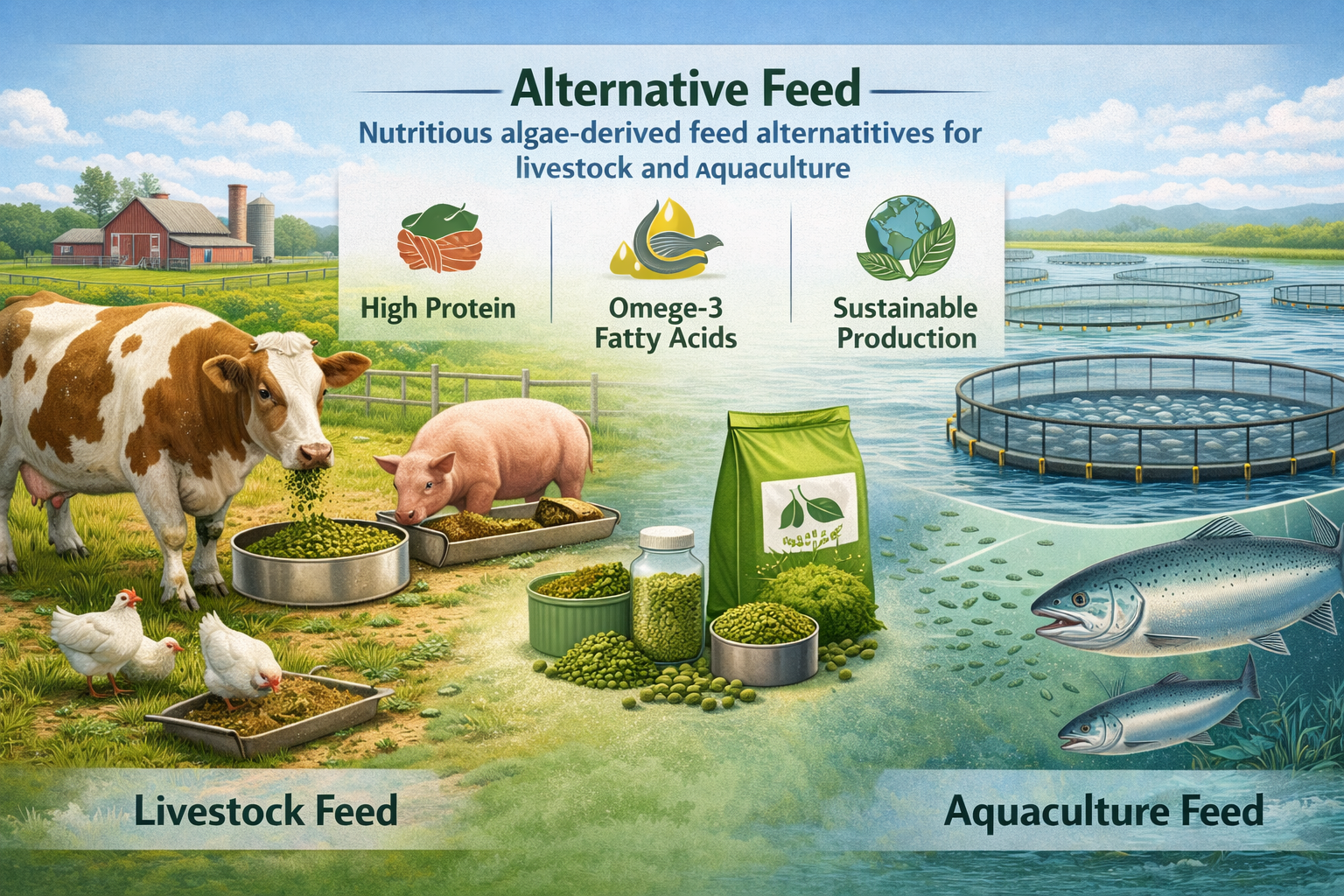
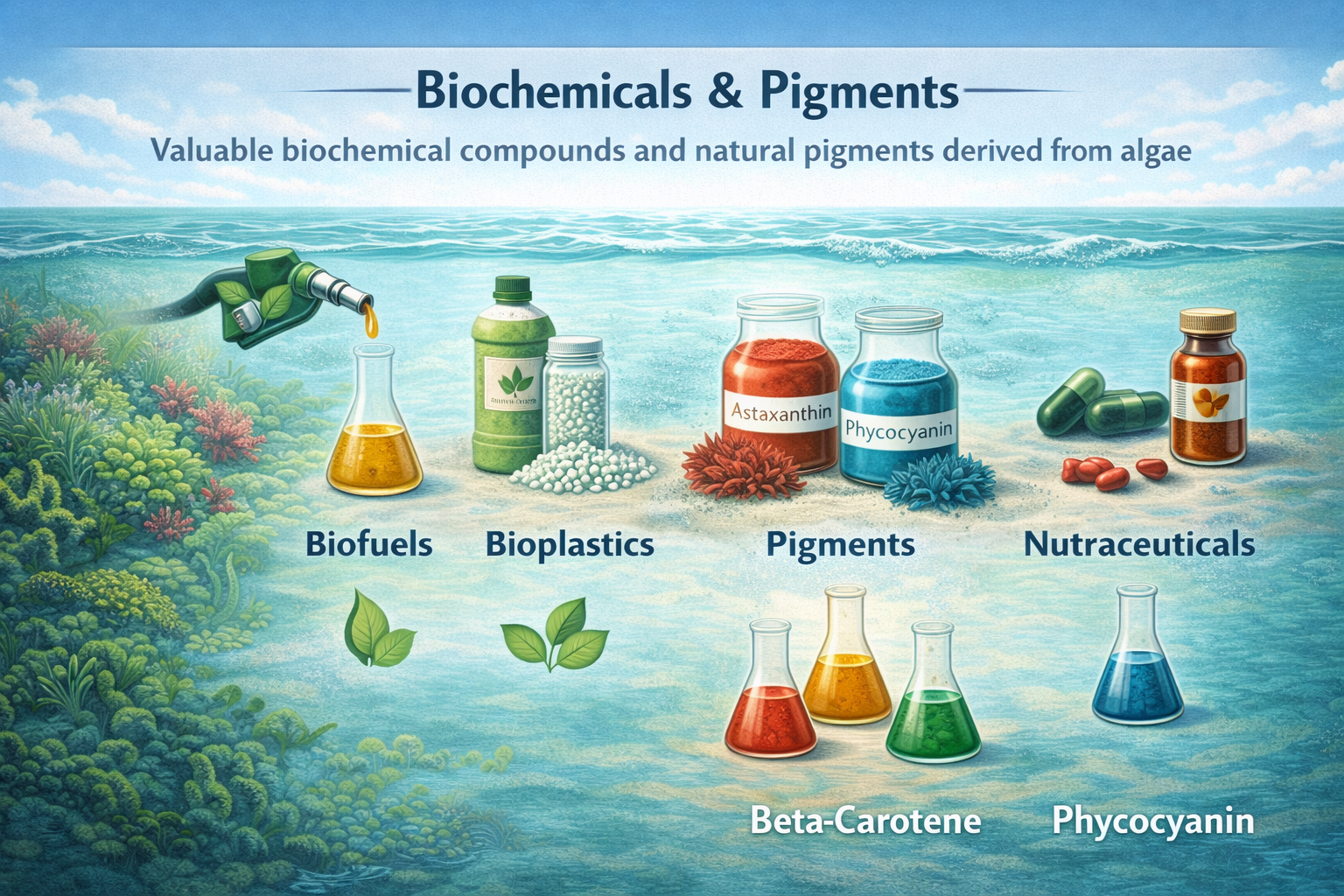
Globally, HRAP economics improve significantly when facilities adopt a circular bioeconomy model. Instead of treating algae biomass as waste, many projects convert it into biogas, biofertilizer, animal feed ingredients, pigments, or carbon-capture products. Economic assessments from Europe show HRAP systems become more financially feasible when biomass valorization is included alongside wastewater treatment. This combination reduces net operating costs and improves long-term sustainability. As carbon pricing and wastewater reuse regulations expand worldwide, HRAP facilities are increasingly viewed as cost-effective infrastructure for both environmental management and resource recovery.