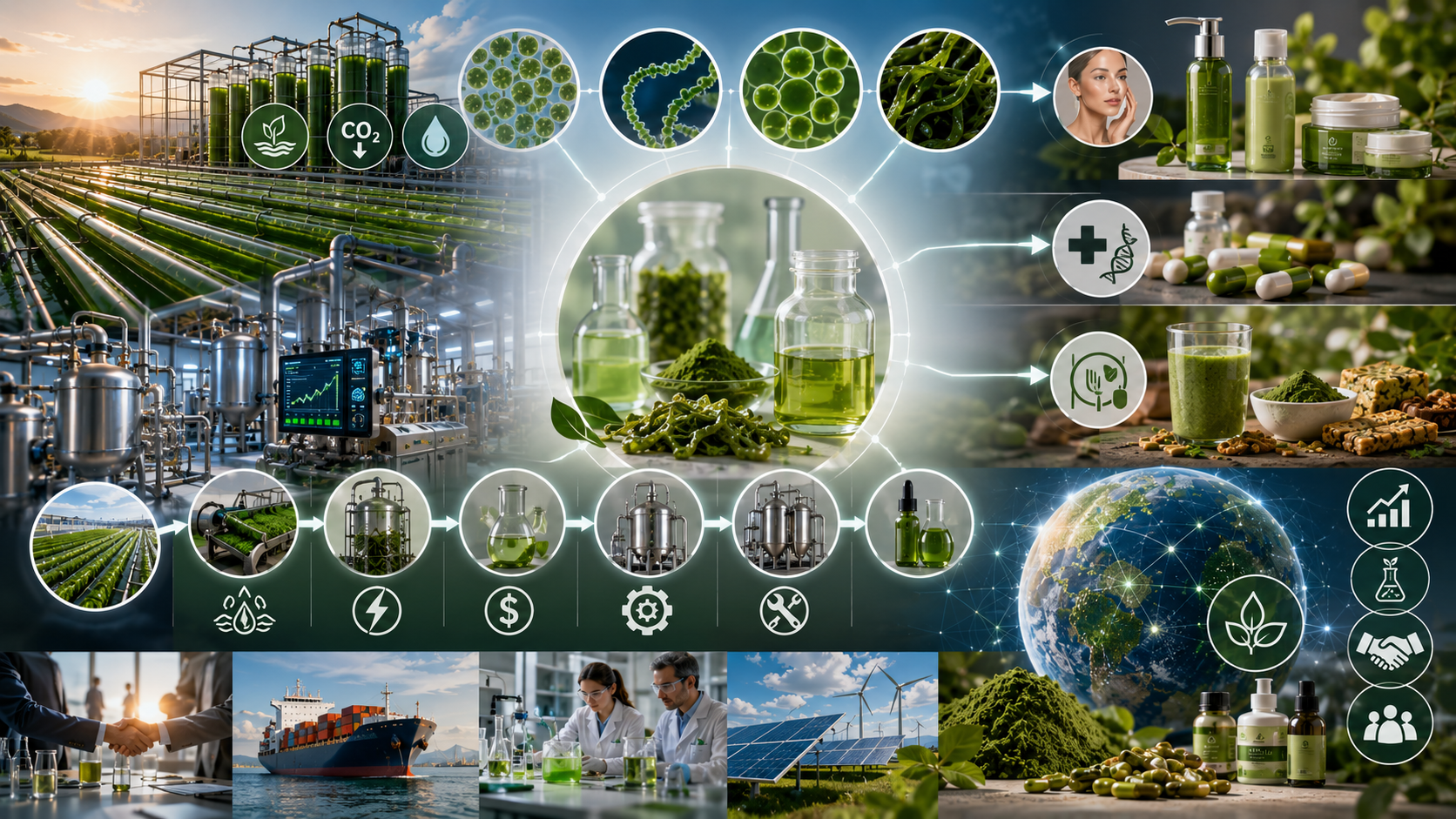
The sectors generating the highest demand for sustainable algae-based chemicals are led by food and beverages, dietary supplements/nutraceuticals, aquaculture feed, cosmetics/personal care, and pharmaceuticals. Across these industries, algae ingredients are moving from niche use to mainstream adoption because the global algae products market is already measured in the multi-billion-dollar range, with one recent estimate placing it at USD 5.87 billion in 2025 and projecting USD 8.07 billion by 2030. The strongest demand is concentrated in products that deliver protein, omega-3s, pigments, antioxidants, and bioactive compounds.
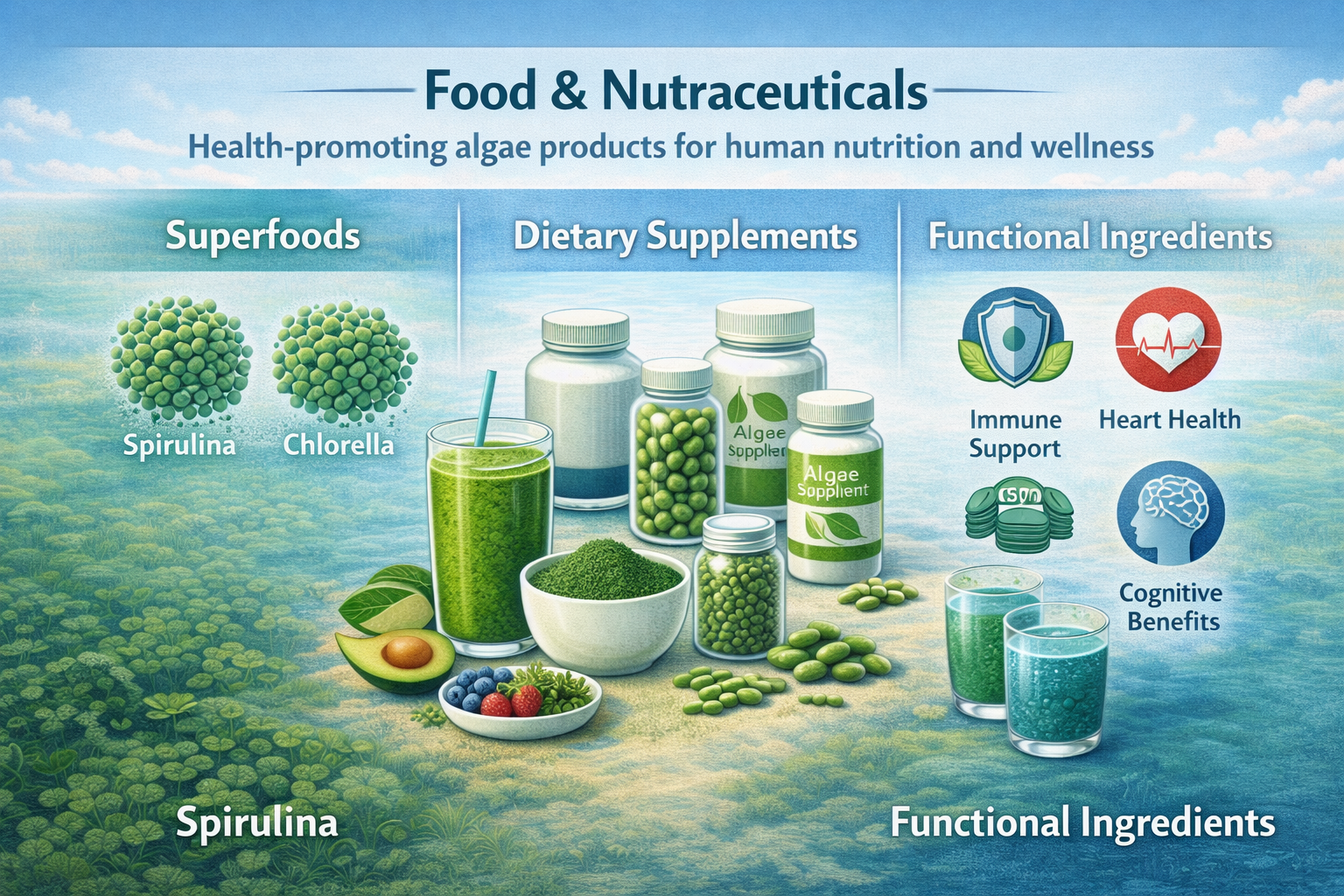
Food and beverages generate the largest volume demand because algae fit clean-label, plant-based, and functional nutrition trends. Microalgae-derived proteins, omega-3 oils, and pigments are increasingly used in fortified foods, beverages, snacks, and supplements, and the broader algae-based ingredients market was valued at USD 4.3 billion in 2024. This sector leads because it can absorb both bulk ingredients like spirulina and higher-value compounds like DHA-rich oils, giving algae the broadest commercial footprint globally.
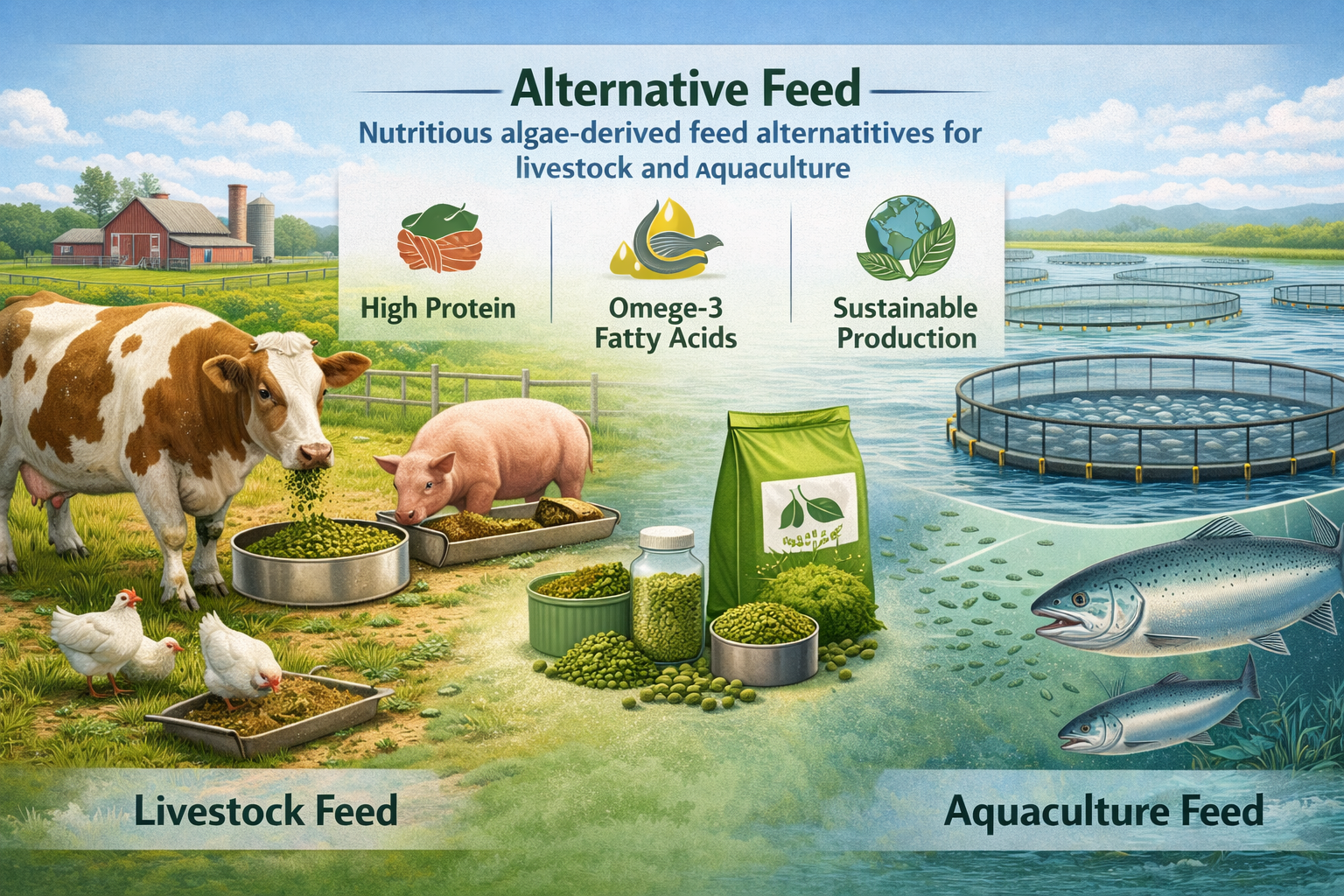
Aquaculture and animal feed are the next major demand centers, especially for algae-based omega-3 oils, protein meals, and natural pigments. Aquaculture is now the fastest-growing animal-protein supply system worldwide, and algae ingredients are used to replace part of fishmeal and fish oil while improving feed sustainability. One market estimate puts the algae-based animal feed market at USD 4.83 billion in 2025, showing how significant feed demand has become at global scale. Within this category, aquaculture is the strongest buyer because salmon, shrimp, and hatchery systems rely heavily on algae-derived functional ingredients.
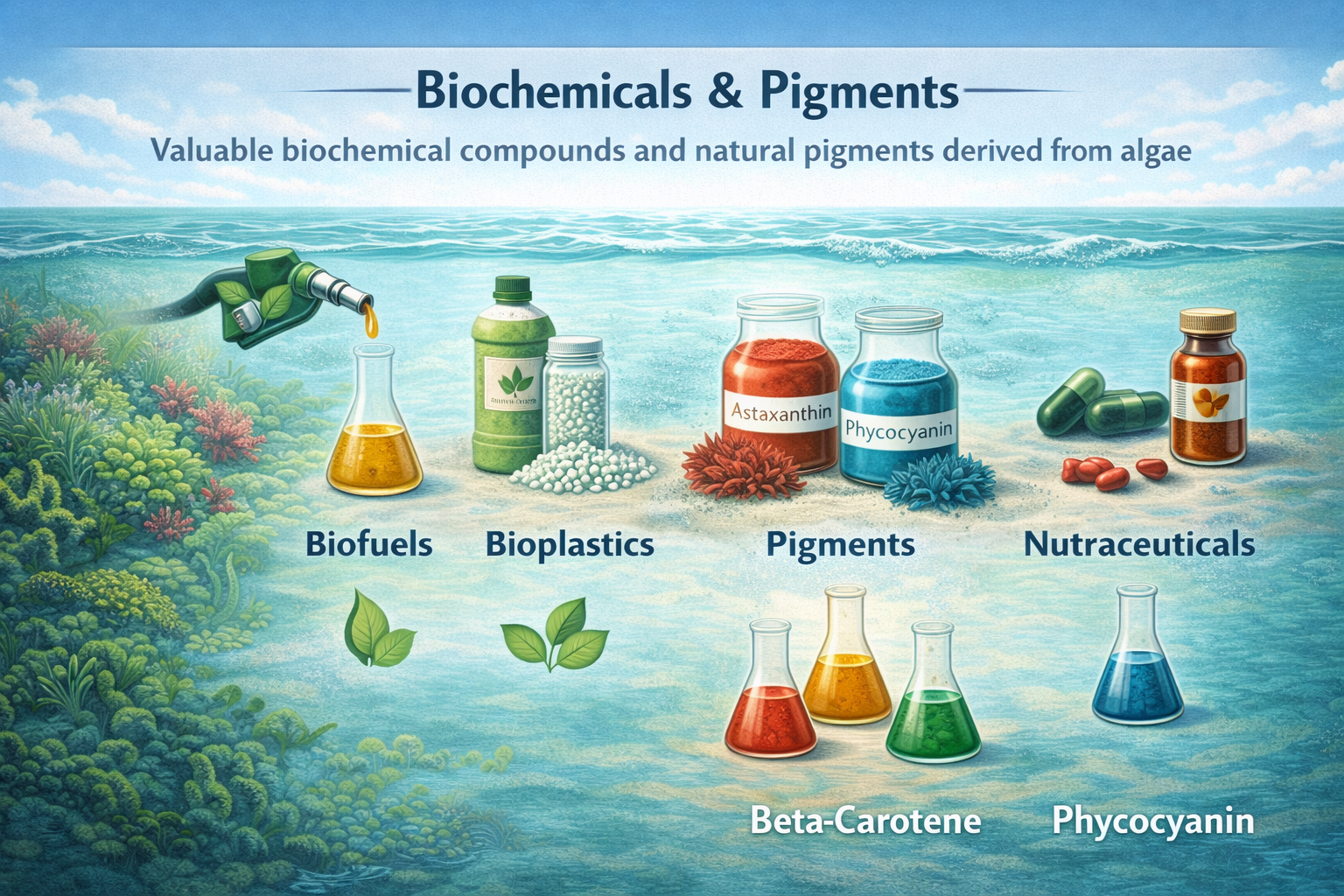
Cosmetics and personal care create high-value demand rather than the largest tonnage. Algae are attractive here because they supply antioxidants, hydrating polysaccharides, anti-aging actives, and natural colorants. The personal care and cosmetics microalgae market was valued at USD 68.5 million in 2025 and is projected to grow steadily, while the algal pigments market is also expanding because beauty brands want bio-based, vegan, and sustainable ingredients. This sector is especially important for premium algae chemicals like astaxanthin, phycocyanin, and carotenoid extracts.
Pharmaceuticals and biotech complete the top demand stack because algae produce highly valued bioactives with medical and preventive-health potential. Microalgae are rich in lipids, proteins, minerals, and pigments, and research continues to expand their use in nutraceuticals, drug discovery, and therapeutic formulations. In practical terms, the highest demand sectors are ranked by scale and value like this: food and supplements first, feed second, cosmetics third, pharmaceuticals fourth. The common thread is that industries want algae chemicals that are natural, traceable, climate-smart, and multifunctional.