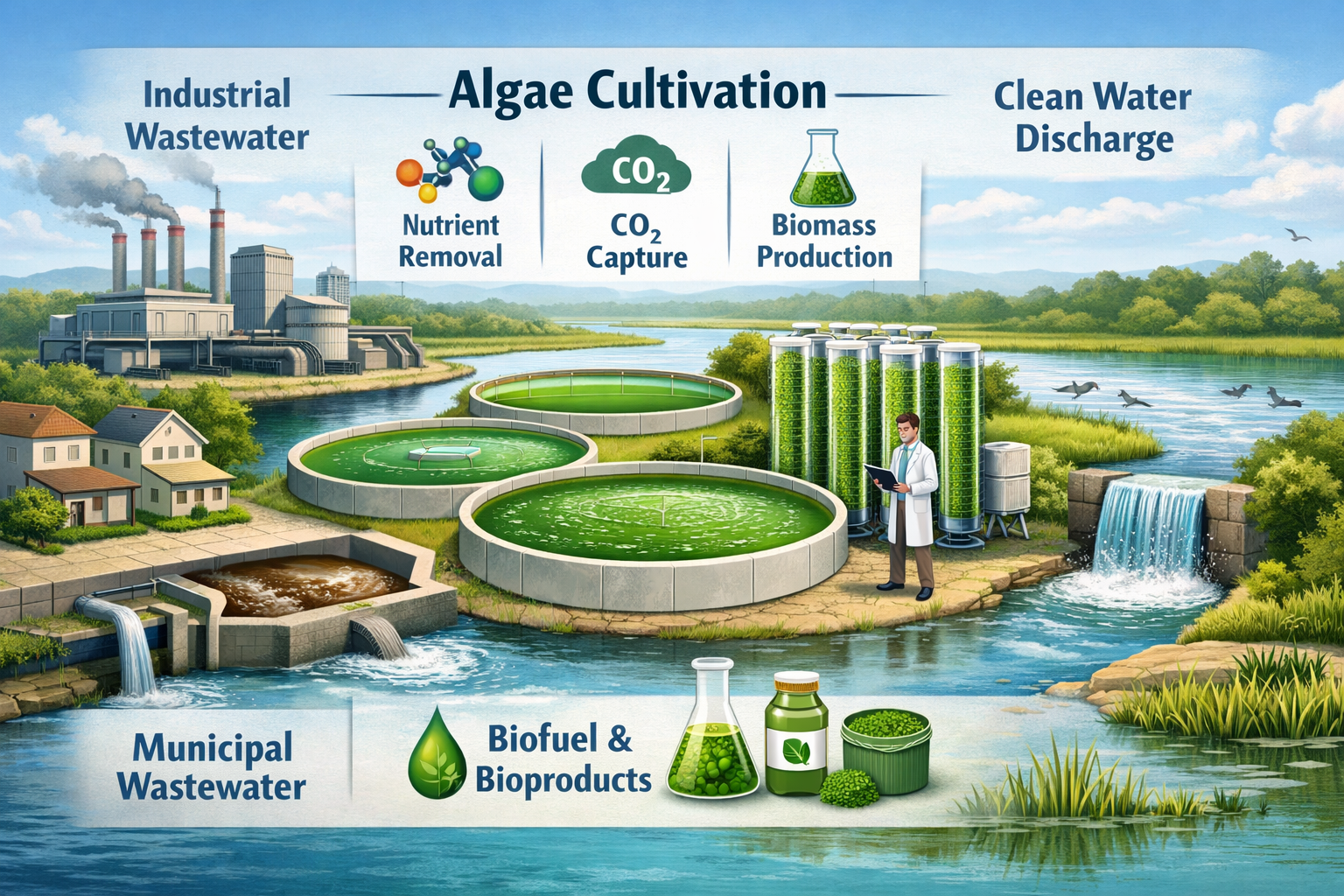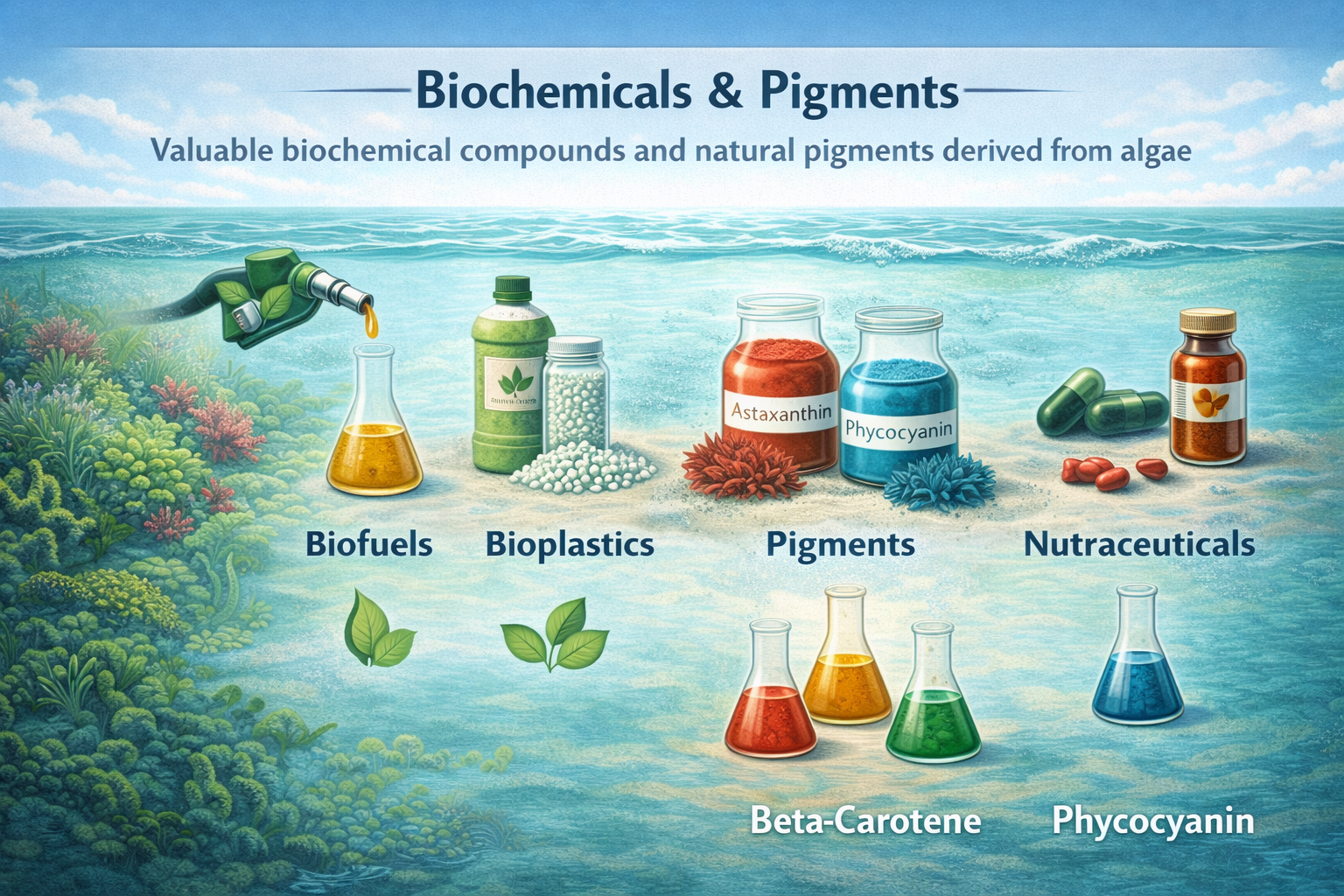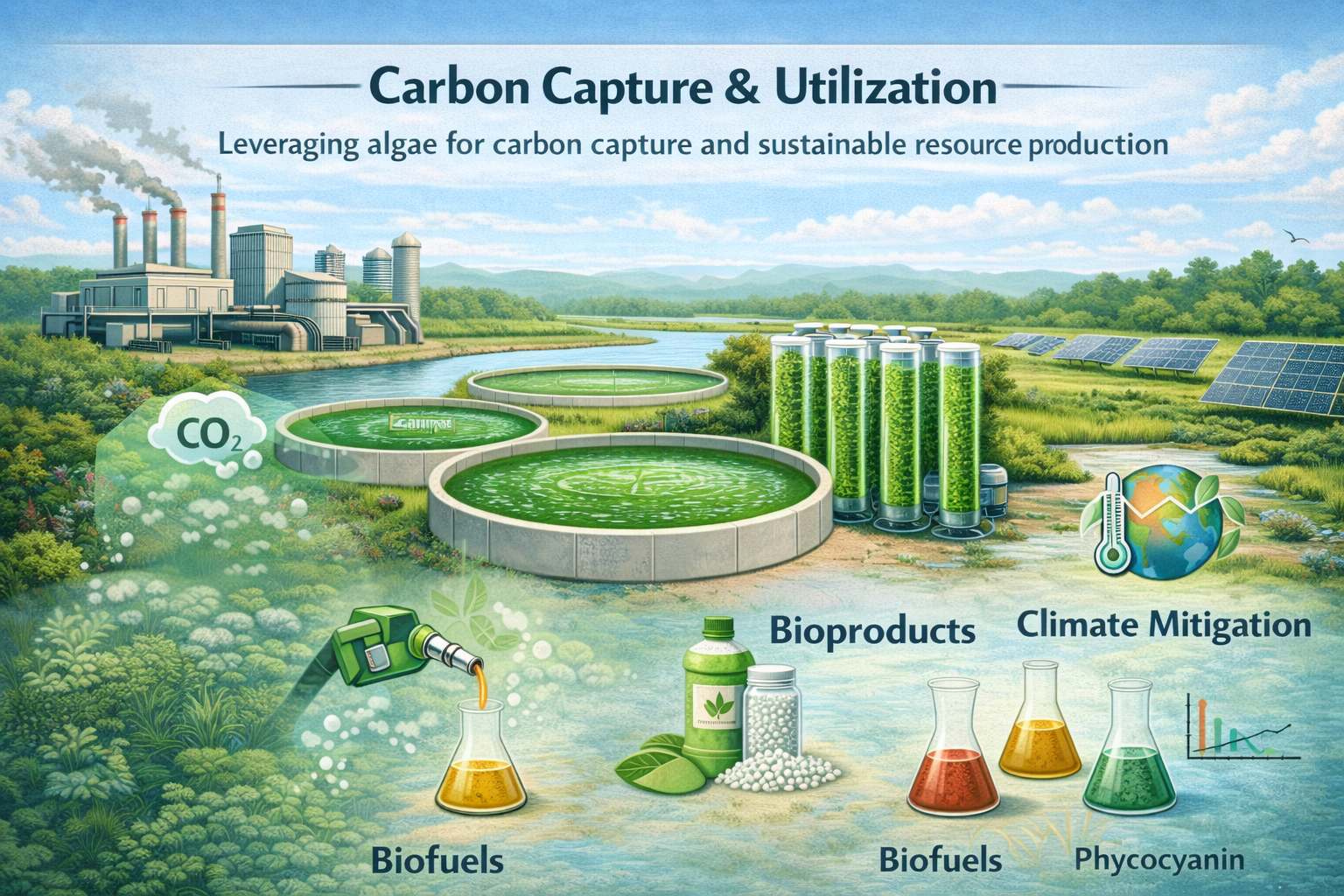
Yes. Algae biomass waste can be converted into additional high-value chemical products, and this is one of the main reasons algae are increasingly studied as a biorefinery feedstock rather than a single-product material. Recent reviews describe algal valorization as a way to recover proteins, carbohydrates, lipids, pigments, polysaccharides, nutraceuticals, and other bio-based products from the same biomass stream, improving overall economics and reducing waste. In practice, the “waste” fraction is often not waste at all, but a lower-value stream that still contains commercially useful molecules.
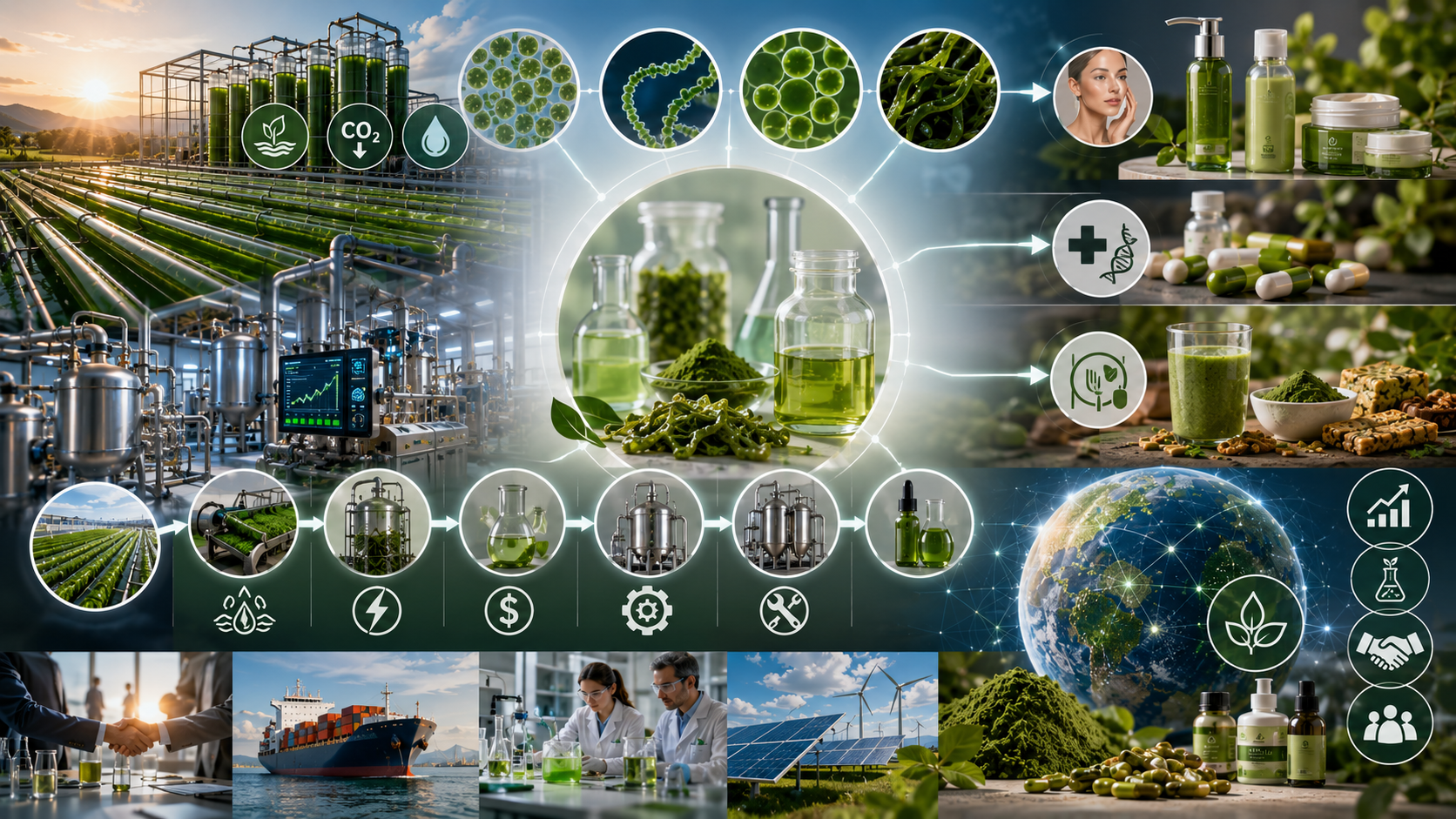
A major pathway is sequential extraction, where high-value compounds are removed first and the remaining solids are processed into other products. For example, microalgal biomass can be fractionated into pigments, proteins, oils, and carbohydrates, and then converted into downstream products such as fertilizers, biostimulants, bioenergy, or biogas. This approach is specifically recommended in recent biorefinery studies because it aims for minimum waste generation and maximum value recovery from the same input material.
The remaining biomass can also become platform chemicals and precursors. A 2024 study on residual Chlorella biomass highlights valorization routes toward useful compounds used as platform chemicals and industrial precursors, showing that even post-extraction residue can still support chemical manufacturing. In parallel, microalgal carbohydrates and proteins can be redirected into fermentation products, while lipids can be upgraded through thermochemical routes such as hydrothermal liquefaction or other conversion pathways. That makes algae biomass far more flexible than many conventional feedstocks.
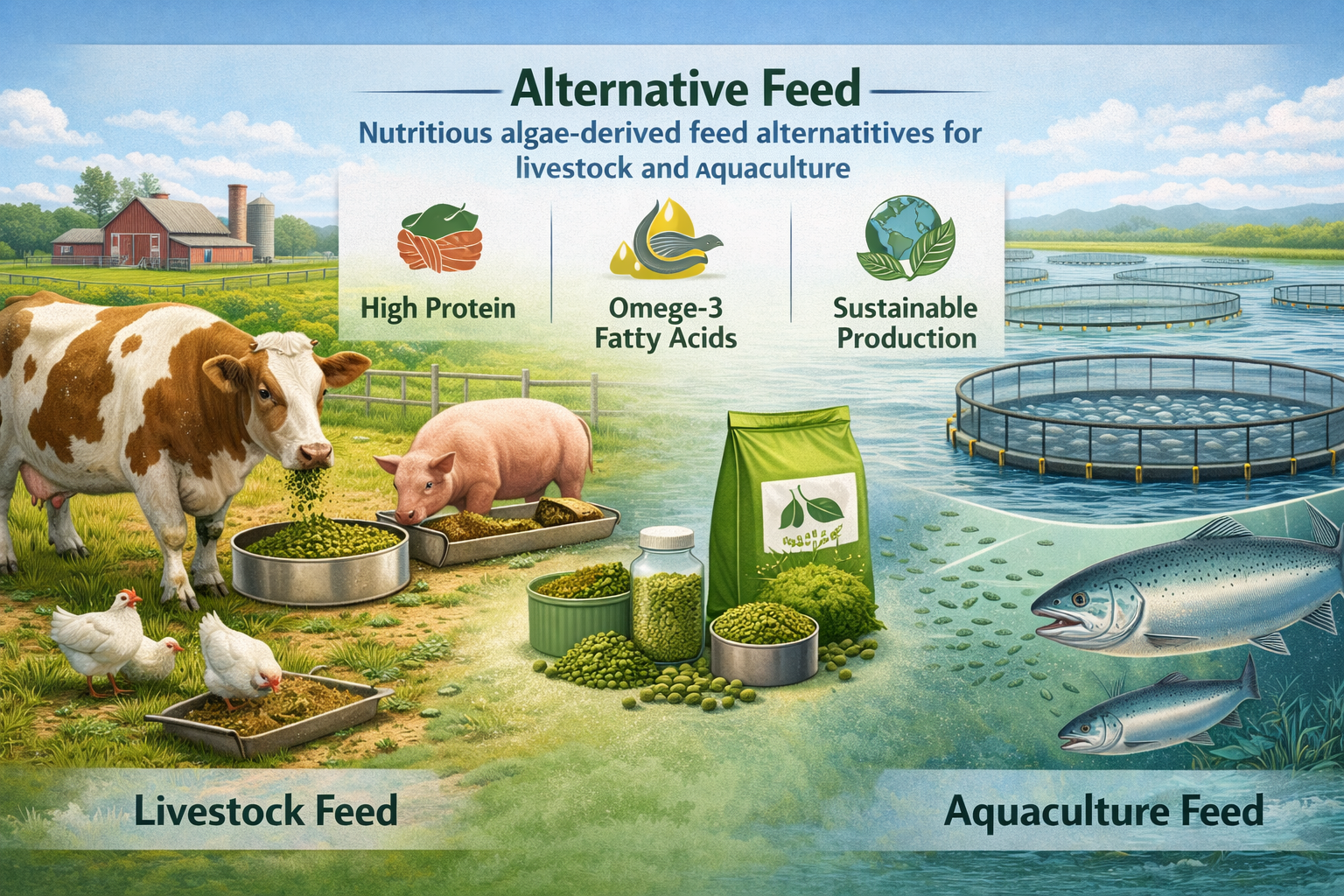
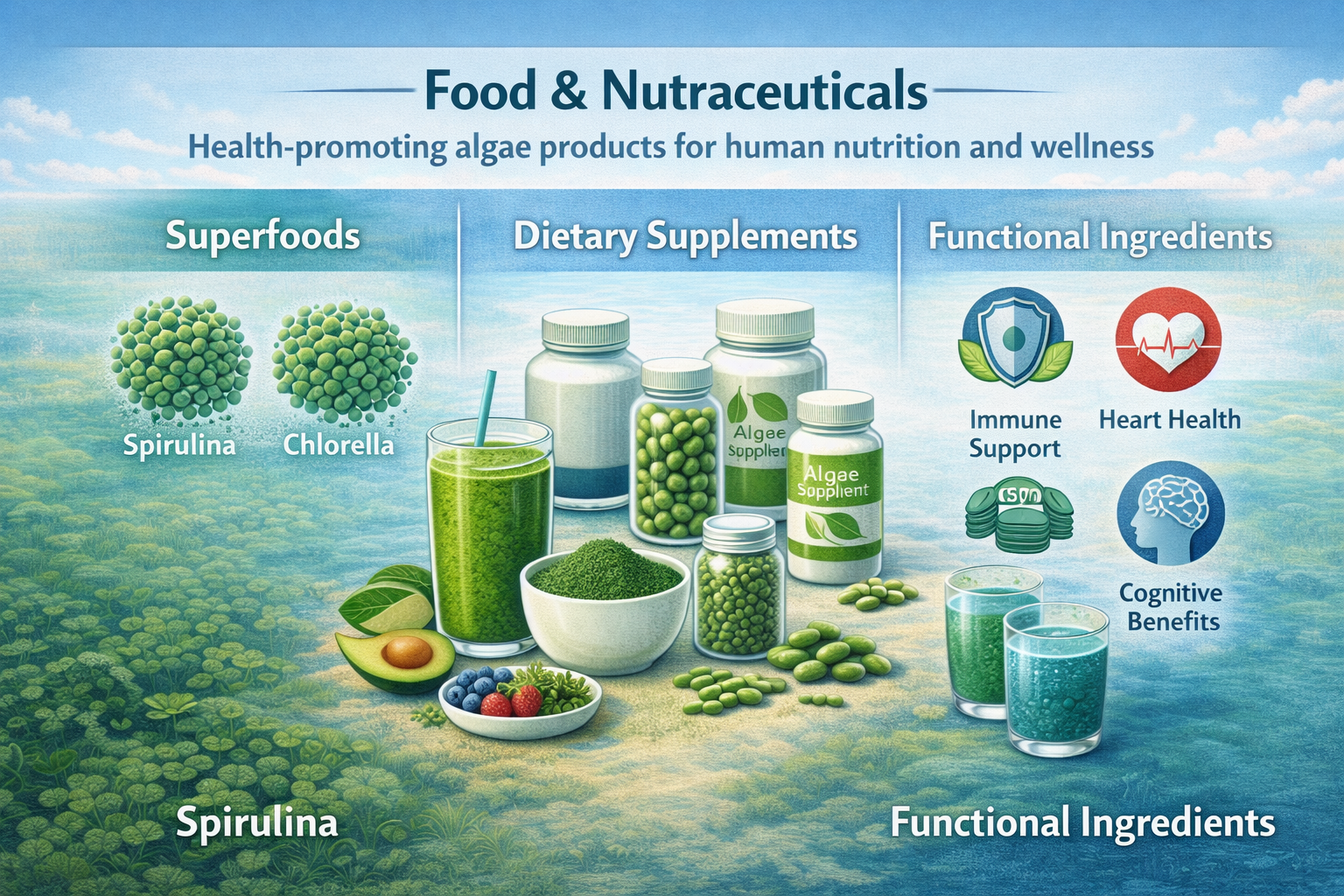
This is especially relevant at commercial scale because algal systems often produce biomass with a mixed composition that is hard to monetize through one market alone. Reviews report that algae typically contain proteins, starch, cellulose, lipids, pigments, vitamins, and antioxidants, which means one production line can serve food, cosmetics, agriculture, and energy markets depending on how the residue is processed. A circular model is emerging in which wastewater-grown algae are harvested, valuable molecules are extracted, and the leftovers are reused as soil amendments, feed ingredients, or bioenergy inputs.
So the practical answer is yes, and increasingly so—but profitability depends on using an integrated biorefinery design instead of treating the residue as disposal material. The strongest commercial cases are those that combine high-value extraction first, then convert the residue into secondary chemical products or energy carriers. That multi-product strategy is what makes algae-based systems globally attractive: it raises revenue per tonne of biomass, lowers waste, and improves the economics of sustainable chemical production.