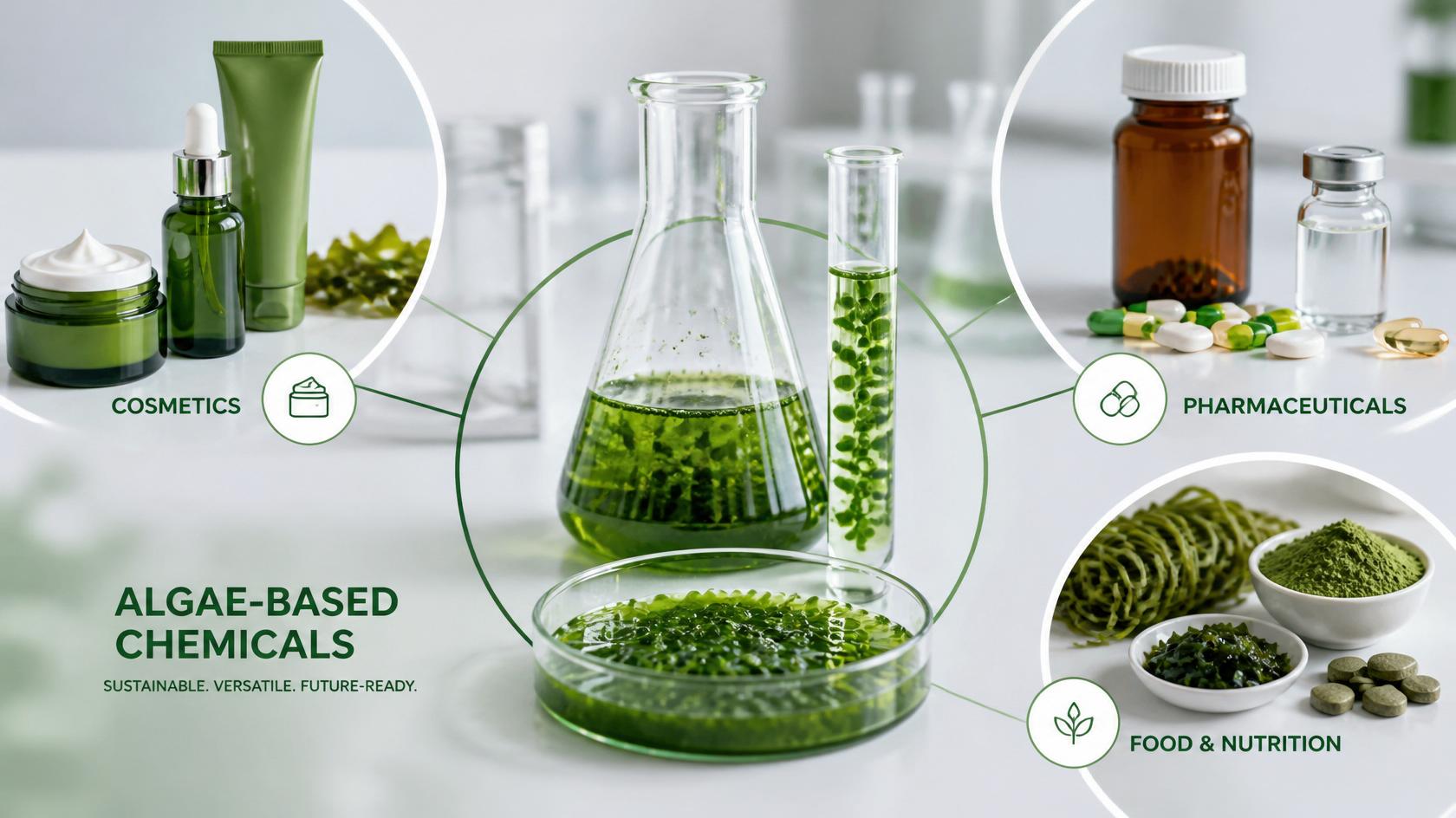
The algae species best suited for high-value chemical extraction are those capable of producing commercially important compounds such as omega-3 fatty acids, pigments, antioxidants, polysaccharides, pharmaceuticals, and specialty bioactive molecules at industrial scale. Globally, only a limited number of algae species dominate this sector because they combine high biochemical productivity with proven cultivation systems. The most commercially important groups include Haematococcus pluvialis, Dunaliella salina, Arthrospira (Spirulina), Chlorella vulgaris, Schizochytrium spp., Nannochloropsis spp., Laminaria spp., and Gracilaria spp. These species are widely used in nutraceutical, cosmetic, pharmaceutical, and food industries because their extracted compounds command much higher market prices than bulk biofuel applications.
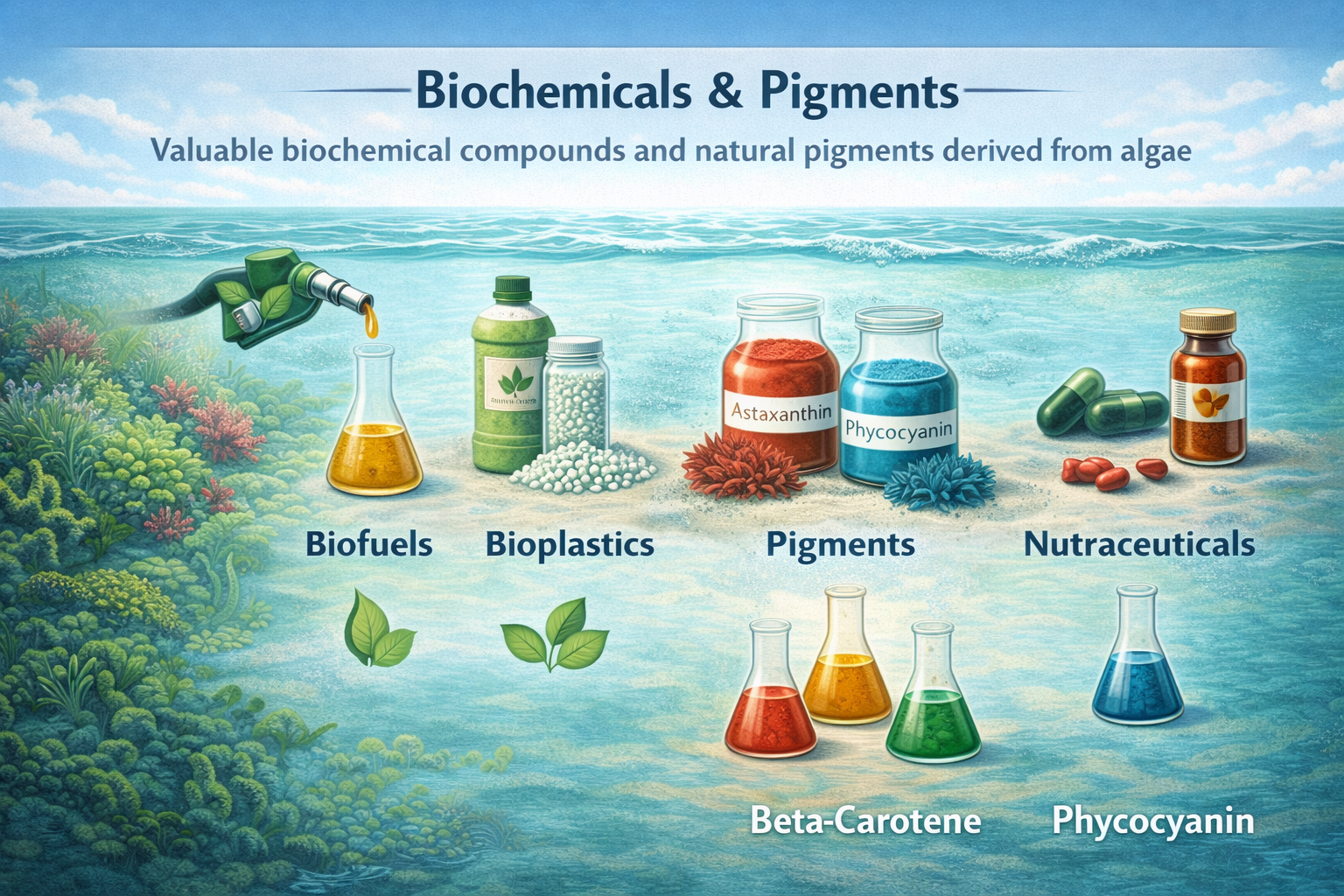
Among microalgae, Haematococcus pluvialis is considered one of the most valuable because it is the richest natural source of astaxanthin, a high-value antioxidant used in nutraceuticals, cosmetics, aquaculture pigmentation, and pharmaceuticals. Studies report that H. pluvialis can accumulate astaxanthin up to 4–7% of dry biomass under stress conditions, far higher than most alternative sources. Natural astaxanthin from algae is often priced substantially above synthetic alternatives due to consumer demand for natural ingredients and its strong antioxidant properties. This makes H. pluvialis one of the leading species for premium biochemical extraction globally.
Dunaliella salina is another globally important species because of its exceptionally high beta-carotene content. Under high salinity and light stress, D. salina can accumulate carotenoids at commercially attractive levels, making it valuable for food coloring, dietary supplements, cosmetics, and antioxidant formulations. Australia, Israel, China, and India are among the regions where commercial Dunaliella production has been explored due to favorable climatic conditions. Beta-carotene extracted from D. salina is especially important in the natural food additive market, where demand for plant- and algae-derived pigments continues to rise.
For omega-3 fatty acid extraction, the leading commercial species are Schizochytrium spp. and Nannochloropsis spp. Schizochytrium is widely used for producing DHA-rich oils for infant formula, dietary supplements, pharmaceuticals, and aquaculture feed, while Nannochloropsis is valued for EPA production. These algae are increasingly important because global markets are searching for alternatives to fish oil amid pressure on marine fisheries. Research reviews show that algae-derived omega-3 production is becoming strategically important for sustainable nutrition, particularly in Europe, North America, and Asia-Pacific markets.
Macroalgae also play a major role in high-value extraction. Brown seaweeds such as Laminaria, Ascophyllum, and Fucus are major sources of alginate, fucoidan, laminarin, and polyphenols, while red algae such as Gracilaria and Gelidium are commercially important for agar and carrageenan extraction. These compounds are widely used in pharmaceuticals, food stabilization, cosmetics, biotechnology, and biomedical materials. Globally, the seaweed hydrocolloid market remains one of the largest algae-based chemical sectors because of strong industrial demand and established processing infrastructure. Together, these species form the backbone of the global algae-derived specialty chemical industry.