Small-scale algae chemical production units can compete with large petrochemical companies, but only in selected market niches. They generally cannot win on bulk, commodity chemicals where petrochemical players benefit from huge plants, global feedstock networks, and strong economies of scale. The petrochemical sector is explicitly described as capital intensive and globally competitive, and recent major investments such as the $10 billion Sinopec–Aramco complex show that large players keep doubling down on scale even in a tough market.
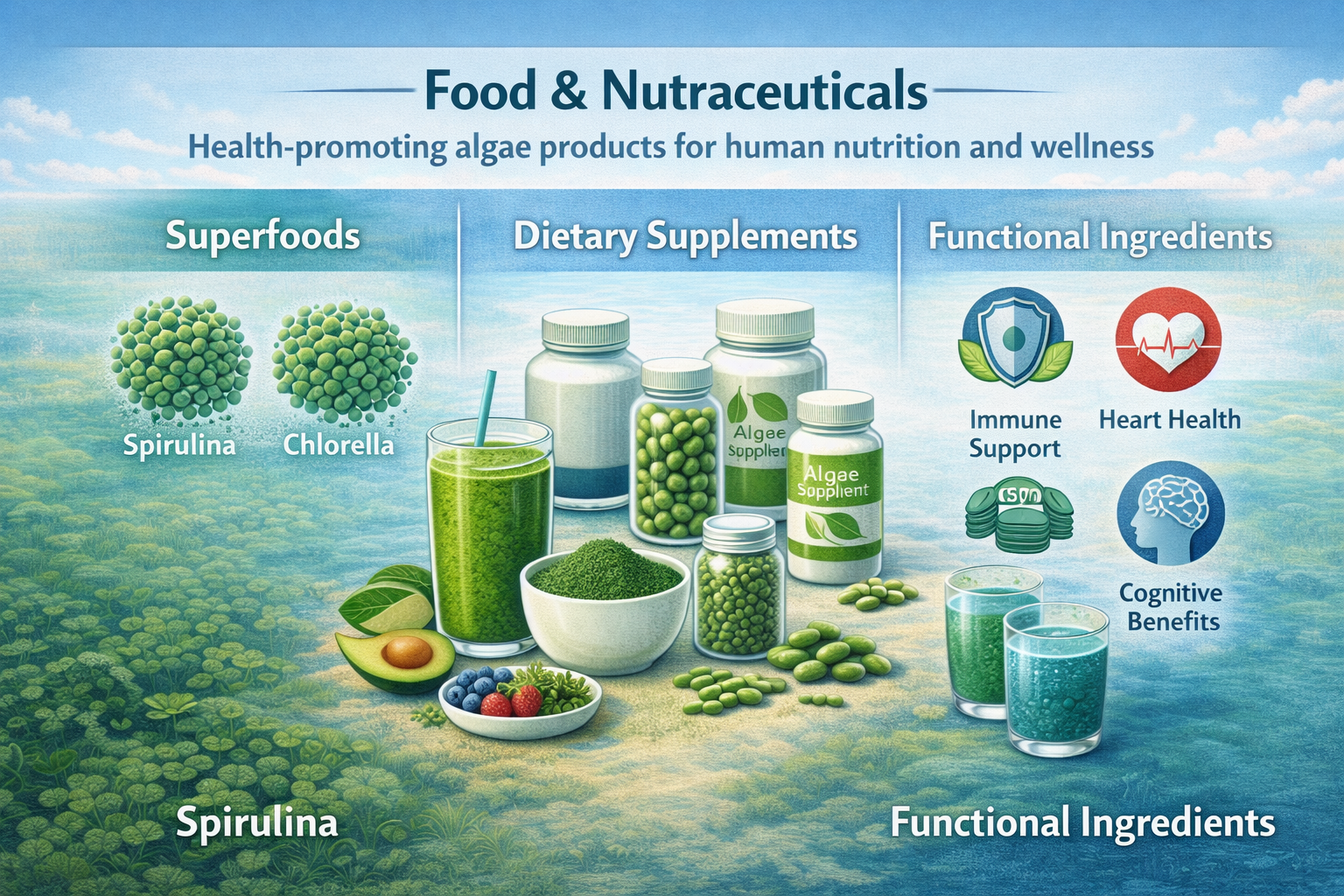
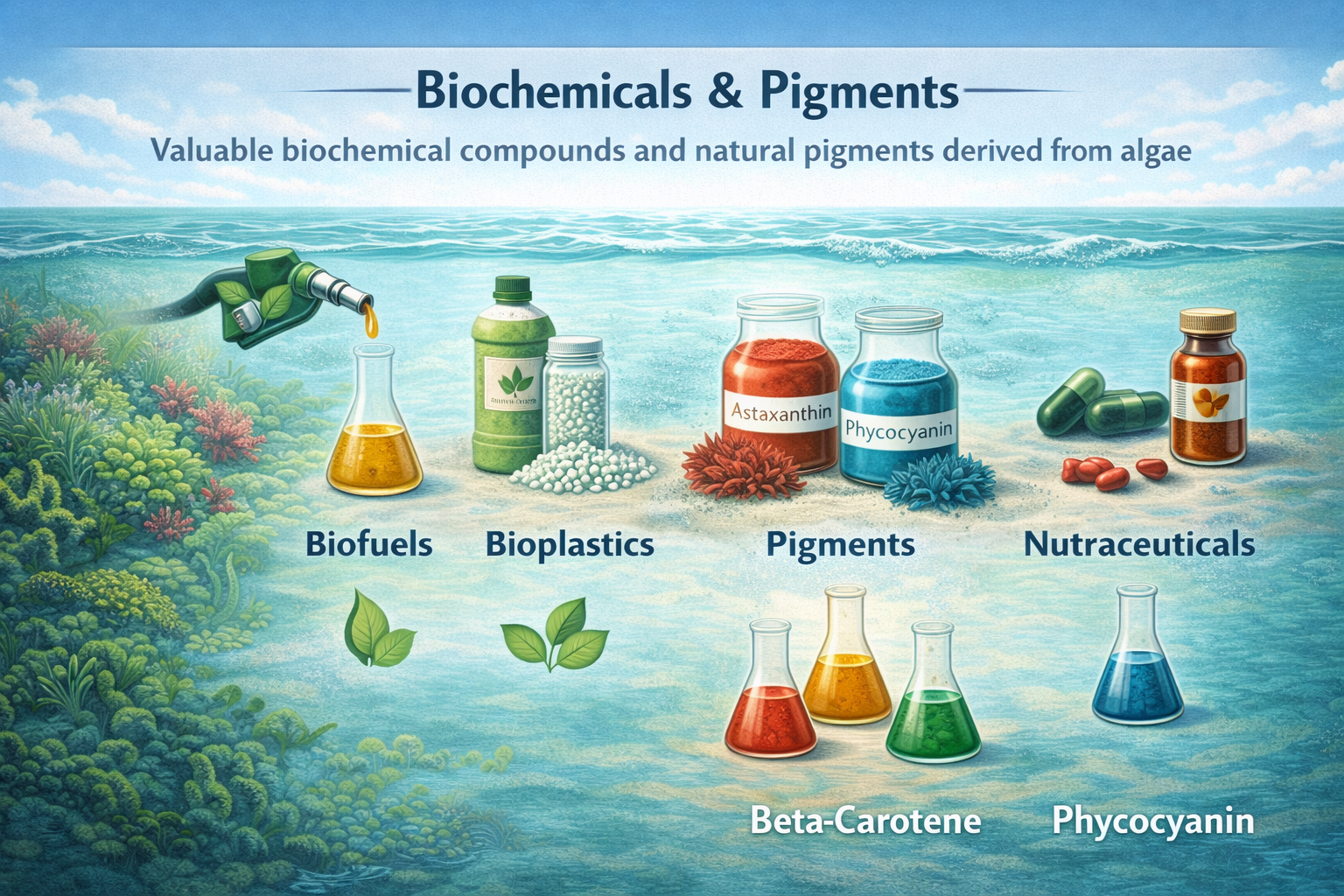
Where small algae units can compete is in high-value, low-volume products. Reviews of microalgae biorefineries consistently show that economic feasibility improves when the business is built around specialty chemicals rather than fuels: pigments, omega-3 oils, antioxidants, nutraceuticals, bioactives, and cosmetics ingredients. The reason is simple: these products command premium prices, so a smaller facility can reach viability without matching petrochemical volumes.
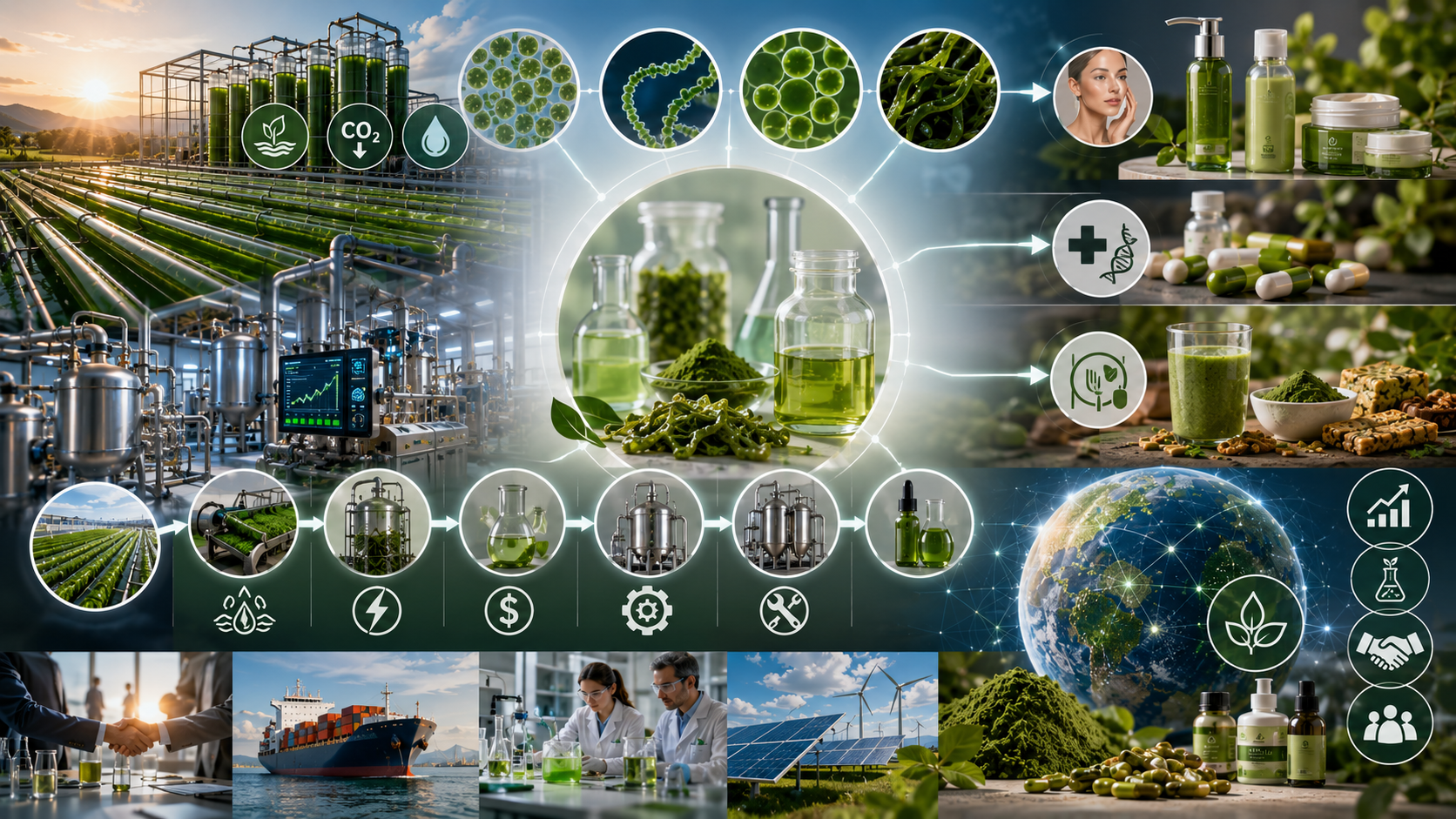
The strongest competitive model is the integrated biorefinery. Instead of producing one product, a small algae unit can sell multiple streams from the same biomass: proteins, lipids, pigments, fertilizer, and residual energy products. Recent reviews say this multi-product approach is central to improving commercial value and reducing waste, and that integrated methods can substantially lower production cost and energy use compared with single-output processing. That makes small facilities more flexible than petrochemical plants when serving premium or local markets.
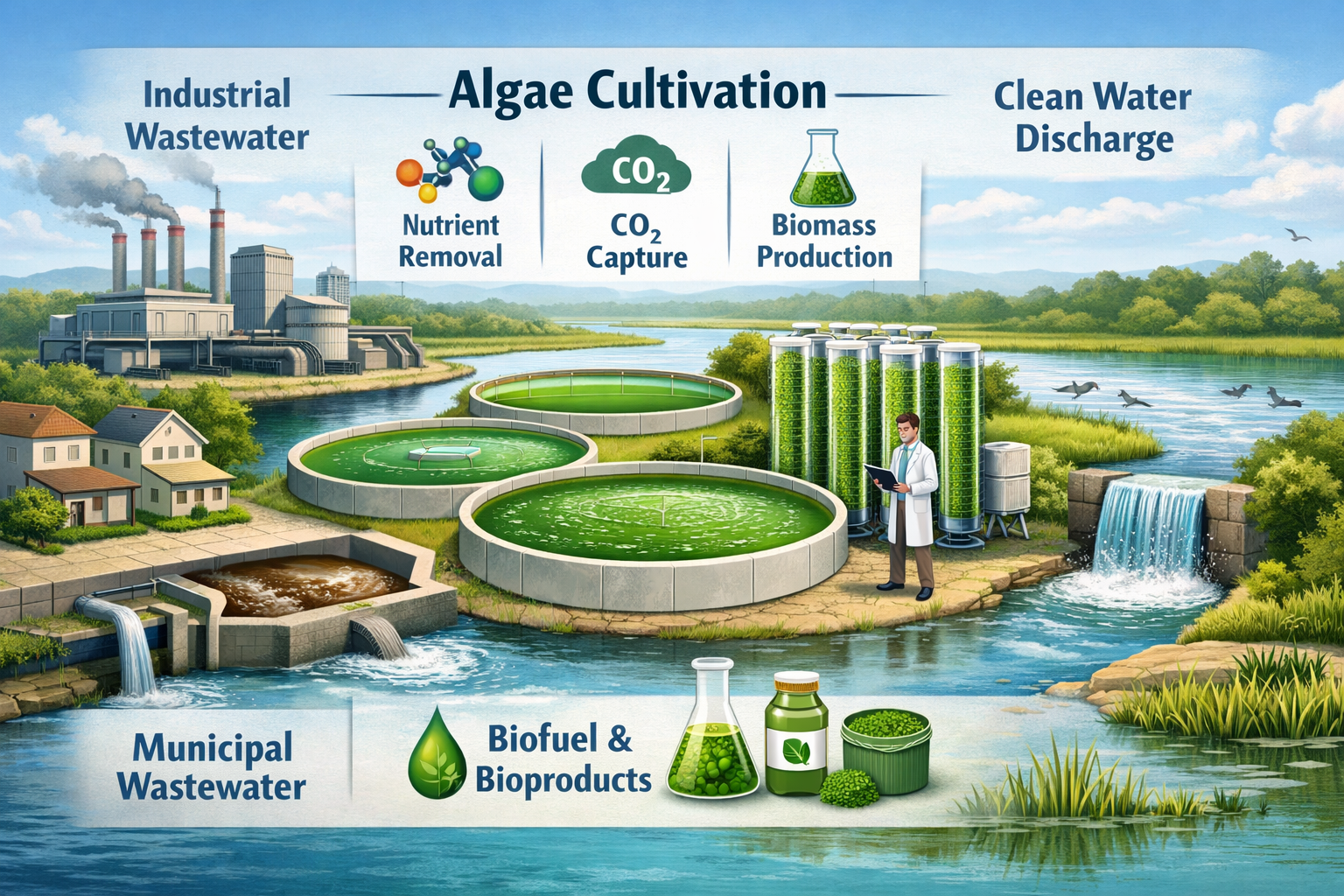
Small-scale algae units also gain an advantage when they are located near wastewater sources, industrial CO₂ streams, or high-value customers. Co-location can reduce nutrient costs, water costs, and transport costs, while also creating a sustainability story that food, cosmetics, and specialty chemical buyers increasingly value. This is especially relevant for regions with weak industrial infrastructure, where decentralized production can be more practical than building petrochemical-style mega plants.
So the answer is yes, but selectively. Small-scale algae chemical units can compete with large petrochemical companies in premium, differentiated, sustainability-driven markets, especially when they use biorefinery logic and local resource integration. They cannot realistically outcompete petrochemical giants on commodity volume or price, but they can carve out profitable positions in specialty chemicals, nutraceutical ingredients, natural pigments, and circular-economy products. In global terms, the winning strategy is not imitation of petrochemicals; it is specialization, integration, and value concentration.