For most algae-based chemical companies, the most effective model is ingredient supply, with contract manufacturing as a strong secondary model and branded products as the highest-risk, highest-marketing-cost option. The reason is simple: the global algae products market is already USD 5.87 billion in 2025 and is projected to reach USD 8.07 billion by 2030, with demand spread across food and beverage, pharmaceuticals, cosmetics, and animal feed. That structure favors B2B ingredient sales, where volumes can be repeated and contracts can be multi-year.
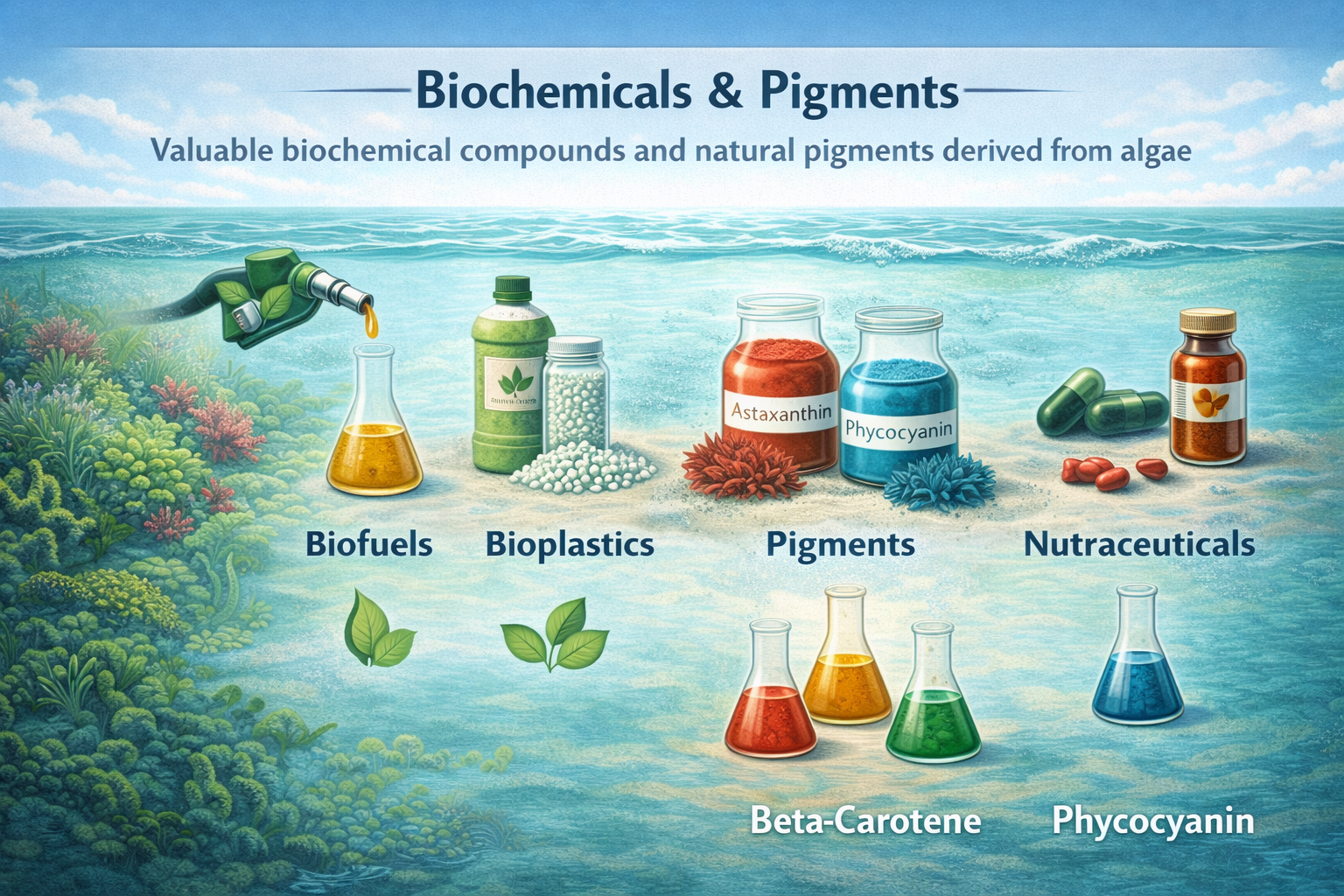
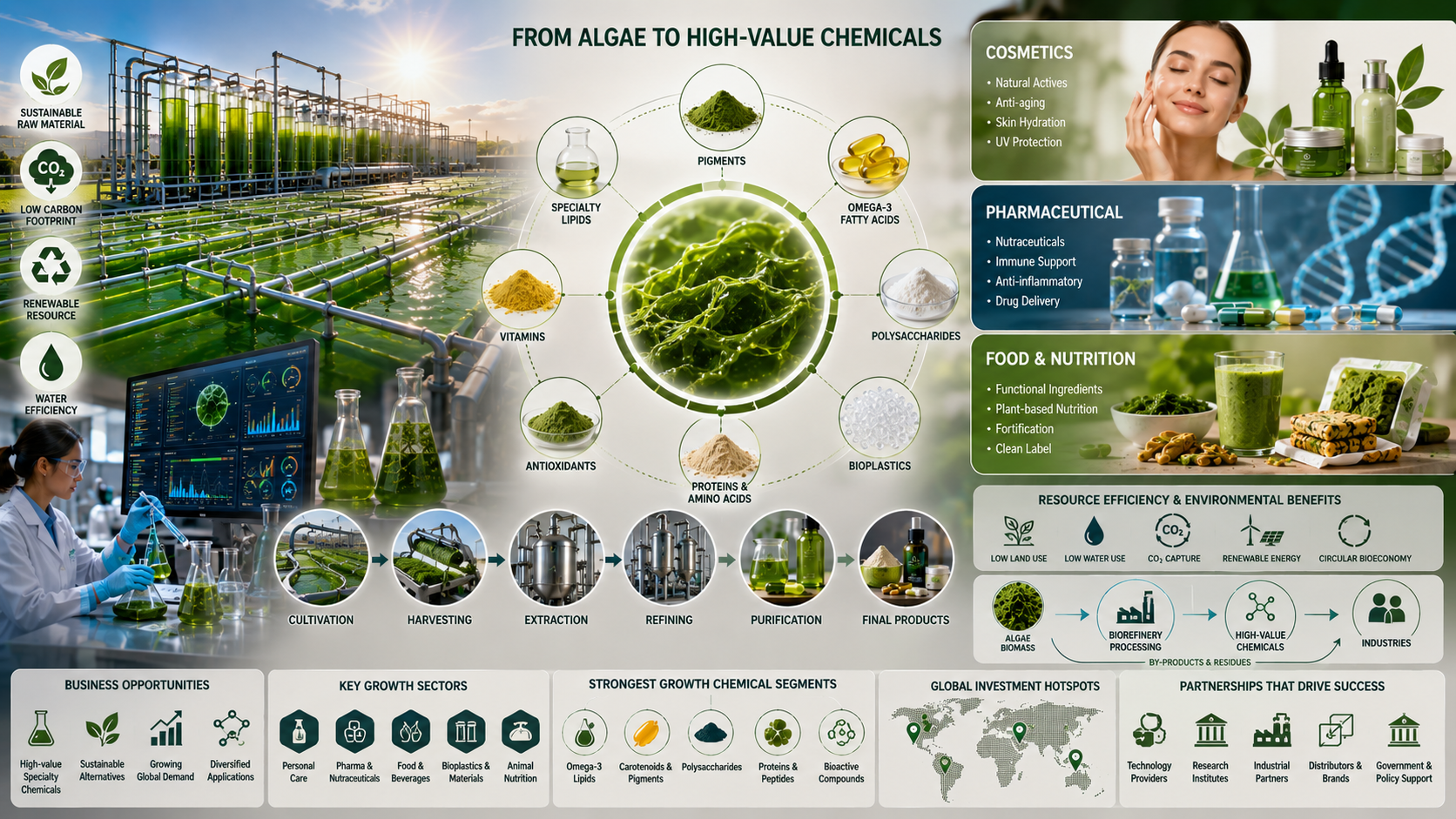
Ingredient supply is usually the best model for scale because it matches how the market is growing: buyers want algae-derived lipids, proteins, pigments, hydrocolloids, omega-3s, and antioxidants as input materials for their own products. The market report shows the lipids segment holding the largest share, driven by DHA and EPA demand, while solid forms such as powders, flakes, and tablets dominate because they are easier to ship, store, and formulate. That is exactly the profile of a scalable ingredient business: standardized output, recurring purchase orders, and global demand from manufacturers rather than end consumers.
Contract manufacturing is highly useful when a company has production capacity but does not yet have a strong brand or sales network. A 2025 biorefinery review emphasizes that commercialization still depends on solving key technological, economic, and environmental barriers, while the CORDIS project on algae biorefineries explicitly focuses on high-value specialties, process control, and cost reductions in cultivation and harvesting. That makes contract manufacturing attractive for firms that can produce consistent biomass or extracts for third-party brands, especially in cosmetics, nutraceuticals, and specialty feed ingredients. It is usually less profitable per unit than branded products, but it lowers commercialization risk and helps absorb fixed plant costs.
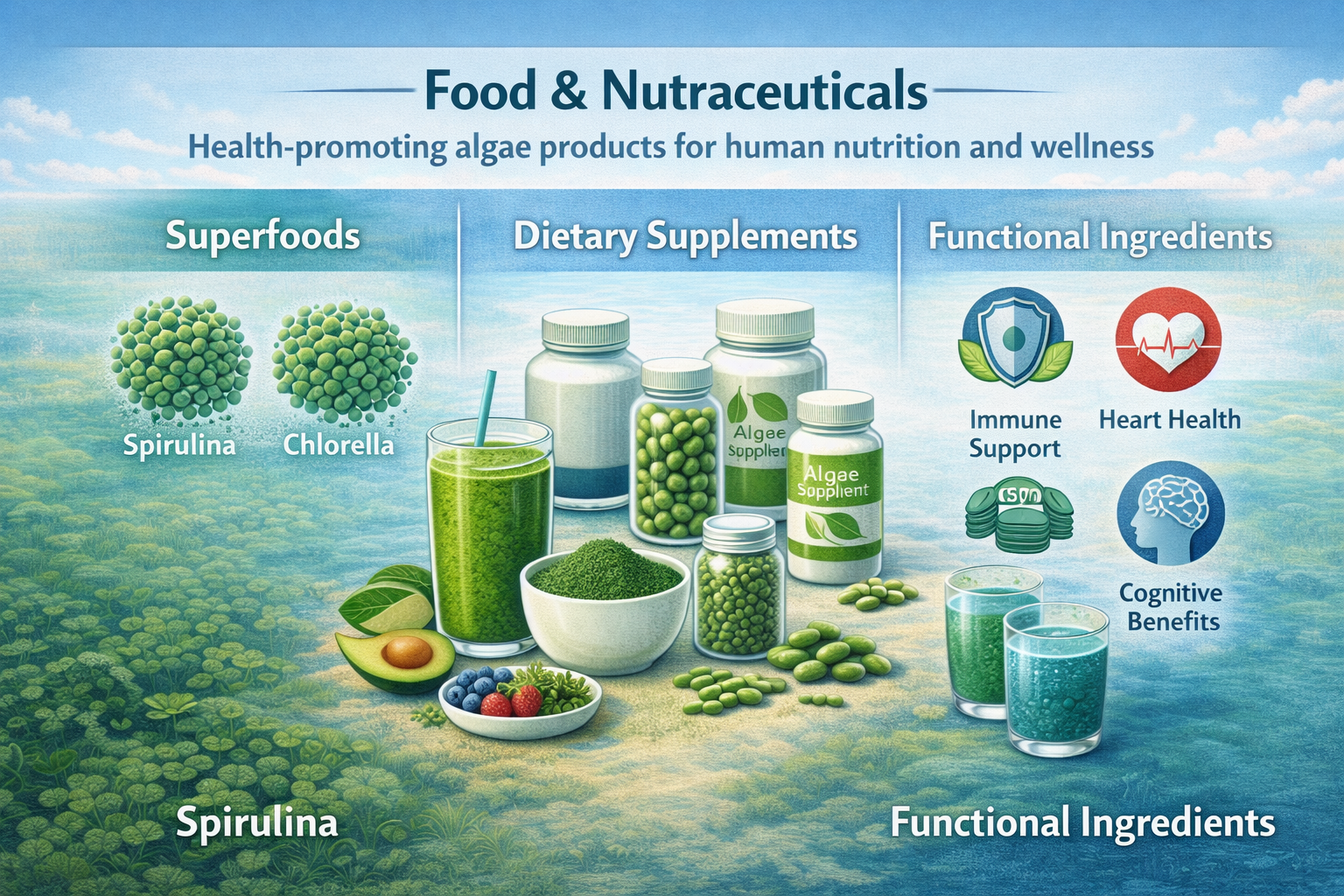
Branded products can generate the highest margins, but only in narrow niches where the company can justify consumer marketing, regulatory compliance, and distribution spending. This model works best for recognizable products such as spirulina powders, chlorella tablets, algae omega-3 oils, or premium skincare actives. The market is there—North America is currently the largest algae-products region, and consumer demand is strong for plant-based, clean-label, and sustainable ingredients—but branded products require much more capital for branding, retail access, and customer acquisition than ingredient supply does.
The most effective strategy globally is usually a hybrid model: start with ingredient supply to build cash flow and volume, use contract manufacturing to keep factories utilized and serve B2B clients, then launch select branded products only where the company has a clear premium position. This matters because algae businesses still face high production and processing costs and yield variability, so the strongest model is the one that converts technical capability into repeatable industrial demand rather than relying only on consumer branding.