The biggest business opportunities in the algae-based chemical industry are concentrated in high-value, high-function ingredients rather than bulk commodities. Recent market estimates place the global algae products market at about USD 5.85 billion in 2025, rising to USD 10.88 billion by 2036, while the algae-based chemical market is estimated at USD 4.1 billion in 2025 and forecast to grow at 8.5% CAGR. Within that market, microalgae account for 65.1% of share, showing that commercial demand is already strongest in small-scale, high-density biomass systems.
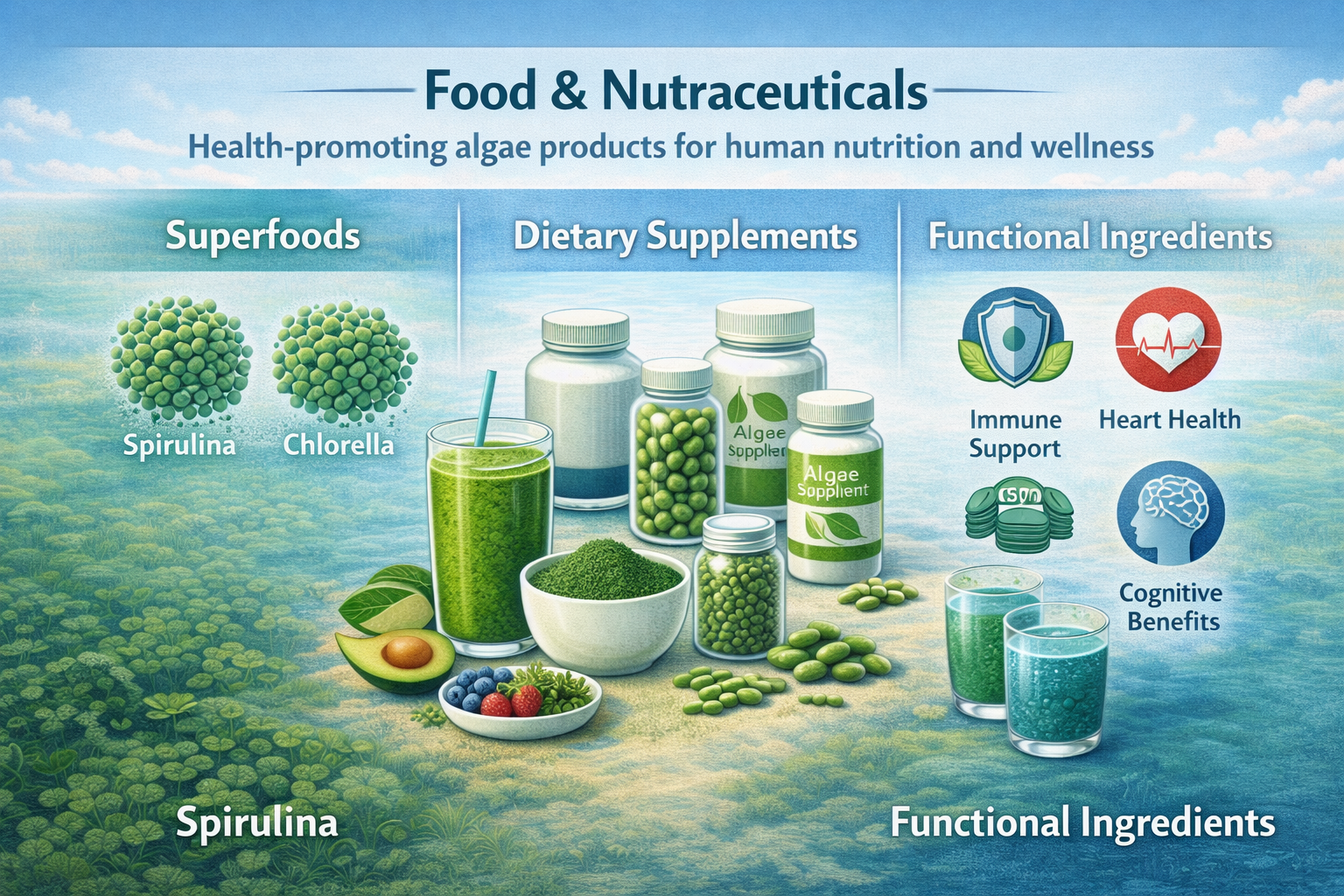
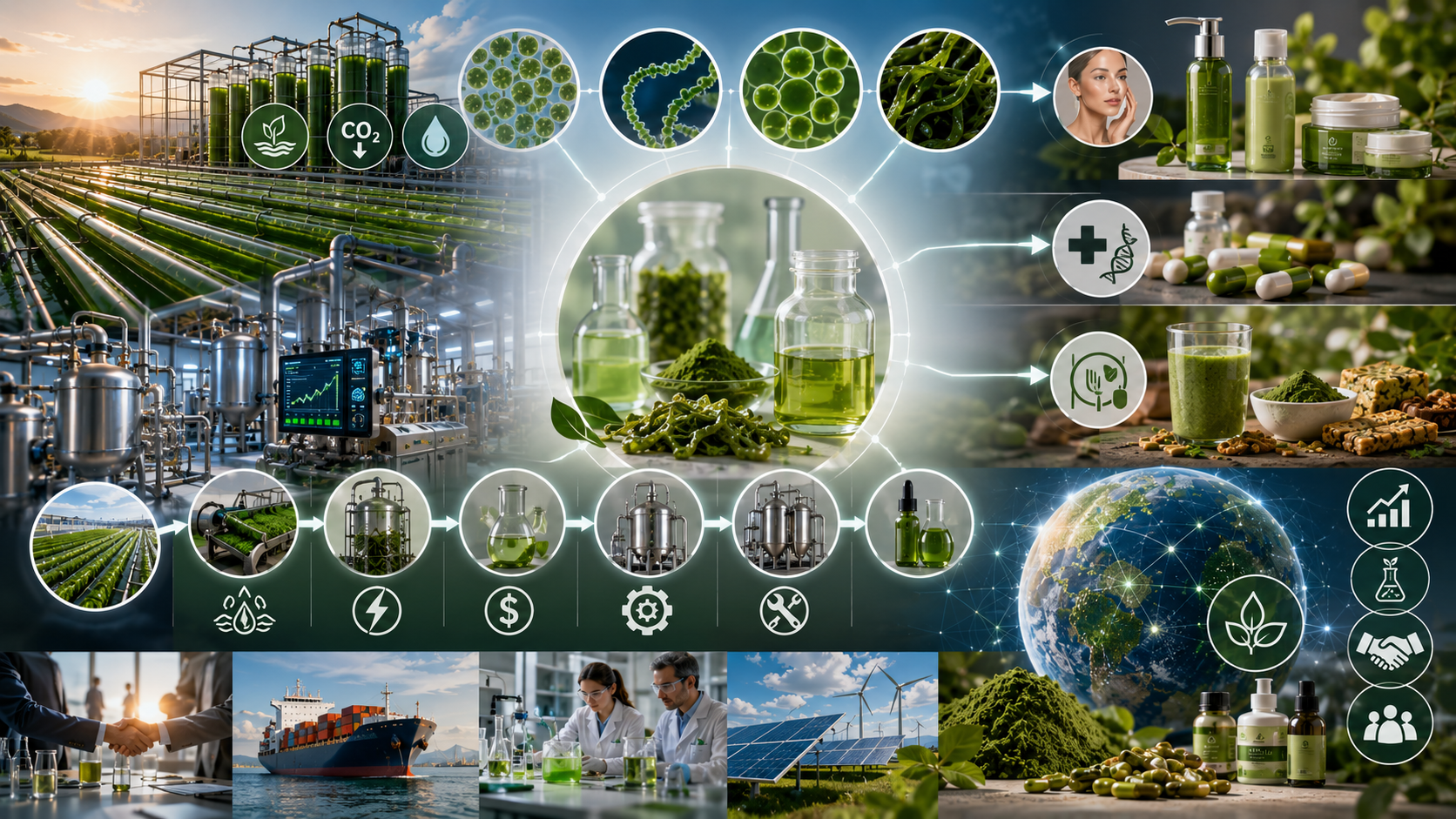
A major opportunity is in food, nutrition, and nutraceutical ingredients, especially protein, omega-3 oils, antioxidants, and natural colors. Microalgal compounds are widely recognized for strong nutrient density, and commercial demand is rising for vegan proteins and clean-label formulations. Products such as Spirulina, Chlorella, and DHA-rich algae oils fit well into supplements, fortified foods, infant nutrition, and functional beverages. The market logic is simple: food companies pay premiums for ingredients that are natural, sustainable, and scientifically differentiated.
Another strong opportunity is cosmetics and personal care. Microalgae bioactives are being used for skin repair, hydration, elasticity, and UV defense, and one current analysis projects the microalgae cosmetics market to exceed USD 1.3 billion by 2030. This matters commercially because beauty brands are looking for ingredients that combine performance with sustainability storytelling. Algae-based actives can be sold into serums, creams, masks, and anti-aging products where consumers are willing to pay for premium, science-backed natural ingredients.
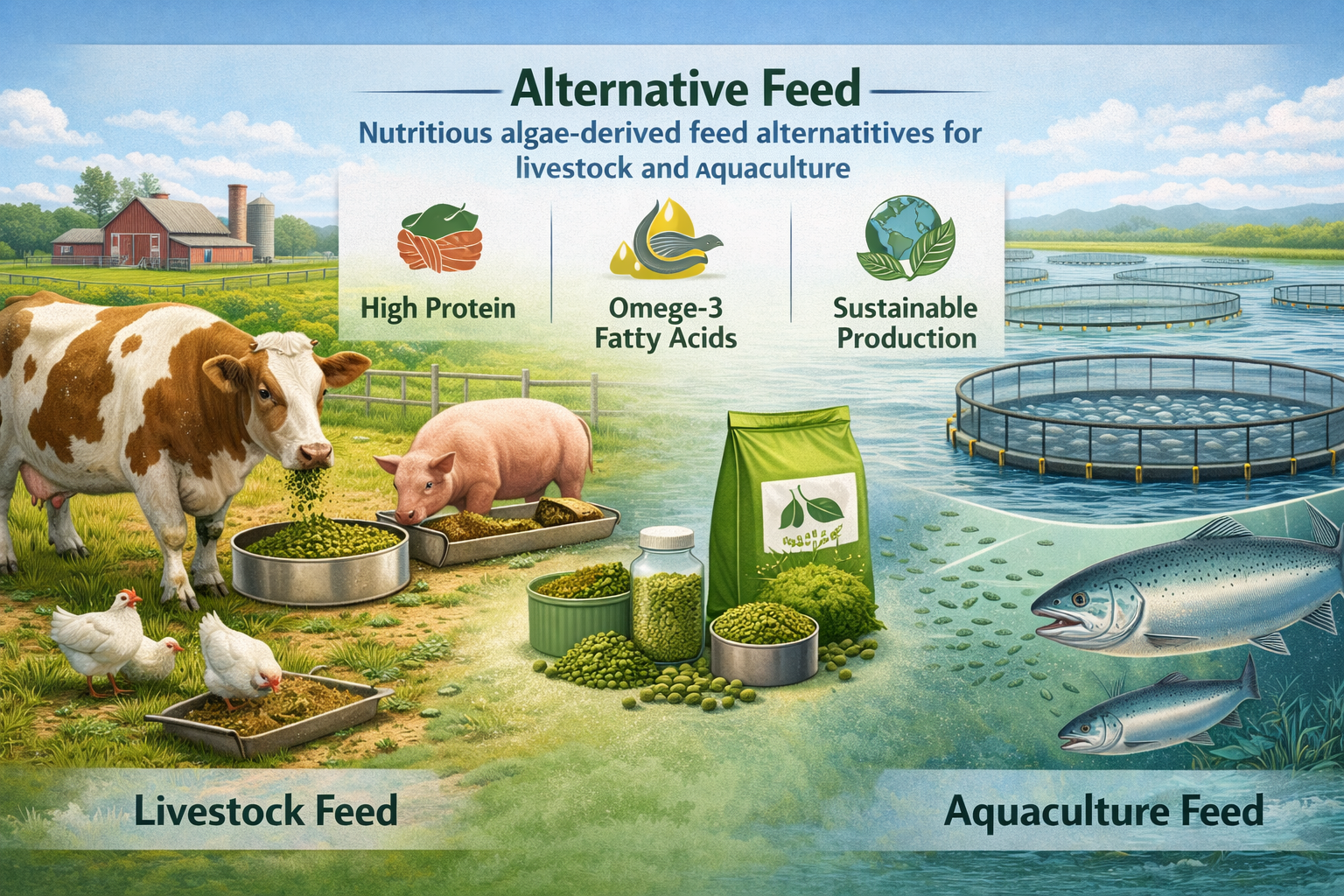
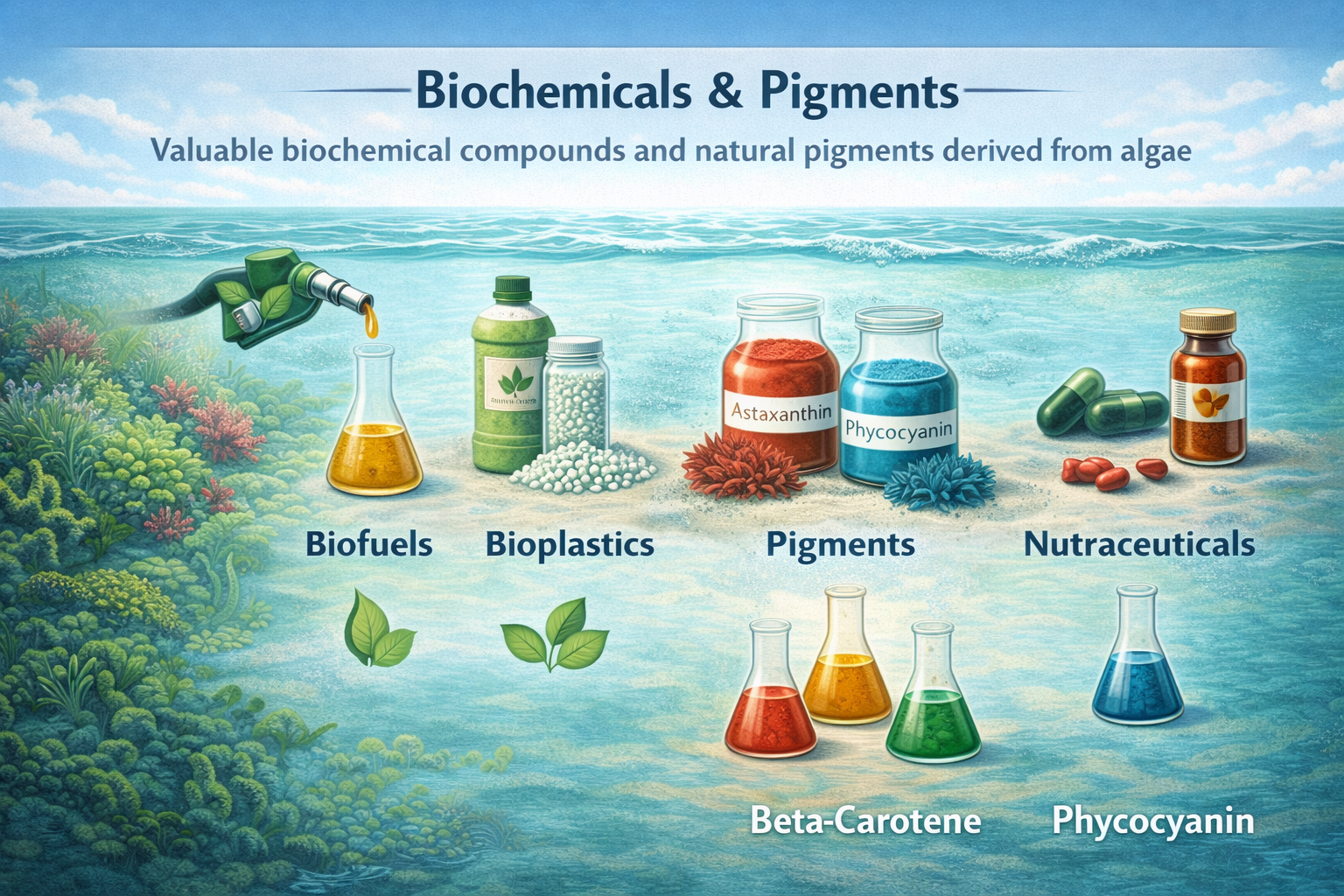
A third opportunity is specialty pigments and bioactives. In the algae-based chemical sector, pigments held about 25.1% of the market in 2025 and are expected to grow at 8.6% CAGR through 2035. Compounds such as astaxanthin, beta-carotene, chlorophyll, and phycocyanin are already used in food, feed, cosmetics, and pharmaceuticals. Astaxanthin in particular is commercially attractive because it serves multiple markets at once: aquaculture pigmentation, nutraceuticals, cosmetics, and food/beverage fortification.
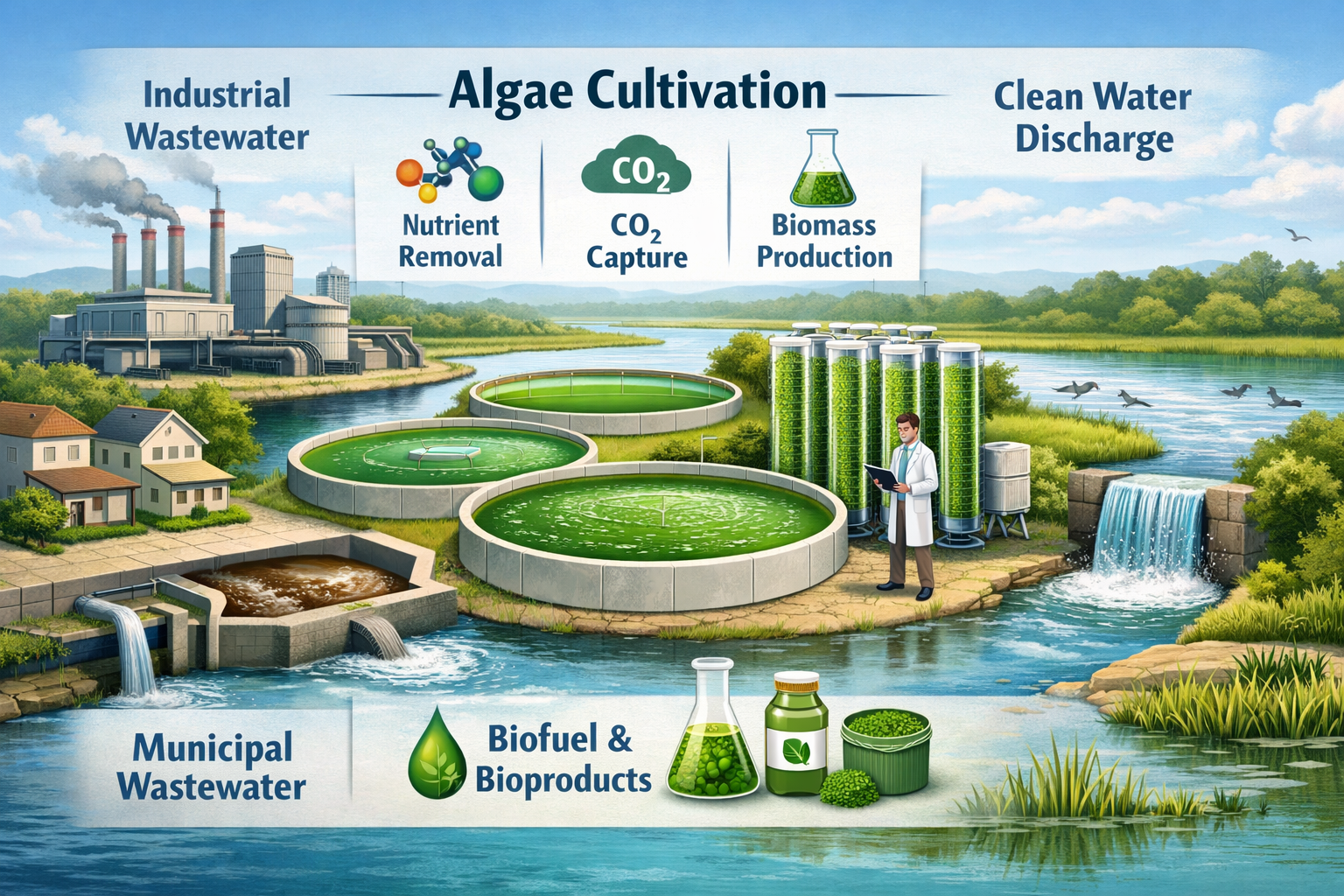
The biggest long-term opportunity is building integrated algae biorefineries that extract multiple products from the same biomass stream. Instead of selling one ingredient, companies can sell oils, proteins, pigments, antioxidants, and residual biomass into different end markets, improving margins and reducing waste. This is especially attractive because microalgae already have commercial advantages such as minimal land use and low water consumption, which strengthen their positioning in global sustainability-driven supply chains. In practice, the winners will be companies that combine cultivation, extraction, formulation, and branded ingredient sales into one exportable platform.