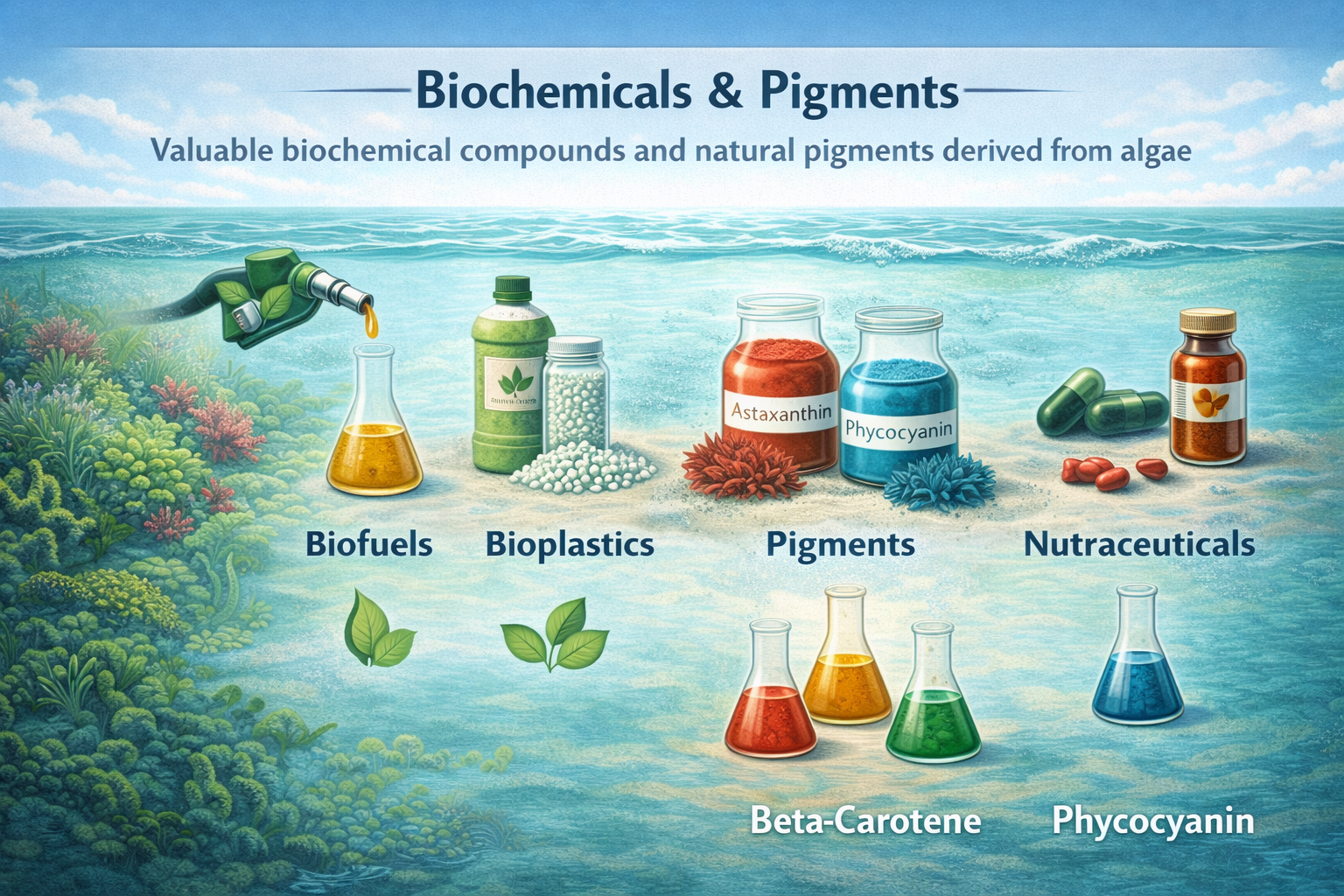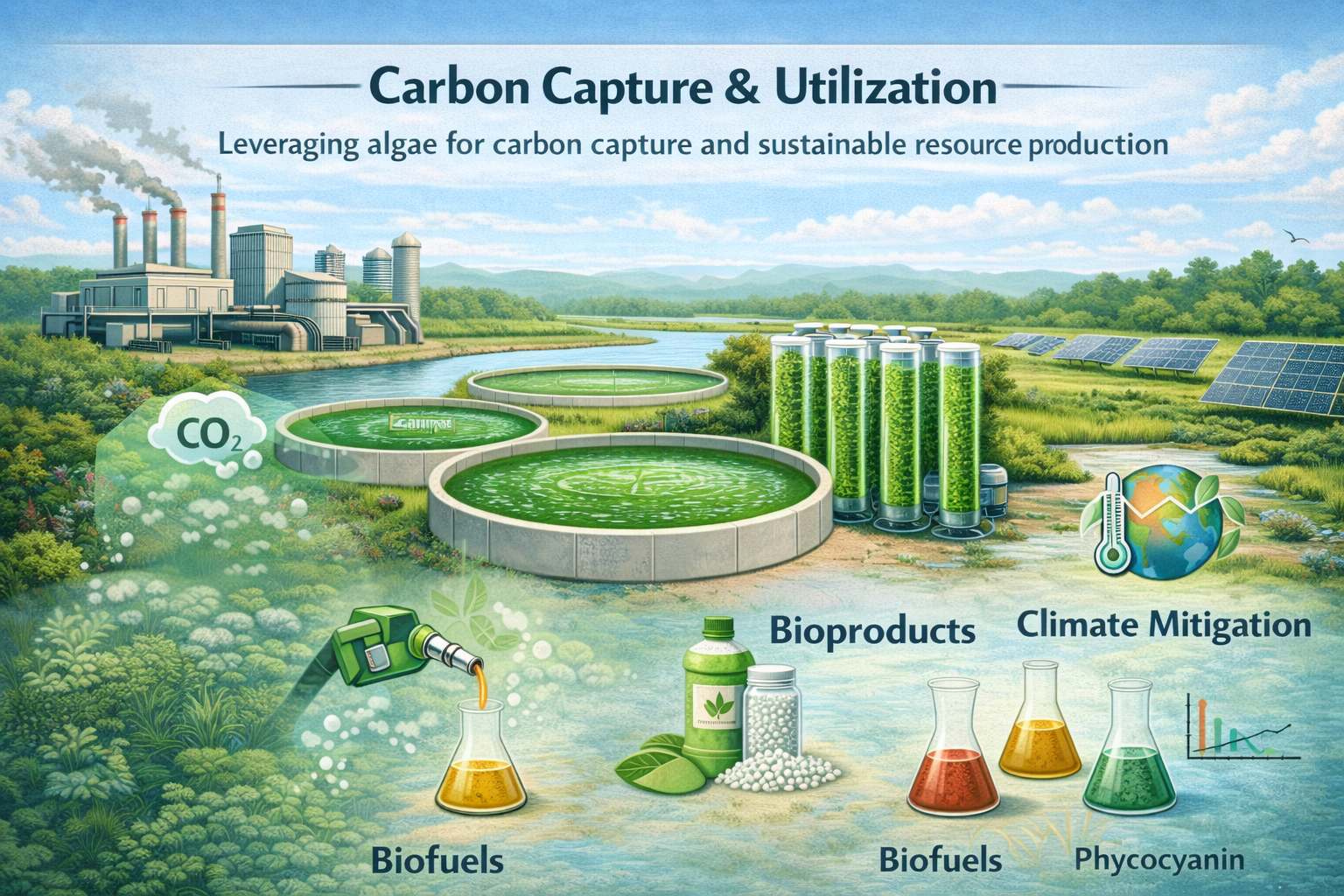
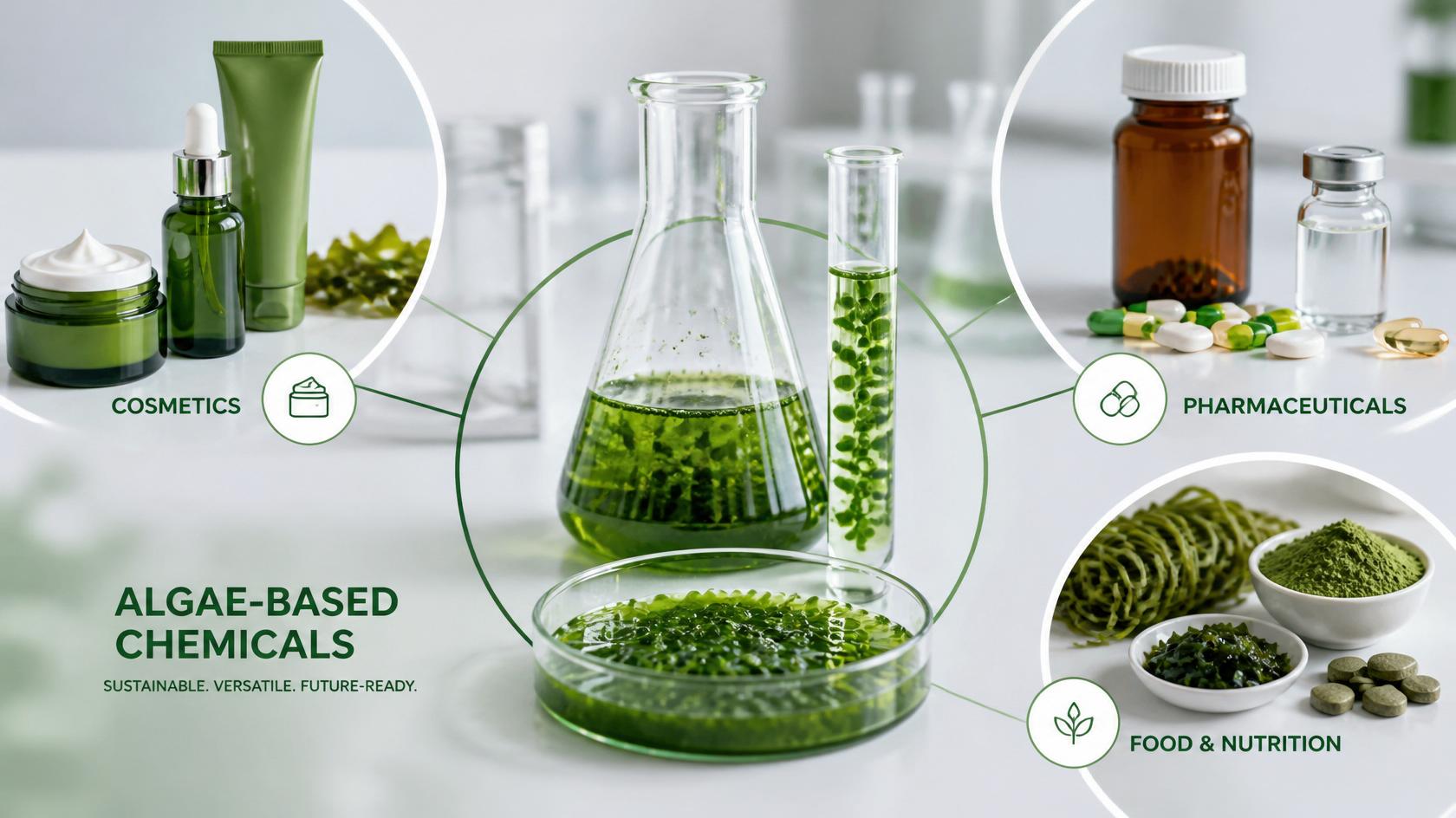
The efficiency of algae chemical extraction and processing is largely determined by how effectively companies can break algal cell walls, recover target compounds, and reduce energy and solvent costs. One of the most important technologies is supercritical fluid extraction (SFE), especially using supercritical CO₂. Reviews show that SFE can efficiently extract high-value compounds such as lipids, pigments, carotenoids, and omega-3 fatty acids while avoiding toxic organic solvents. It is particularly attractive for pharmaceutical, nutraceutical, and food-grade applications because it leaves minimal solvent residues and can improve product purity. However, commercial adoption depends on reducing high equipment and pressure-operation costs.
Another major efficiency technology is ultrasound-assisted and microwave-assisted extraction. These methods improve mass transfer by disrupting algal cell walls and accelerating solvent penetration. Research shows that ultrasound can significantly reduce extraction time and solvent consumption, while microwave systems can rapidly heat intracellular water and rupture cells more efficiently than conventional thermal processing. These technologies are increasingly important because many commercially valuable algae species, including Chlorella and Nannochloropsis, possess rigid cell walls that limit recovery yields under traditional extraction methods.
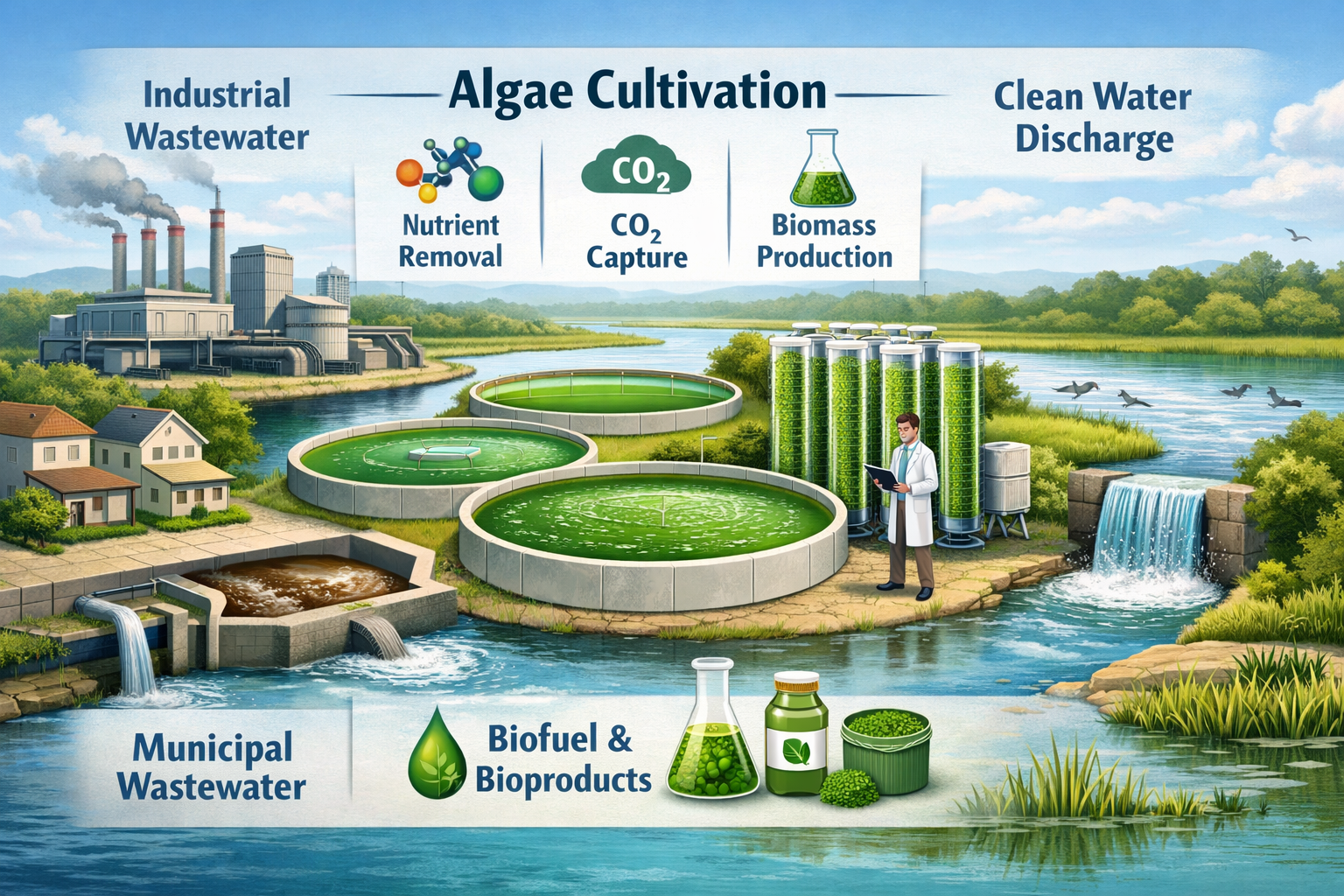
Membrane filtration and centrifugation technologies are also critical for improving large-scale algae processing efficiency. Harvesting microalgae from water is one of the costliest steps in the entire production chain because algae cultures are typically very dilute. Advanced membrane systems, dissolved air flotation, and energy-efficient centrifuges help reduce water-handling costs and improve biomass concentration before downstream extraction begins. Recent reviews emphasize that integrating membrane technologies with biorefineries can lower operational costs and improve recovery of proteins, lipids, and polysaccharides from algal biomass.
Biotechnology and genetic engineering are becoming increasingly important in improving extraction efficiency at the biological level. Researchers are developing algae strains with higher lipid productivity, thinner cell walls, faster growth rates, and enhanced metabolite accumulation. CRISPR and metabolic engineering approaches are being explored to increase production of specialty chemicals such as astaxanthin, beta-carotene, omega-3 oils, and pharmaceutical compounds. This reduces the processing burden because strains can be designed to produce larger concentrations of commercially valuable molecules before extraction even begins.
Finally, the future of algae chemical processing will likely depend on integrated biorefinery systems powered by automation and artificial intelligence. Modern algae biorefineries aim to extract multiple products sequentially—such as pigments, proteins, oils, carbohydrates, and fertilizers—from the same biomass stream instead of producing only one output. AI-based process optimization, sensor-driven cultivation systems, and digital monitoring can improve harvesting schedules, nutrient control, and extraction timing. Studies increasingly show that combining automated cultivation, advanced extraction, and multi-product biorefineries offers the best path toward commercial-scale profitability in the global algae chemicals industry.