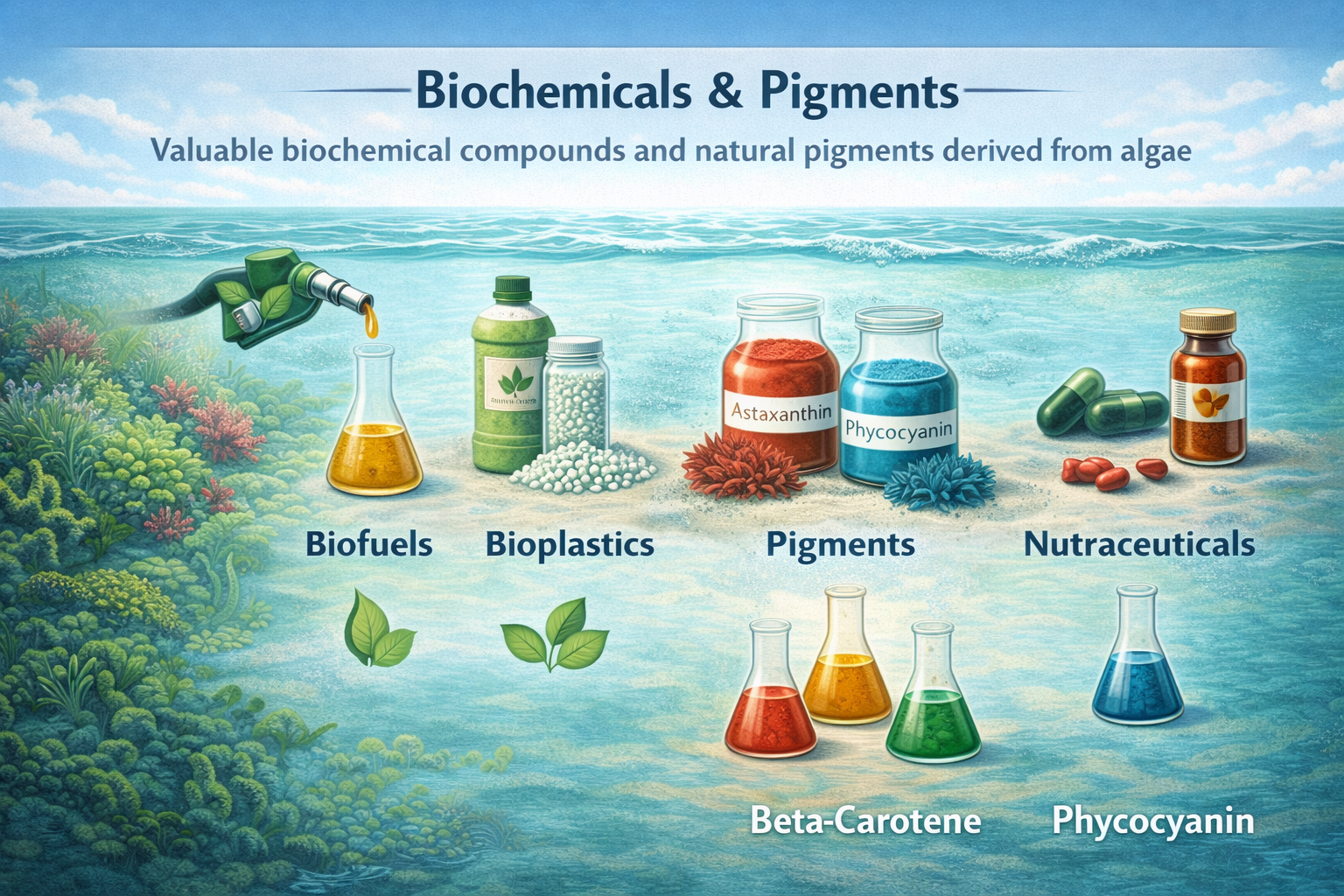
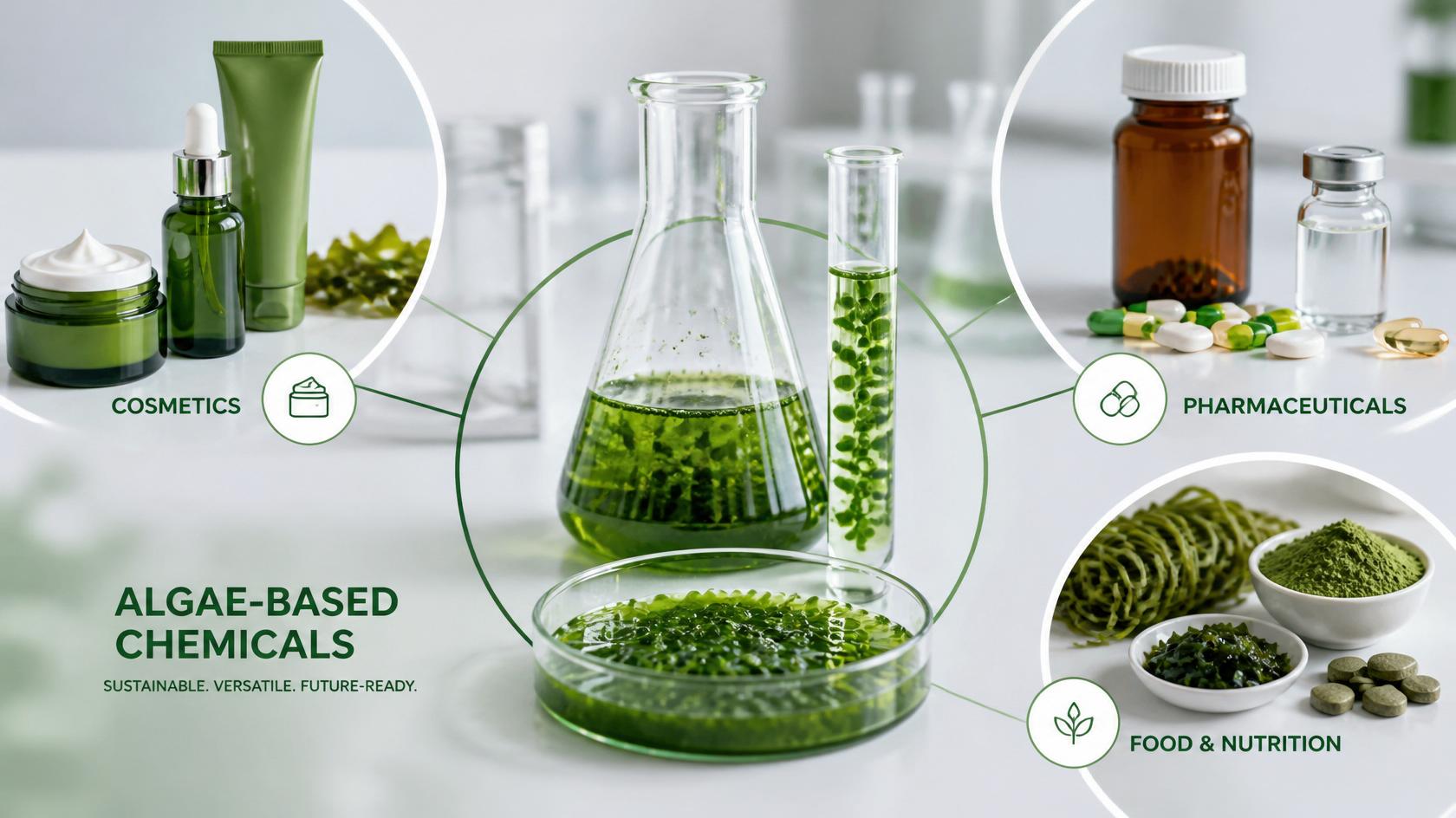
Algae-based chemicals can commercially compete with petroleum-based chemicals in selected markets, but the competitiveness depends heavily on the product category, production scale, and regulatory environment. At present, algae are generally more competitive in high-value specialty chemicals—such as pigments, nutraceuticals, cosmetics ingredients, omega-3 oils, and bioplastics precursors—than in low-margin bulk commodities. Reviews on algal biorefineries consistently note that the strongest economics come from producing multiple high-value outputs from the same biomass rather than trying to directly replace cheap fossil-derived chemicals at commodity scale.
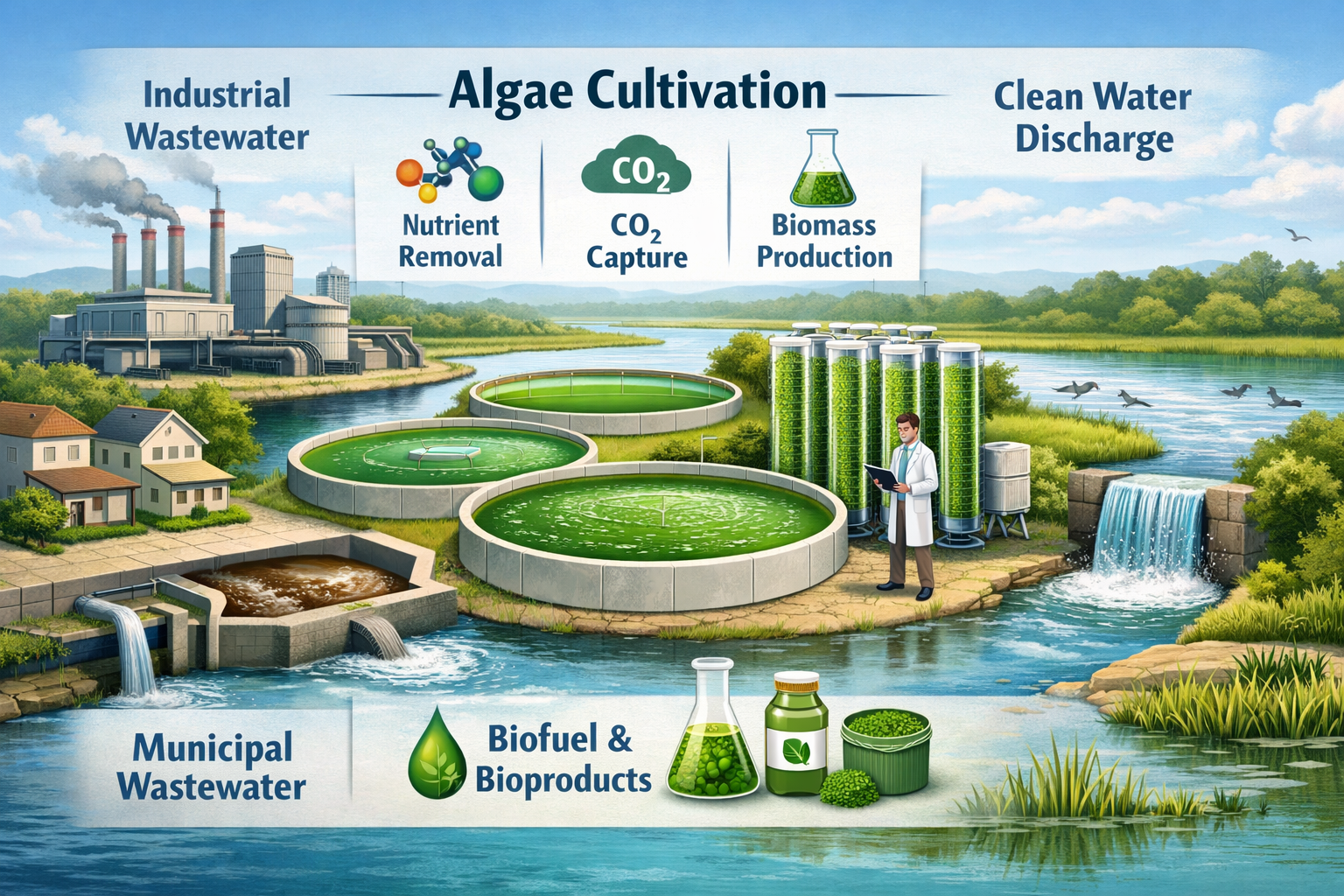
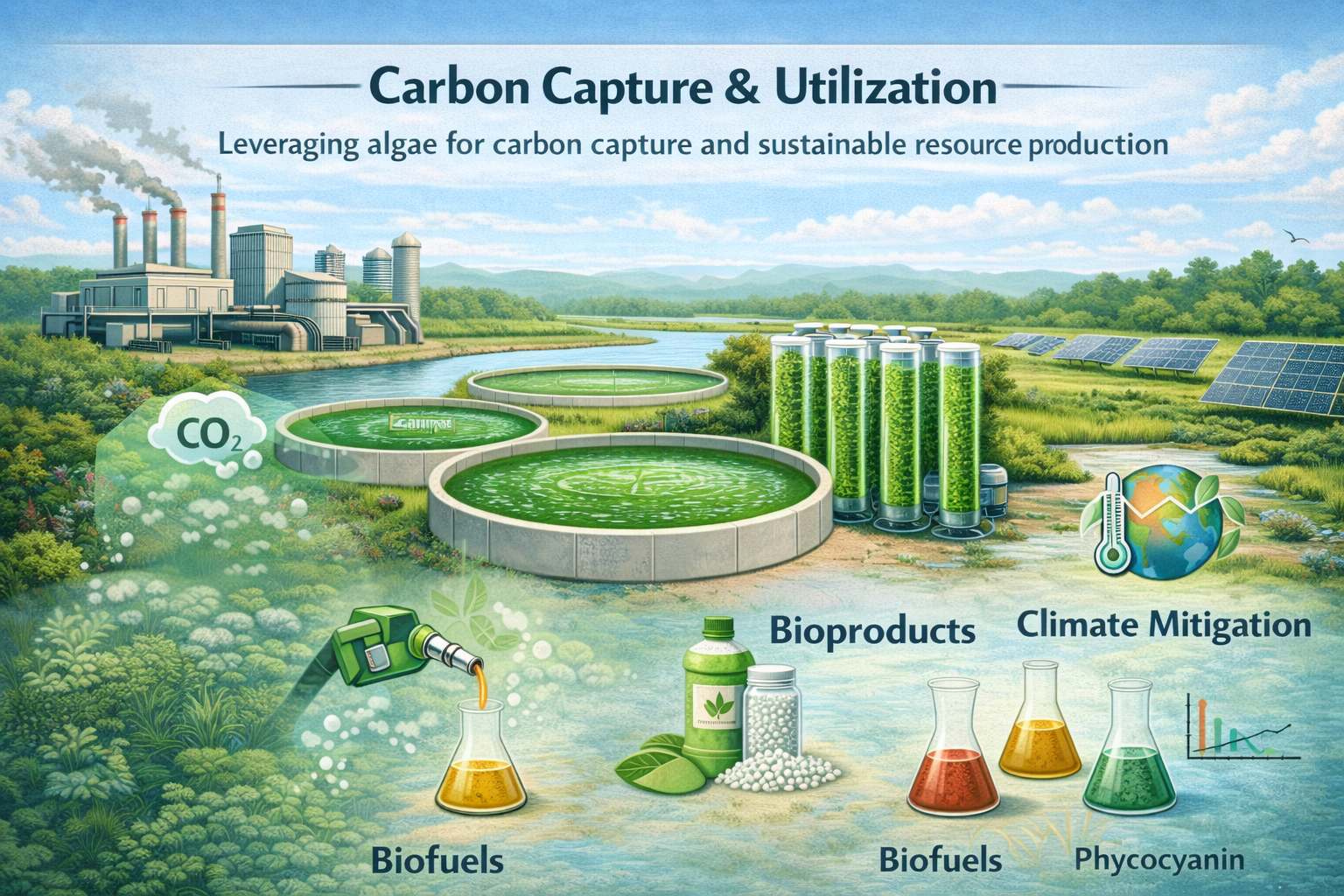
One major advantage of algae is productivity. Microalgae can produce substantially more biomass per hectare than terrestrial crops and can grow on non-arable land using saline water or wastewater. Certain algae species are also rich in lipids, proteins, carbohydrates, pigments, and specialty metabolites, allowing them to serve as feedstocks for fuels, solvents, surfactants, polymers, and pharmaceutical ingredients. In addition, algae cultivation can be integrated with industrial CO₂ capture and wastewater treatment, improving environmental performance compared with petroleum systems that rely on fossil carbon extraction. These sustainability benefits are becoming commercially important as governments tighten carbon and pollution regulations globally.
However, the largest challenge remains cost competitiveness. Petroleum-based chemicals benefit from more than a century of infrastructure, mature supply chains, and massive economies of scale. Multiple techno-economic analyses show that algal biomass production, harvesting, drying, and downstream extraction are still expensive, particularly for bulk chemical production. Energy consumption during dewatering and processing remains a major issue. As a result, algae-based chemicals often struggle to compete directly with low-cost petrochemicals unless there are policy incentives, premium pricing, or co-product strategies involved.
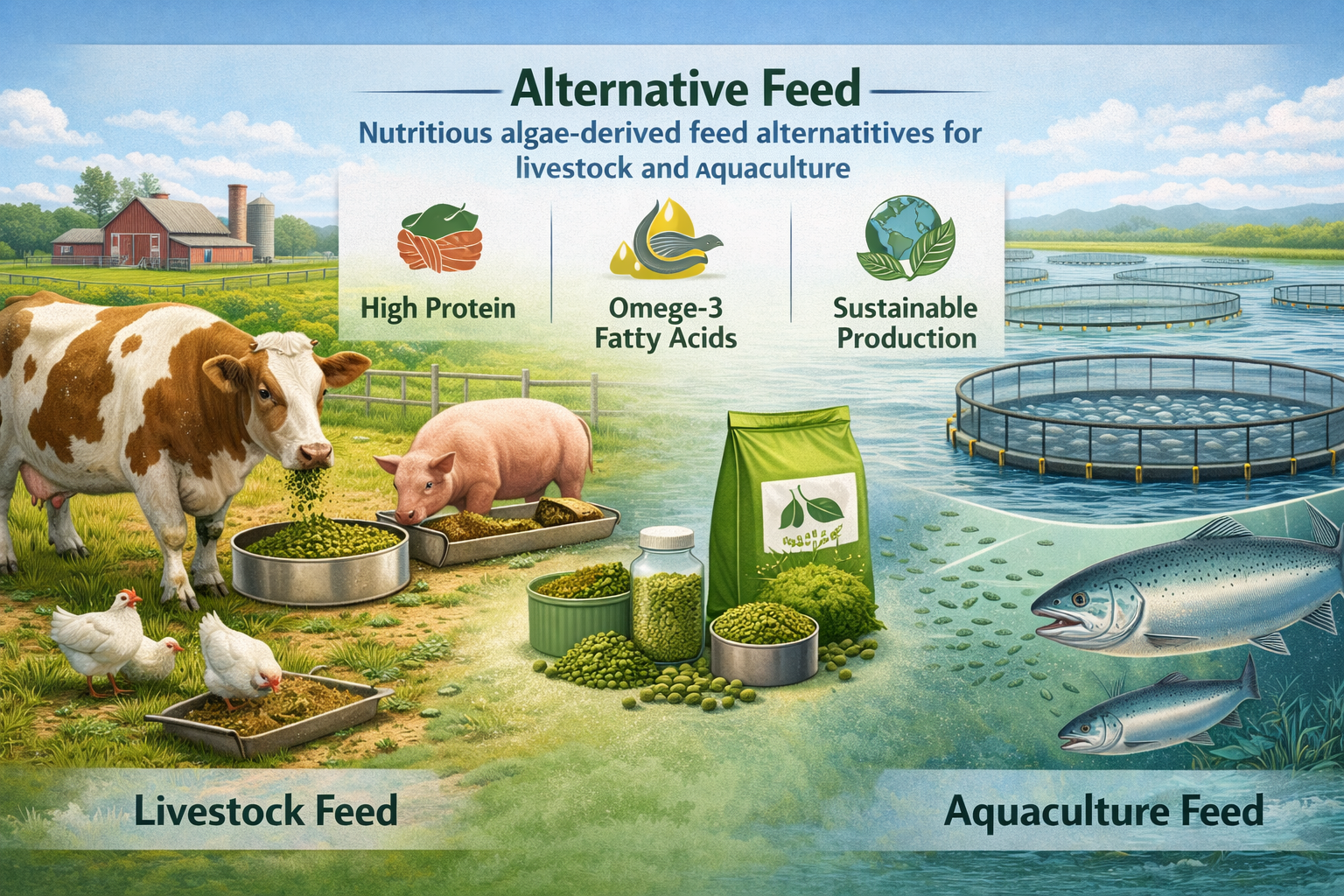
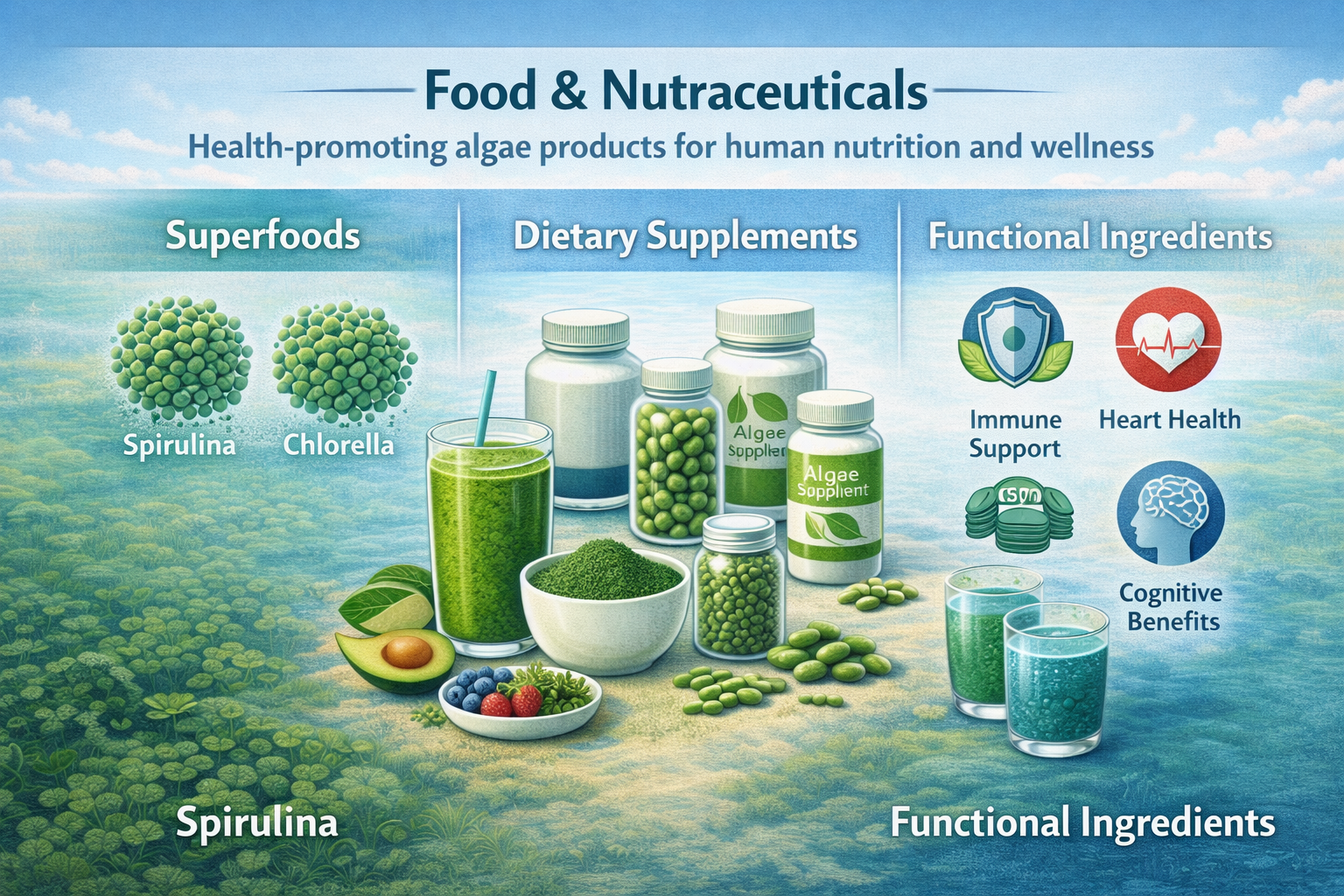
Despite these barriers, several algae-derived products are already commercially successful. Algae-based omega-3 oils are increasingly replacing fish oil in dietary supplements and aquaculture feed, while natural pigments such as astaxanthin, phycocyanin, and beta-carotene are widely used in food, cosmetics, and nutraceutical industries. Bioplastics and biodegradable polymers derived from algae are also gaining attention as governments restrict single-use petroleum plastics. Market growth is supported by consumer demand for “natural,” low-carbon, and sustainable ingredients, especially in Europe, North America, Japan, South Korea, and China.
In the long term, algae-based chemicals are most likely to compete through a biorefinery model, where every component of the biomass is monetized. Instead of competing only on raw price per kilogram, companies can combine wastewater treatment, carbon capture, renewable energy generation, specialty chemicals, animal feed, and fertilizers into integrated systems. This approach improves profitability and reduces dependence on a single product market. Therefore, algae-based chemicals are unlikely to fully replace petroleum chemicals in the near future, but they are increasingly positioned to capture profitable segments where sustainability, carbon reduction, and bio-based sourcing provide strategic commercial advantages.