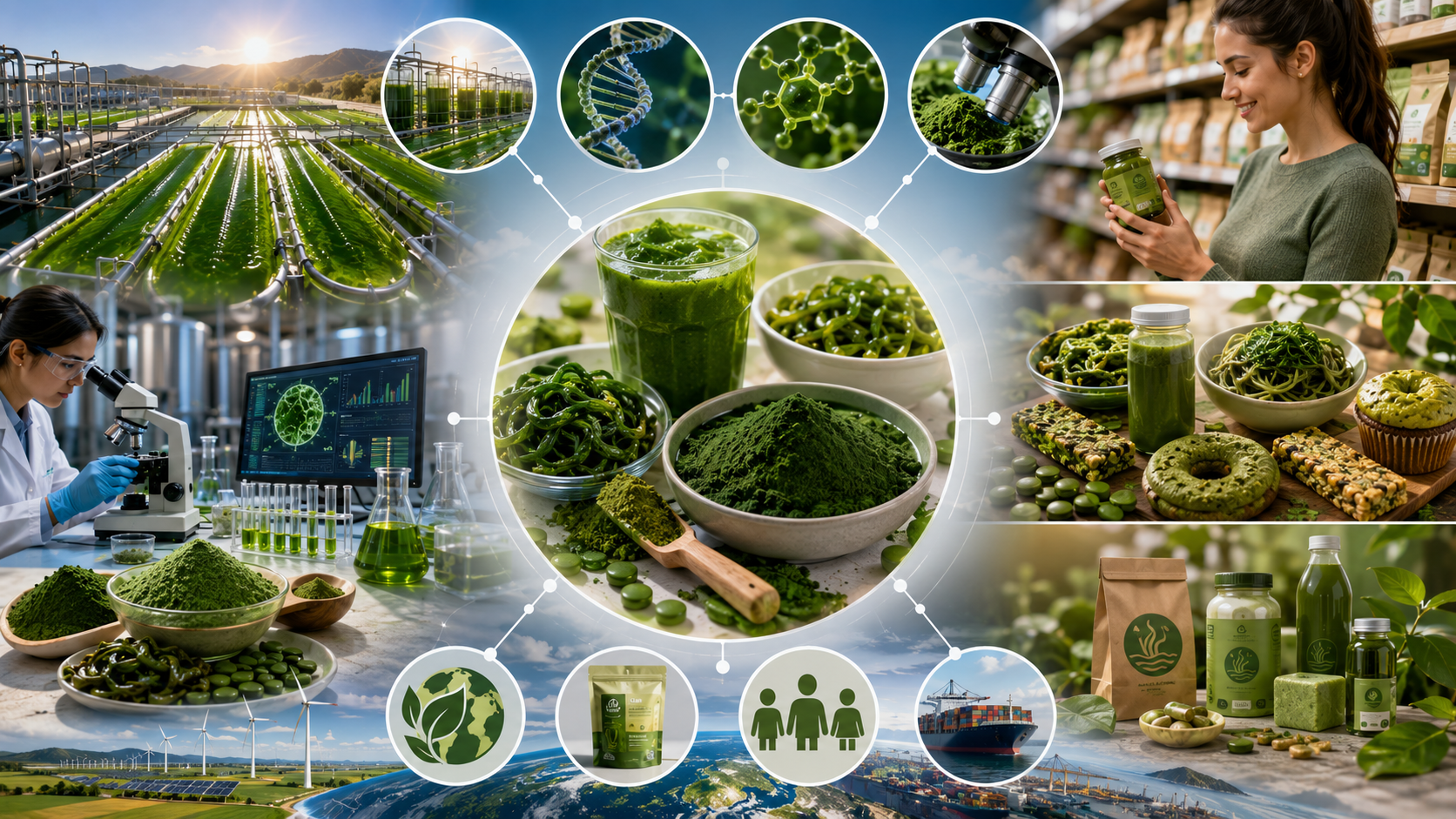
The long-term export potential for algae-based food products from emerging markets is considered extremely strong because global demand for sustainable proteins, plant-based nutrition, omega-3 ingredients, and functional foods is growing rapidly. Emerging economies such as India, China, Indonesia, Vietnam, Thailand, Brazil, and several African nations possess major competitive advantages including warm climates, lower labor costs, abundant sunlight, and access to coastal or non-arable land suitable for algae cultivation. As the global algae food and nutrition sector is projected to exceed USD 10 billion within the next decade, emerging markets are expected to become major production and export hubs for algae-derived ingredients and finished nutritional products.
One of the biggest export opportunities lies in Spirulina and Chlorella production. These microalgae are already traded internationally as dietary supplements, protein powders, tablets, capsules, and functional food ingredients. Countries such as China and India currently dominate much of the global Spirulina supply because they can cultivate algae at lower operating costs than many Western countries. Emerging markets with tropical and subtropical climates can achieve high year-round productivity, giving them strong export competitiveness. In addition, algae cultivation does not require fertile agricultural land, allowing producers to expand without directly competing with traditional food crops.
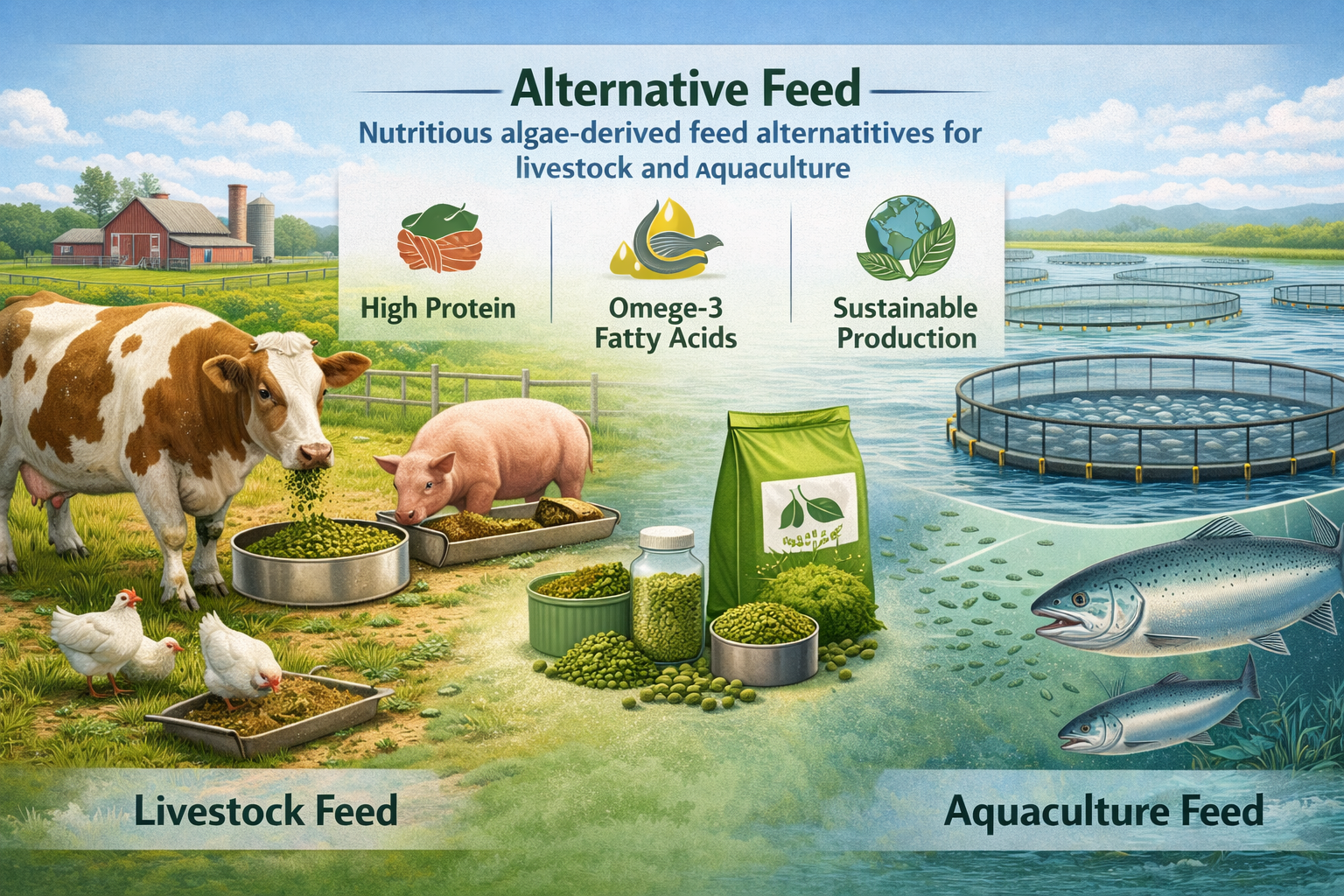
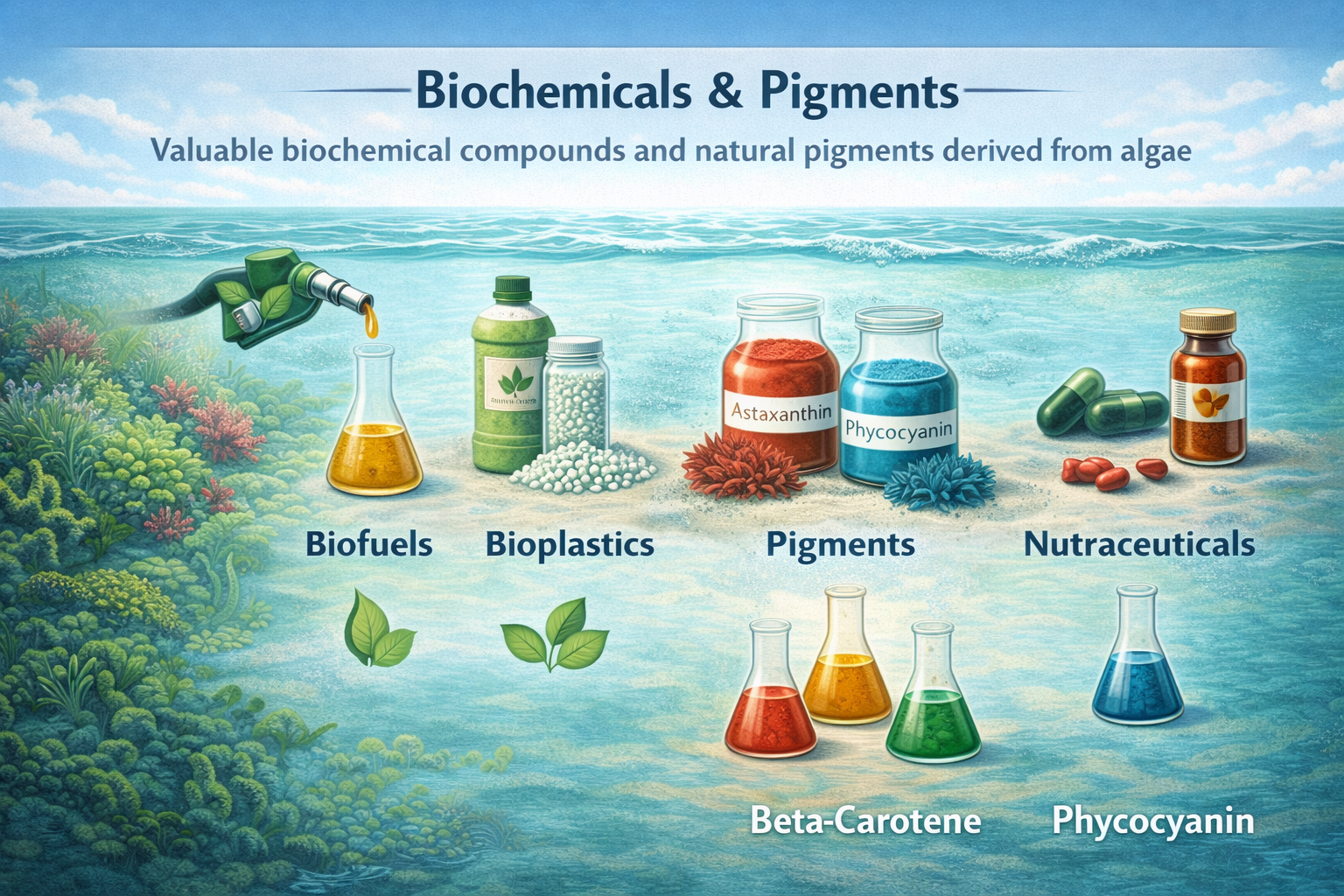
The export market is also expected to expand because algae-based ingredients fit several major global food trends simultaneously. International demand is increasing for vegan proteins, clean-label foods, natural colorants, immunity-supporting supplements, and sustainable omega-3 oils. Algae-derived DHA and EPA oils are becoming increasingly important as alternatives to fish oil, particularly in Europe and North America where sustainability concerns around marine fisheries are intensifying. High-value compounds such as astaxanthin, beta-carotene, phycocyanin, and chlorophyll extracts also provide emerging-market exporters with opportunities to move beyond low-margin raw biomass into premium nutraceutical and functional ingredient markets.
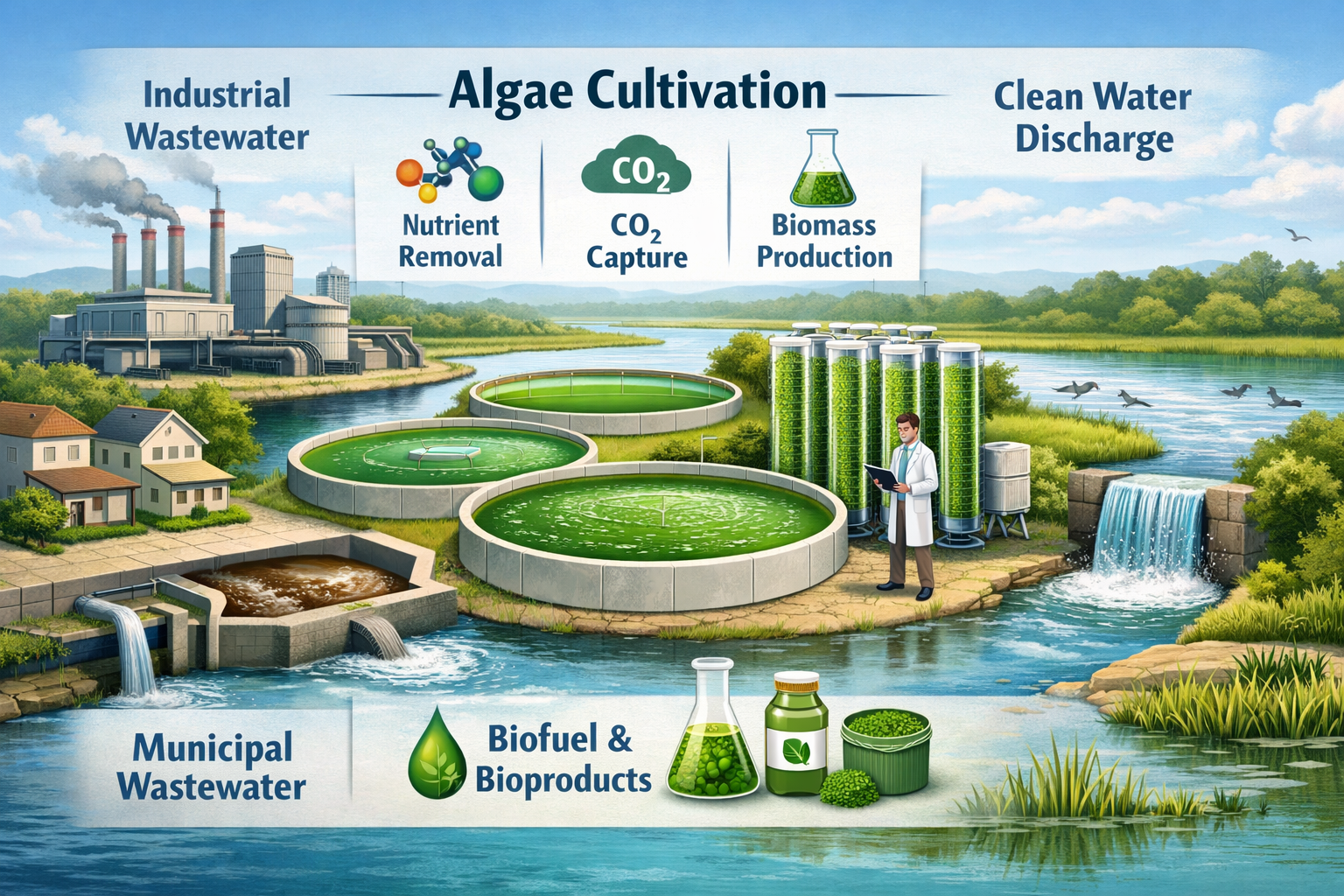
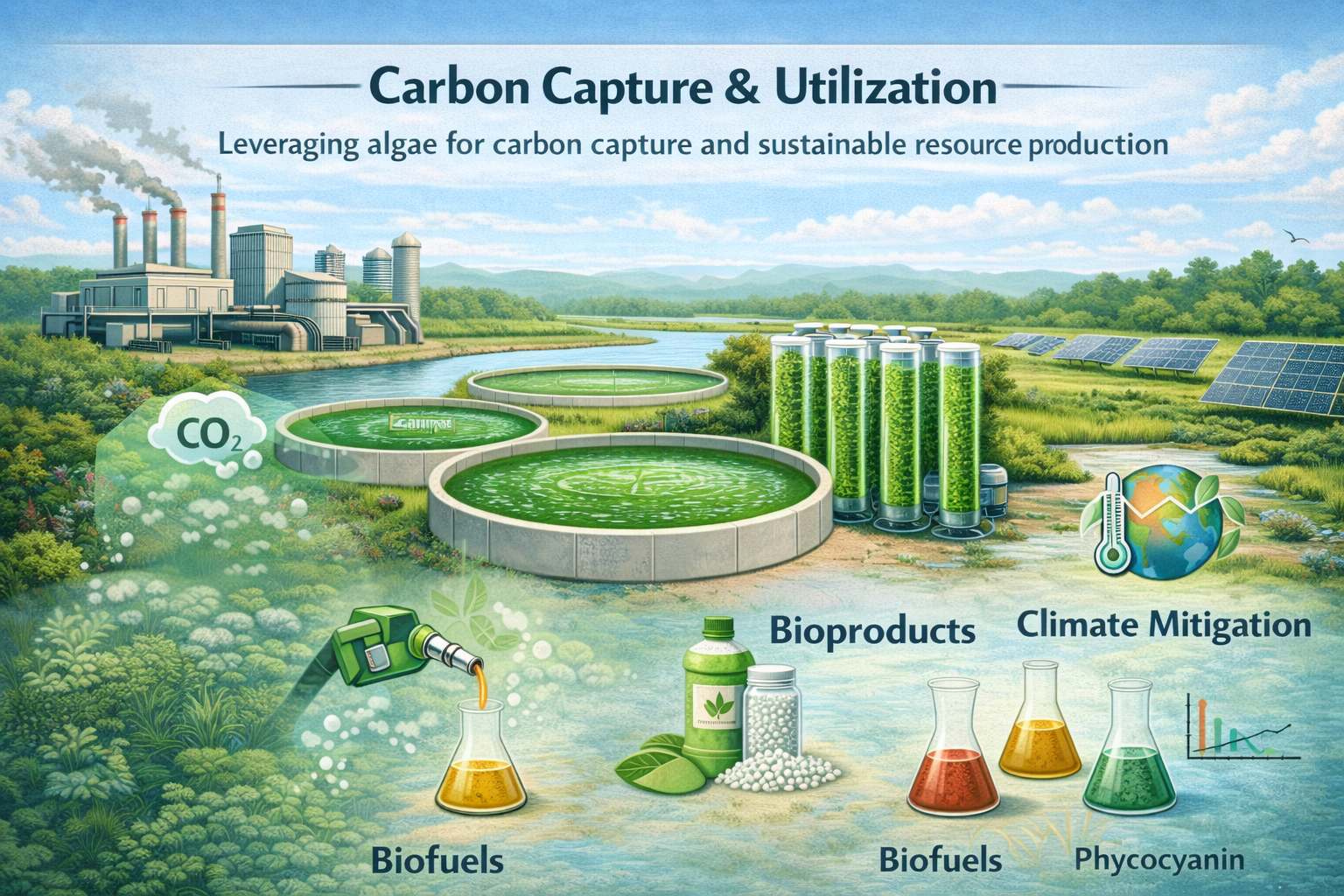
Another important factor supporting long-term export potential is the growing focus on food security and climate-resilient agriculture. Algae cultivation generally requires less land than conventional crops and can utilize seawater, brackish water, or wastewater in some systems. This makes algae attractive for countries facing agricultural constraints, water scarcity, or climate stress. Governments and investors in Asia, the Middle East, and Africa are increasingly supporting algae biotechnology because it aligns with sustainability goals, export diversification, and bioeconomy development strategies. As production technologies improve and costs decline, emerging markets could become globally competitive suppliers not only of algae biomass but also of refined proteins, oils, pigments, and nutraceutical ingredients.
Despite the strong outlook, several challenges still influence export competitiveness. Emerging-market producers must improve quality control, international certification, food safety compliance, processing infrastructure, and supply-chain consistency to compete in premium markets such as the United States, Europe, Japan, and South Korea. Production cost reduction also remains critical because algae products are still more expensive than many traditional food ingredients. However, the long-term trajectory remains highly favorable because algae align with multiple high-growth sectors simultaneously: alternative proteins, functional nutrition, sustainable agriculture, and climate-smart food systems. For many emerging economies, algae-based food exports could eventually become a significant component of the future bioeconomy and global health-food trade.