Partnerships with food manufacturers, retailers, and nutraceutical companies are extremely important for successful market entry in the algae-based food and nutrition industry because the sector is still transitioning from a niche health market into mainstream consumer products. Many algae startups possess cultivation or biotechnology expertise but lack large-scale distribution networks, consumer brand recognition, regulatory experience, and retail access. Collaborating with established food and nutrition companies allows algae producers to accelerate commercialization, reduce market-entry risk, and gain faster access to global customers. In many cases, partnerships are the difference between remaining a small specialty producer and achieving industrial-scale growth.
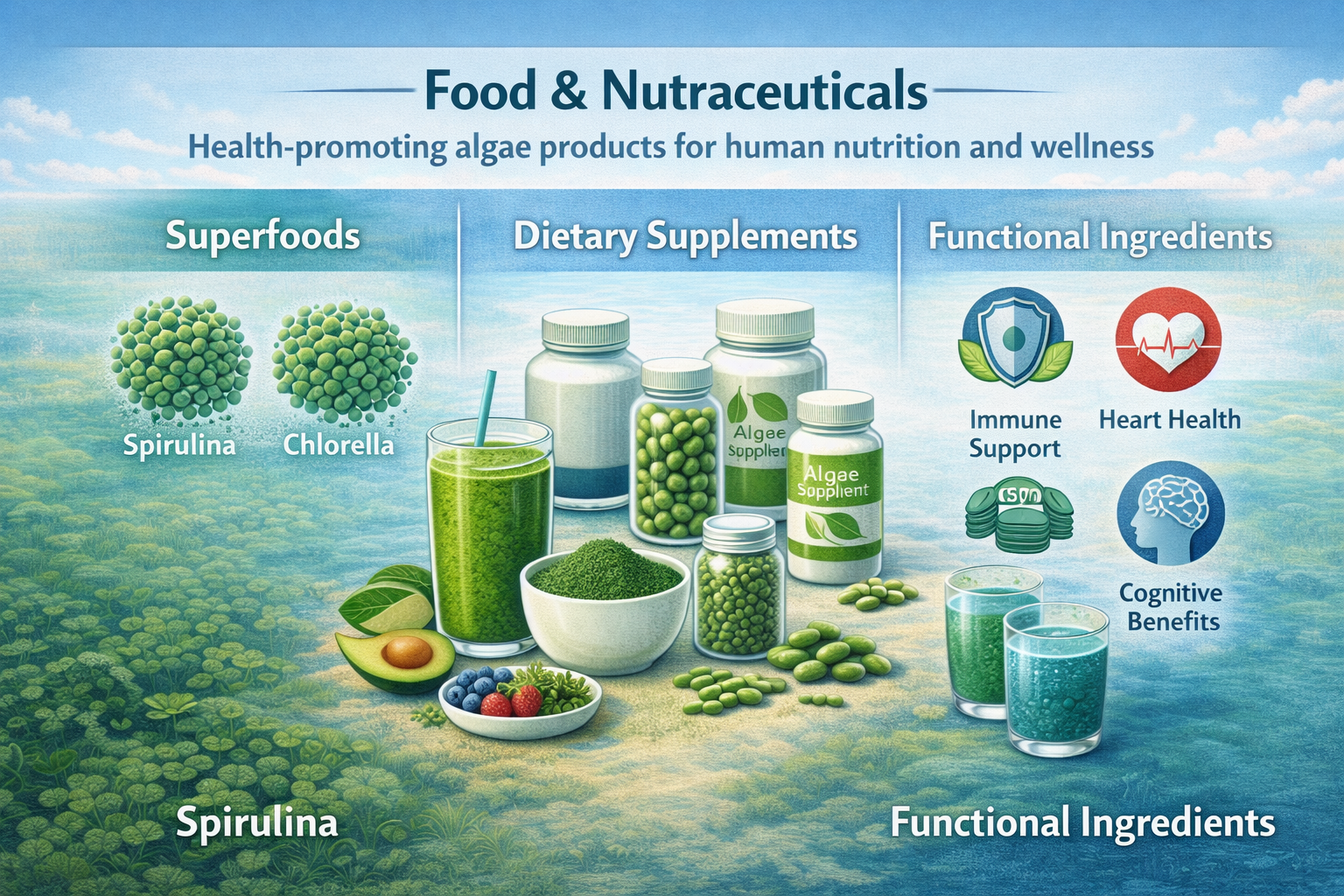
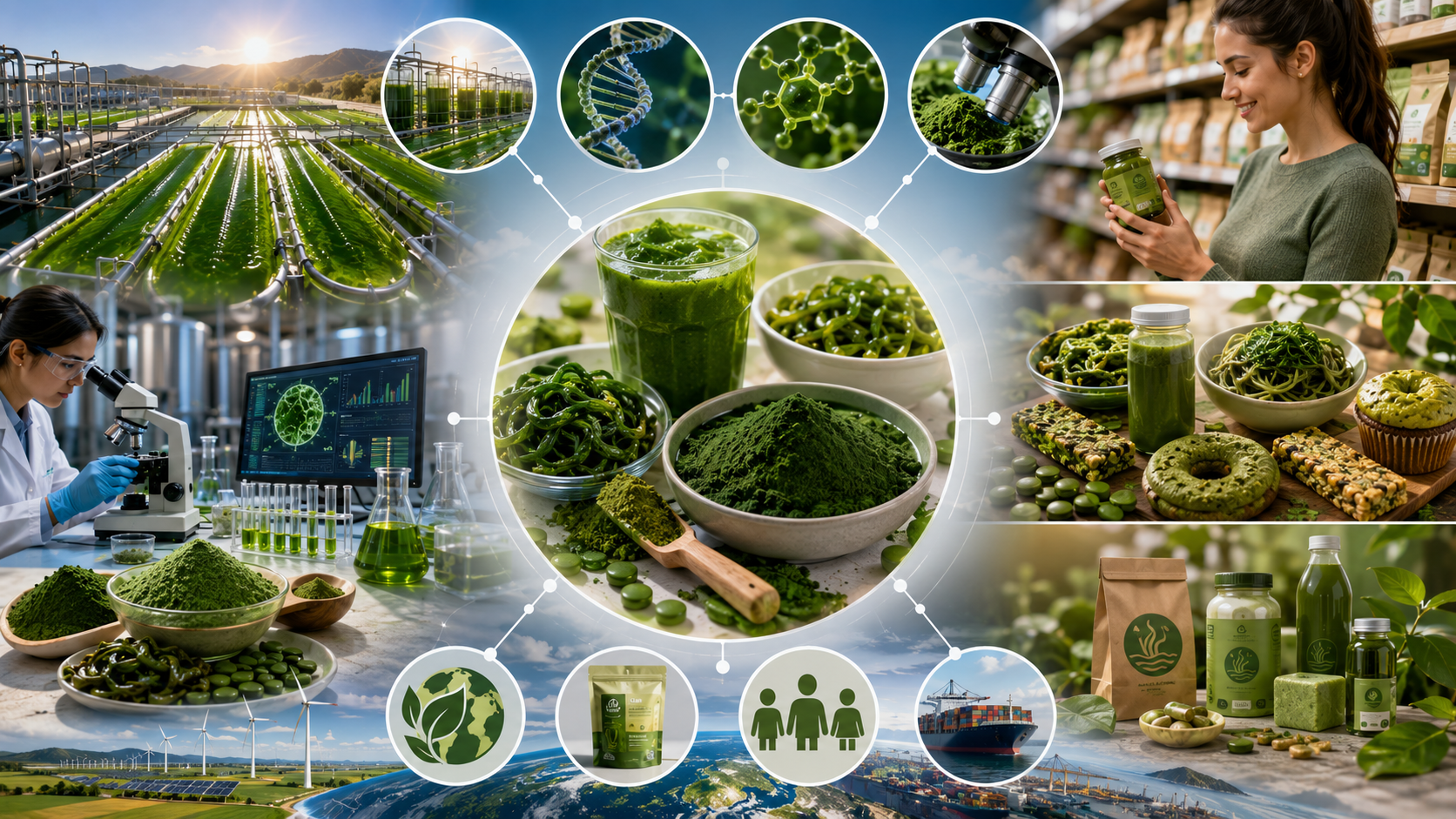
Partnerships with food manufacturers are especially critical because they allow algae ingredients to be integrated into existing consumer products such as protein drinks, plant-based meat alternatives, nutrition bars, dairy substitutes, snacks, and functional beverages. Large manufacturers already control extensive production infrastructure, quality systems, and international supply chains. This enables algae ingredients such as Spirulina protein, Chlorella powder, DHA oils, and natural pigments to reach mass-market consumers much faster than through independent brand-building alone. Global food companies are increasingly interested in algae because they align with major trends including plant-based nutrition, sustainable proteins, and clean-label ingredients.
Retail partnerships are equally important because consumer awareness of algae-based foods is still developing in many countries. Large supermarket chains, health-food retailers, pharmacy networks, and e-commerce platforms provide immediate market visibility and credibility. In the global nutrition industry, shelf placement and retail trust strongly influence purchasing decisions. Retailers also help algae companies access premium wellness markets where consumers are willing to pay higher prices for sustainable and functional nutrition products. As algae products move beyond specialty supplement stores into mainstream retail channels, partnerships become essential for scaling volume and achieving consistent recurring sales.
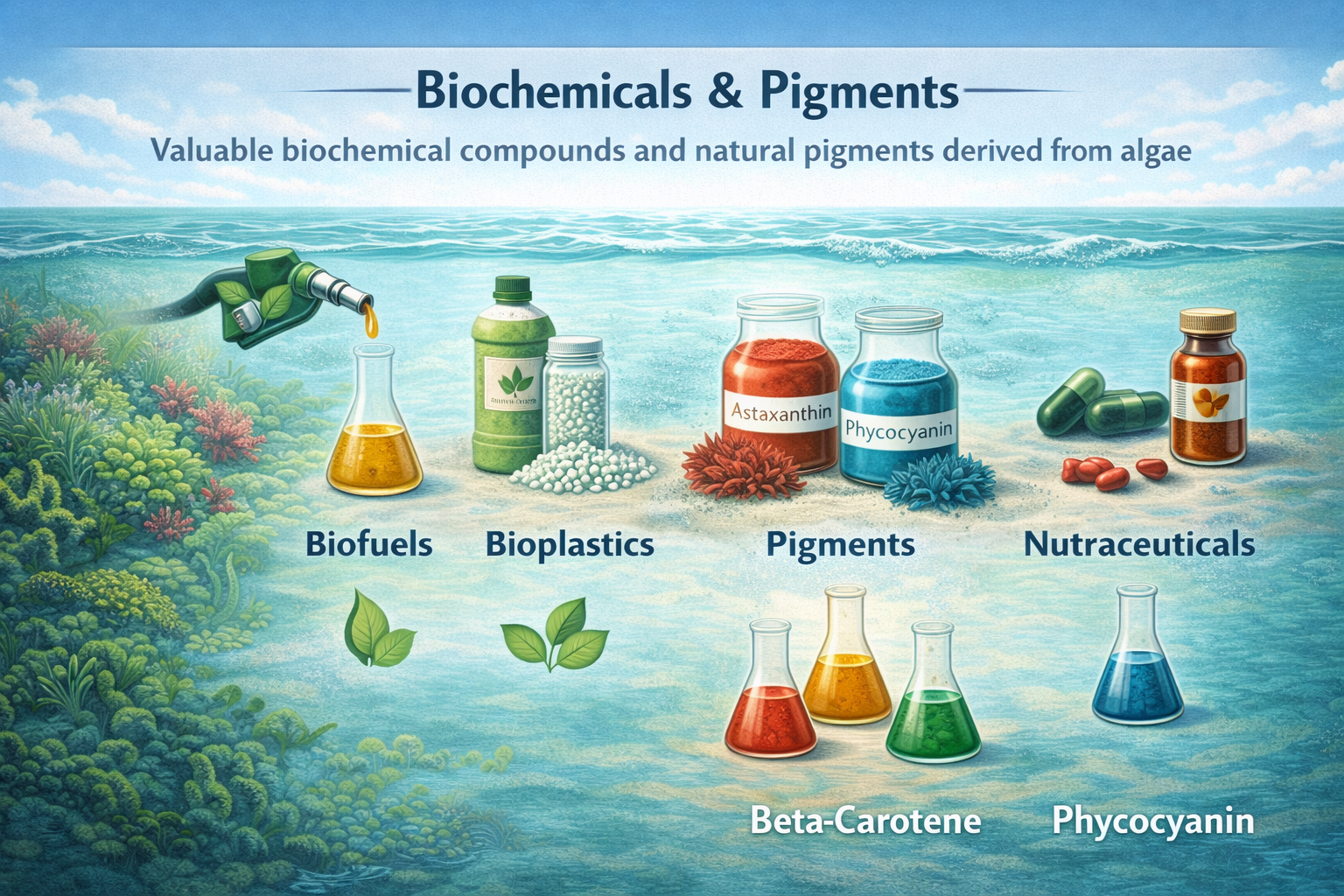
The role of nutraceutical and supplement companies is particularly significant because this sector currently represents one of the most commercially mature algae markets. Algae-derived ingredients such as omega-3 DHA, astaxanthin, phycocyanin, beta-carotene, and antioxidant extracts are already widely used in dietary supplements and functional health products. Nutraceutical firms often possess strong regulatory knowledge, scientific marketing capabilities, and established health-focused customer bases. Strategic collaborations allow algae producers to commercialize high-value compounds more rapidly while leveraging existing clinical, branding, and distribution ecosystems. This is especially important because premium nutraceutical ingredients typically generate higher margins than bulk food ingredients.
Globally, the importance of partnerships will continue increasing as the algae industry becomes more competitive and capital intensive. Scaling algae cultivation, extraction, processing, regulatory approvals, and international distribution requires substantial investment and operational expertise. Companies that form strong alliances across the food, retail, and nutraceutical sectors are better positioned to secure financing, expand production capacity, and enter new geographic markets. In practice, the most successful algae businesses are increasingly operating through integrated value-chain partnerships rather than standalone production models. As consumer demand for sustainable nutrition grows worldwide, these strategic collaborations are expected to become one of the main drivers of commercial success in the algae-based food industry.