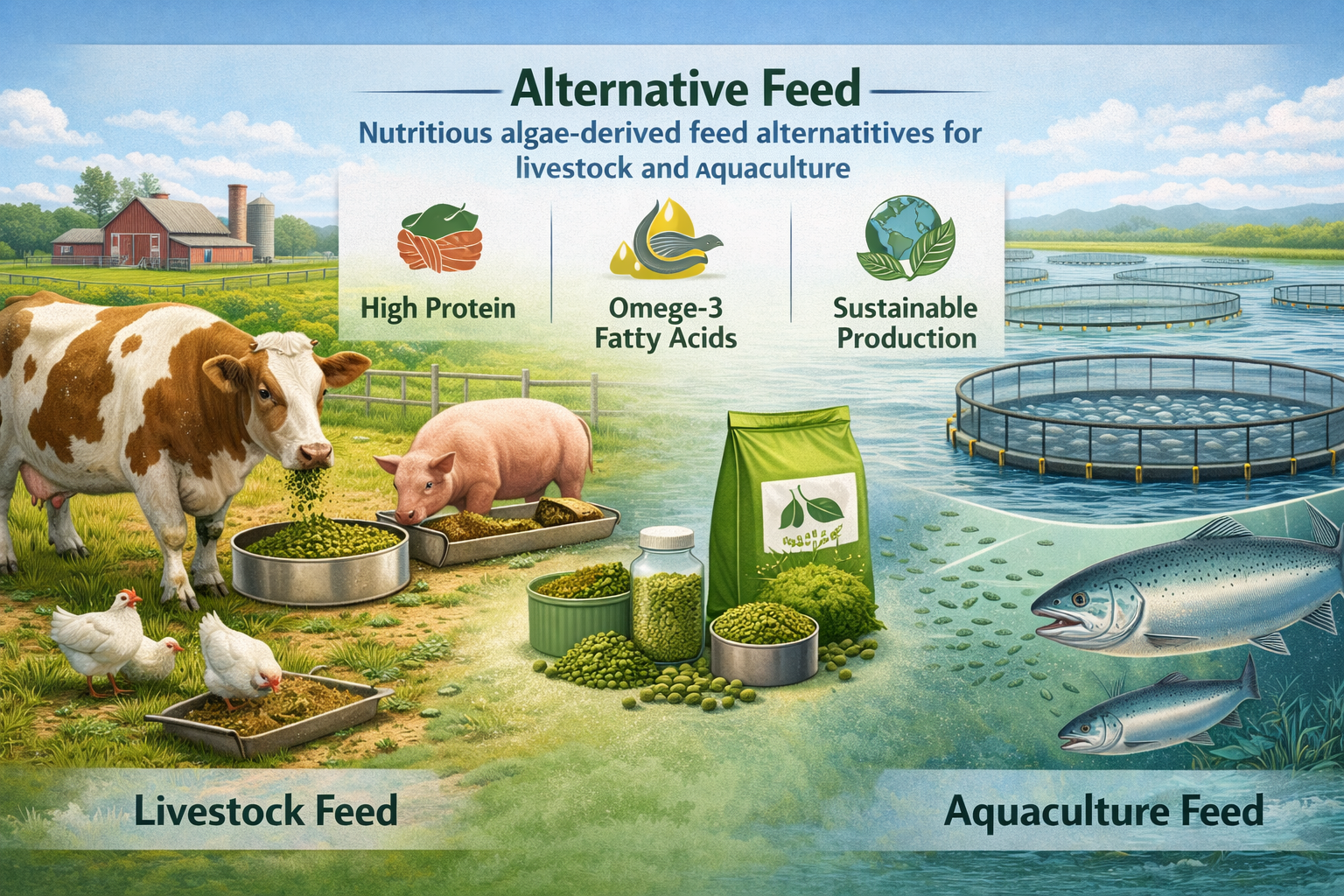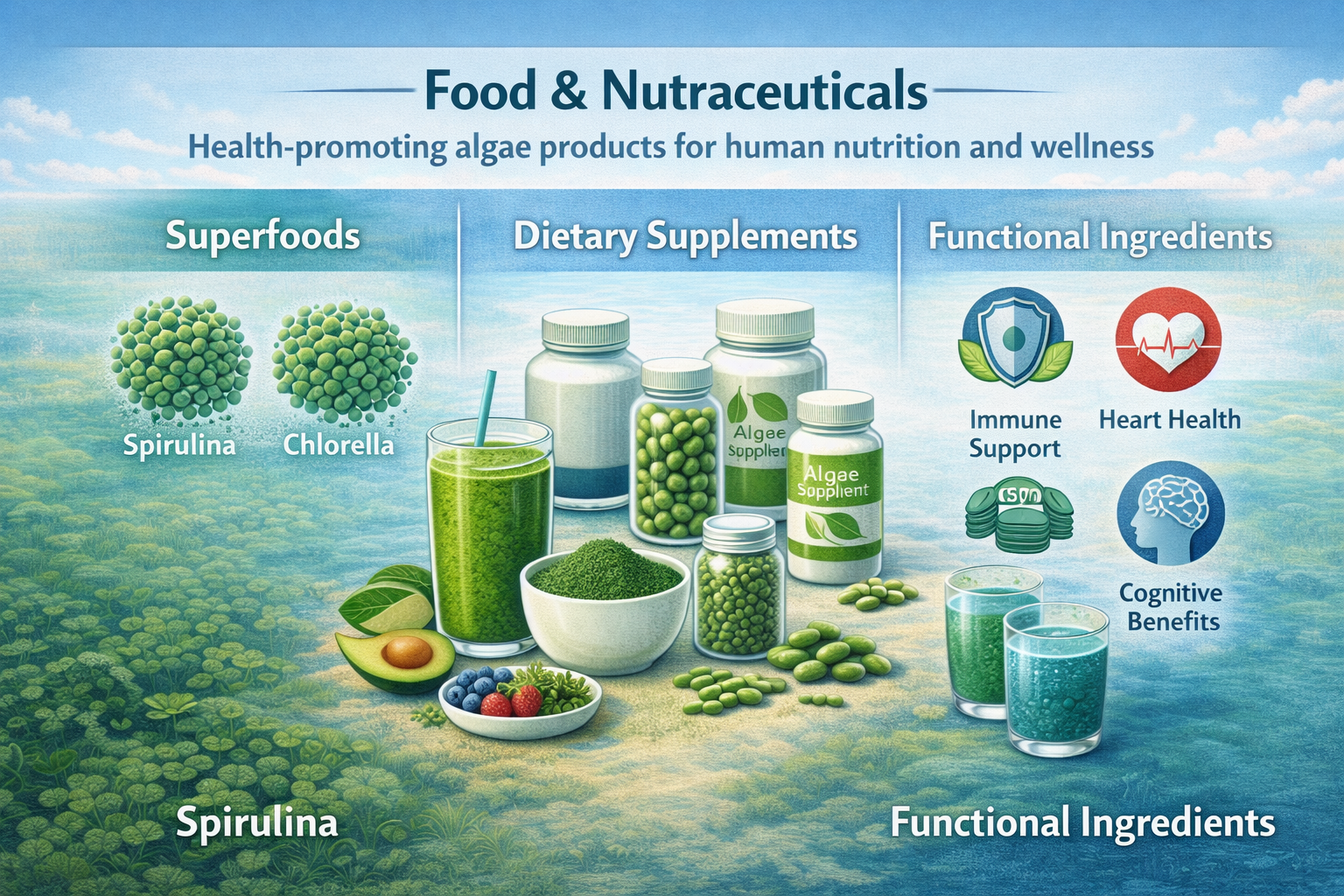
Algae-based ingredients can compete with plant protein and alternative protein products by offering a combination of higher nutritional density, sustainability advantages, and functional health benefits that many conventional protein sources cannot fully provide. Microalgae such as Spirulina and Chlorella contain approximately 50–70% protein by dry weight, which is often higher than soybean protein concentrations. In addition to protein, algae naturally provide omega-3 fatty acids, antioxidants, vitamins, pigments, and minerals, allowing companies to market algae as both a protein source and a functional nutrition ingredient. This multi-benefit positioning gives algae an advantage in premium health and wellness markets.
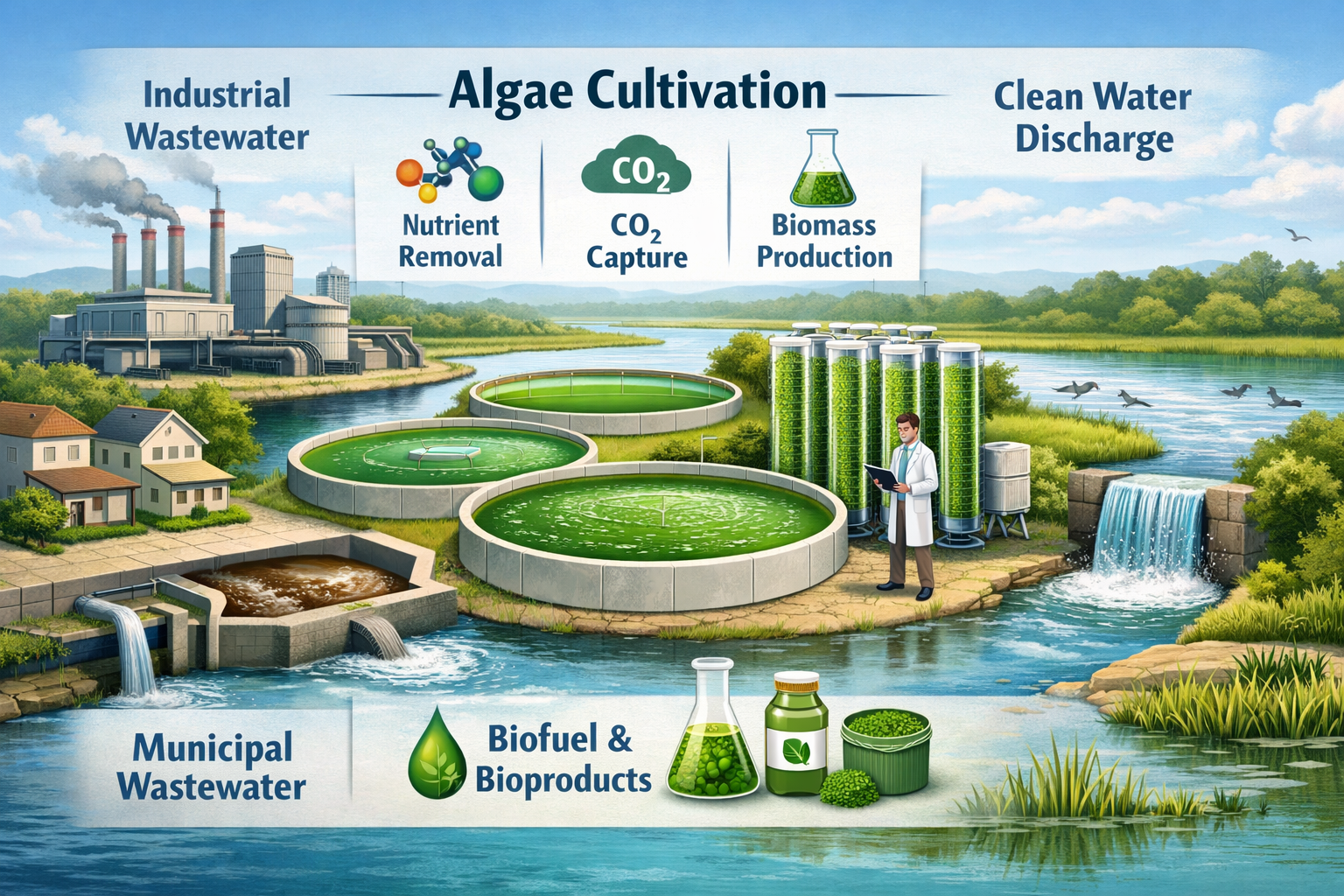
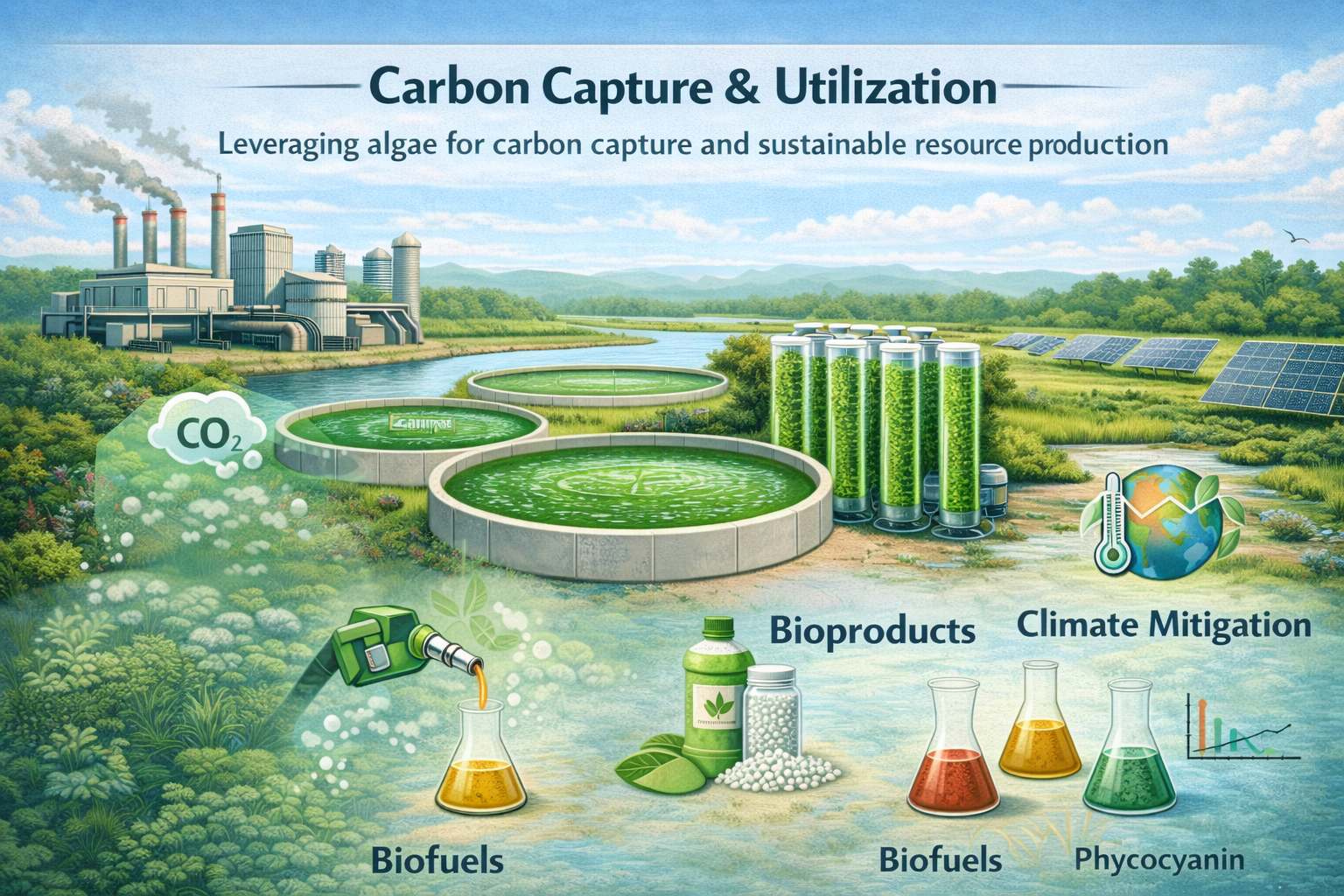
One of the strongest competitive advantages of algae is resource efficiency. Compared with conventional crops, algae can produce significantly more biomass per hectare and can be cultivated on non-arable land using brackish water, seawater, or wastewater. Studies from international bioenergy and food research organizations consistently highlight that algae cultivation avoids direct competition with food crops for fertile agricultural land. As climate change, water scarcity, and land degradation increasingly pressure global agriculture, algae-based ingredients are becoming more attractive as a sustainable long-term protein solution. This sustainability positioning is especially important in Europe, North America, and Asia-Pacific, where food companies are facing growing ESG and carbon-reduction expectations.
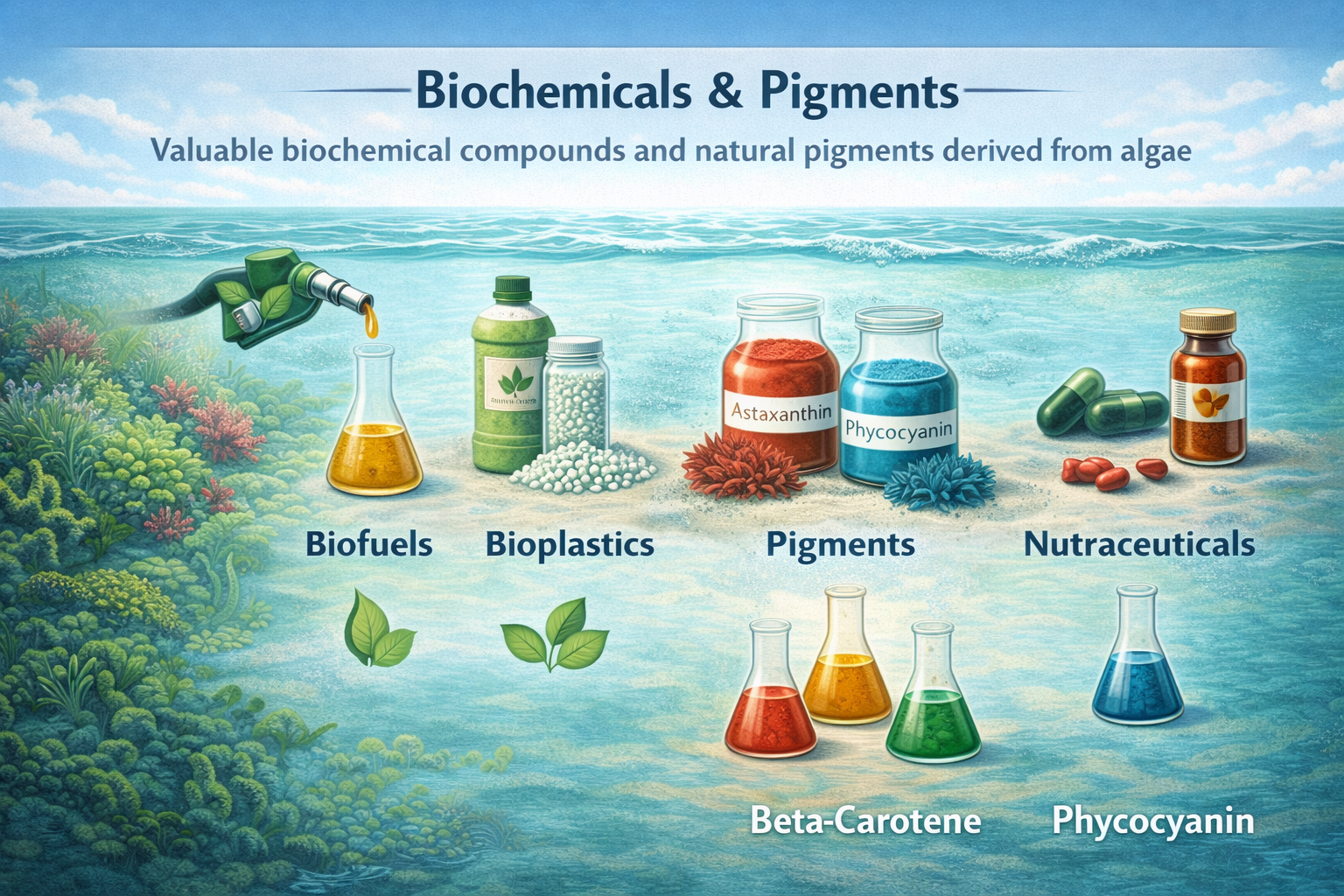
Algae-based proteins can also compete by targeting the rapidly expanding functional food and personalized nutrition markets rather than competing only as low-cost bulk proteins. The global plant-based protein market is already highly competitive, dominated by soy, pea, and wheat proteins. Instead of directly replacing these ingredients at commodity scale, algae companies are increasingly focusing on high-value applications such as sports nutrition, immune-support supplements, vegan omega-3 products, healthy beverages, fortified foods, and clinical nutrition. Products containing algae-derived DHA, EPA, astaxanthin, beta-carotene, and chlorophyll can command significantly higher margins than conventional plant proteins alone.
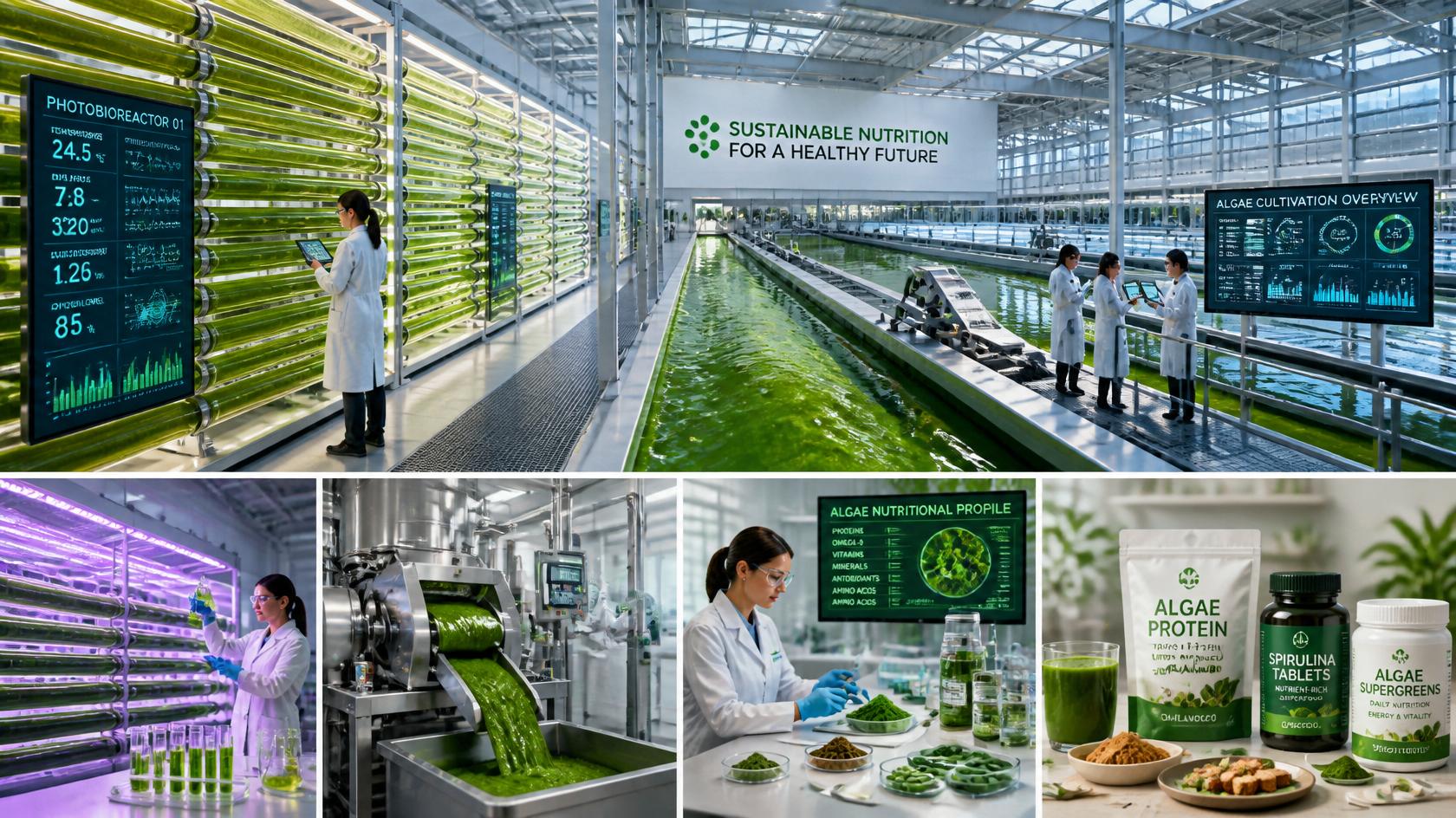
Technology improvements are another major factor that can strengthen algae’s competitiveness. Historically, algae-based ingredients faced challenges related to high production costs, strong taste profiles, and processing complexity. However, advances in photobioreactors, precision fermentation, AI-based cultivation control, genetic engineering, and low-energy harvesting systems are gradually reducing costs and improving product consistency. Companies are also developing refined algae proteins with improved taste, texture, and color profiles suitable for mainstream foods such as meat alternatives, dairy substitutes, nutrition bars, and protein beverages. As production scales increase globally, unit costs are expected to decline further over the next decade.
Finally, algae-based ingredients are likely to compete most successfully by positioning themselves as a next-generation sustainable nutrition platform rather than merely another protein ingredient. Global consumers are increasingly demanding foods that support health, environmental sustainability, and ethical sourcing simultaneously. Algae uniquely combine all three factors: high protein productivity, carbon capture potential, low land requirements, and rich nutritional composition. As governments and food companies continue investing in alternative proteins and climate-resilient food systems, algae-based ingredients are expected to gain stronger commercial relevance alongside plant proteins, precision fermentation products, and cultivated food technologies in the global nutrition market.