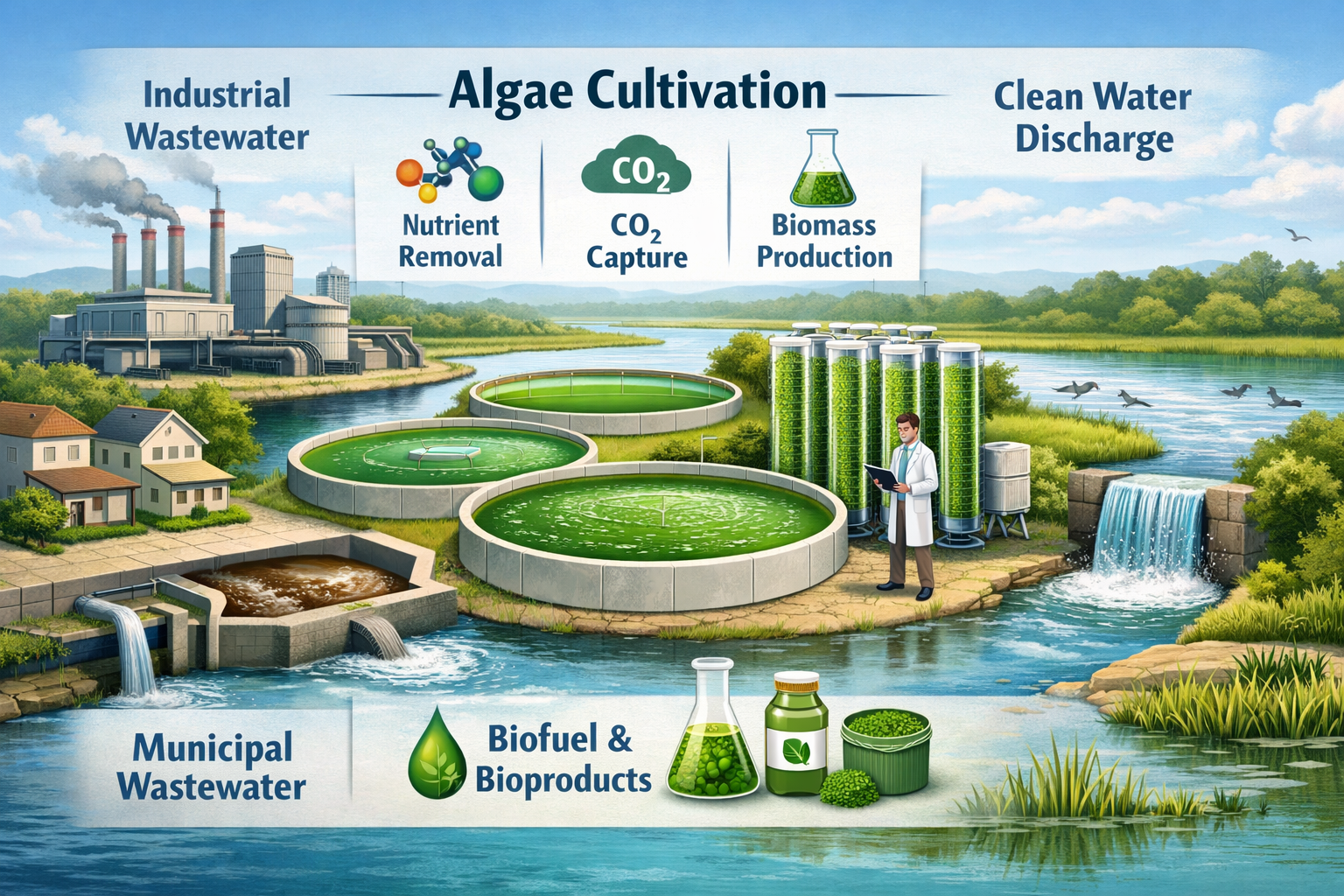
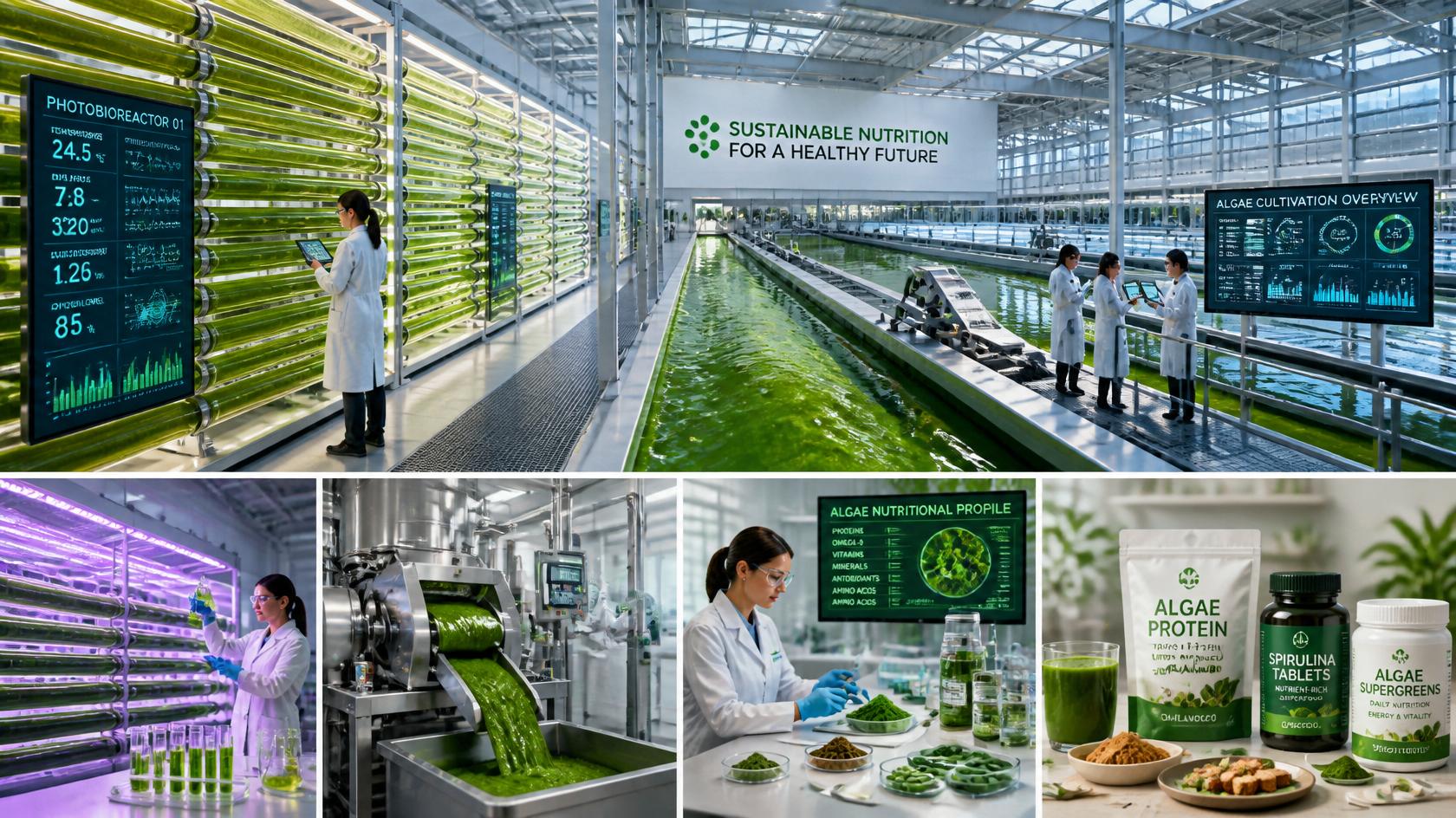
One of the biggest cost barriers to scaling algae-based food production is the high cultivation infrastructure cost. Commercial algae production requires either open raceway ponds or closed photobioreactors (PBRs), and both involve major capital investment. Open ponds are cheaper but vulnerable to contamination, evaporation, and inconsistent productivity, while photobioreactors provide higher yields but require expensive materials, pumps, lighting systems, temperature controls, and monitoring equipment. Studies consistently show that photobioreactor systems can cost several times more than open pond systems per unit of biomass produced. This creates a major challenge when competing against low-cost agricultural proteins such as soy or pea protein.
Another major cost barrier is the energy-intensive harvesting and drying process. Microalgae are typically grown in very dilute water systems, often containing less than 1 gram of biomass per liter, meaning enormous amounts of water must be removed before the biomass can be processed into food ingredients. Harvesting methods such as centrifugation, filtration, and drying consume significant electricity and operational resources. Research repeatedly identifies dewatering and drying as among the most expensive stages in the entire algae production chain. In some commercial systems, downstream processing can account for 20–40% of total production costs, making large-scale food applications economically difficult.
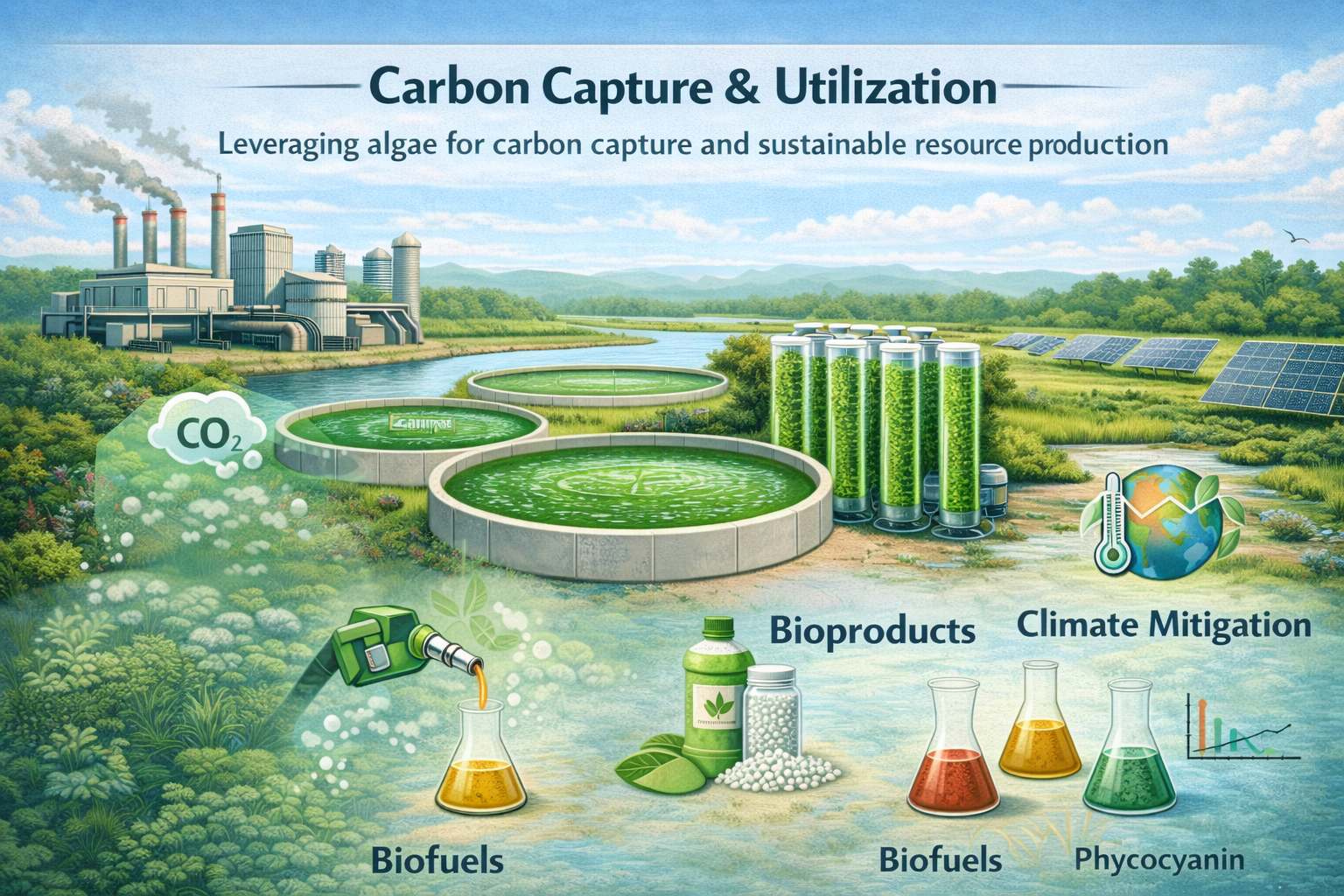
Nutrient and carbon supply also create substantial economic pressure. Industrial algae cultivation requires continuous inputs of nitrogen, phosphorus, trace minerals, and CO₂ to maintain rapid growth rates. Although algae can theoretically utilize wastewater and industrial emissions, many food-grade systems still depend on controlled nutrient inputs to meet safety and quality standards. The rising global cost of fertilizers and energy has increased operational expenses for algae producers. Maintaining sterile or semi-controlled conditions for food-grade algae further increases production costs compared with conventional agriculture.
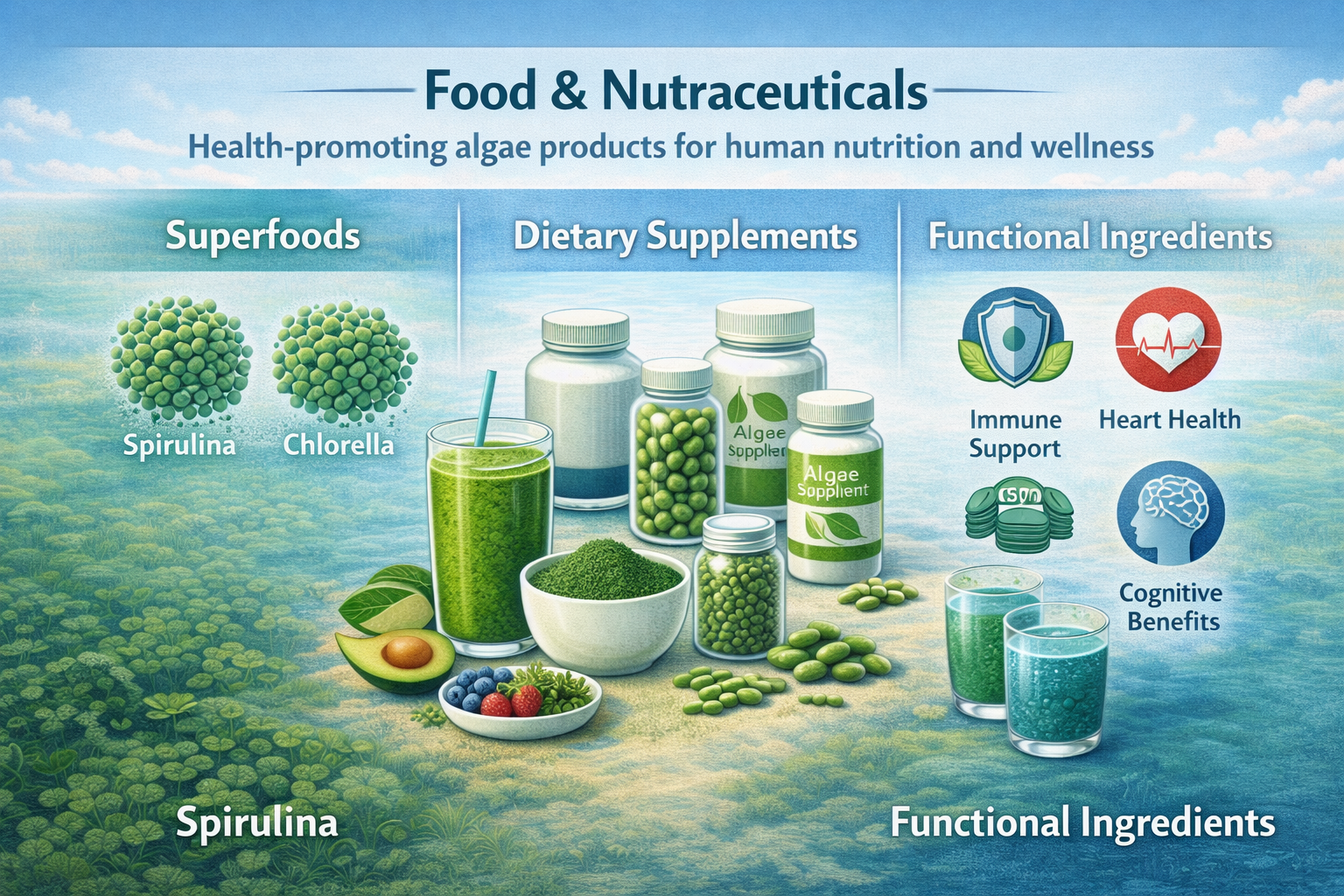
Another challenge is the relatively limited production scale and supply-chain maturity of the algae food industry. Traditional food commodities such as wheat, corn, and soy benefit from decades of infrastructure development, mechanization, and global logistics networks. In contrast, algae food production remains comparatively small and fragmented. This limits economies of scale and keeps ingredient prices high. For example, spirulina and chlorella powders are often sold at premium prices because production volumes remain much lower than mainstream crop proteins. Scaling the industry requires major investment in cultivation facilities, processing plants, storage systems, and global distribution networks.
Finally, regulatory approval, consumer acceptance, and product formulation costs remain significant barriers. Many algae species still require additional safety testing and regulatory clearance before entering mainstream food markets. Companies must also invest heavily in taste improvement, texture optimization, and food-product development because some algae ingredients have strong colors, odors, or marine flavors that consumers may reject. Although global demand for sustainable proteins and functional foods is rising rapidly, algae-based foods still compete against cheaper plant proteins and established food ingredients. As a result, reducing production costs through automation, biotechnology, wastewater integration, and advanced harvesting technologies will be critical for making algae-based food production commercially competitive at global scale.