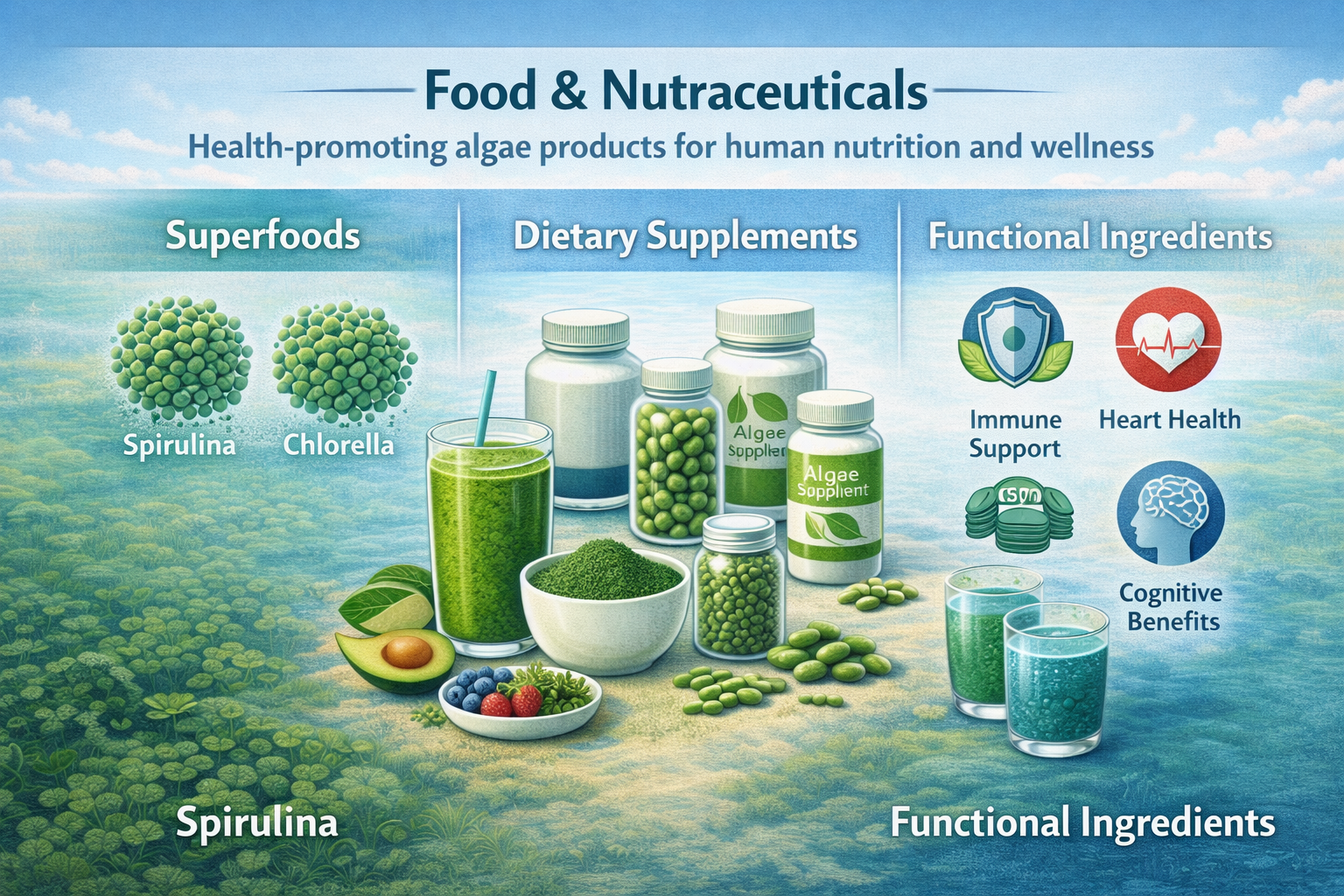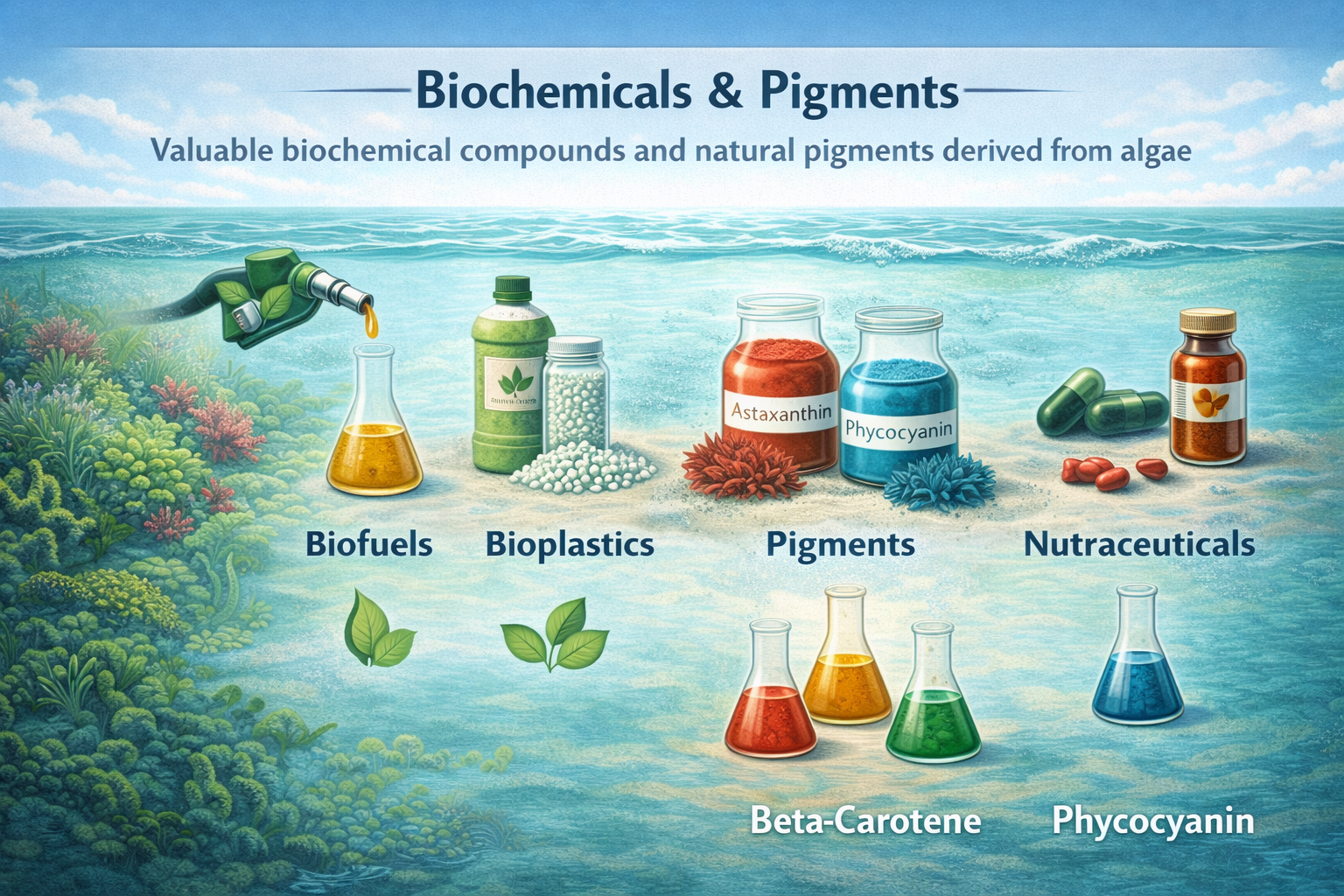

Consumer awareness of algae-based nutrition products has increased significantly over the past decade, especially in markets connected to health, fitness, vegan diets, and sustainable food consumption. Products based on Spirulina, Chlorella, algae-derived omega-3 oils, and natural algae pigments are now widely available in dietary supplements, protein powders, beverages, functional snacks, and nutraceuticals. Awareness is strongest in North America, Europe, Japan, South Korea, China, and increasingly India, where consumers are actively seeking plant-based and environmentally sustainable nutrition products. However, despite growing visibility, algae foods are still considered a relatively niche category compared with mainstream protein and supplement markets.
Consumer willingness to pay for algae-based nutrition is generally highest among health-conscious, environmentally aware, and premium wellness consumers. Studies on sustainable food purchasing behavior consistently show that many consumers are willing to pay more for foods perceived as healthier, more sustainable, and ethically produced. Algae products fit strongly into this category because they are associated with high protein content, omega-3 fatty acids, antioxidants, immune support, and low environmental impact. Premium pricing is particularly accepted for products such as algae-derived DHA supplements, Spirulina tablets, vegan omega-3 capsules, and functional beverages marketed for energy, immunity, or sports nutrition.
The strongest commercial acceptance currently exists in the dietary supplement and functional nutrition sector, where consumers are already accustomed to paying premium prices. For example, Spirulina and Chlorella supplements are often positioned as “superfoods,” while algae-based DHA oils are heavily marketed as sustainable alternatives to fish oil. Consumer surveys in Europe and North America show increasing interest in alternative proteins and plant-based ingredients, especially among younger urban populations. The global rise of veganism, flexitarian diets, and fitness-focused lifestyles has further strengthened acceptance of algae-based nutritional products in premium retail markets.
However, consumer awareness still faces several barriers globally. Many consumers remain unfamiliar with algae as a regular food ingredient, and some associate algae with unpleasant taste, odor, or appearance. This creates challenges for large-scale mainstream adoption, especially in conventional packaged foods. Food companies are therefore increasingly focusing on improving flavor profiles, ingredient processing, and product formulation. Branding also plays an important role, because consumers respond more positively to terms such as “plant-based omega-3,” “superfood,” “sustainable protein,” and “natural antioxidant” than to technical descriptions of microalgae species.
Overall, global willingness to pay for algae-based nutrition products is considered moderate to high in premium health markets, and industry analysts expect it to strengthen further as consumer education improves. Several global trends are supporting this growth simultaneously: rising demand for sustainable proteins, increasing health awareness, concern about marine overfishing, growth of vegan diets, and interest in functional foods. As production costs decline and algae ingredients become more common in mainstream foods and beverages, consumer acceptance is expected to expand beyond niche wellness markets into broader global food consumption over the next decade.