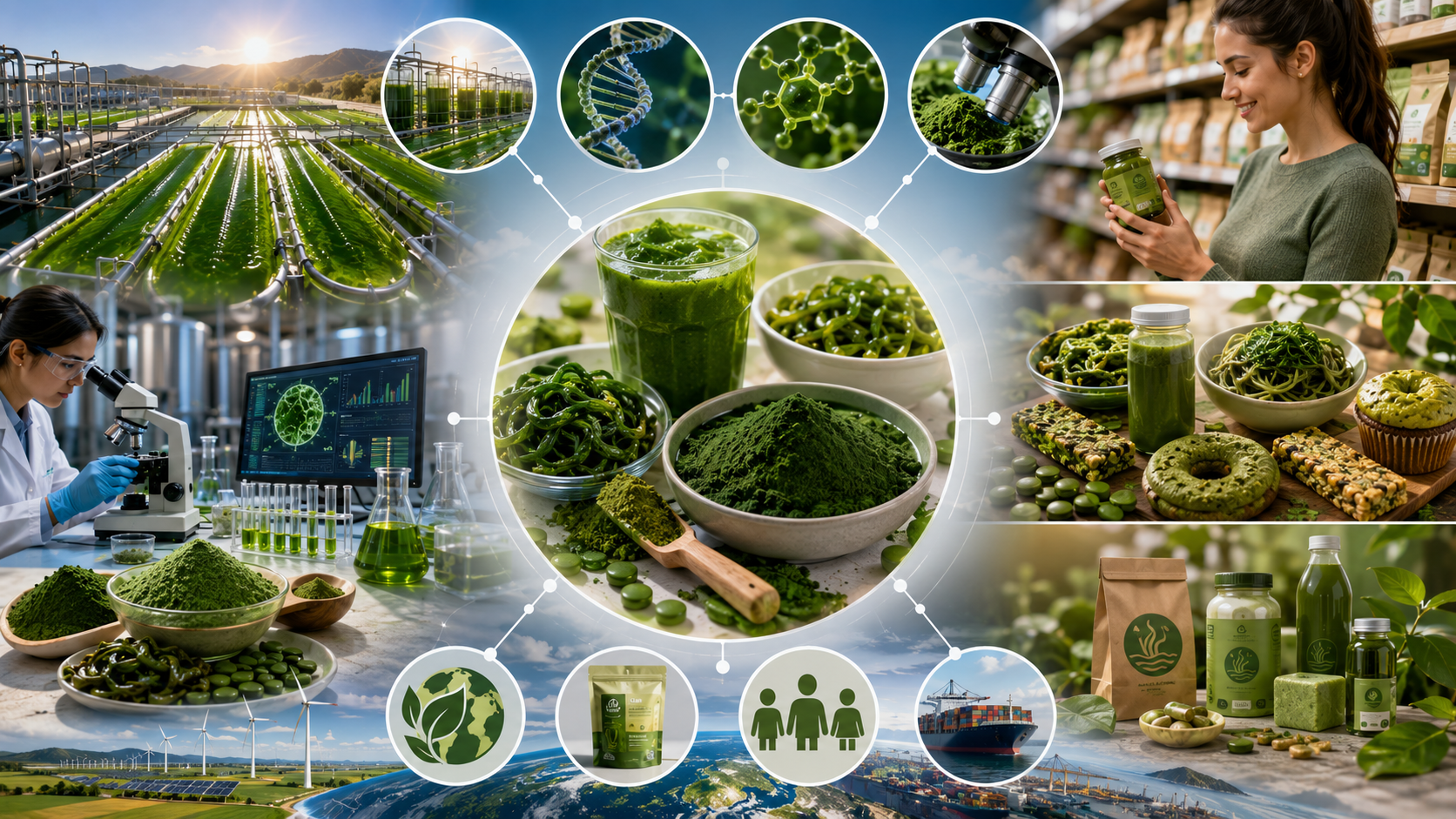
The algae-based food innovations most likely to attract venture capital and strategic investors are those that solve major global challenges in protein supply, sustainable nutrition, food security, and climate resilience while also showing strong scalability and commercial margins. Investors are increasingly focusing on algae technologies because algae can produce protein, omega-3 oils, pigments, antioxidants, and specialty nutrients using far less land than traditional agriculture. The strongest investment interest is currently centered on innovations that can move algae from niche health products into mainstream food manufacturing and global ingredient supply chains.
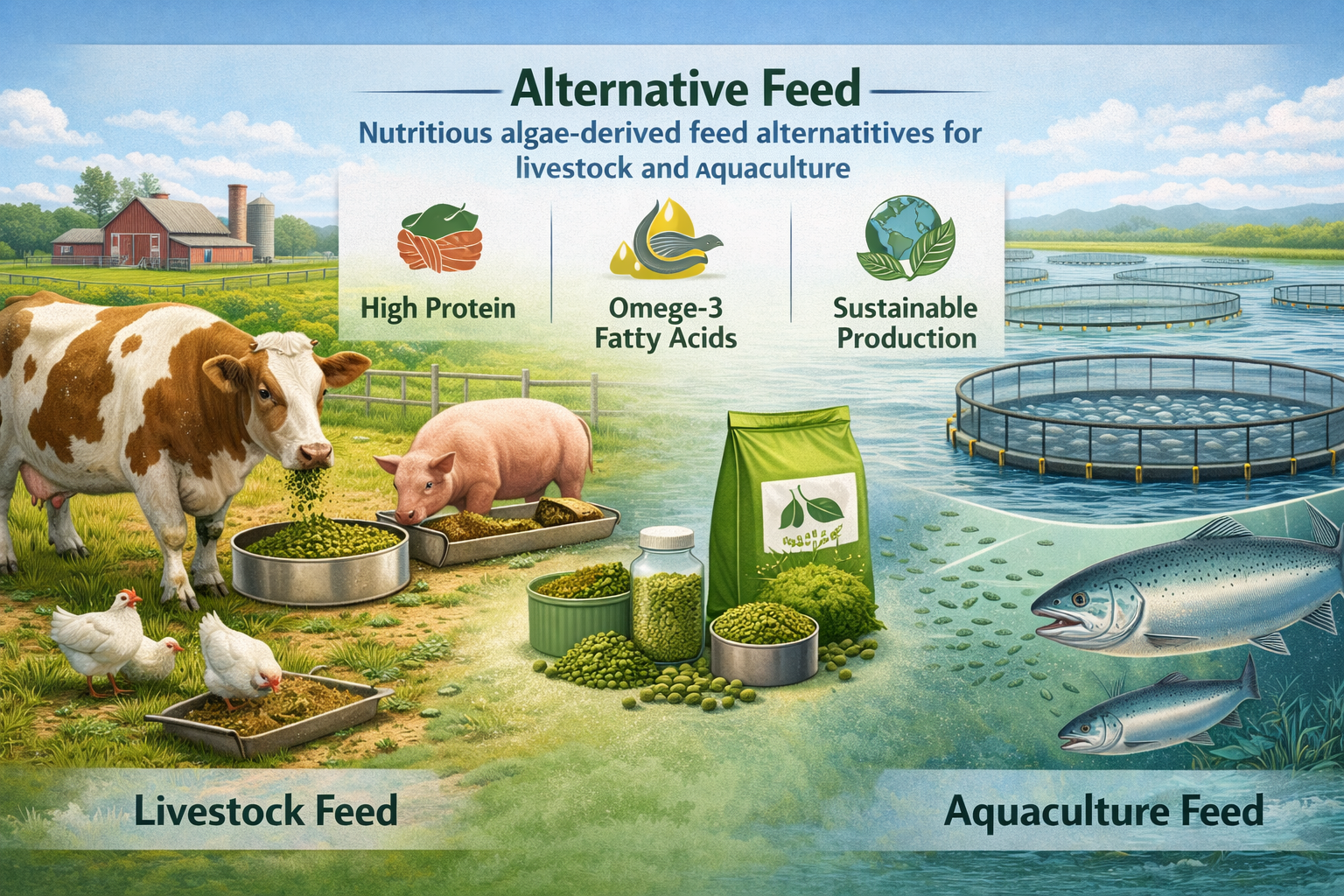
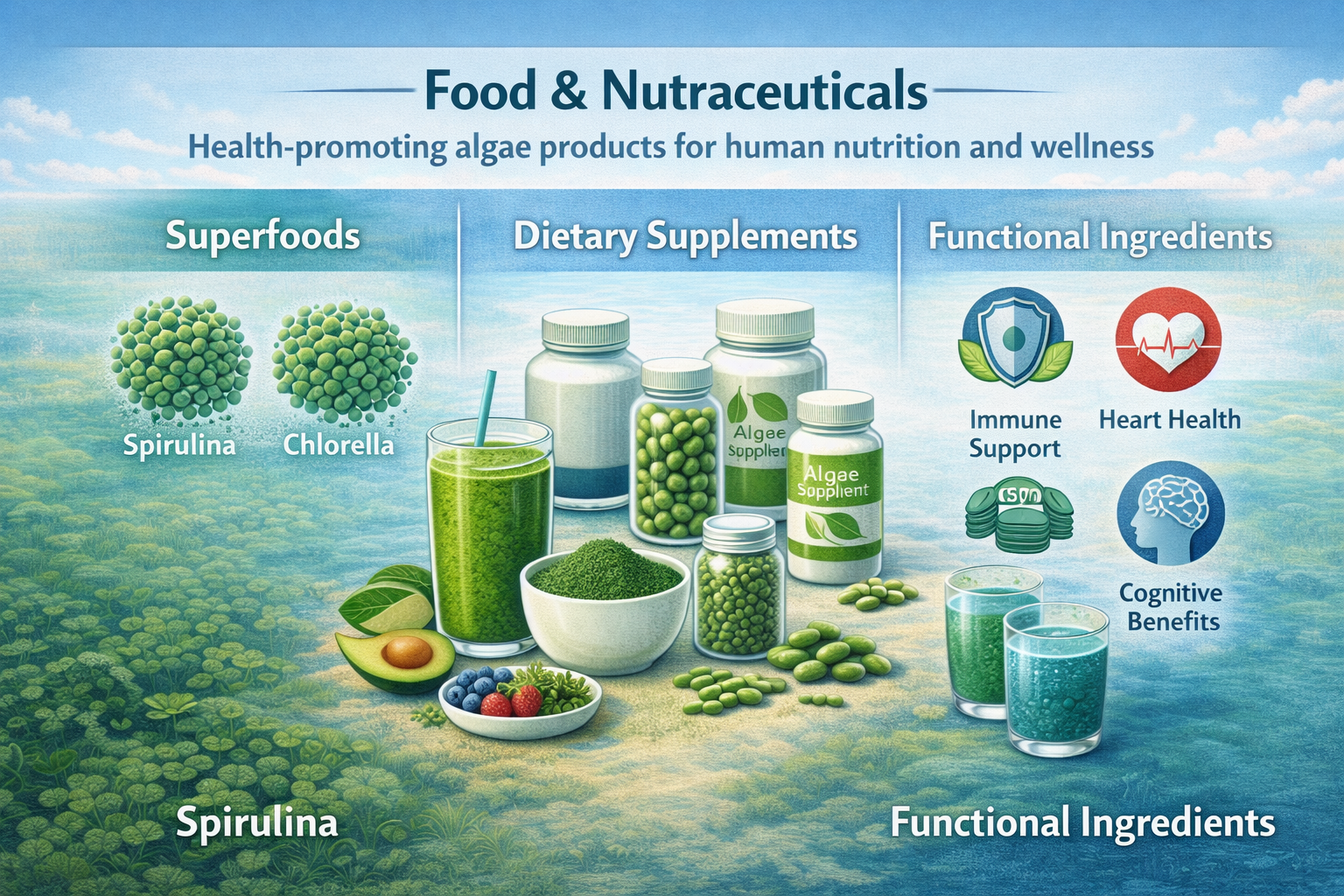
One of the most attractive areas for investors is alternative protein and plant-based food ingredients. Microalgae such as Spirulina and Chlorella contain approximately 50–70% protein by dry weight, making them highly attractive for meat alternatives, sports nutrition, meal replacements, and functional foods. Venture capital firms are especially interested in companies developing algae-based protein isolates, textured proteins, and fermentation-enhanced algae ingredients because the global alternative protein market is projected to reach tens of billions of dollars over the next decade. Investors view algae proteins as strategically important because they can reduce dependence on soy, livestock, and fish-based proteins while offering strong sustainability branding.
A second major investment category is algae-derived omega-3 oils, especially DHA and EPA production from species such as Schizochytrium and Nannochloropsis. These products are attracting strategic investors because global demand for omega-3 nutrition continues to rise while wild fish oil supplies face environmental and supply-chain pressure. Algae-based omega-3 production offers a vegan, scalable, and contamination-controlled alternative to traditional marine oils. This market is particularly attractive for infant nutrition, cardiovascular supplements, clinical nutrition, and functional beverages, where premium pricing and recurring demand create strong commercial potential.
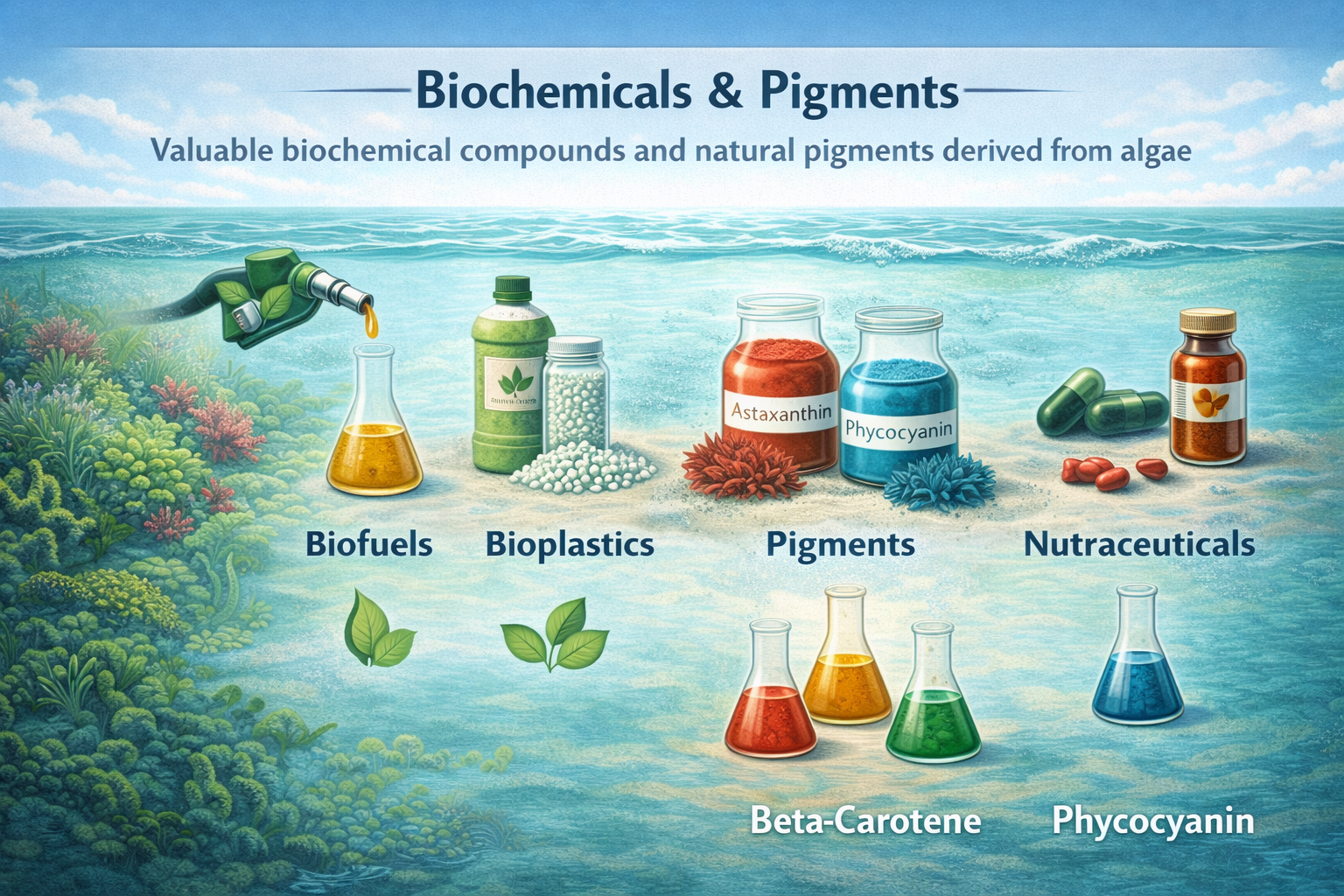
Another high-investment area is natural food colorants and functional bioactive compounds. Investors are increasingly interested in algae species that produce compounds such as astaxanthin, beta-carotene, phycocyanin, chlorophyll, and antioxidants because food companies are rapidly replacing synthetic additives with natural alternatives. For example, phycocyanin extracted from Spirulina is becoming an important natural blue food colorant, while astaxanthin is one of the highest-value natural antioxidants used in nutraceuticals and wellness products. These specialty compounds often generate higher margins than bulk protein products, making them particularly attractive for venture-backed biotechnology startups.
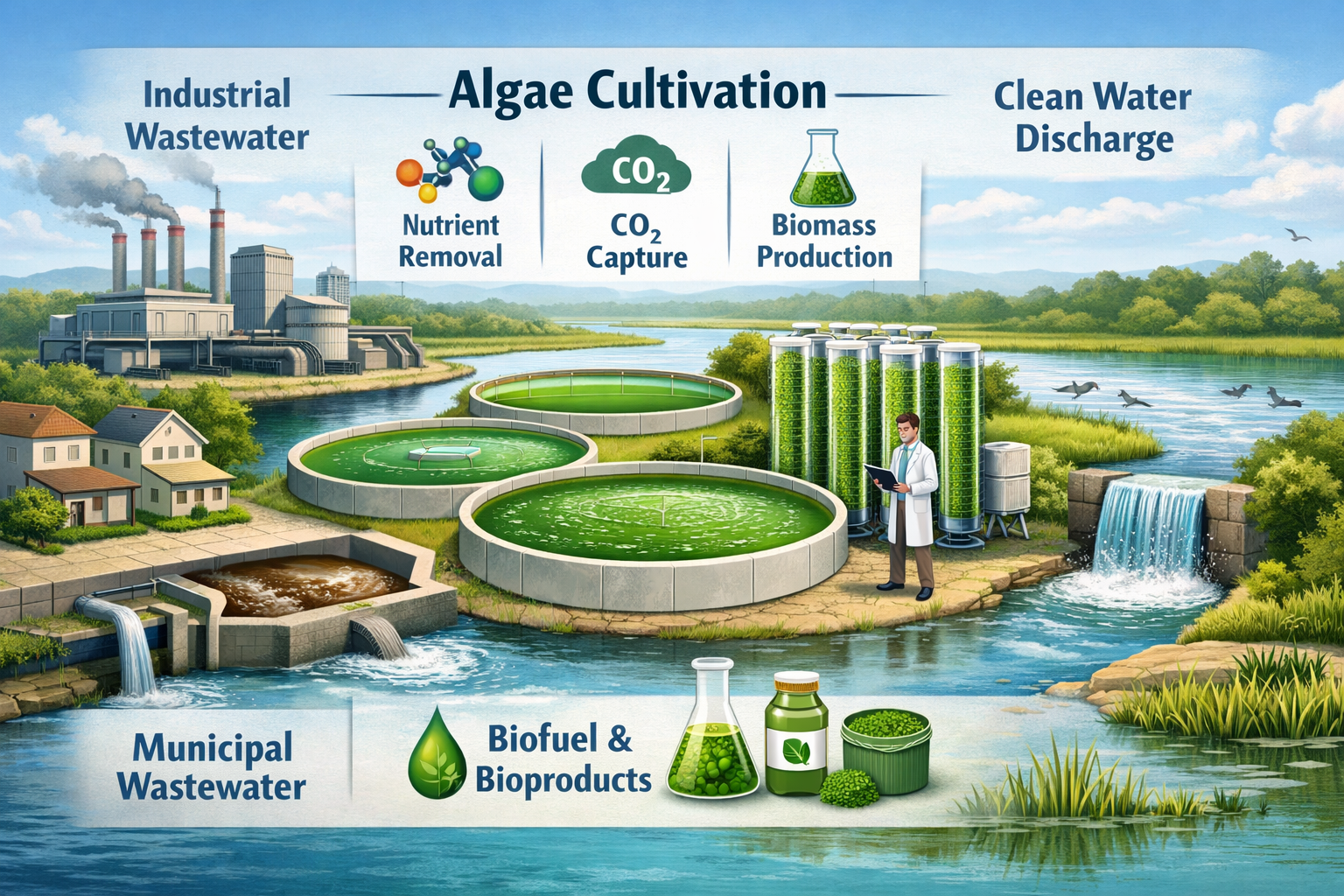
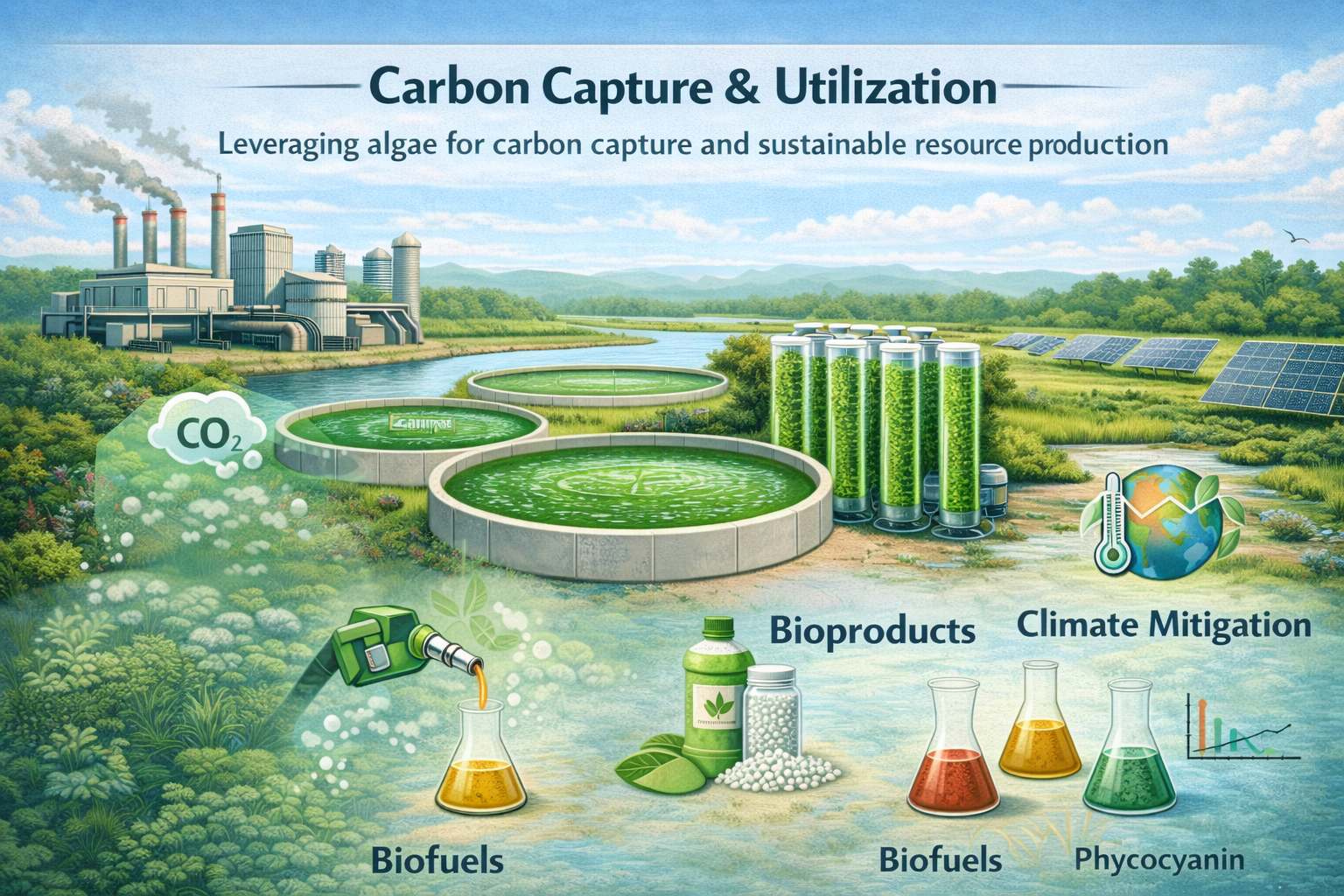
The strongest long-term investment opportunities are likely to come from companies building integrated algae biorefineries and advanced cultivation technologies. Investors prefer platforms that can simultaneously produce multiple high-value products—such as protein, pigments, omega-3s, fertilizers, and animal feed—from the same biomass stream. Technologies involving precision fermentation, AI-driven cultivation systems, carbon capture integration, wastewater-fed algae production, and low-energy harvesting are receiving growing attention because they directly address one of the industry’s biggest challenges: production cost. As governments and corporations increase investment in sustainable food systems and climate-focused technologies, algae-based food innovation is increasingly viewed as one of the most strategic sectors within the future global bioeconomy.