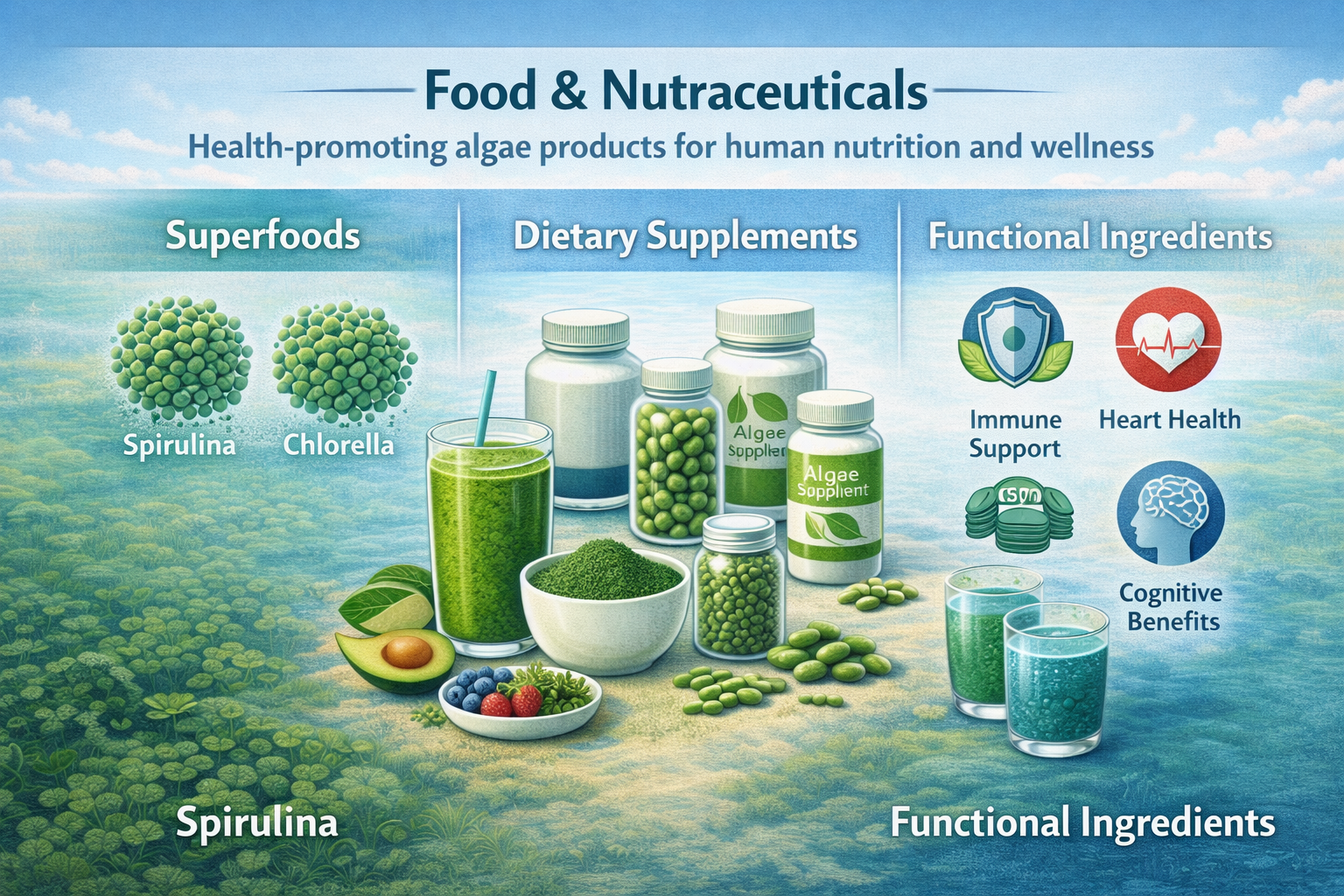

The first consumer segment most likely to adopt algae-based foods is the health and wellness market, especially consumers already purchasing superfoods, dietary supplements, and functional nutrition products. This group is highly receptive because algae such as spirulina and chlorella are widely promoted for their high protein content, antioxidants, vitamins, omega-3 fatty acids, and mineral density. Spirulina alone contains roughly 55–70% protein by dry weight, making it attractive to consumers focused on immunity, fitness, and nutrient-rich diets. Globally, demand for functional foods and nutraceuticals continues to grow rapidly, making wellness-focused consumers one of the strongest early adoption groups.
A second major segment is the plant-based and vegan consumer market. Consumers reducing meat and dairy intake are actively seeking sustainable alternative proteins, and algae fit this trend because they can provide protein and omega-3 oils without relying on livestock or fish. Algae-based DHA and EPA oils are increasingly used in vegan supplements and fortified foods as replacements for fish-derived omega-3 products. The global rise in vegetarian, flexitarian, and vegan eating patterns—particularly in North America, Europe, and parts of Asia-Pacific—creates a strong commercial opportunity for algae-based proteins, beverages, snacks, and meat alternatives.
Another highly promising segment is the sports nutrition and fitness industry. Athletes, gym users, and performance-focused consumers are early adopters of high-protein and recovery-focused foods. Algae products are attractive because they combine protein with antioxidants, iron, amino acids, and anti-inflammatory compounds. Spirulina-based powders, protein blends, and energy supplements are already widely marketed to endurance athletes and fitness consumers. As the global sports nutrition market continues expanding into mainstream consumer markets, algae ingredients are increasingly positioned as clean-label and sustainable performance nutrition solutions.
The environmentally conscious consumer segment is also expected to drive adoption. Many consumers, especially younger demographics such as Millennials and Gen Z, are prioritizing foods with lower environmental impact. Algae cultivation requires significantly less arable land compared with many traditional protein sources and can often utilize saline water or wastewater systems. Because climate change and sustainable agriculture are becoming major purchasing considerations, algae-based foods are increasingly marketed as part of the future circular and low-carbon food economy. This sustainability positioning is particularly influential in premium food markets across Europe, the United States, Japan, and South Korea.
Finally, algae-based foods are likely to gain traction among urban middle-class consumers in emerging economies, especially in countries such as India, China, Indonesia, and Brazil. Rising disposable income, increasing awareness of preventive healthcare, and rapid growth in modern retail and e-commerce are making functional nutrition products more accessible. At present, algae foods remain relatively niche and premium-priced, but as production costs decline and food manufacturers integrate algae into mainstream products such as noodles, beverages, bakery products, and nutrition bars, adoption is expected to move beyond early health-focused consumers into the broader global mass market.