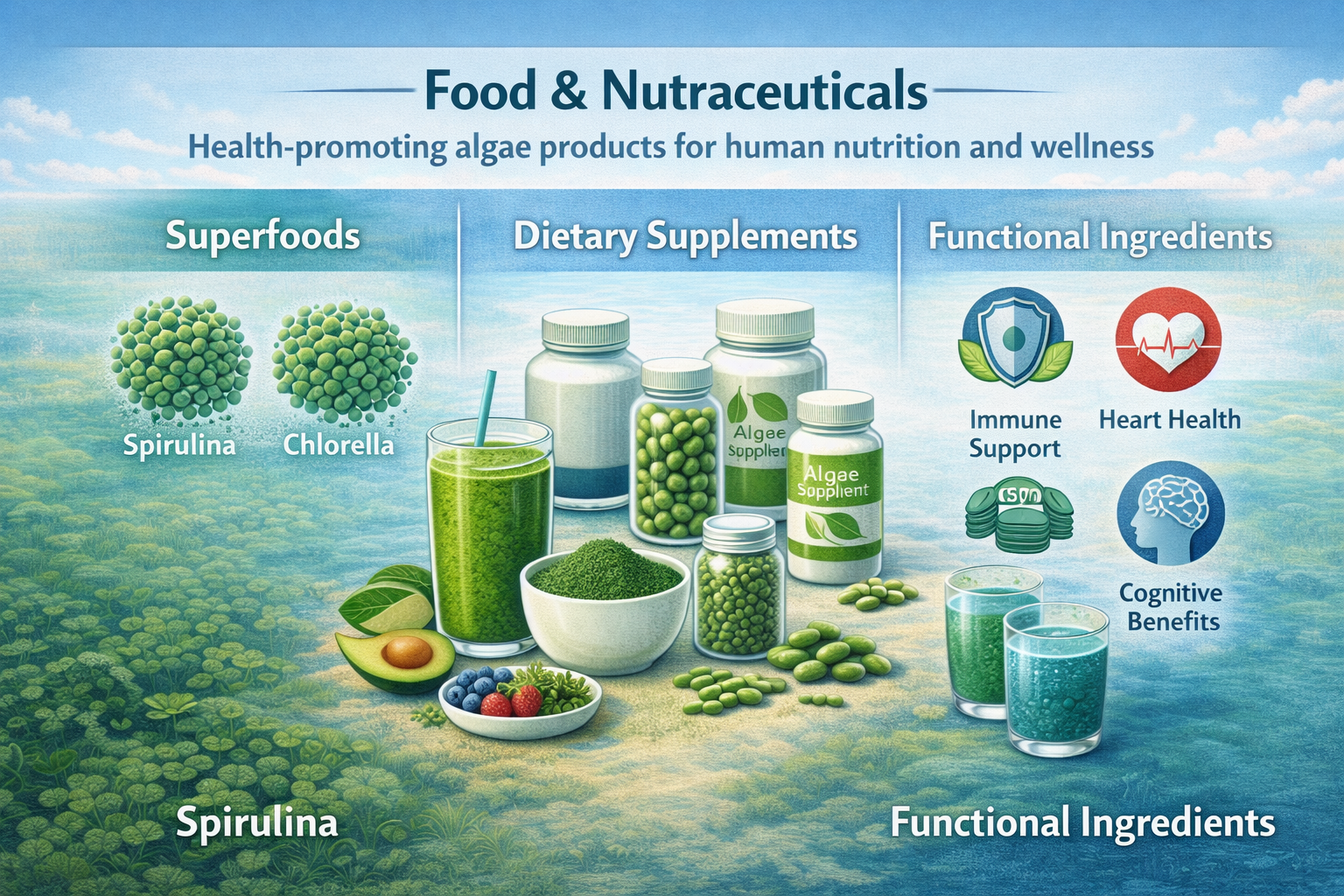
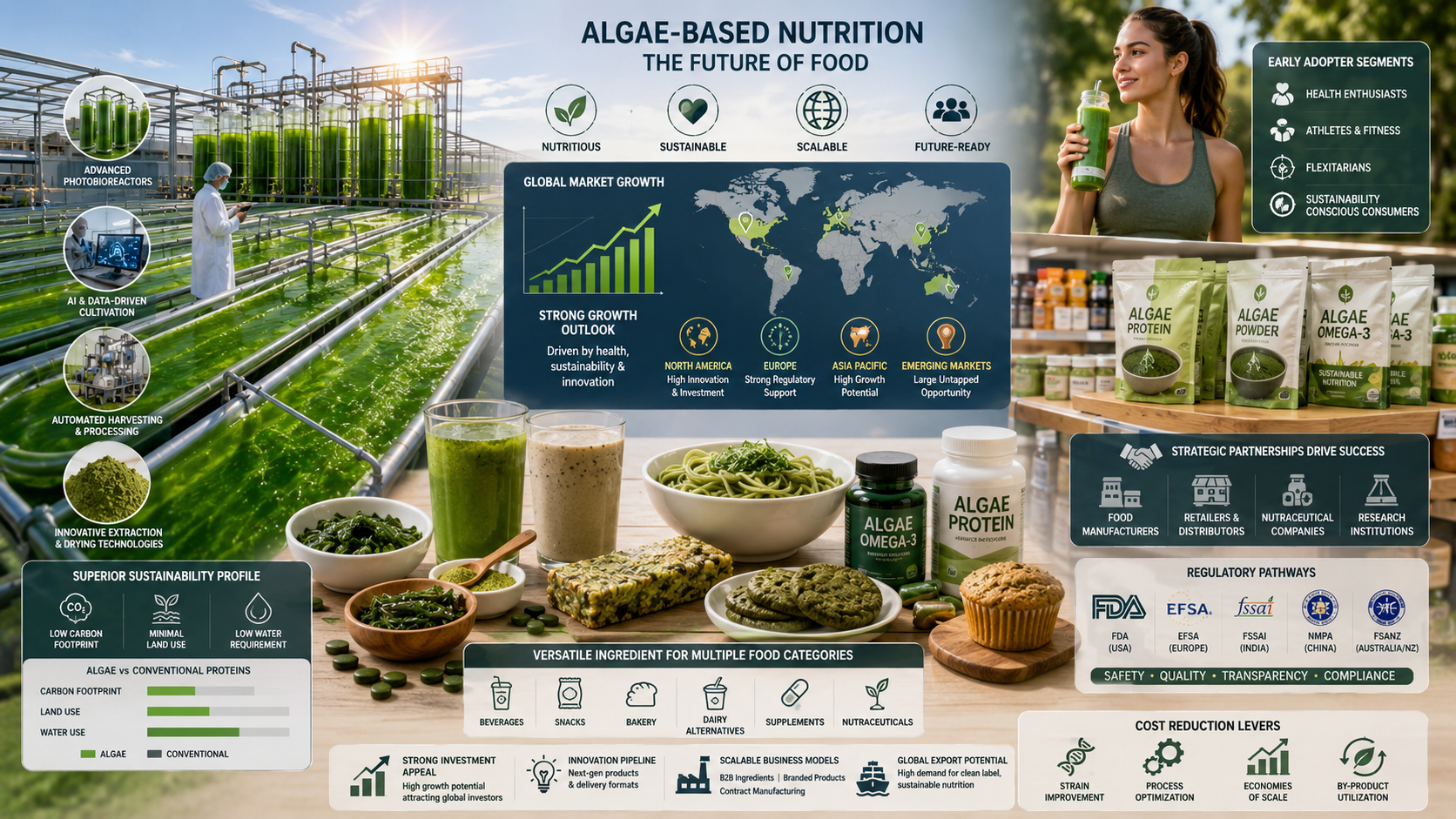
Algae-based foods are increasingly considered one of the most sustainable alternatives to conventional food systems because they generally require less land, can utilize non-freshwater resources, and have strong potential for carbon capture. Compared with traditional agriculture and livestock production, algae cultivation can achieve much higher productivity per unit area while avoiding competition with arable farmland. This has made microalgae such as Spirulina, Chlorella, and Nannochloropsis highly attractive for future food security strategies, especially as global demand for protein and nutritional ingredients continues to rise.
One of the biggest advantages of algae is land efficiency. Conventional livestock production requires enormous agricultural areas for grazing and feed crops, while algae can be cultivated in ponds or photobioreactors on non-arable land, including deserts and coastal regions. Studies consistently show that microalgae can produce significantly more protein per hectare than soybean or cattle systems. For example, some estimates suggest algae may produce 10–20 times more protein per hectare than soy under optimized conditions. This means algae-based foods could help reduce deforestation, biodiversity loss, and agricultural land expansion linked to conventional food production.
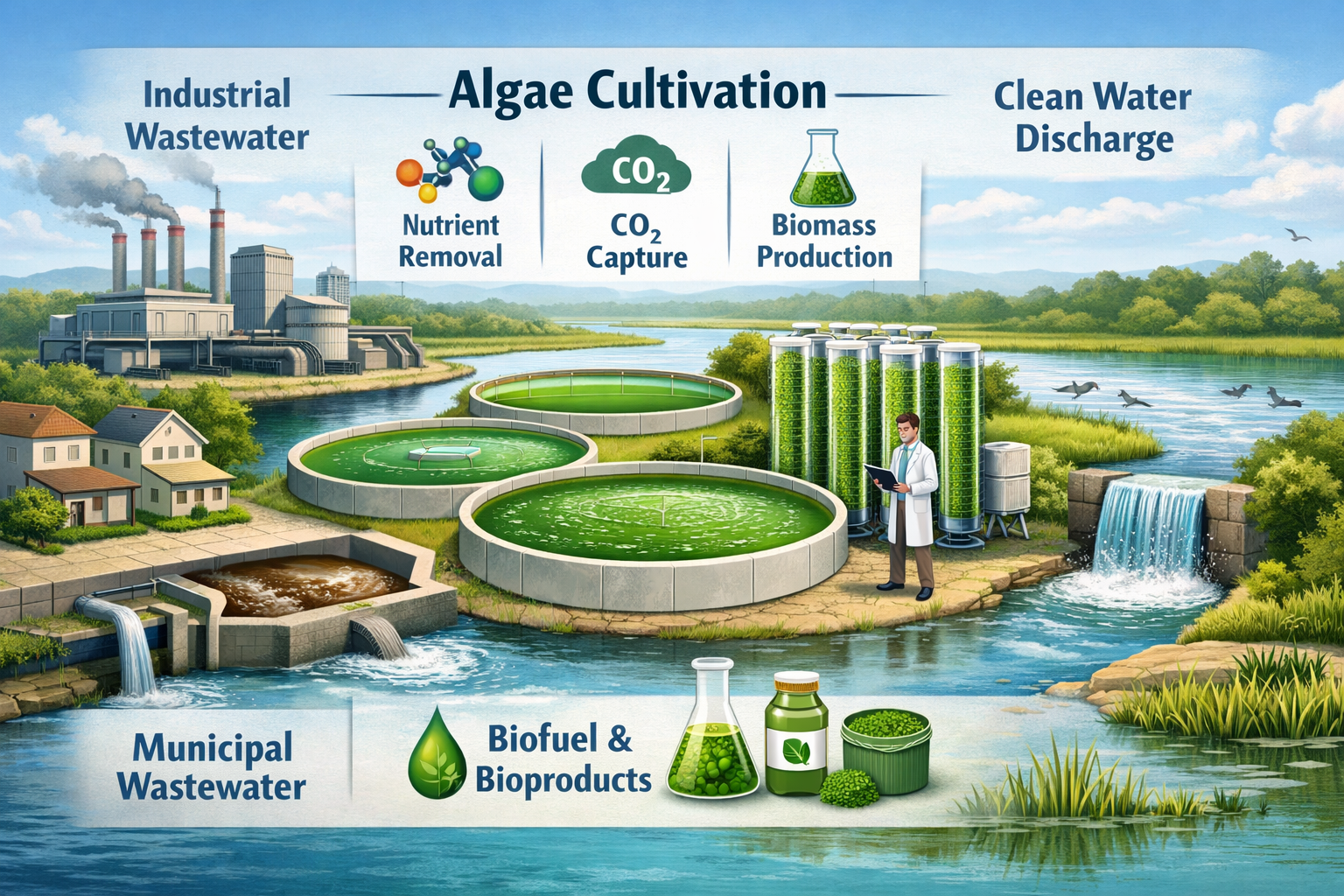
Water use is another major area where algae can offer advantages. Traditional agriculture consumes around 70% of global freshwater withdrawals, while many algae systems can operate using seawater, brackish water, or wastewater instead of freshwater. Livestock production, especially beef, is extremely water-intensive because of feed crop irrigation and animal maintenance requirements. Algae cultivation still requires large water volumes due to dilute growth systems, but the ability to recycle water and use non-potable sources gives algae a significant sustainability advantage. Integration with wastewater treatment also allows algae production to simultaneously recover nutrients while reducing pollution.
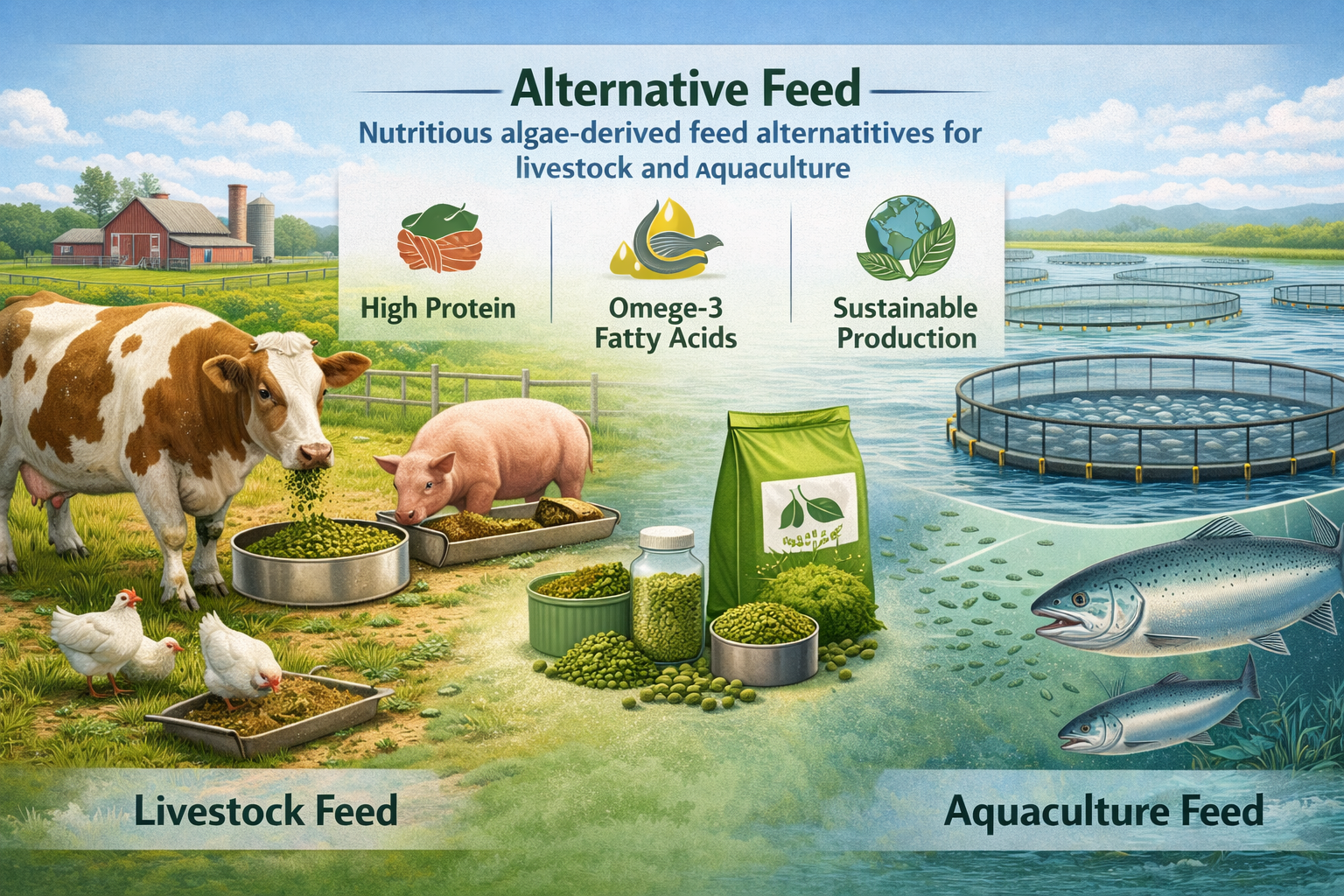
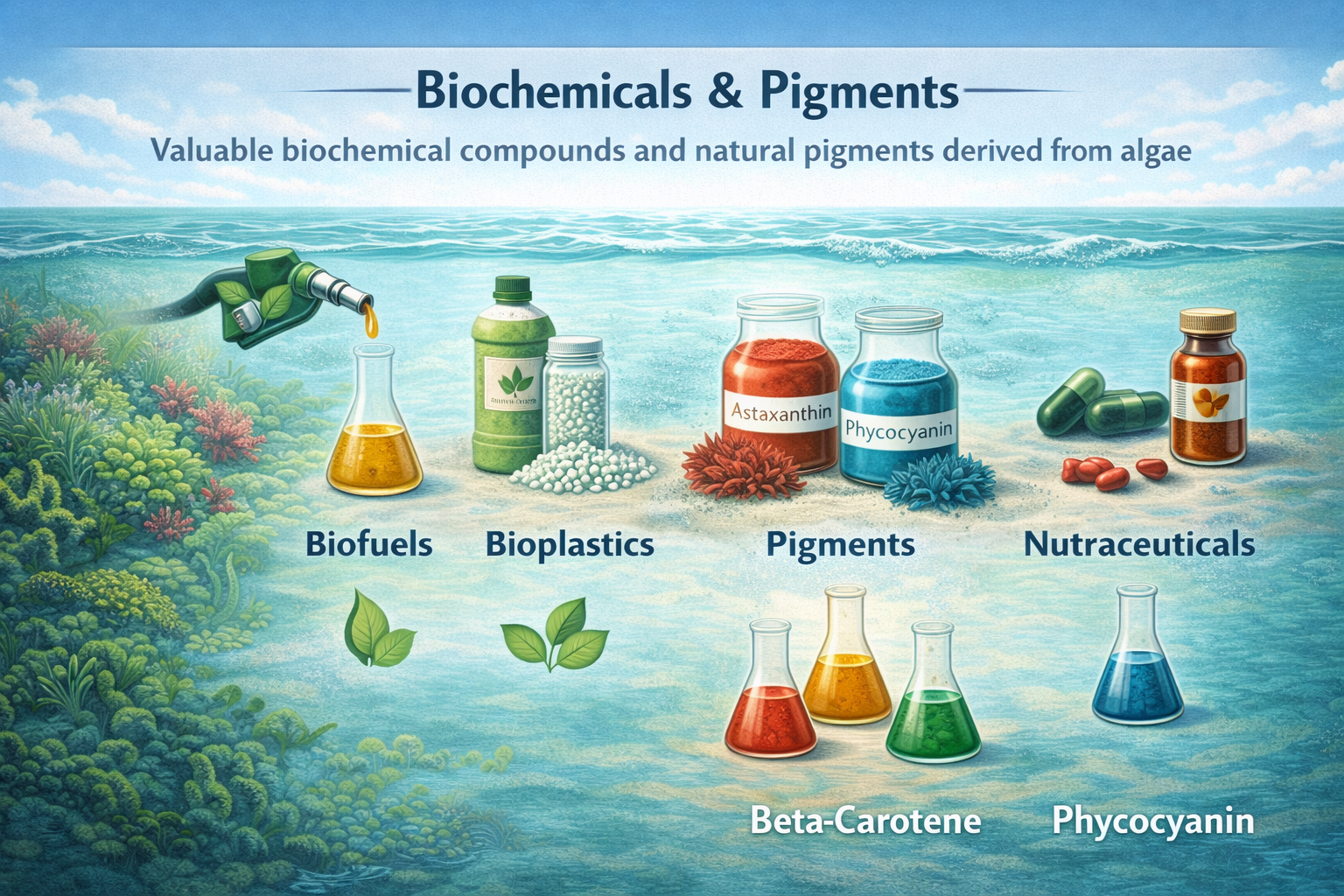
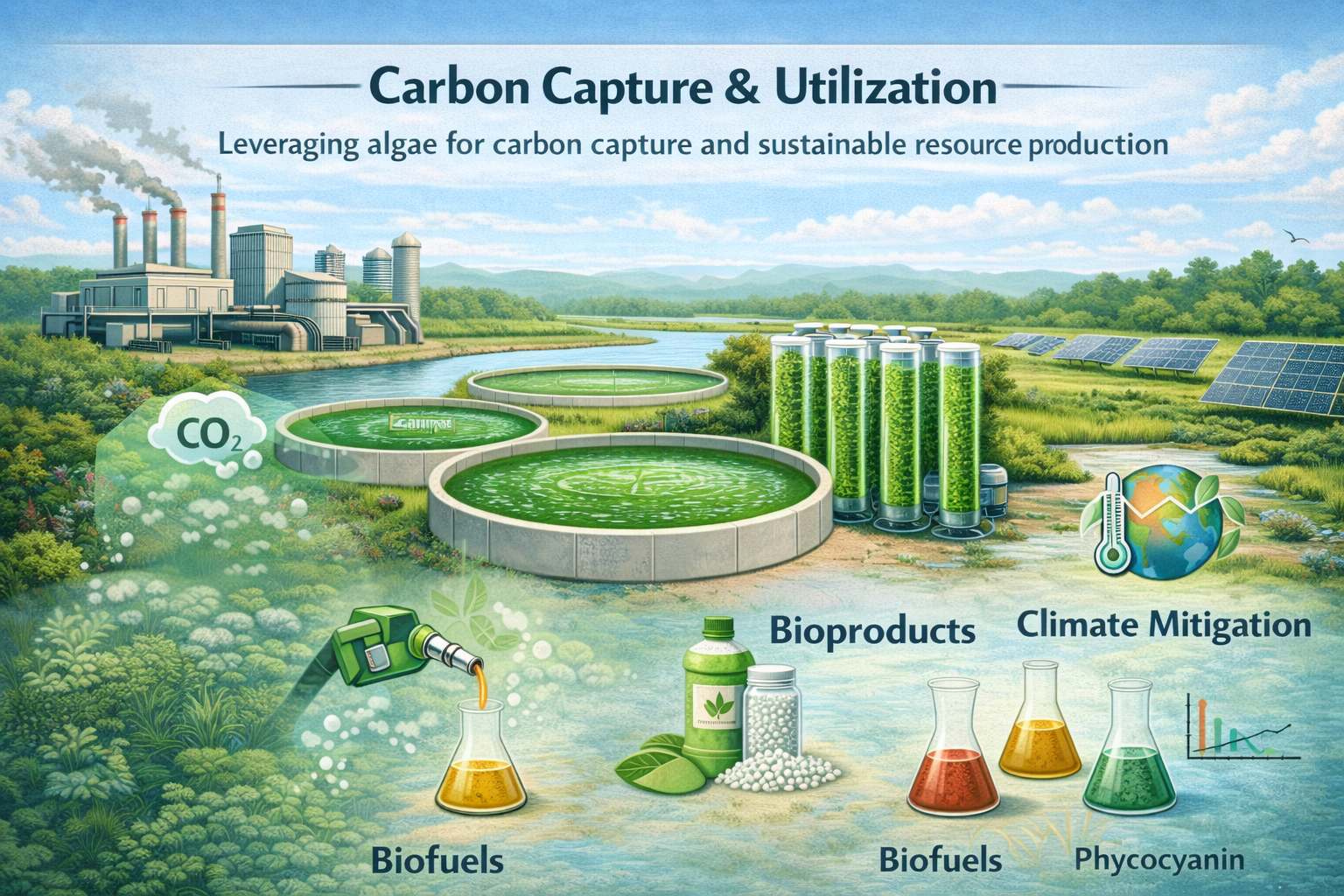
In terms of carbon footprint, algae-based foods can potentially outperform many conventional animal products. Livestock agriculture is responsible for roughly 14–15% of global greenhouse gas emissions, with beef among the highest-emission food products worldwide. Algae consume carbon dioxide through photosynthesis, and some cultivation systems are directly connected to industrial CO₂ streams from power plants or factories. Research suggests that approximately 1.8 kg of CO₂ may be utilized to produce 1 kg of algal biomass, creating opportunities for carbon capture and utilization. Compared with meat production, algae-based proteins and omega-3 ingredients generally produce far lower greenhouse gas emissions per kilogram of edible output.
However, algae are not automatically low-impact under all conditions. The sustainability profile depends heavily on cultivation technology, energy use, harvesting methods, and processing efficiency. Energy-intensive drying, dewatering, and photobioreactor operations can significantly increase environmental impact if powered by fossil fuels. Open pond systems are usually more energy-efficient but may have lower productivity and contamination risks. Even with these challenges, most long-term sustainability assessments conclude that algae-based foods have strong potential to reduce pressure on land, freshwater resources, fisheries, and climate systems compared with many conventional food production models. As production technologies improve and renewable energy integration expands, algae are expected to become an increasingly important component of sustainable global food systems.