Algae are becoming one of the most important alternatives to fish-derived ingredients in global food and nutrition industries because they can supply many of the same nutrients without relying on wild fisheries. Fish are traditionally valued for their omega-3 fatty acids, proteins, minerals, and bioactive compounds, but the original source of many marine nutrients is actually microalgae consumed within ocean food chains. As global fish stocks face increasing pressure from overfishing, climate change, and rising seafood demand, food companies are investing heavily in algae-based ingredients as a more sustainable and scalable solution for future nutrition systems.
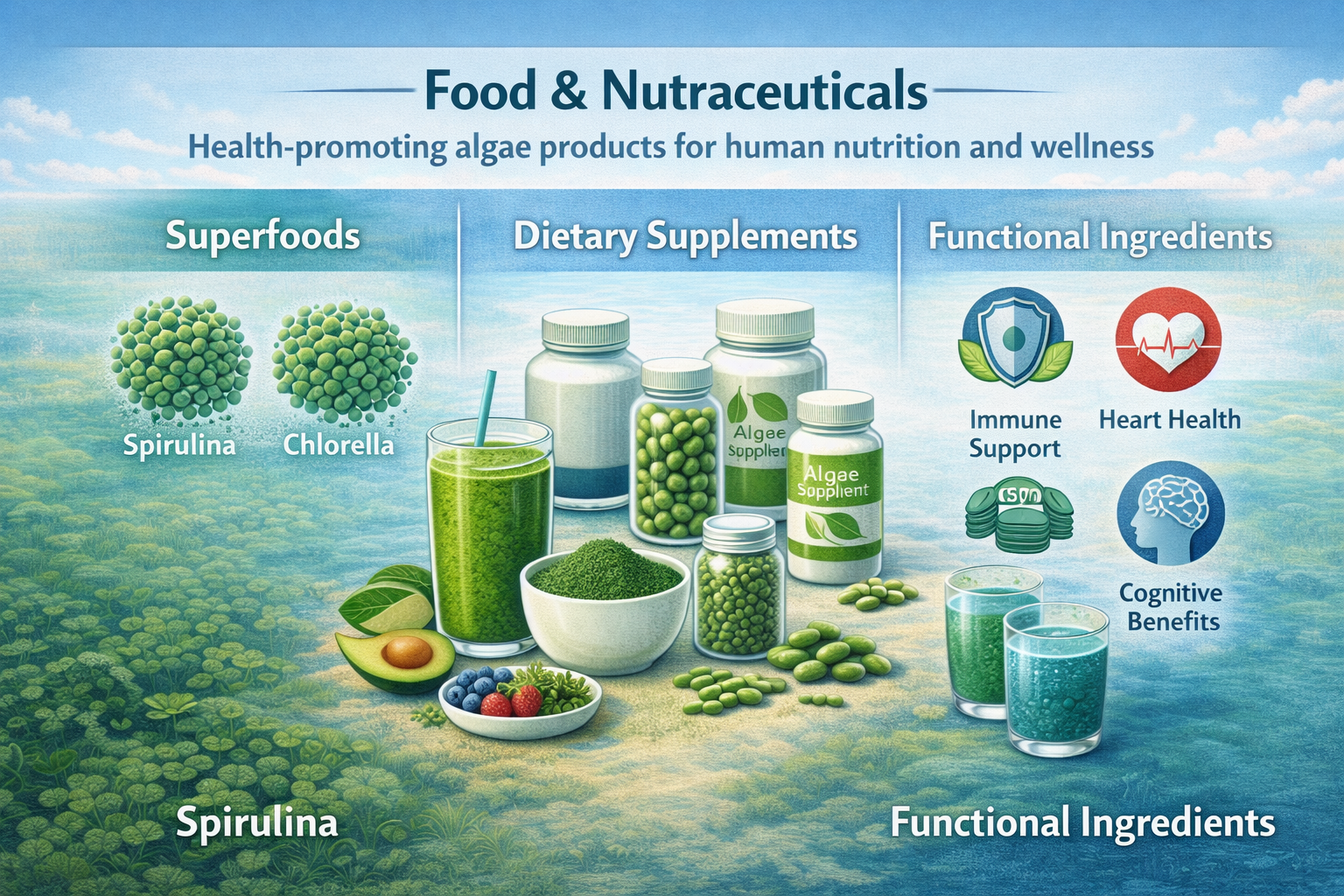
One of the most significant roles of algae is replacing fish oil as a source of DHA and EPA omega-3 fatty acids. Species such as Schizochytrium and Nannochloropsis are already commercially cultivated for omega-3 production. These algae-based oils are now widely used in infant formula, dietary supplements, vegan nutrition products, sports nutrition, and functional foods. Algae-derived omega-3s provide several advantages over fish oil, including reduced contamination risks, lower pressure on marine ecosystems, and suitability for vegetarian and vegan consumers. As a result, many global nutrition companies are increasingly incorporating algae oils into mainstream products.
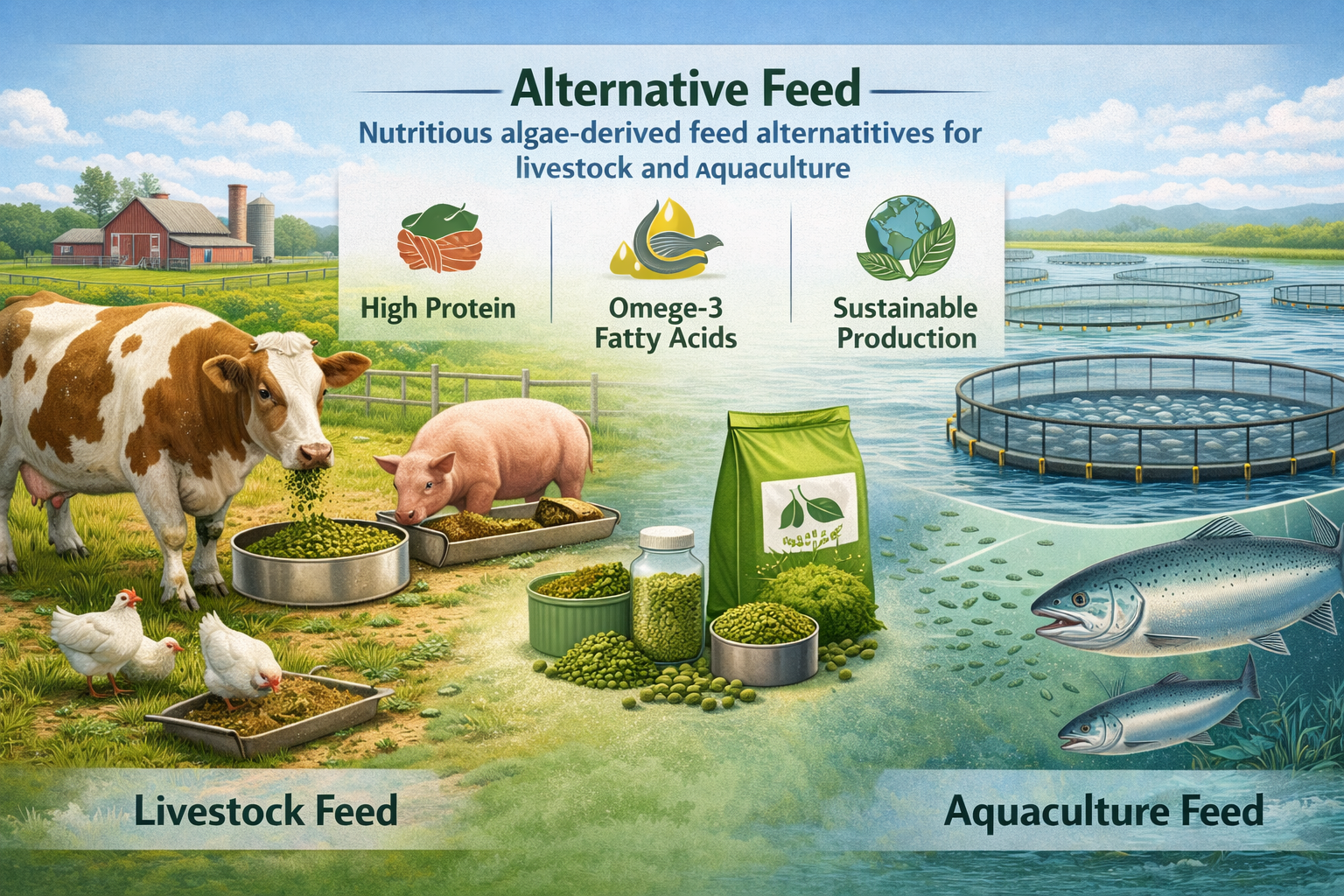
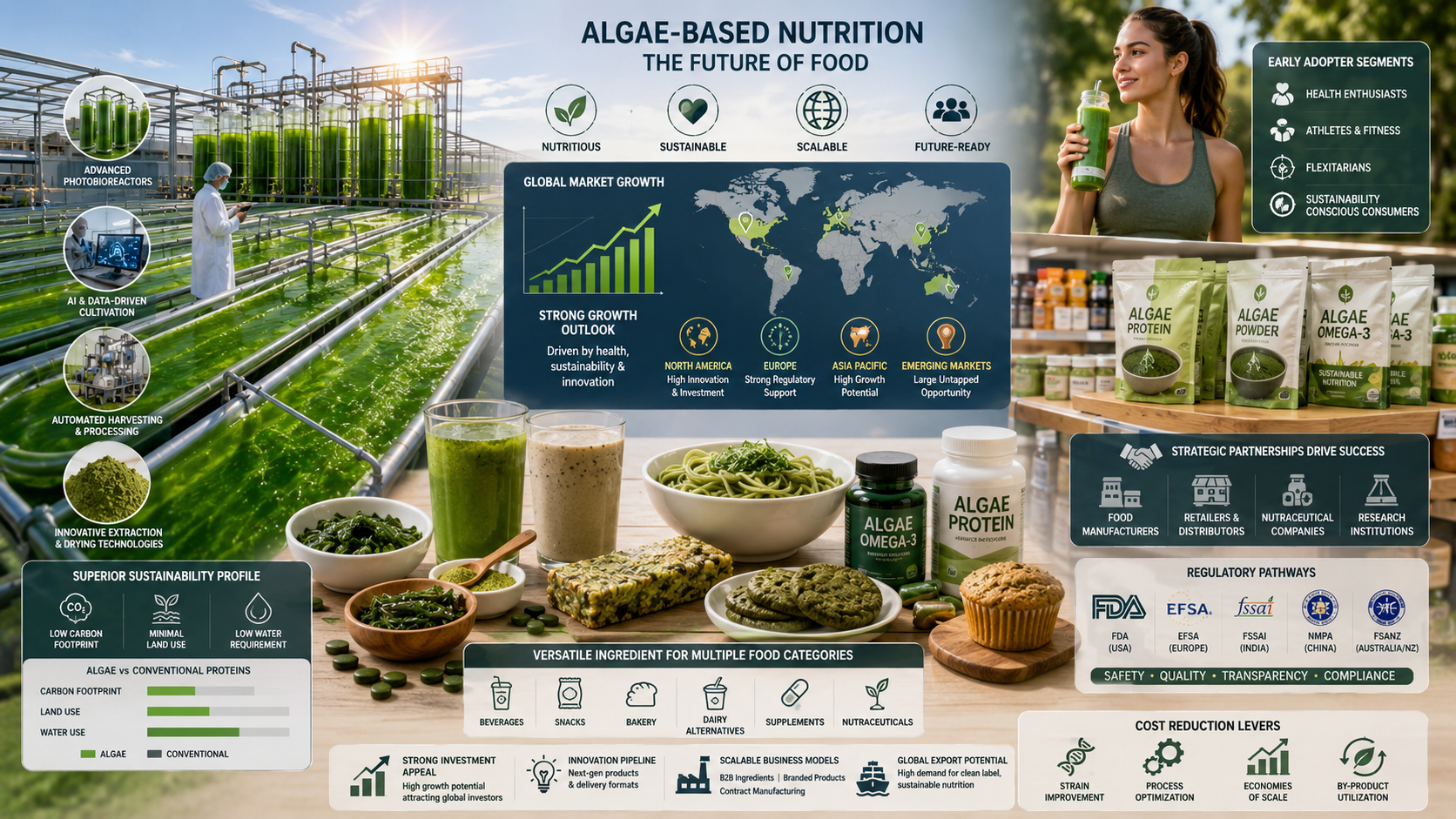
Algae also have strong potential to replace fish-derived proteins in both human nutrition and aquaculture feed systems. Species such as Spirulina and Chlorella contain approximately 50–70% protein by dry weight, along with essential amino acids and micronutrients. Compared with conventional marine protein sources, algae can be produced with less dependence on ocean resources and without large-scale fishing operations. This makes algae especially attractive for plant-based seafood alternatives, protein powders, nutrition bars, and sustainable food formulations. As alternative protein markets continue to grow globally, algae-based proteins are gaining increasing commercial importance.
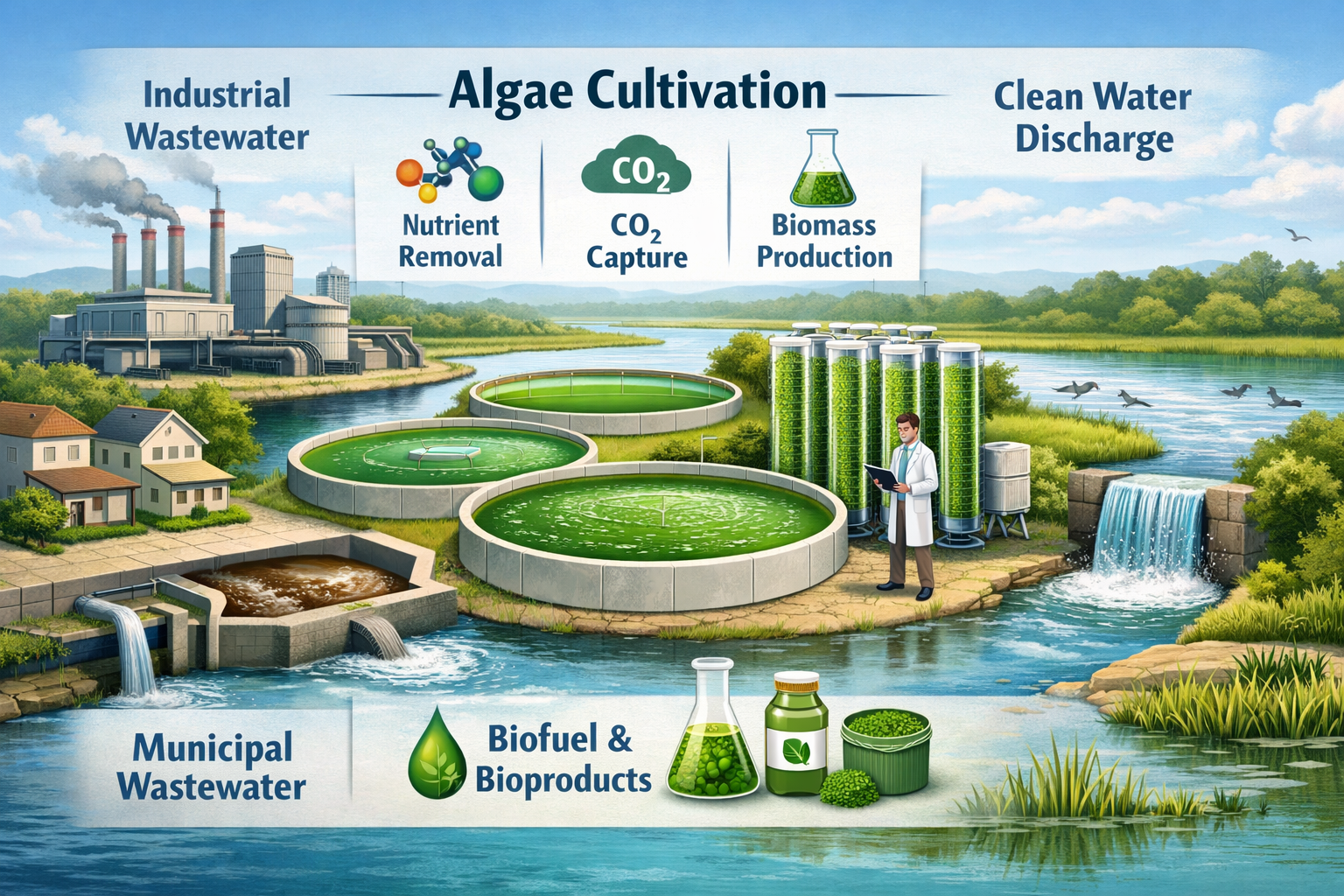
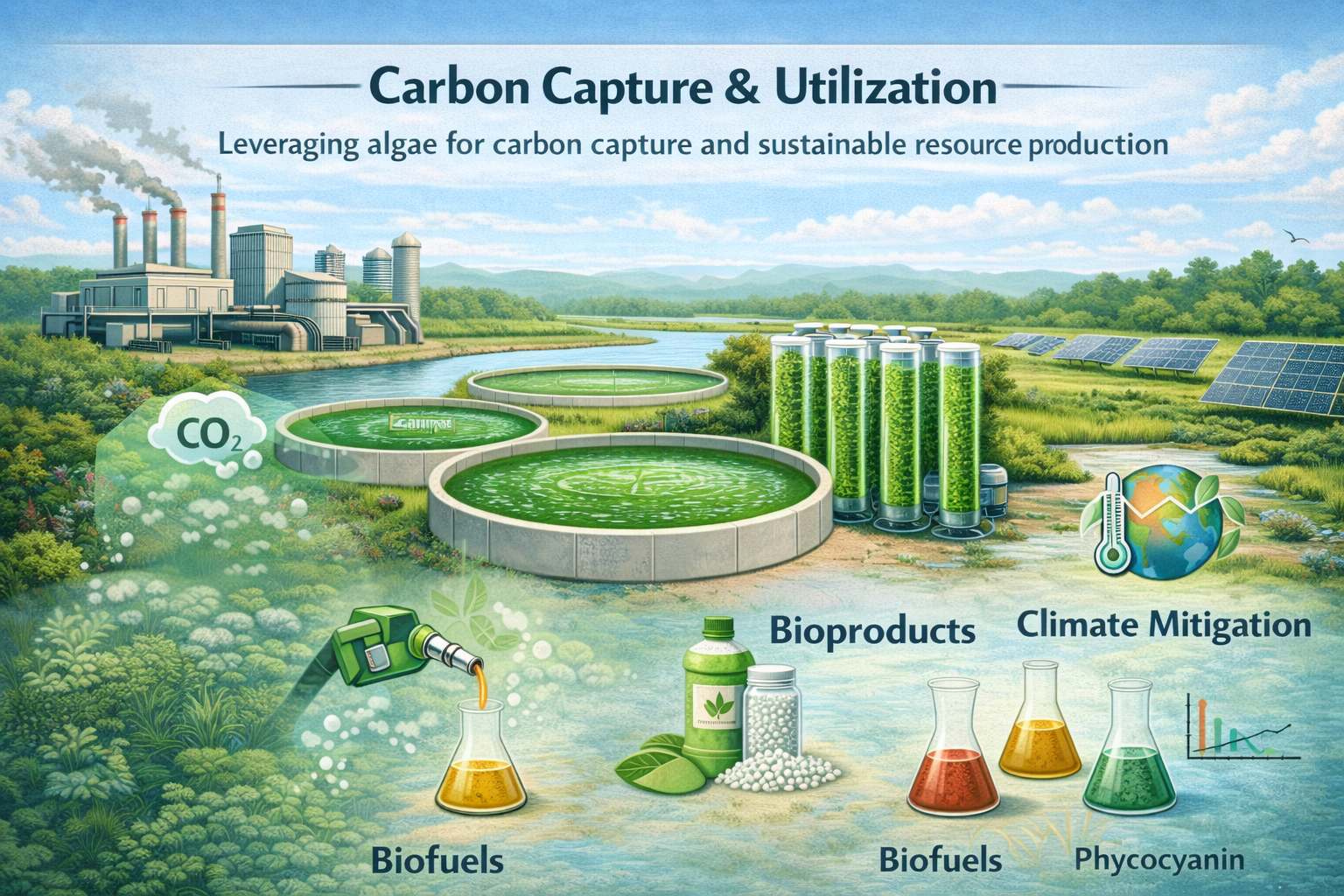
Another important role for algae is providing fish-like nutritional functionality without some of the environmental concerns associated with marine harvesting. Fish-derived ingredients may face challenges related to microplastic contamination, heavy metals, supply volatility, and declining fish stocks. Algae cultivation systems can often be controlled more precisely, improving consistency and traceability. In addition, algae production can be integrated with wastewater treatment, industrial CO₂ utilization, and non-arable land cultivation, making the overall production model more sustainable than many traditional marine extraction systems.
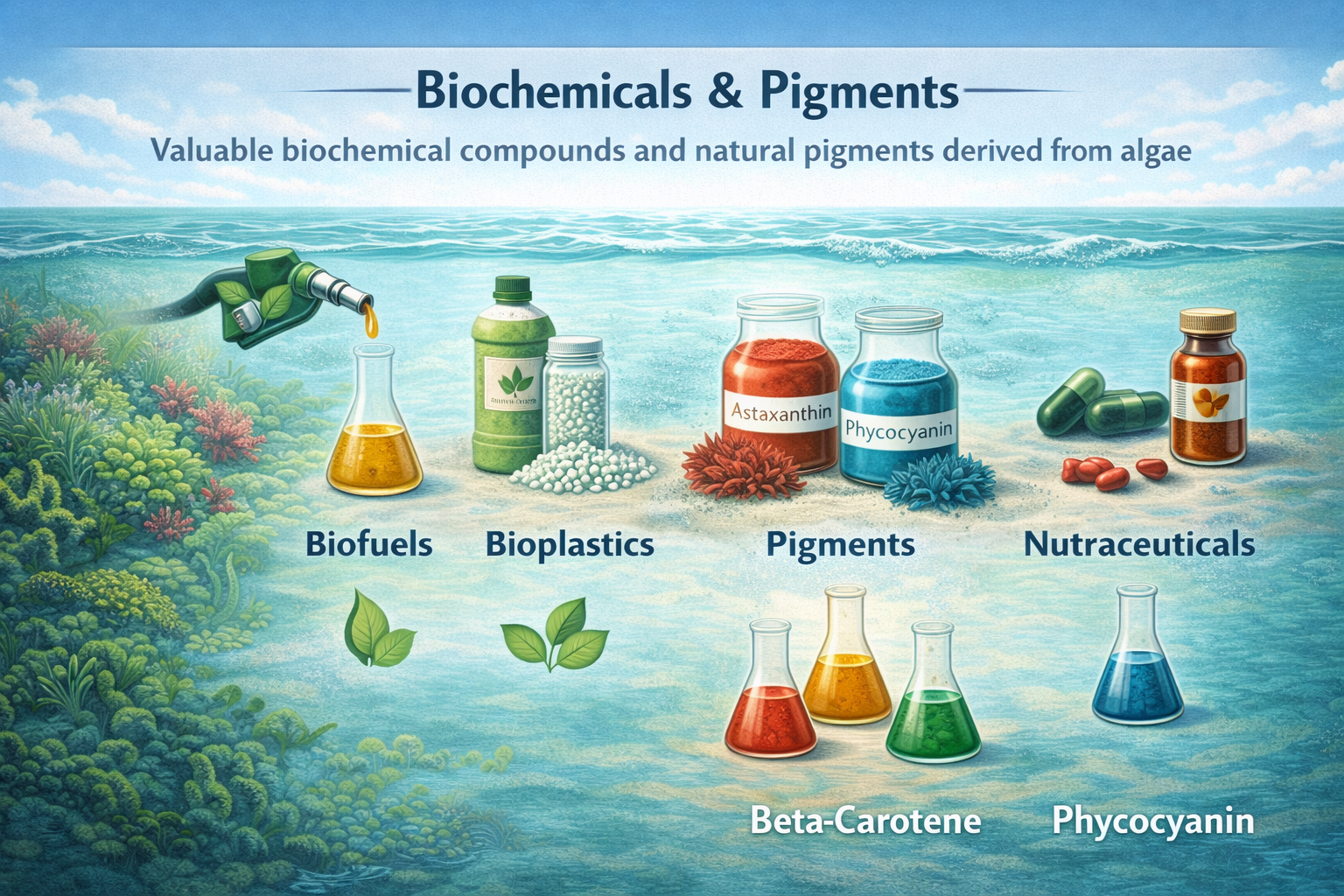
The long-term commercial importance of algae is expected to increase as governments, investors, and food companies prioritize sustainable nutrition. Global demand for omega-3s, alternative proteins, and functional foods continues to rise rapidly, while fisheries remain under growing environmental pressure. Because algae can simultaneously provide omega-3 oils, proteins, pigments, antioxidants, and micronutrients, they are increasingly viewed as one of the few scalable solutions capable of partially replacing fish-derived ingredients across multiple food and nutrition sectors. Over the next decade, algae are likely to become a central component of sustainable marine nutrition and next-generation food manufacturing worldwide.