
Algae are becoming highly attractive to global food companies because they combine high nutritional density, sustainability, and functional health benefits in a single ingredient platform. Microalgae such as Spirulina, Chlorella, Nannochloropsis, and Schizochytrium contain valuable proteins, omega-3 fatty acids, vitamins, minerals, pigments, and antioxidants. Unlike many conventional crops, algae can be cultivated on non-arable land using seawater, brackish water, or wastewater, making them attractive in a world facing rising pressure on agricultural land and freshwater resources. As a result, algae are increasingly viewed as a strategic future ingredient for the global food and nutraceutical industry.
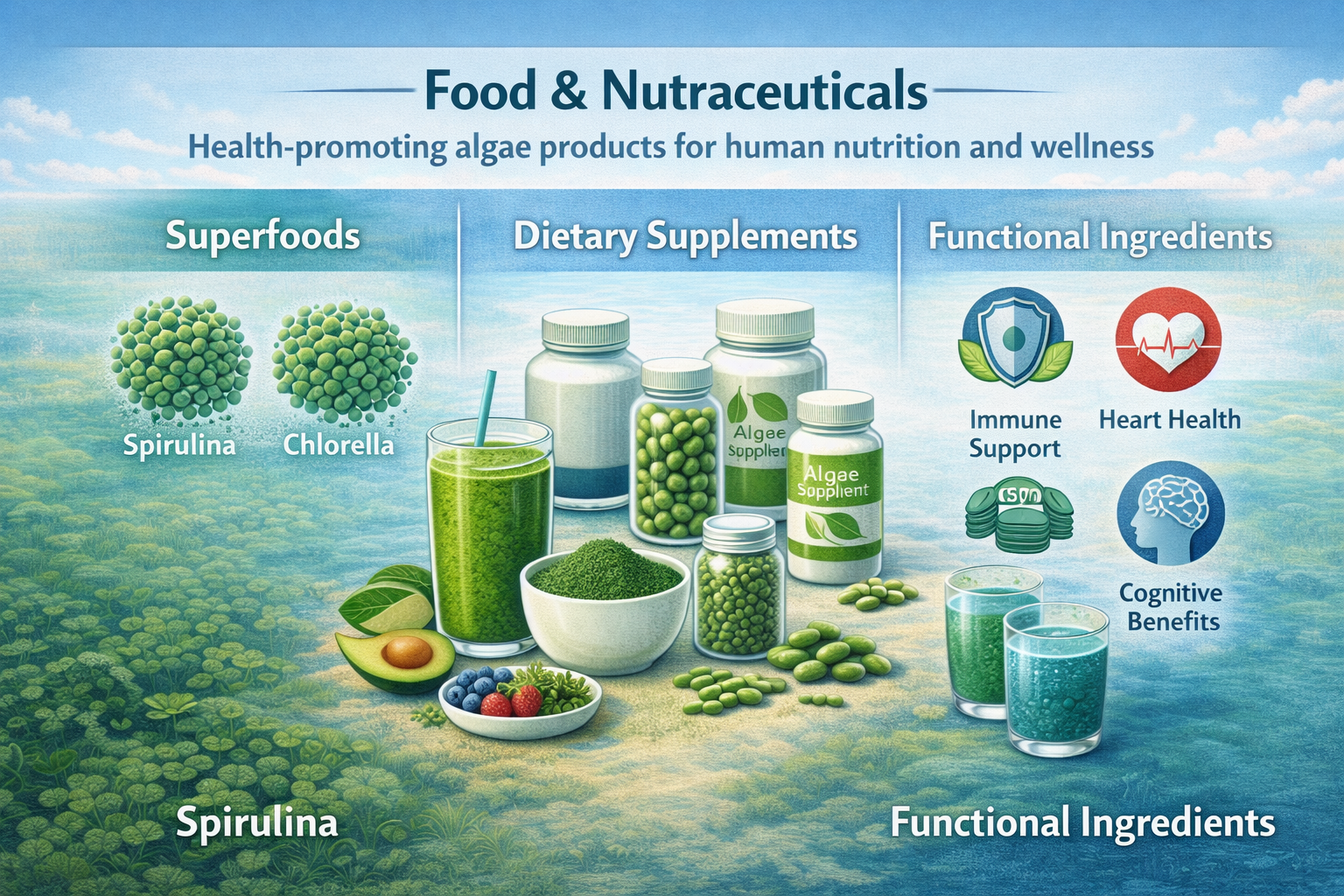
One of the strongest advantages of algae is their protein content. Spirulina contains approximately 55–70% protein by dry weight, making it one of the most protein-dense natural food sources currently commercialized. Chlorella also provides high-quality protein with essential amino acids. Compared with traditional protein sources such as soybean or beef, algae can deliver significantly higher protein productivity per hectare under optimized cultivation systems. This is especially attractive for companies developing plant-based foods, sports nutrition products, meal replacements, and alternative protein ingredients. As global demand for sustainable protein continues to rise, algae offer food companies a scalable long-term option with strong environmental positioning.
Algae are also extremely valuable because of their omega-3 content. Species such as Schizochytrium and Nannochloropsis are major commercial sources of DHA and EPA omega-3 fatty acids, which are traditionally obtained from fish oil. Food companies are increasingly interested in algae-derived omega-3 oils because they provide a vegan, sustainable, and contaminant-controlled alternative to marine fish sources. This is particularly important as global fish stocks face increasing sustainability pressure. Algae-based omega-3 ingredients are already widely used in infant formula, dietary supplements, functional beverages, and cardiovascular health products, and demand is expected to grow further as plant-based nutrition markets expand globally.
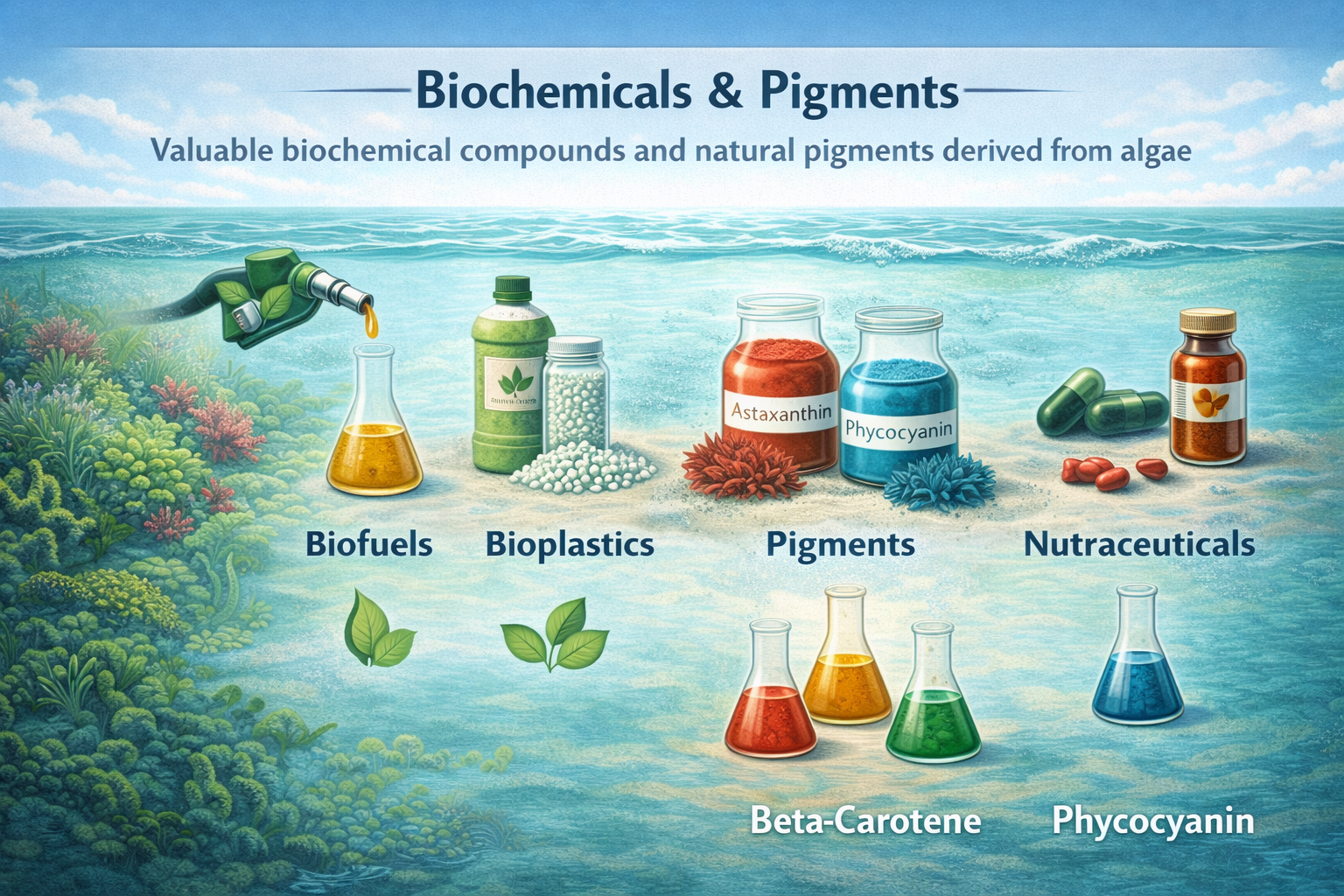
In addition to protein and omega-3s, algae are rich in micronutrients and bioactive compounds. Many commercial species contain iron, calcium, magnesium, potassium, B vitamins, carotenoids, chlorophyll, phycocyanin, beta-carotene, and astaxanthin. These compounds are highly attractive for food manufacturers because consumers increasingly prefer foods with natural antioxidants, immunity-supporting nutrients, and clean-label ingredients. Algae pigments are also gaining importance as natural alternatives to synthetic food colorants. This multifunctional nutritional profile allows algae to serve simultaneously as a protein ingredient, health supplement, coloring agent, and functional additive.
Despite the strong commercial potential, food companies still face challenges including production cost, taste optimization, regulatory approvals, and scaling cultivation systems. However, global investment in algae biotechnology is increasing rapidly, and many analysts expect algae ingredients to become far more mainstream over the next decade. The market attractiveness is strengthened by several global trends occurring at the same time: growth in vegan diets, demand for sustainable proteins, pressure on fisheries, interest in functional nutrition, and climate-focused food innovation. Because algae address all of these trends simultaneously, they are increasingly considered one of the most promising future ingredient platforms in the global food industry.