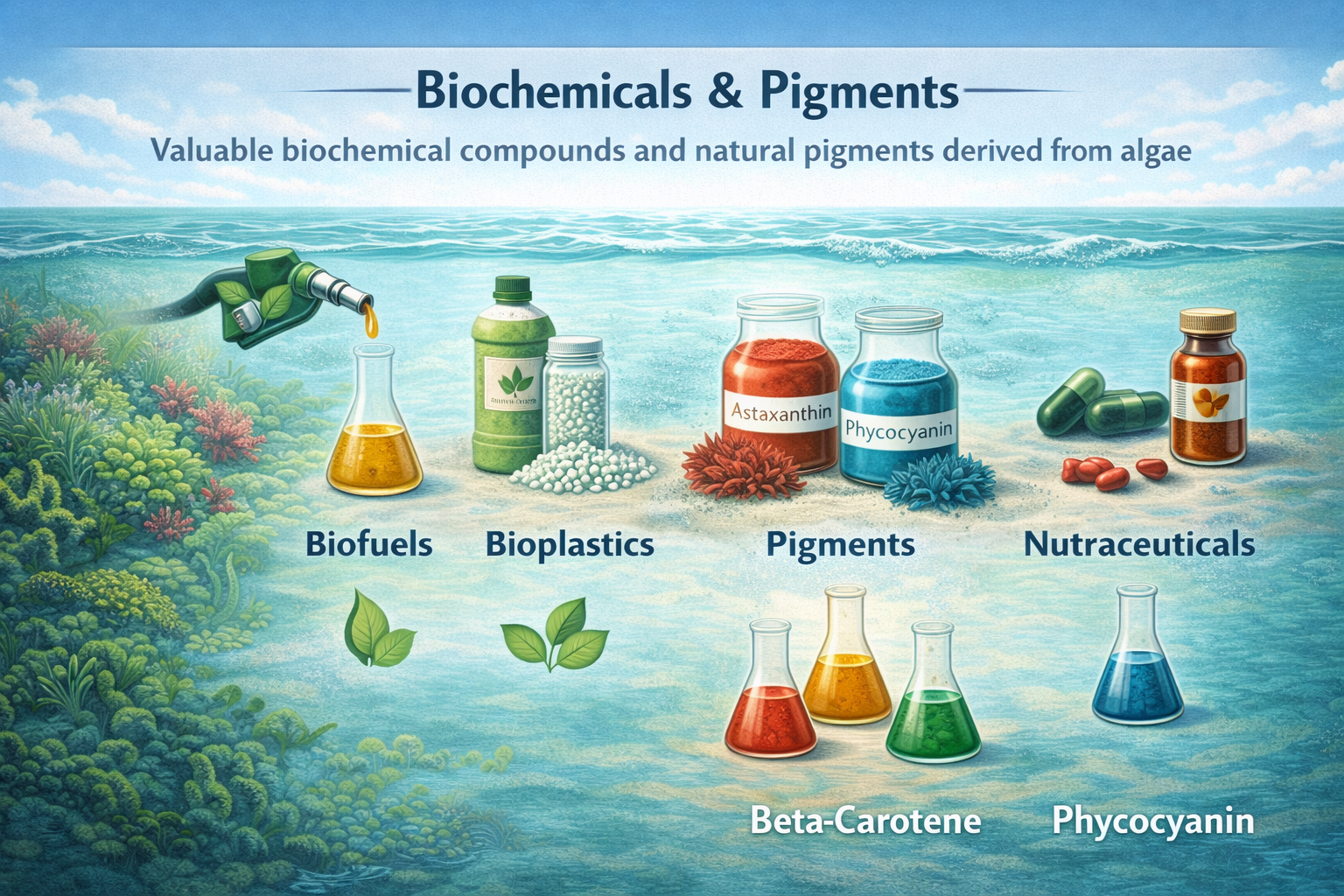
The most viable business model for algae-based food startups today is generally the B2B ingredient model, especially for companies producing spirulina, chlorella, algae proteins, omega-3 oils, astaxanthin, and natural pigments. The global algae products market is already valued at roughly USD 5–6 billion, and much of that value comes from supplying ingredients to larger food, beverage, nutraceutical, and supplement manufacturers rather than directly selling finished consumer products. B2B models are attractive because they allow startups to scale production faster, secure long-term supply agreements, and avoid the extremely high marketing and retail distribution costs associated with consumer packaged goods. Large food companies increasingly seek sustainable proteins and natural ingredients, creating strong demand for algae suppliers.
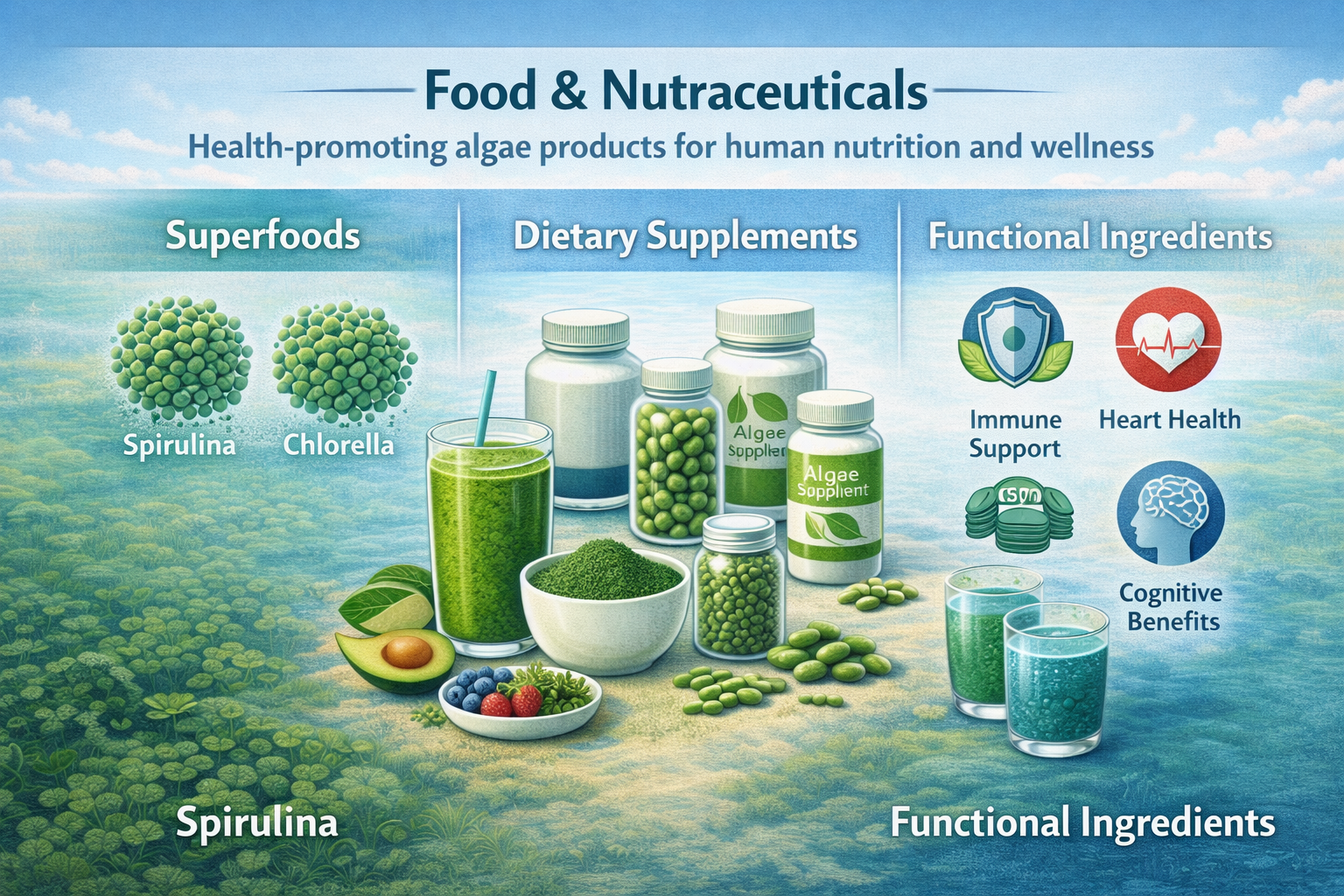
The B2B ingredient model is especially powerful because algae are often used as components inside existing products rather than sold independently. For example, algae-derived DHA oils are used in infant formula, vegan supplements, dairy alternatives, sports nutrition, and functional beverages. Similarly, spirulina and chlorella are increasingly added to protein powders, nutrition bars, snacks, noodles, and health drinks. This gives algae startups access to large established industries without needing to build their own global consumer brands. In commercial terms, ingredient-focused businesses often achieve better scalability because they can concentrate investment on cultivation, extraction, quality control, and regulatory approvals instead of advertising and retail expansion.
However, branded consumer products can generate significantly higher profit margins when executed successfully. Premium algae-based supplements, wellness foods, functional beverages, and plant-based nutrition products are growing rapidly, particularly in North America, Europe, Japan, and South Korea. The challenge is that branded food startups require heavy investment in packaging, branding, influencer marketing, certifications, e-commerce, and retail partnerships. Consumer acquisition costs in health-food markets can be extremely high. As a result, branded algae companies often struggle unless they differentiate strongly through claims such as high protein, vegan omega-3, sustainable nutrition, or climate-friendly food production. While margins may be higher, scaling a consumer brand is usually slower and riskier than operating as an ingredient supplier.
A third increasingly important model is contract manufacturing and white-label production. In this structure, algae companies cultivate or process algae products for other brands that sell under their own labels. This model is commercially attractive because it creates predictable recurring revenue and reduces marketing expenses. Many supplement and wellness brands prefer outsourcing algae production because cultivation technology, contamination control, drying, and extraction require specialized expertise. Contract manufacturing is particularly viable in regions such as India, China, Southeast Asia, and the United States, where production costs or infrastructure advantages allow companies to supply global markets efficiently. However, contract manufacturers typically operate on lower margins compared with successful branded companies.
Globally, the strongest commercial strategy is often a hybrid model. Many successful algae startups begin with B2B ingredient sales to generate stable cash flow, later expand into contract manufacturing, and eventually launch selected premium branded products after establishing production capacity and market credibility. This phased approach reduces risk while building long-term enterprise value. Current market trends strongly suggest that ingredient-focused companies supplying sustainable proteins, algae omega-3 oils, pigments, and functional nutrition compounds are likely to dominate the largest share of the algae food economy over the next decade, while branded products will remain important mainly in premium wellness and specialty nutrition categories.