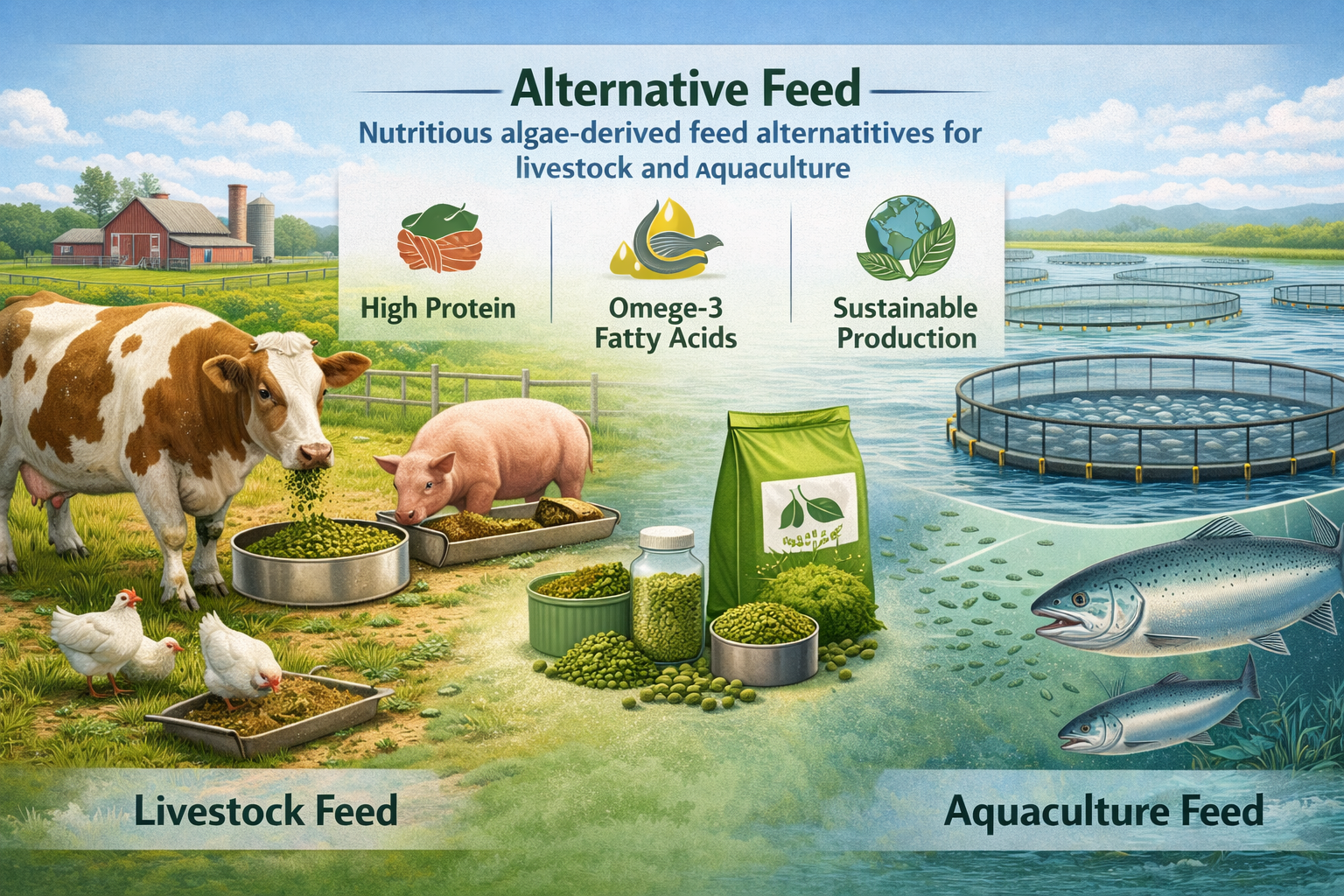
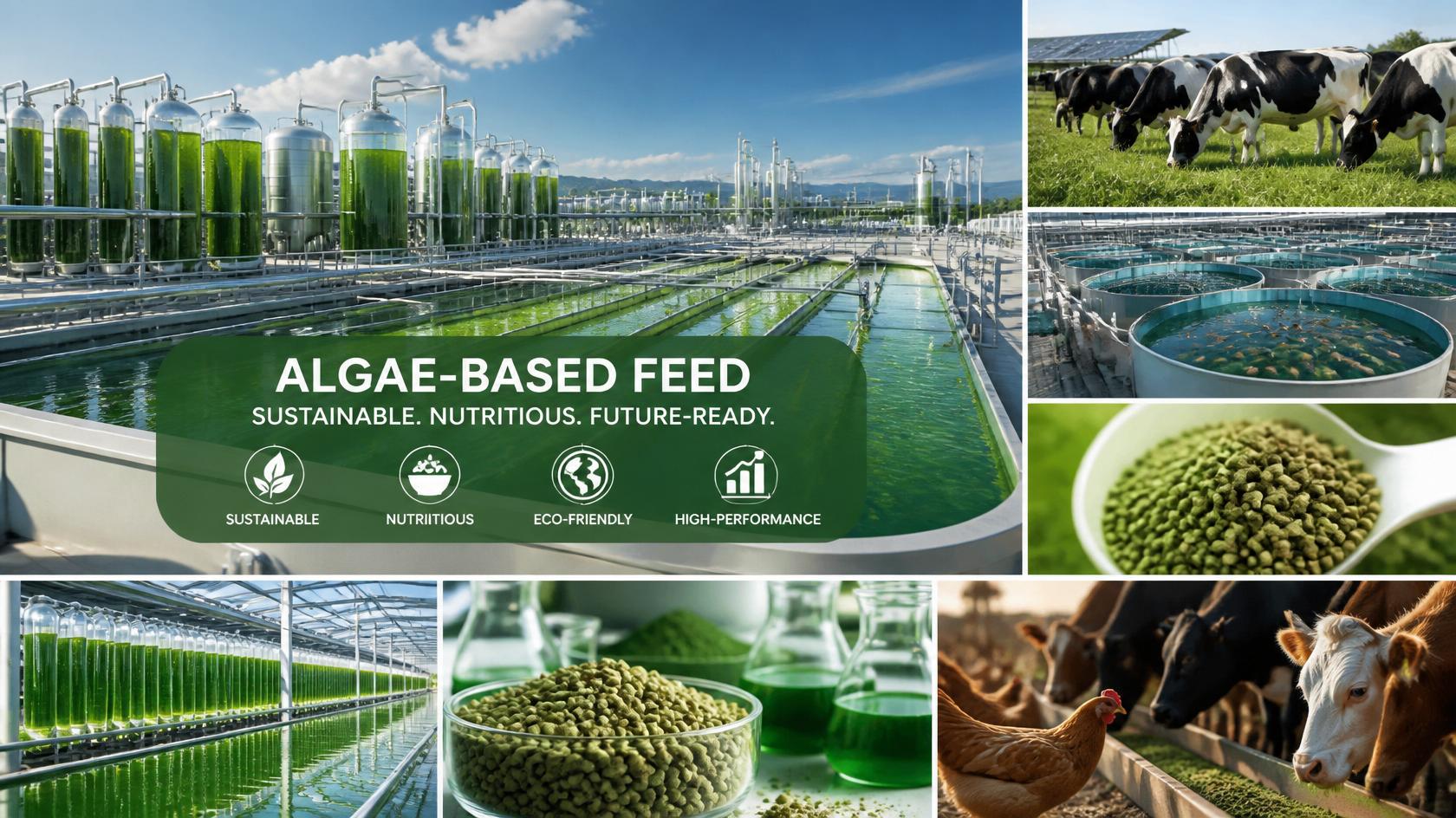
The most effective distribution channel for algae-based cattle feed and aquaculture feed is usually B2B direct sales to feed manufacturers, premix companies, and large livestock or aquaculture integrators. That is because algae is often sold as an ingredient or functional additive, not as a consumer-ready product, so buyers need consistent specifications, technical support, and quality assurance before blending it into compound feed. FAO guidance on feed manufacturing emphasizes controlled processing and ingredient quality, which fits this channel best.
For aquaculture feed, the strongest route is often direct sales to large fish and shrimp farms and to commercial feed mills that supply them. In fragmented markets, however, indirect sales through regional distributors, sub-dealers, and feed agents are highly effective, especially in Asia and Africa where farm sizes and purchasing power vary widely. One 2025 market analysis says indirect sales account for 52.8% of aquafeed revenue, showing how important distributor-led networks remain in this sector.
For algae-based cattle feed, the most effective channel is usually direct contracting with feed mills, dairy cooperatives, and livestock integrators, followed by regional distributors that serve mid-sized farms. This works well because cattle feed buyers often purchase in bulk and want formulations that can be embedded into mineral mixes, protein supplements, or total mixed rations. Market tracking for algae-based animal feed explicitly segments the market by direct sales, distributors, bulk contracts, and even online, which reflects how the category is commercialized globally.
A useful secondary channel is technical distributor networks that combine sales with advisory support. This matters because algae ingredients can differ in protein content, omega-3 levels, moisture, and processing form, so farms and mills often need formulation help before adoption. These partners are especially valuable for premium aquaculture clients and commercial dairy systems that want performance data, trial support, and reliable logistics rather than simple commodity pricing.
Online sales are usually the least important for large-scale feed volumes, but they can work for small farms, pilot buyers, and specialty products such as powdered algae supplements or trial packs. Globally, the best model is a hybrid channel strategy: direct sales for anchor customers, distributors for regional scale, and technical partners for formulation and adoption support. That approach matches a market that is still growing, with one 2026 outlook projecting algae-based animal feed to expand at 4.2% CAGR through 2036.