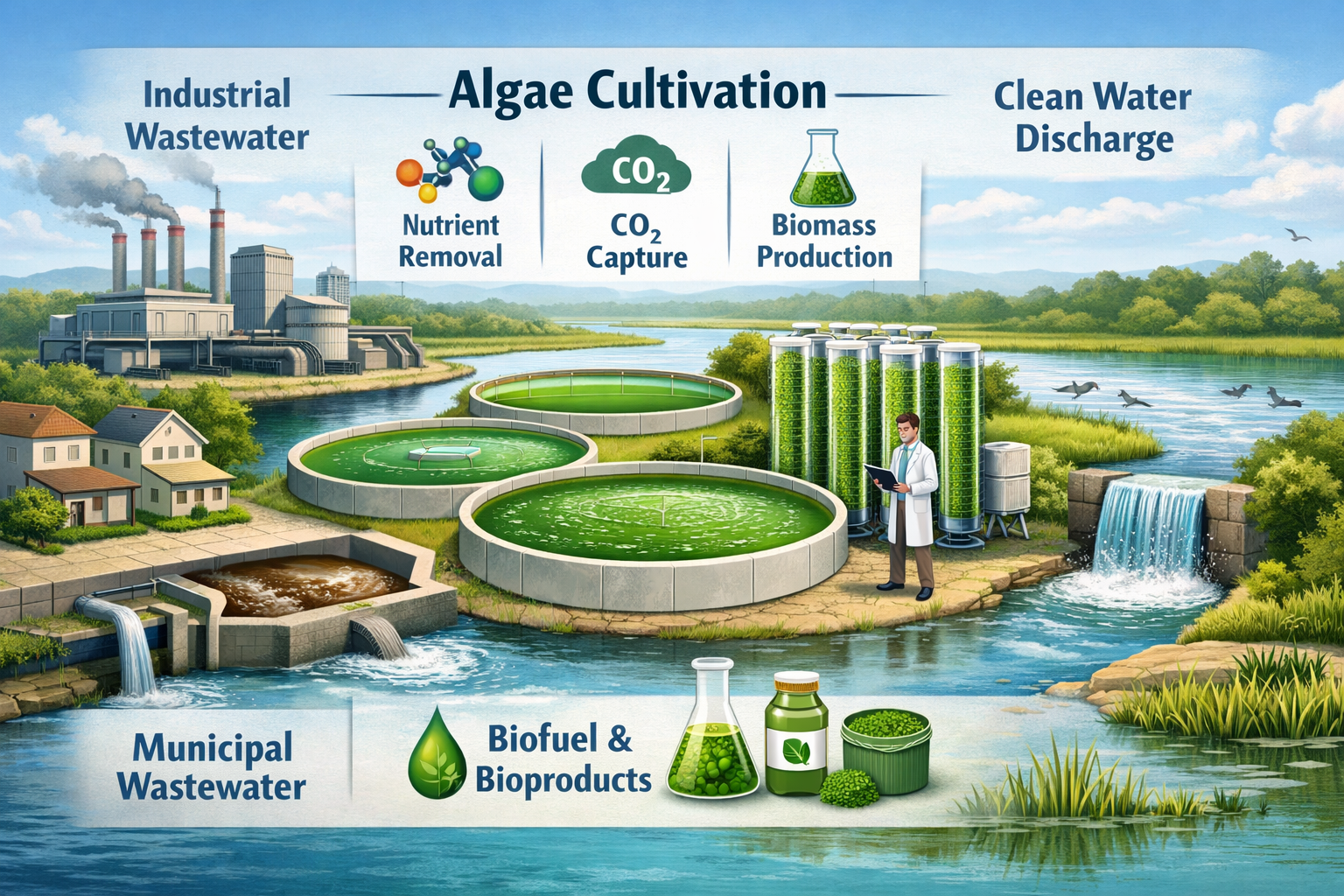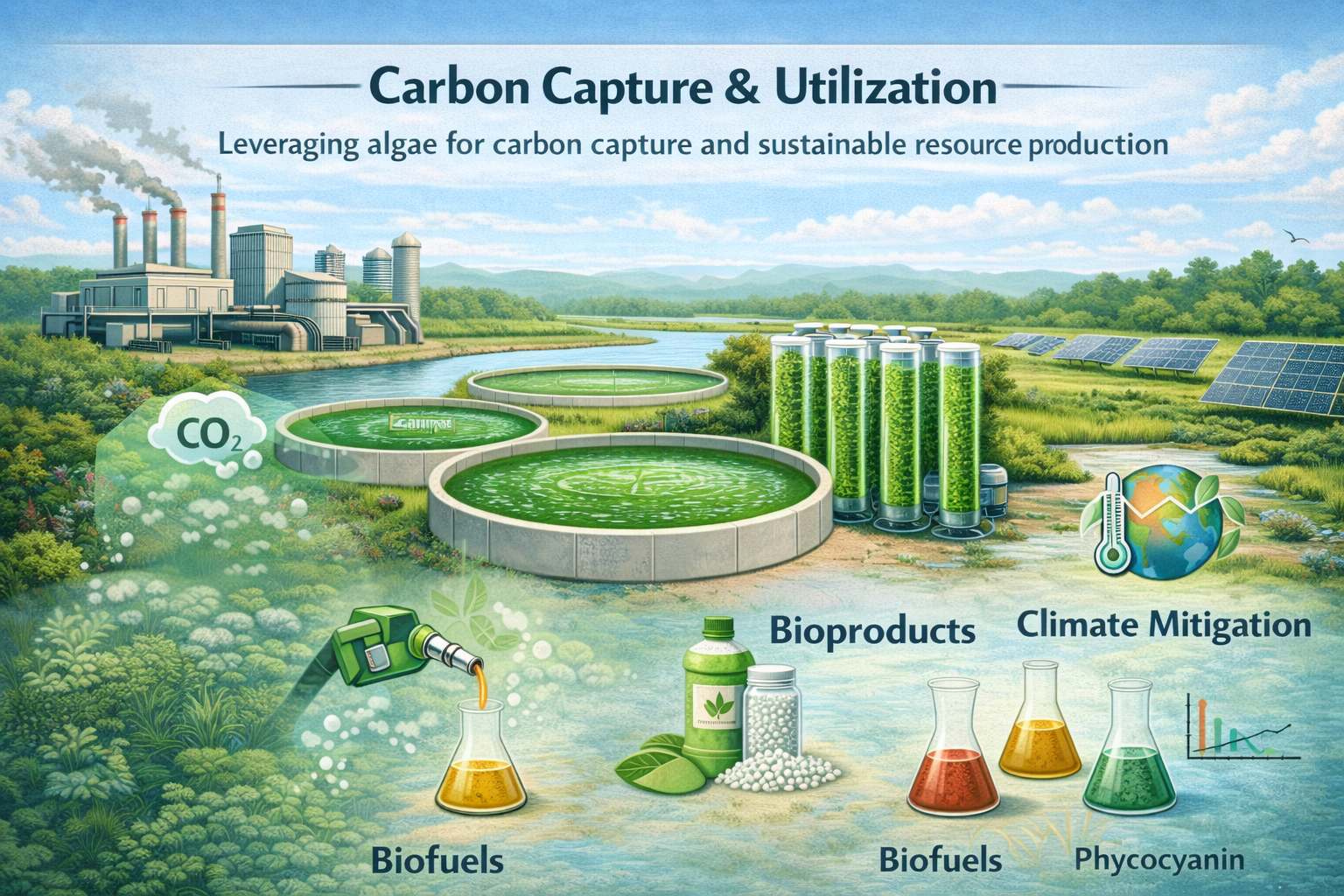
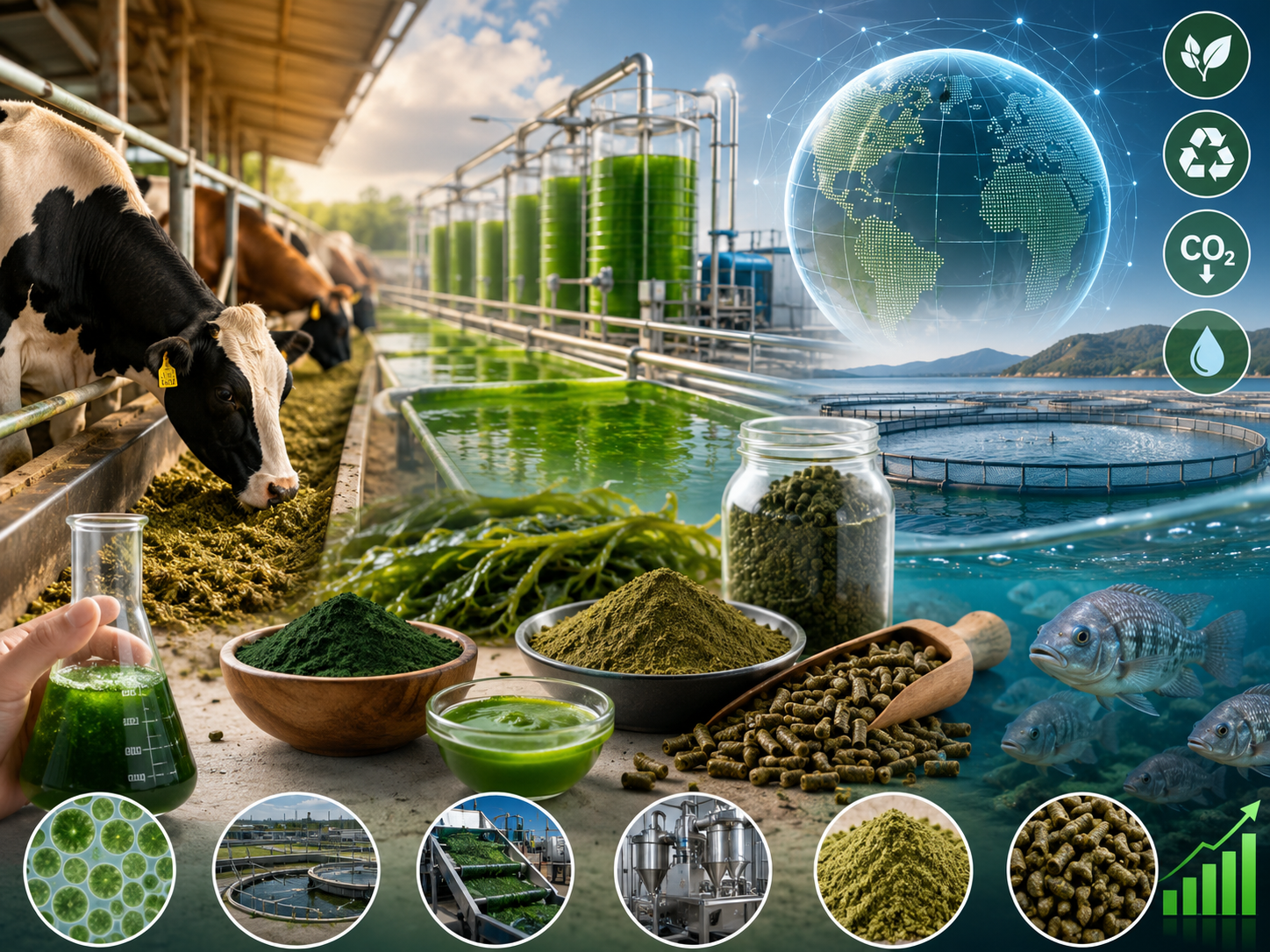
The efficiency of algae-based feed production depends heavily on improvements in cultivation systems, harvesting technologies, and downstream feed processing. One of the most important technologies is the shift from traditional open ponds to advanced photobioreactors (PBRs) and hybrid cultivation systems. Reviews show that tubular, flat-plate, and vertical-column PBRs can significantly increase biomass productivity because they improve light exposure, gas exchange, contamination control, and nutrient utilization. Some high-performance systems have reported productivity levels above 90 g/m²/day, far higher than many conventional open ponds. Hybrid systems combining open raceway ponds with controlled PBR stages are increasingly viewed as commercially attractive because they balance lower capital cost with higher biomass yield.
Another major efficiency driver is the use of automation, sensors, and AI-based monitoring. Modern algae farms increasingly rely on real-time monitoring of pH, CO₂, dissolved oxygen, temperature, nutrient concentration, and light intensity to optimize growth conditions continuously. Research on advanced cultivation systems highlights the importance of precise gas exchange and mixing because excessive oxygen buildup can reduce productivity while optimized CO₂ delivery improves photosynthesis. Automated paddlewheel control, smart aeration, and predictive analytics can therefore reduce energy consumption while maximizing biomass output, especially in large-scale commercial raceway ponds.
Harvesting remains one of the largest cost barriers in algae production, often accounting for 20–30% of total production costs. To improve efficiency, companies are increasingly combining multiple harvesting methods such as bioflocculation, dissolved air flotation, membrane filtration, and centrifugation. Reviews note that no single technology works best for all algae strains, so two-step systems are becoming standard industrial practice. Electrochemical harvesting technologies are particularly promising because they can dramatically reduce energy demand compared with conventional centrifugation. One 2025 study reported energy consumption of about 1.76 kWh/kg for electrochemical harvesting compared with over 65 kWh/kg for centrifugation in some cases.
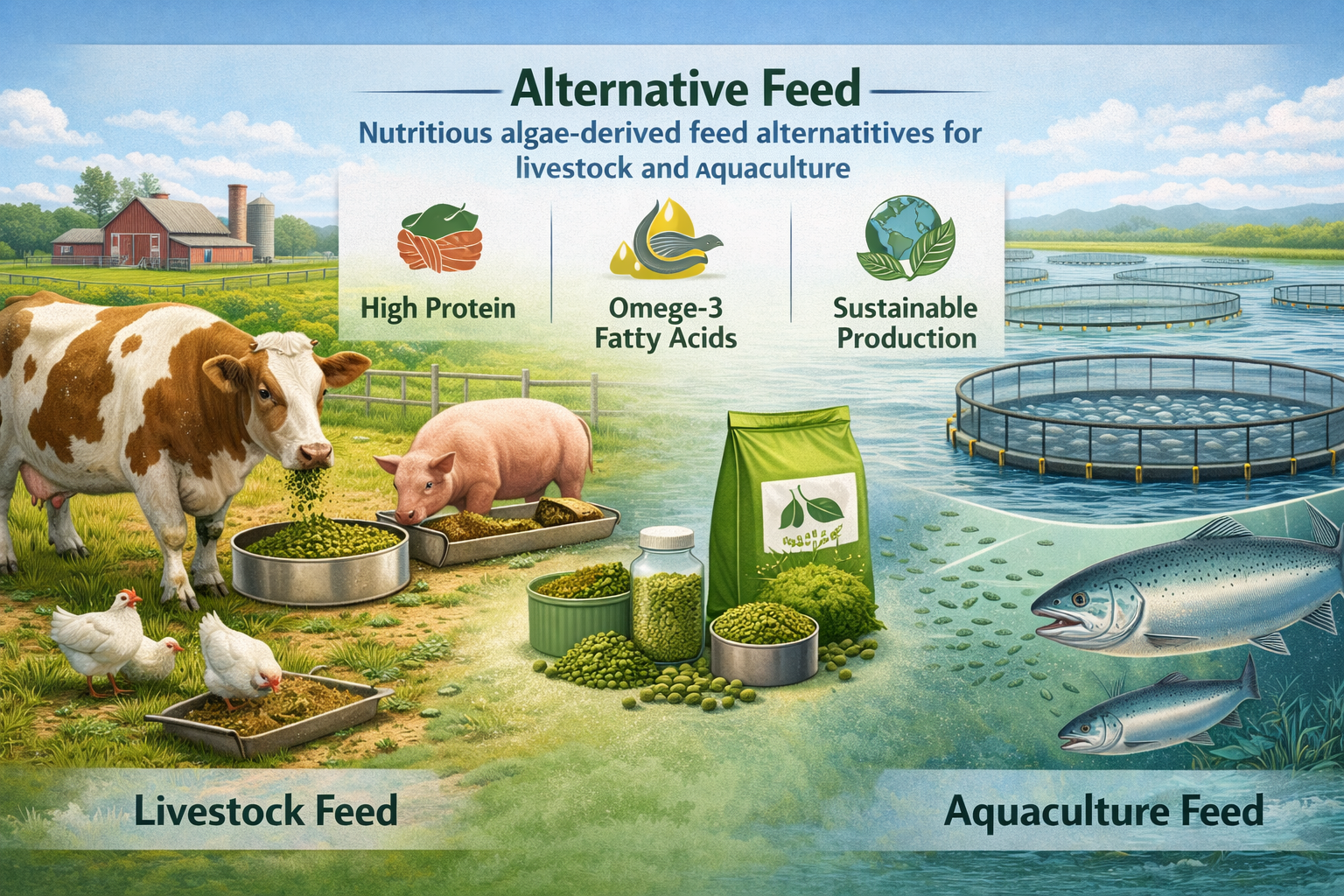
Feed-processing technologies are also evolving rapidly. Technologies such as spray drying, low-temperature drum drying, extrusion processing, cell-wall disruption, and fermentation improve digestibility and nutrient availability in cattle and aquaculture feeds. Heterotrophic and mixotrophic fermentation systems are especially important because they can produce much higher lipid concentrations than purely photoautotrophic cultivation. Reviews report that heterotrophic cultivation of some algae strains increased lipid content from around 15% to over 50%, which is valuable for omega-3-rich aquaculture feeds. These technologies also improve protein concentration, feed stability, and shelf life.
Future commercial growth will likely depend on integrated biorefinery technologies that combine wastewater treatment, carbon capture, renewable energy, and algae feed production in one system. Researchers increasingly emphasize using industrial CO₂ streams, nutrient-rich wastewater, and circular-economy infrastructure to reduce cultivation costs. Because algae can grow 2–10 times faster than many terrestrial crops, integrated systems could become highly efficient protein and lipid production platforms for global feed markets. The companies that successfully combine advanced cultivation, low-energy harvesting, automated monitoring, and efficient feed processing are likely to dominate the future algae-feed industry.