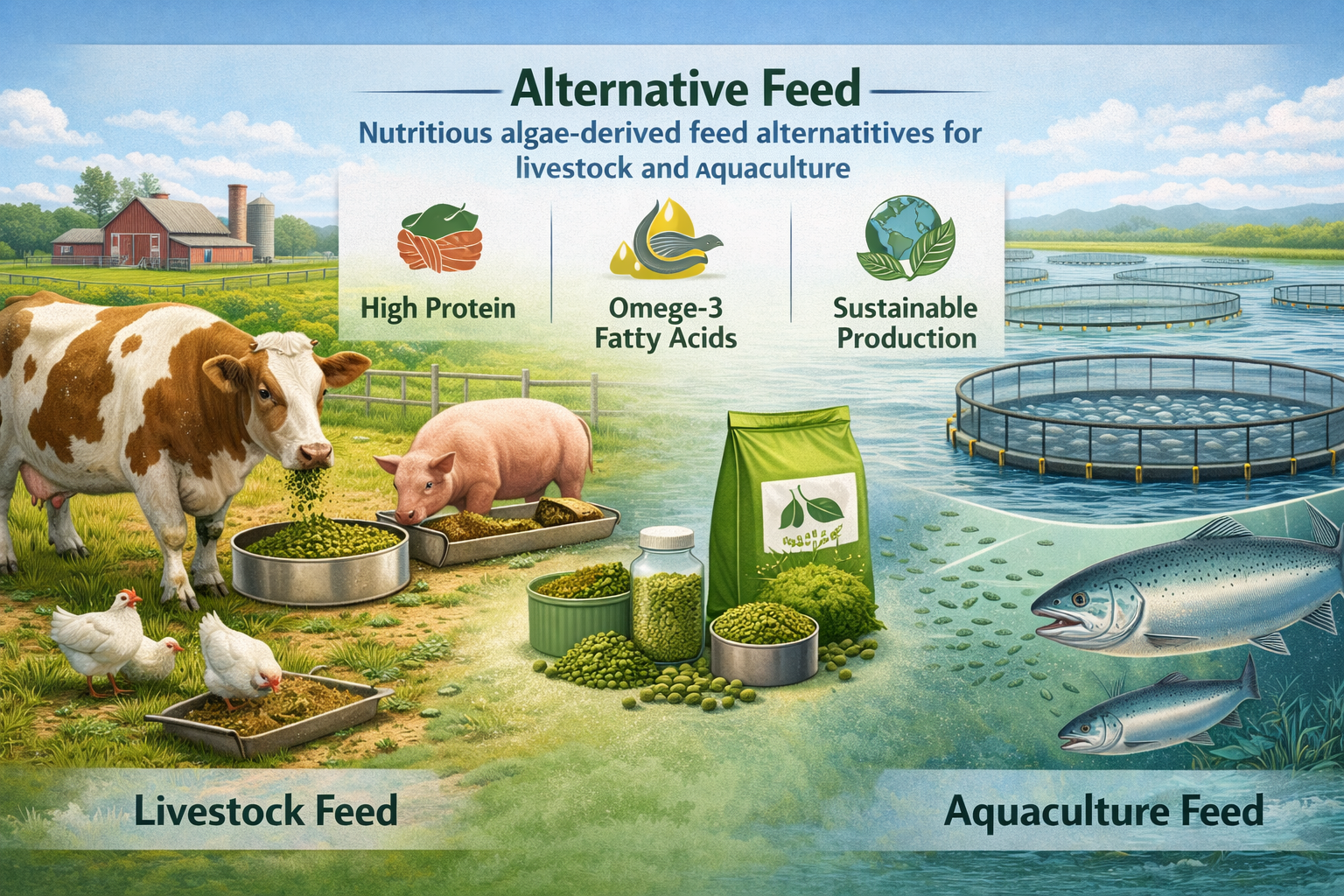
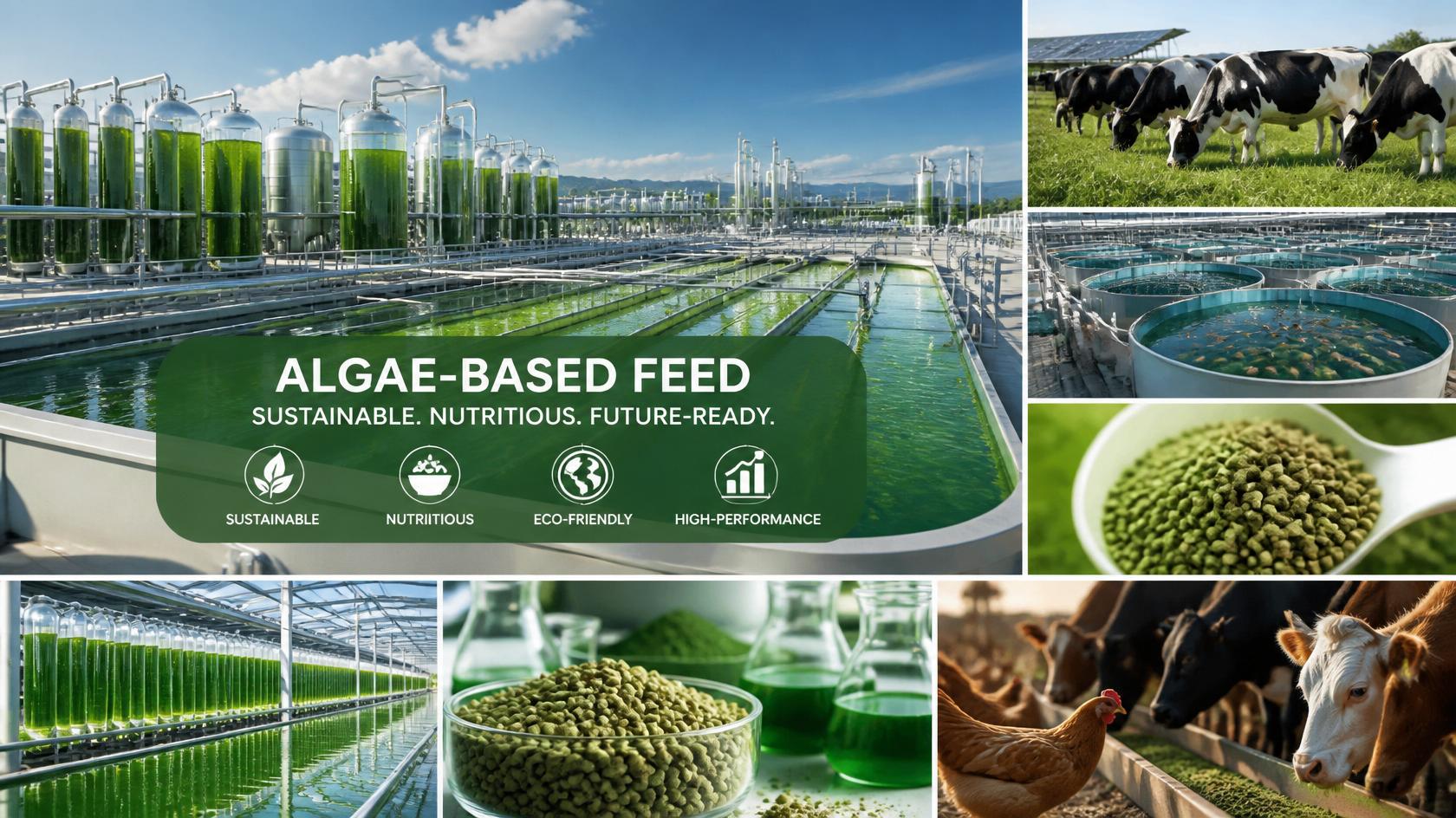
Yes, algae-based feed has shown strong potential to improve fish growth, immunity, and feed conversion ratio (FCR) in aquaculture. Microalgae such as Spirulina, Chlorella, Nannochloropsis, and Schizochytrium are rich in high-quality proteins, omega-3 fatty acids, vitamins, pigments, and antioxidants, making them valuable alternatives to conventional fishmeal and fish oil. Global aquaculture research increasingly supports algae as a sustainable functional feed ingredient because it not only provides nutrition but also improves fish health and farming efficiency. According to FAO, aquaculture is one of the fastest-growing food production sectors globally, increasing demand for sustainable and nutritionally efficient feed solutions.
One of the most important benefits of algae-based feed is improved fish growth performance. Studies show that algae supplementation can increase weight gain, protein utilization, and overall feed efficiency in species such as tilapia, salmon, shrimp, carp, and seabass. Research published in aquaculture journals reports that dietary inclusion of Spirulina and Chlorella often leads to significantly higher growth rates compared with conventional feed alone. In many cases, optimized algae inclusion improves digestibility because algae contain bioactive compounds and essential amino acids that support metabolism and nutrient absorption. Higher nutrient bioavailability directly contributes to faster fish growth and better production output.
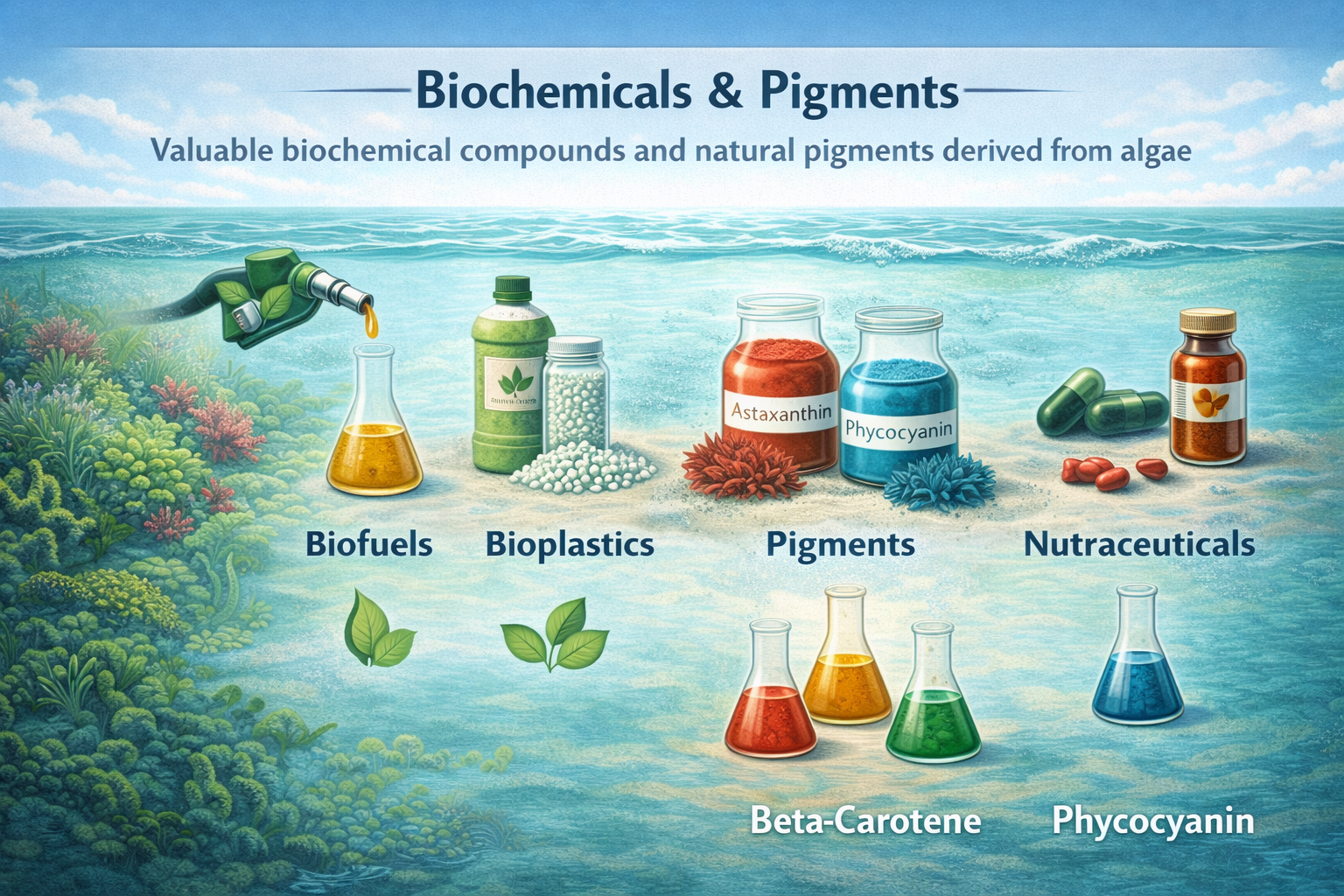
Algae-based feed also strengthens fish immunity and disease resistance. Microalgae contain beta-glucans, carotenoids, polysaccharides, antioxidants, and polyunsaturated fatty acids, which stimulate immune responses and reduce oxidative stress in aquatic species. Scientific studies show that algae supplementation can increase lysozyme activity, improve antioxidant enzyme function, and enhance resistance against bacterial and viral infections. Astaxanthin-rich algae and Spirulina are especially known for improving immune performance and survival rates in aquaculture systems. This is important globally because disease outbreaks remain one of the largest economic risks for fish farmers.
Another major advantage is improvement in Feed Conversion Ratio (FCR), which measures how efficiently feed is converted into fish biomass. Lower FCR values mean farmers require less feed to produce the same amount of fish, reducing operational costs and environmental impact. Research demonstrates that algae-based diets can significantly improve FCR by enhancing digestion, gut microbiota balance, and nutrient absorption efficiency. In several aquaculture trials, algae supplementation resulted in lower feed waste and better metabolic performance. Improved FCR is economically critical because feed costs can account for nearly 50–70% of total aquaculture production expenses globally.yh
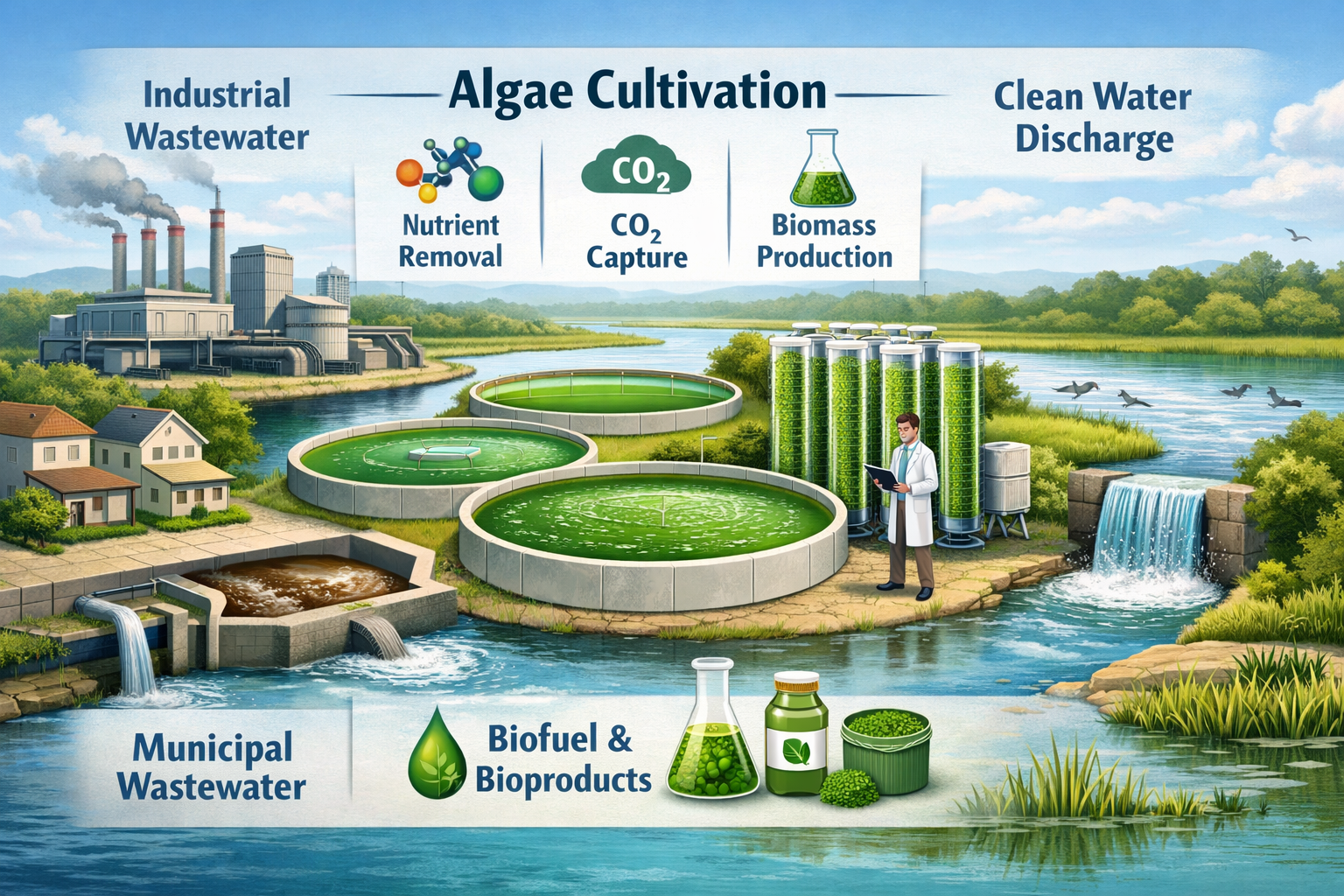
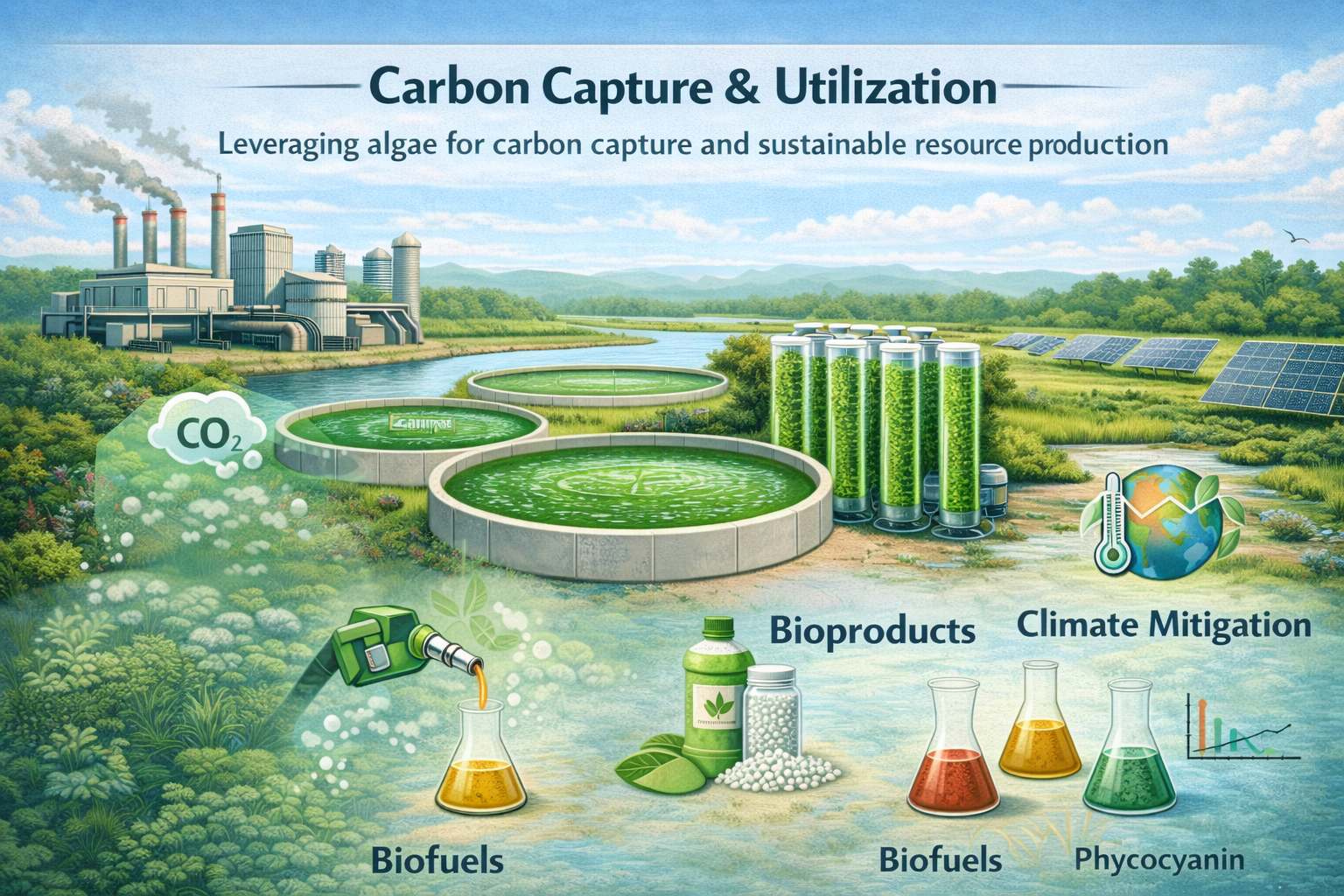
Despite these advantages, large-scale adoption still depends on reducing cultivation and processing costs of algae biomass. Current commercial strategies focus on integrating algae production with wastewater treatment, carbon capture, and circular bioeconomy systems to make algae feed more affordable. Advances in photobioreactors, genetic strain improvement, and large-scale fermentation are also improving production efficiency. As sustainability regulations tighten and fishmeal prices remain volatile, algae-based feed is increasingly viewed as one of the most promising long-term solutions for global aquaculture nutrition and environmental sustainability.