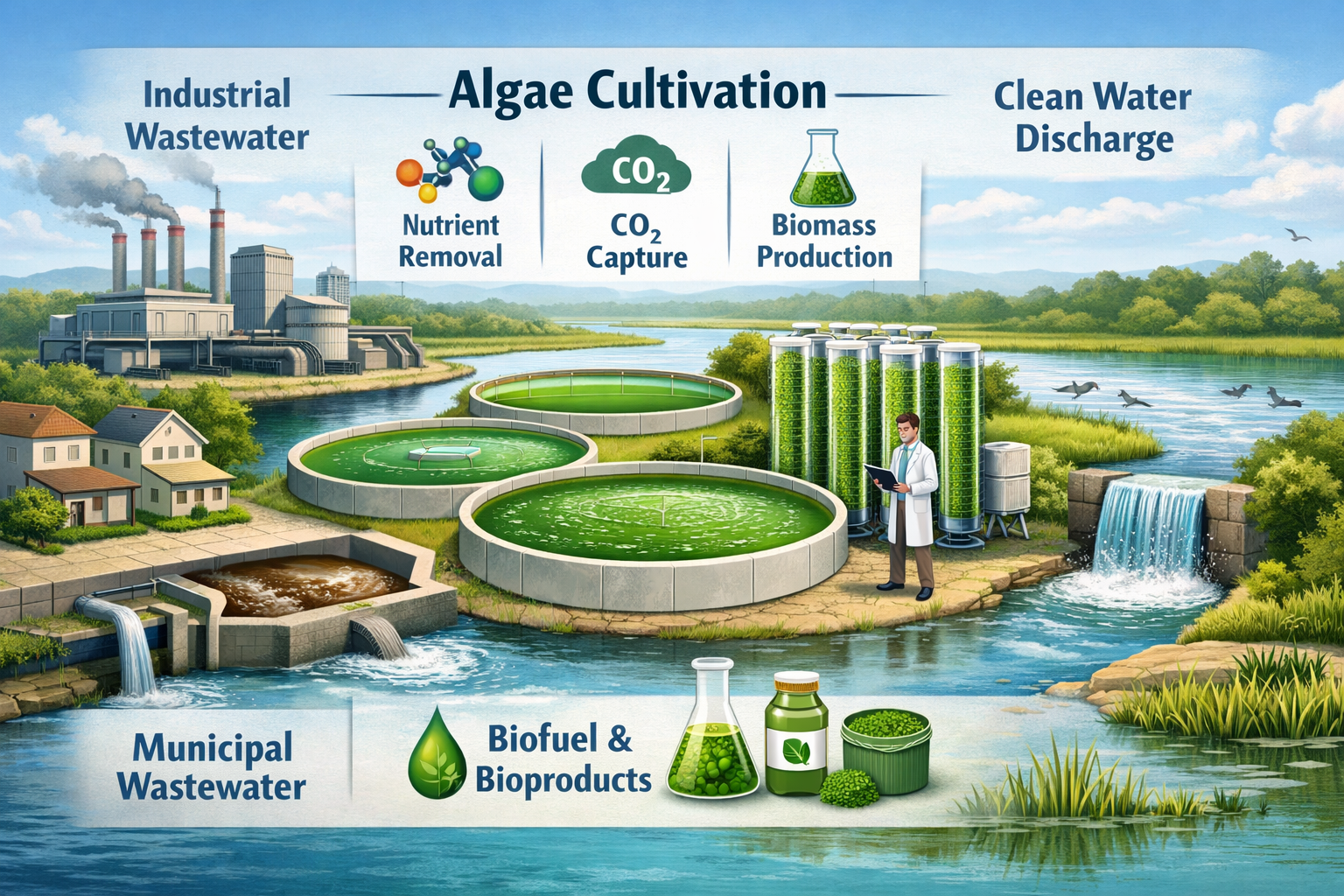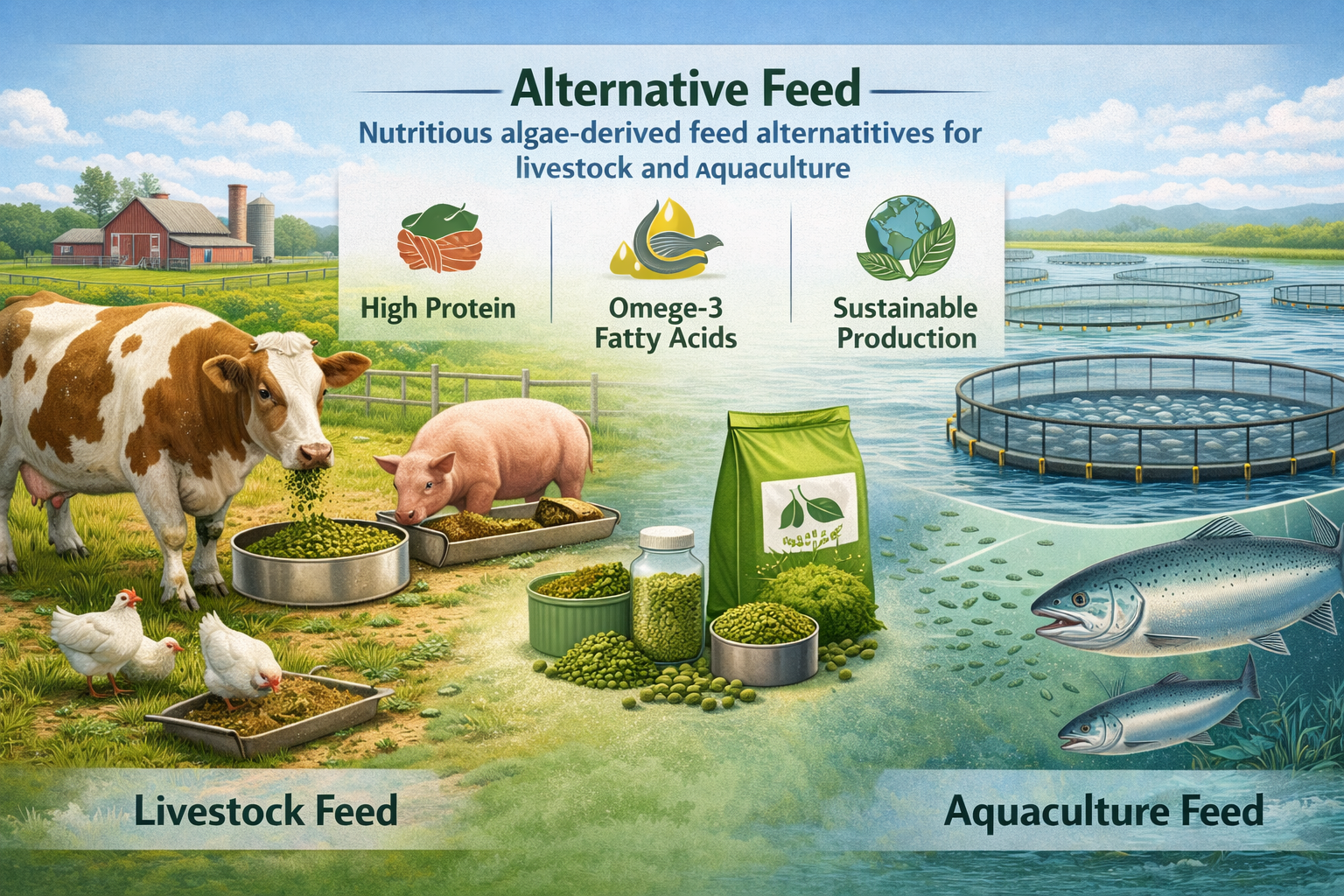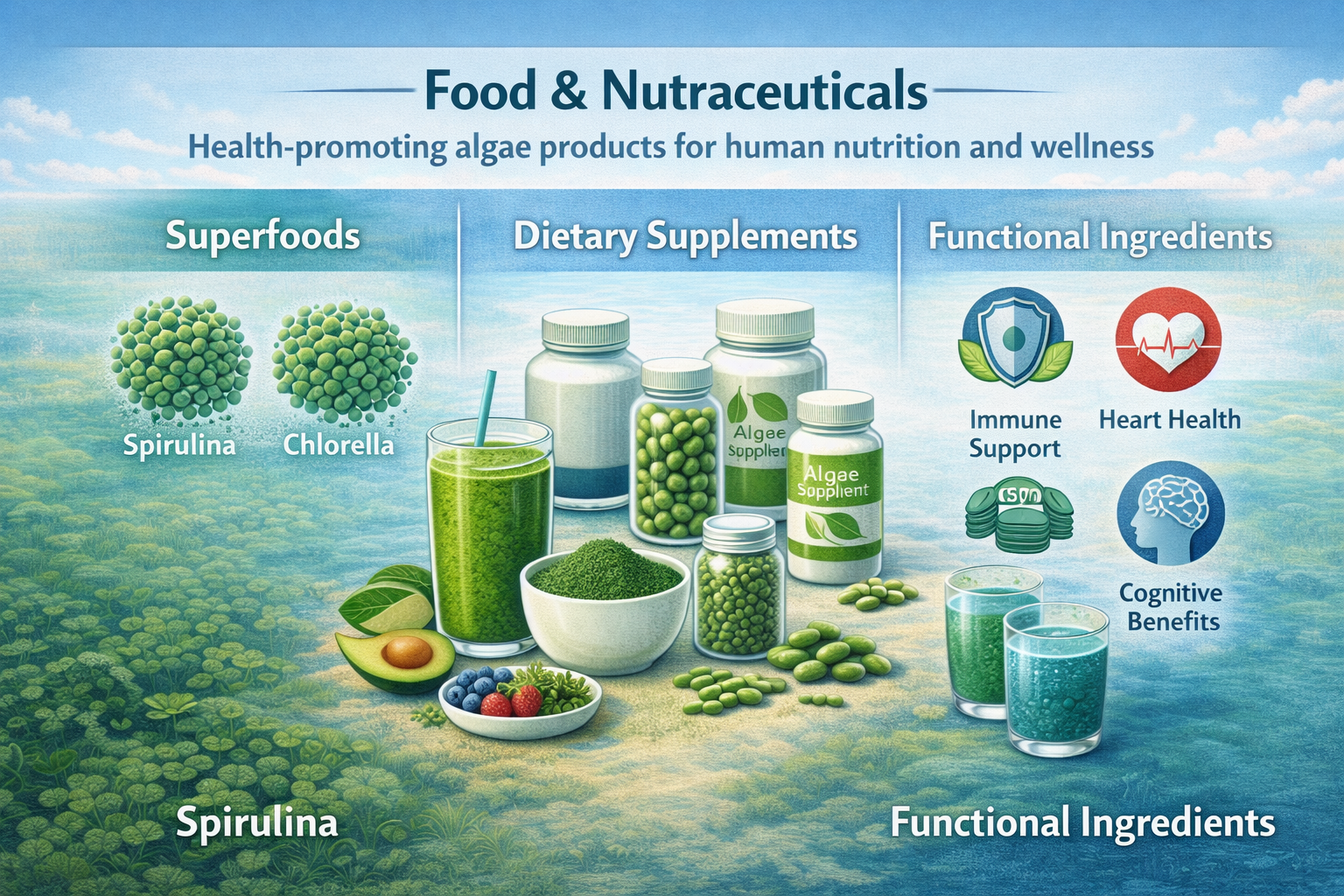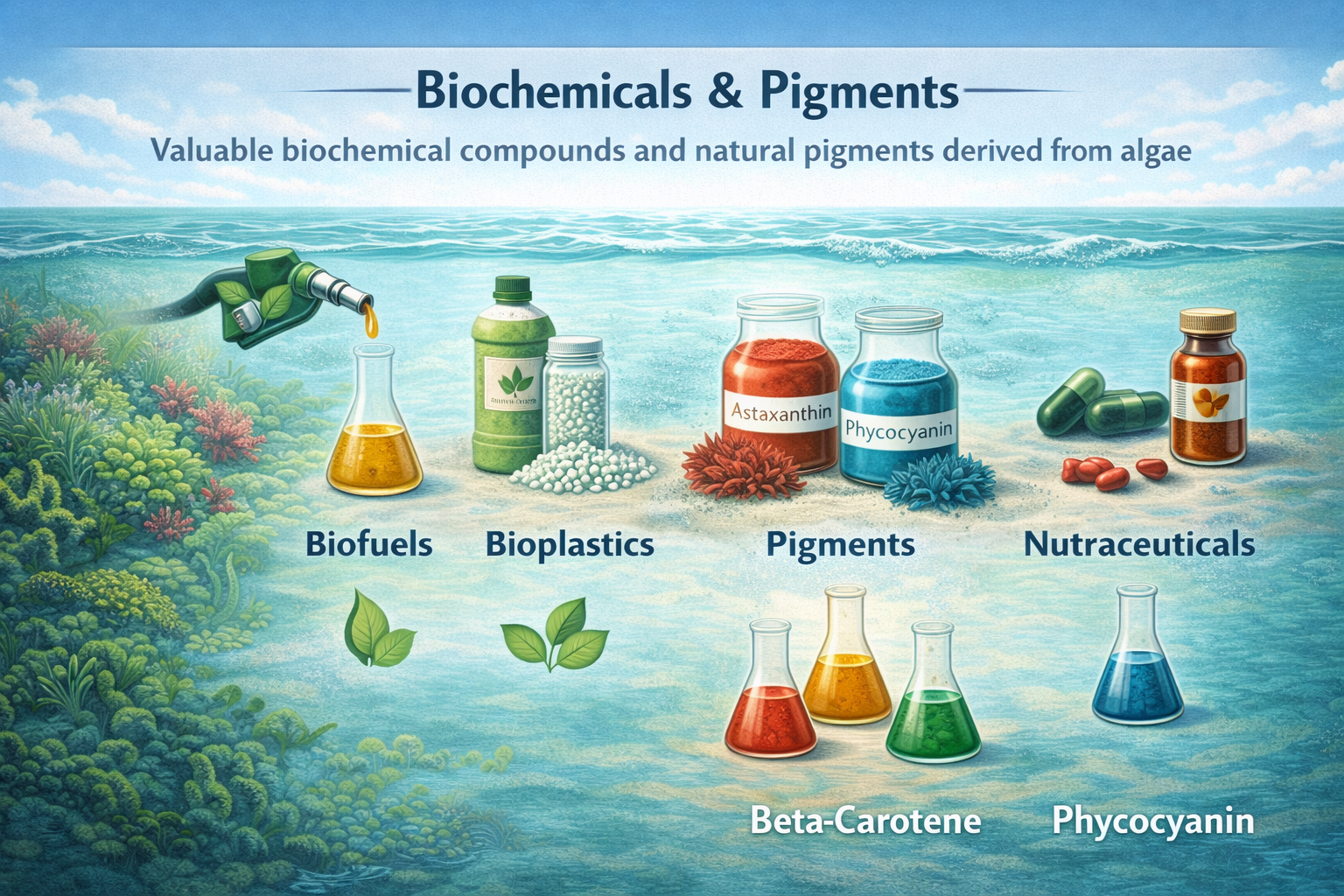
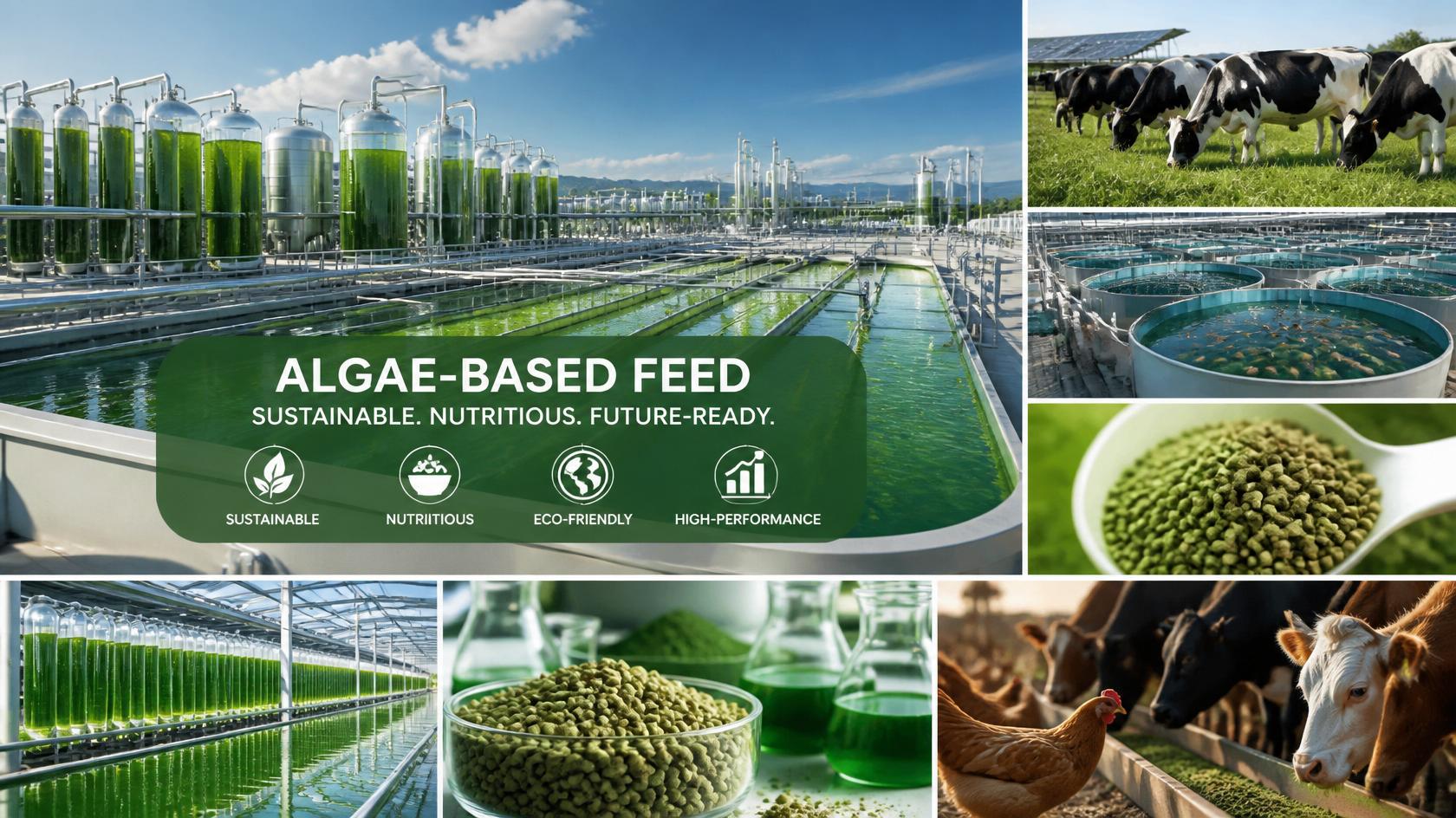
For commercial cattle feed, the most practical algae species are Arthrospira (Spirulina) and Chlorella spp. because they are the best-studied, most scalable single-cell algae for livestock nutrition and are repeatedly identified as promising protein replacements in ruminant diets. They are valued for high protein, essential amino acids, pigments, and bioactive compounds, and reviews report benefits such as improved growth, rumen function, and meat quality when used at appropriate inclusion rates.
For cattle, Asparagopsis taxiformis is also commercially important, but mainly as a specialized methane-reducing feed additive, not as a bulk protein source. Studies show very strong methane suppression even at low inclusion levels, which makes it attractive globally for climate-focused livestock systems. However, commercial deployment is constrained by practical issues such as bromoform content, potential residue concerns, and the need to keep inclusion rates low.
For aquaculture feed, the most suitable and widely used species are Nannochloropsis spp., Chlorella vulgaris, Tetraselmis spp., Isochrysis spp., Skeletonema spp., and Chaetoceros spp. FAO sources note that these are among the marine microalgae commonly used for green-water production and shellfish or aquaculture feeding. They are commercially valuable because they are easy to culture, support larval survival and growth, and provide essential lipids, pigments, and nutrients needed in hatcheries and formulated feeds.
A second major aquaculture species is Schizochytrium. It is commercially important because it is a strong source of DHA-rich oil, making it useful for replacing part of fish oil in shrimp and fish diets. Recent studies show positive effects on shrimp growth, tissue DHA accumulation, and intestinal health, which is why Schizochytrium has become one of the most commercially relevant microalgae for high-value aquafeeds worldwide.
In global commercial terms, the best answer is that Spirulina, Chlorella, Nannochloropsis, and Schizochytrium are the most commercially mature algae species for feed, while Asparagopsis is the most notable cattle-specific specialty species and Isochrysis, Tetraselmis, Chaetoceros, and Skeletonema are especially important in aquaculture hatcheries. FAO and recent reviews consistently show that only a small number of species dominate commercial production because they combine nutritional value, cultivation reliability, and market demand.