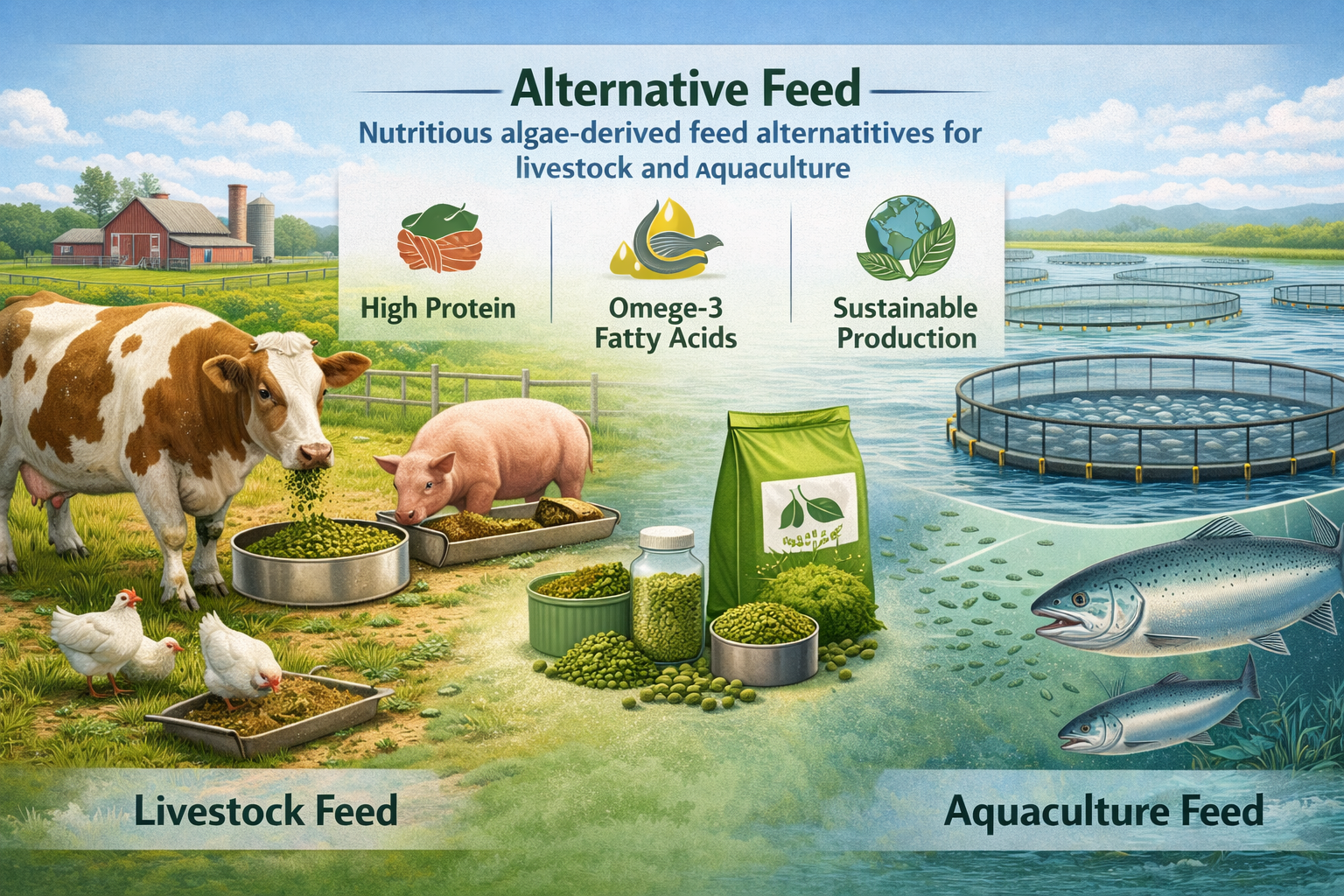
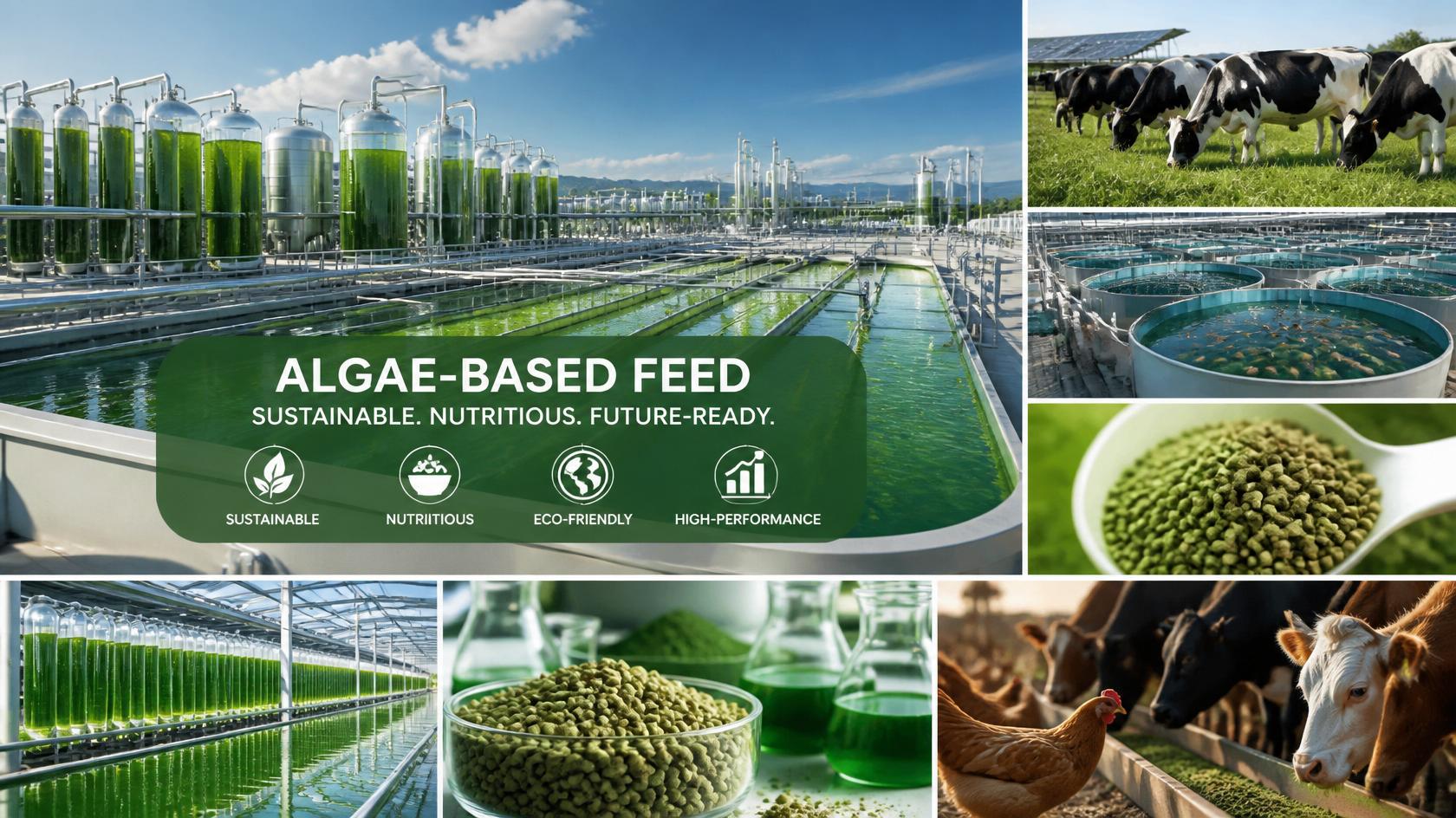
The highest demand for algae-derived ingredients comes from aquafeed, especially high-performance fish and shrimp formulations. FAO says global fisheries and aquaculture production reached 223.2 million tonnes in 2022, and aquaculture produced 130.9 million tonnes, making it the world’s largest and fastest-scaling feed market for algae inputs. FAO also notes that the aquaculture sector was the main consumer of globally produced fishmeal and fish oil in 2021, which is exactly why algae oils and microalgae meals are gaining attention as replacement ingredients in formulated feeds.
Within aquafeed, the strongest demand is in salmonid diets, marine fish feed, and crustacean feed. EU market data show that in 2023, nearly 54% of aquaculture fish-oil consumption went to salmon and trout, 24% to marine fish, and 15% to crustaceans. These are premium species where feed quality directly affects growth, flesh quality, and omega-3 content, so formulators are more willing to pay for algae-derived DHA and EPA. In tilapia and other farmed fish, studies also show that microalgae blends can support fishmeal- and fish-oil-free diets, which further increases demand in commercial aquafeed.
The next major demand center is poultry nutrition, especially layer diets, broiler starter feeds, and functional egg-enrichment formulations. Recent reviews show that microalgae can improve poultry performance variables such as mortality, live weight, and feed conversion rate, while also enhancing egg quality and yolk pigmentation. Because poultry is a massive global protein sector and consumers increasingly want omega-3-enriched eggs and cleaner-label feed inputs, algae-derived ingredients are most attractive in premium poultry formulations rather than low-cost bulk rations.
Algae-derived ingredients also create strong demand in pet food, particularly premium dry and wet formulations marketed around omega-3s, skin health, immunity, and hypoallergenic nutrition. Microalgae are valued in pet diets because they naturally contain omega-3 fatty acids, essential amino acids, antioxidants, and vitamins. This makes them useful in formulations for dogs and cats where pet owners are willing to pay for functional nutrition and sustainability claims. Demand is also growing in dairy and ruminant supplements, where algae can support milk omega-3 enrichment and methane-reduction goals.
Overall, the feed formulations that create the highest global demand for algae-derived ingredients are aquafeeds first, then premium poultry diets, followed by pet food and specialty ruminant formulations. The common pattern is clear: algae demand is strongest where nutrition, sustainability, and product differentiation matter most. In other words, algae-derived ingredients sell best in high-value, performance-driven formulations that need protein, omega-3s, pigments, or methane-mitigation benefits.