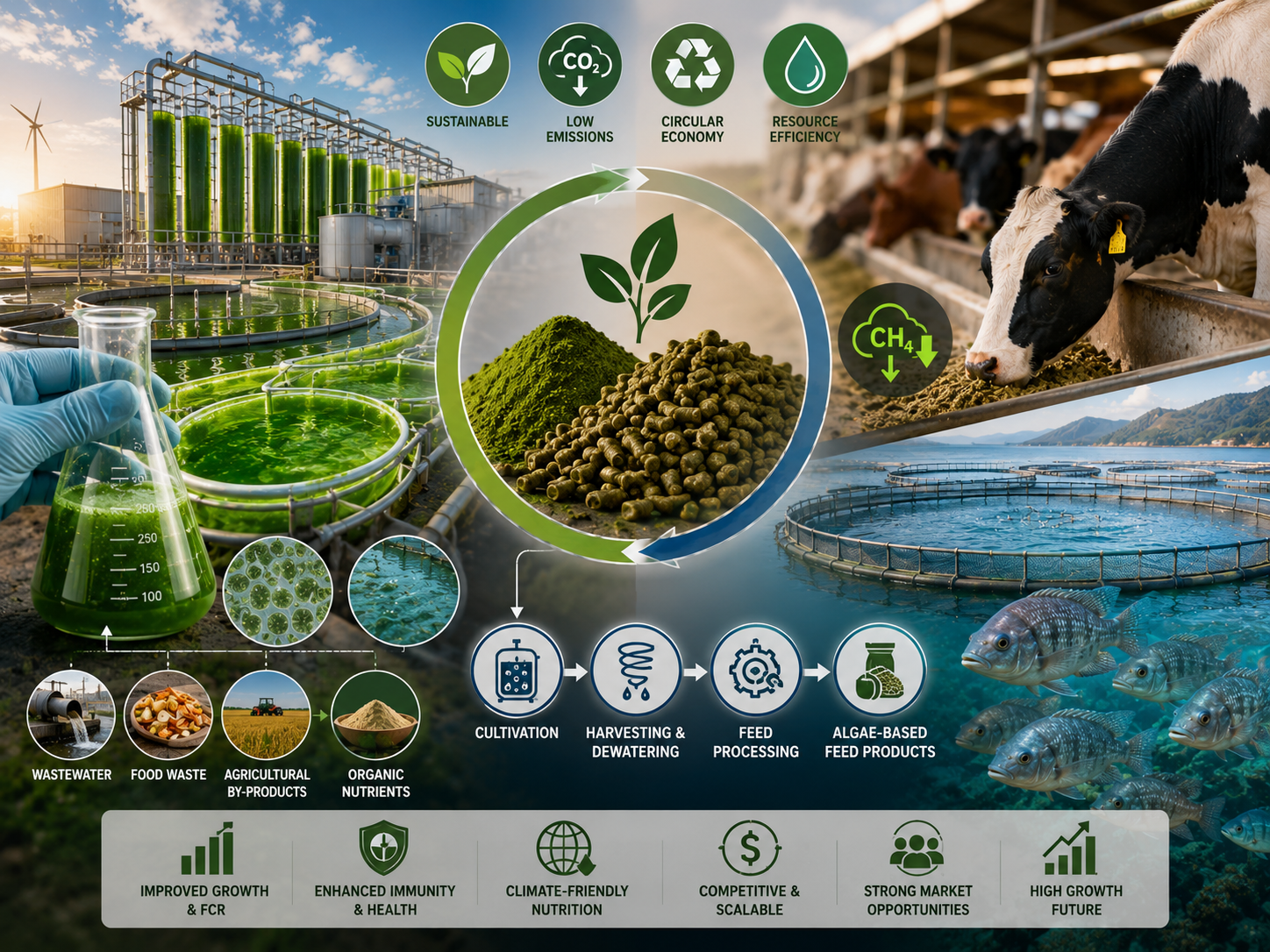
The biggest business opportunity in algae-based cattle feed and aquaculture feed is that it sits at the intersection of food demand and climate pressure. FAO says global aquaculture output reached 223.2 million tonnes in 2022, including 37.8 million tonnes of algae, while UNCTAD estimates the global seaweed market at about US$17 billion. That makes algae a real industrial feedstock, not a niche ingredient, with room for expansion in both livestock and seafood supply chains.
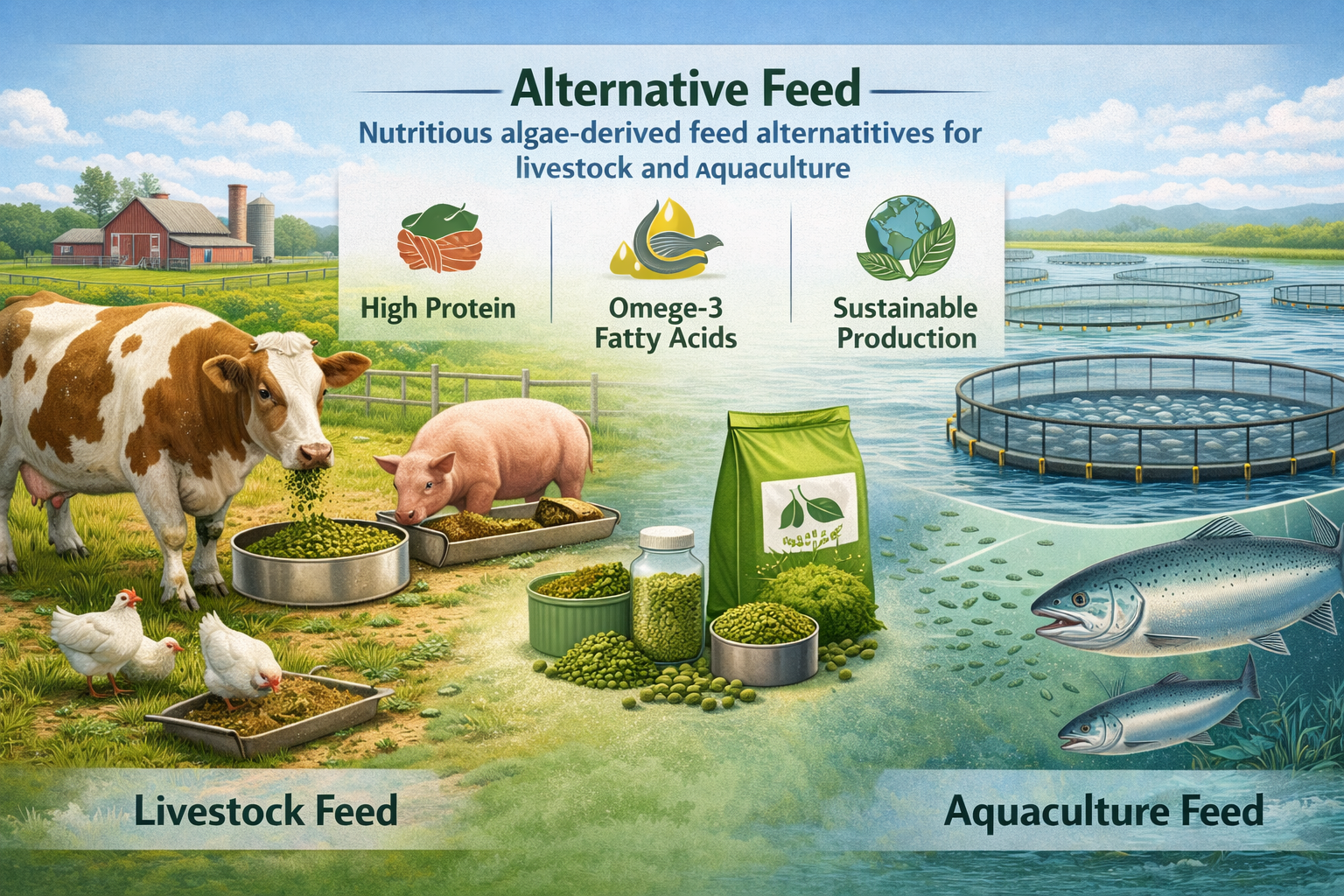
In cattle feed, the strongest commercial opportunity is methane-reducing feed additives. Livestock supply chains account for 7.1 Gt CO2e, or 14.5% of global anthropogenic greenhouse gas emissions, and FAO says methane cuts of 40–45% by 2030 are needed to stay aligned with 1.5°C pathways. Seaweed-based additives can therefore be sold not just as nutrition products, but as climate solutions that help dairies and beef producers meet emissions targets, earn carbon value, and launch premium “low-methane” brands. A Reuters-reported dairy trial in Australia showed a 25% methane reduction and a retail premium for climate-friendly milk, which signals willingness to pay.
In aquaculture feed, the biggest opportunity is replacing pressure on fishmeal and fish oil. FAO notes that aquaculture was the main consumer of globally produced fishmeal and fish oil in 2021, and seaweed/microalgae can supply protein, omega-3s, pigments, and functional compounds needed for salmon, trout, marine fish, and crustaceans. That creates a large B2B market for algae oils, protein concentrates, and functional feed ingredients that improve growth, feed conversion, and product quality while reducing dependence on wild-caught marine inputs.
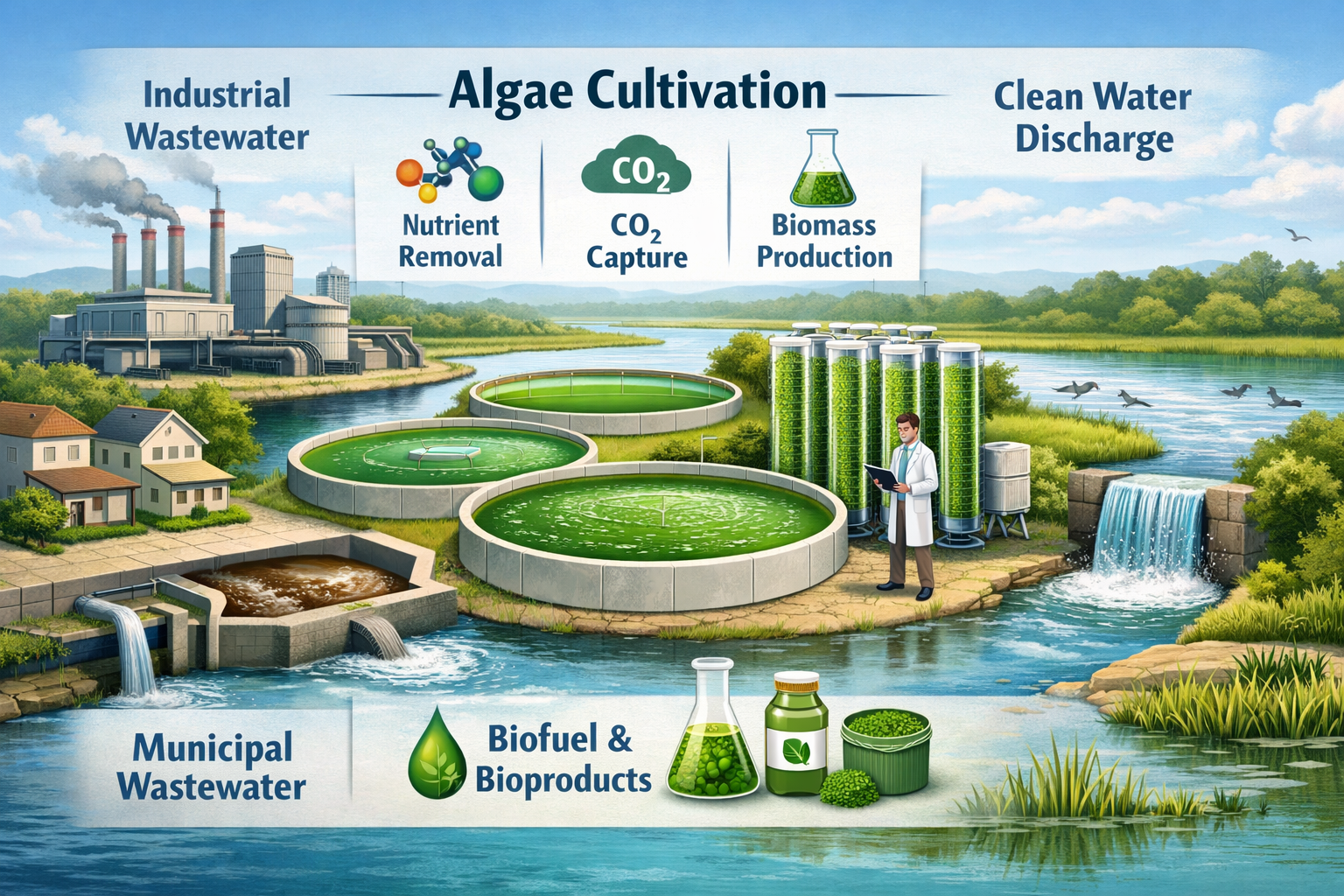
A second major opportunity is regional production and processing infrastructure. Seaweed and microalgae can be grown in coastal, offshore, or land-based systems, and FAO explicitly highlights algae as a sustainable feed ingredient for aquaculture. Businesses can profit from building cultivation farms, drying and extraction plants, fermentation systems, and contract manufacturing for feed mills. This is especially attractive in Asia-Pacific, Europe, and Latin America, where aquaculture is large, feed imports are costly, and sustainability rules are tightening.
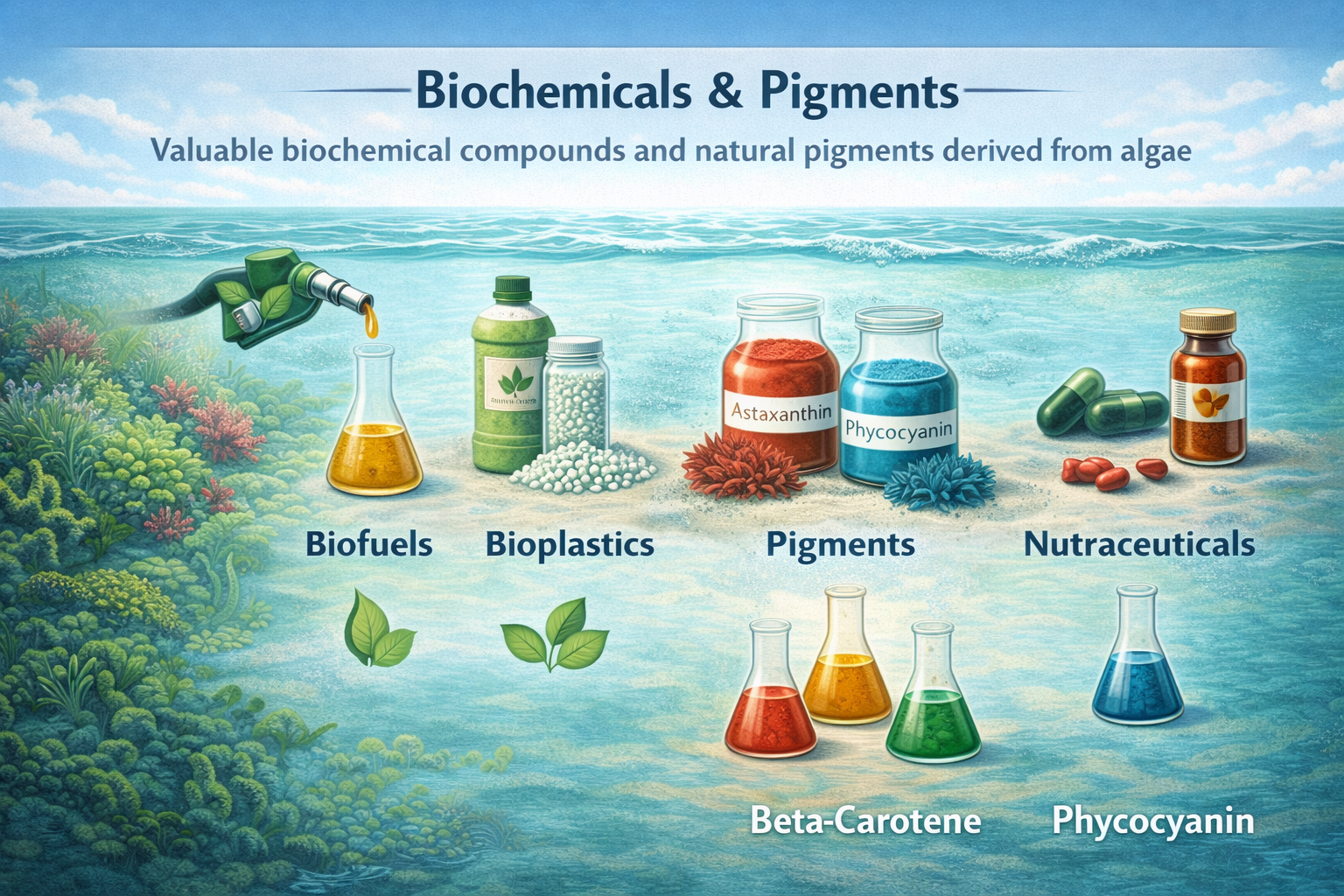
The best business models will be ingredient sales, branded additives, licensing, and co-product biorefineries. Algae producers can sell premium feed concentrates to integrators, partner with dairy and aquafeed companies, and monetize multiple outputs from one biomass stream. The most scalable companies will be those that combine low-cost cultivation, quality standardization, and clear proof of performance in methane reduction, fish growth, or feed efficiency. In global terms, algae feed is becoming a platform business for climate-smart livestock, sustainable seafood, and circular bioeconomy growth.