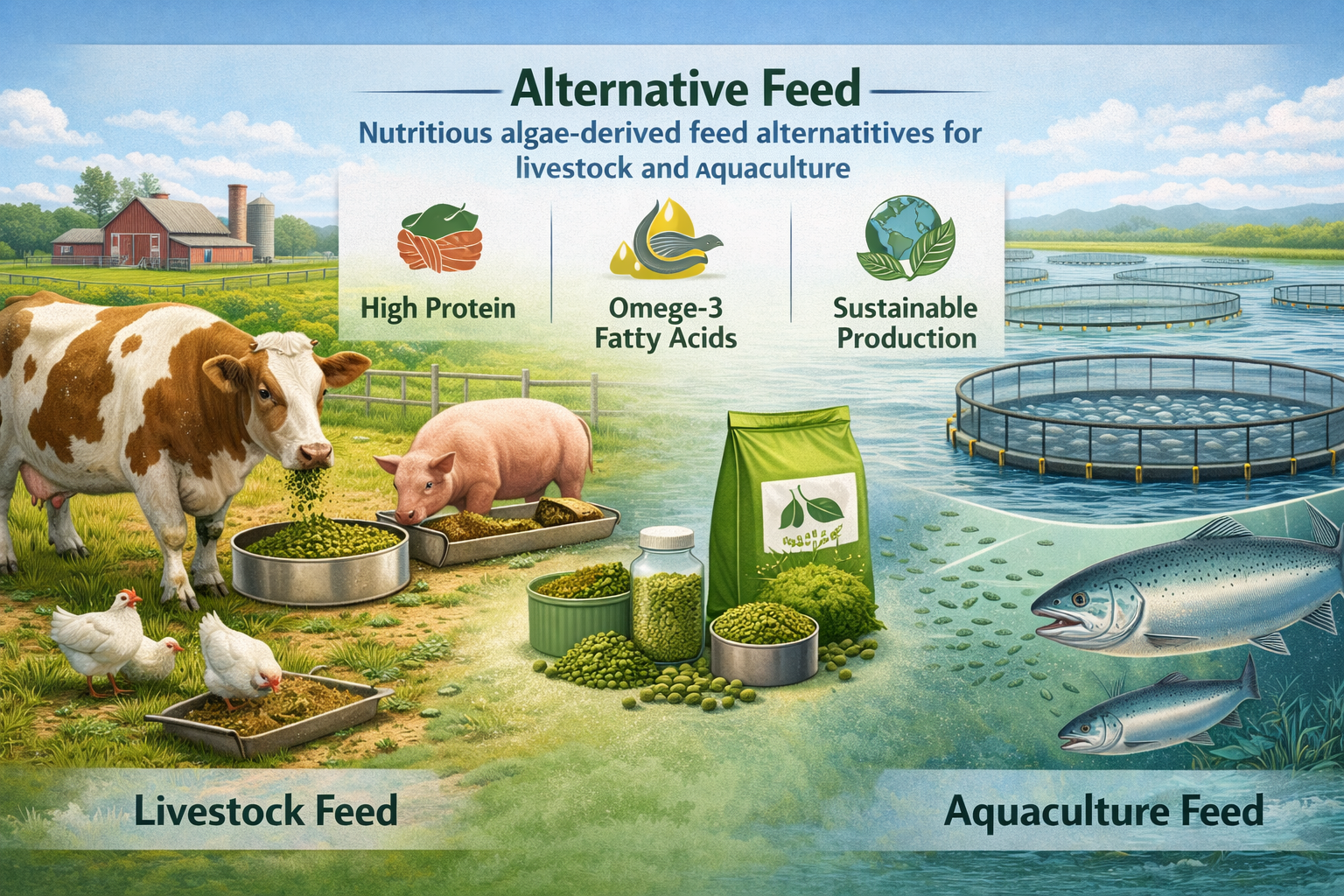
Yes — a small-scale algae feed unit can scale into a large commercial livestock and aquaculture business, but only if it is designed from the start around consistent biomass quality, low-cost harvesting, and reliable offtake contracts. The global opportunity is real: FAO reports that world aquaculture production reached 223.2 million tonnes in 2022, including 36.5 million tonnes of algae, and it explicitly identifies algae as one of the alternative sustainable feed ingredients being promoted for aquaculture. That means the market exists, but the winning model is not just “grow algae”; it is “grow standardized feed ingredients that buyers trust.”
The first scaling step is usually to move from a pilot unit to a specialty feed business, not a full commodity producer. Microalgae and seaweeds are attractive because they contain protein, lipids, minerals, vitamins, and bioactive compounds, and studies show they can improve growth and meat quality in ruminants, pigs, poultry, and aquaculture species. For livestock, however, feed is expensive: one major review notes that feed procurement can account for about 70% of production costs, so algae must justify itself through performance, sustainability, or premium pricing.
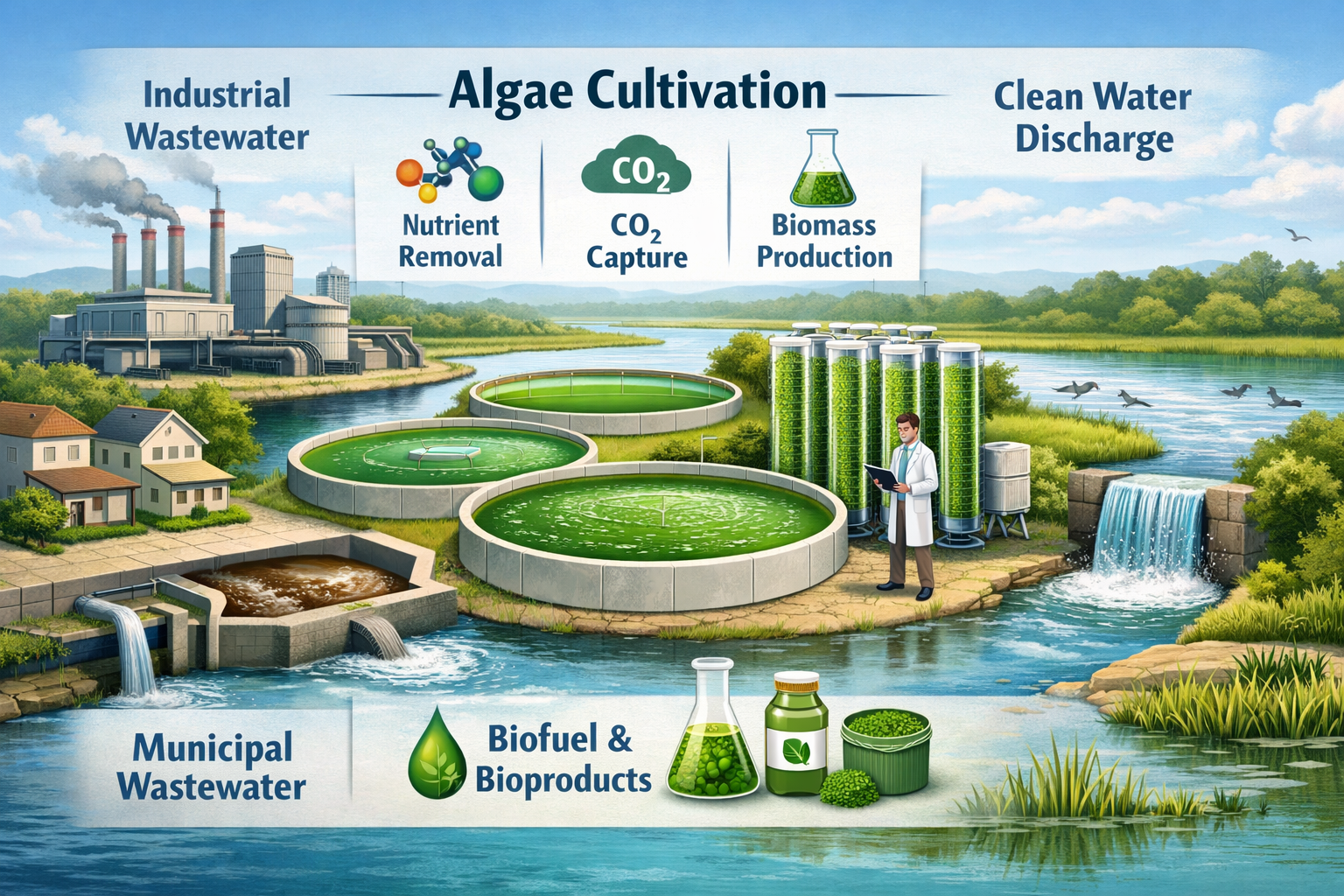
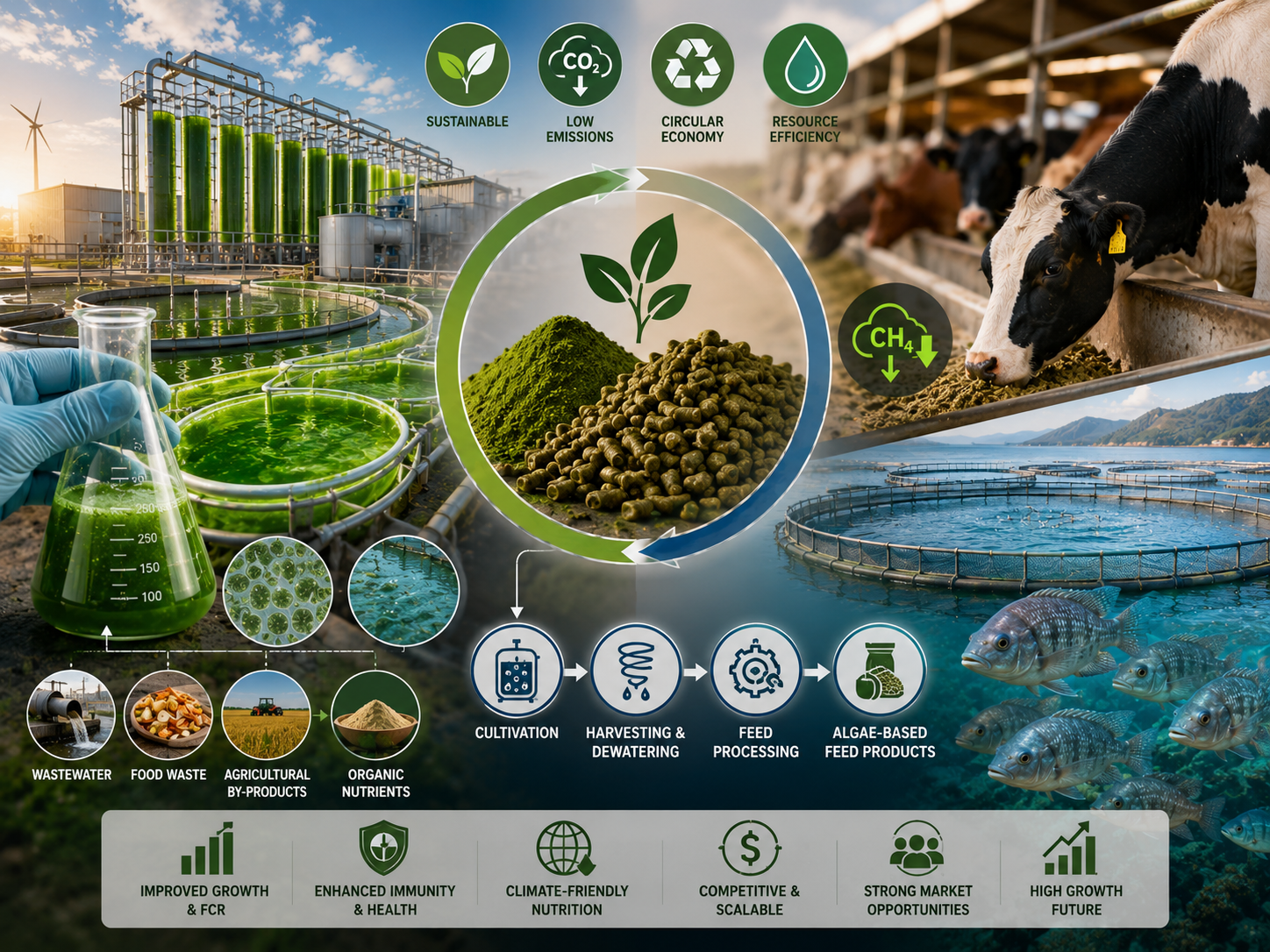
The main technical barrier is scale economics. Large-scale microalgae cultivation still faces challenges in mass cultivation, biomass recovery, dewatering, and drying, which are repeatedly identified as the bottlenecks to industrial uptake. This is why the best-scale units usually combine strain selection, open ponds or photobioreactors, automated monitoring, and sometimes wastewater-based nutrient supply to reduce input costs. In other words, the business can scale, but only if the operation is engineered for throughput and not just for lab-quality biomass.
Commercial evidence suggests the model is technically viable. A techno-economic study on commercial-scale tilapia found that a diet containing 7.5% microalgae gave the optimum result over 44 weeks, showing that algae can move beyond trials into real production systems. Similar reviews also show that algae-based feeds can improve animal growth and aquaculture performance, which is important because commercial buyers rarely adopt ingredients unless they can see productivity gains or lower risk.
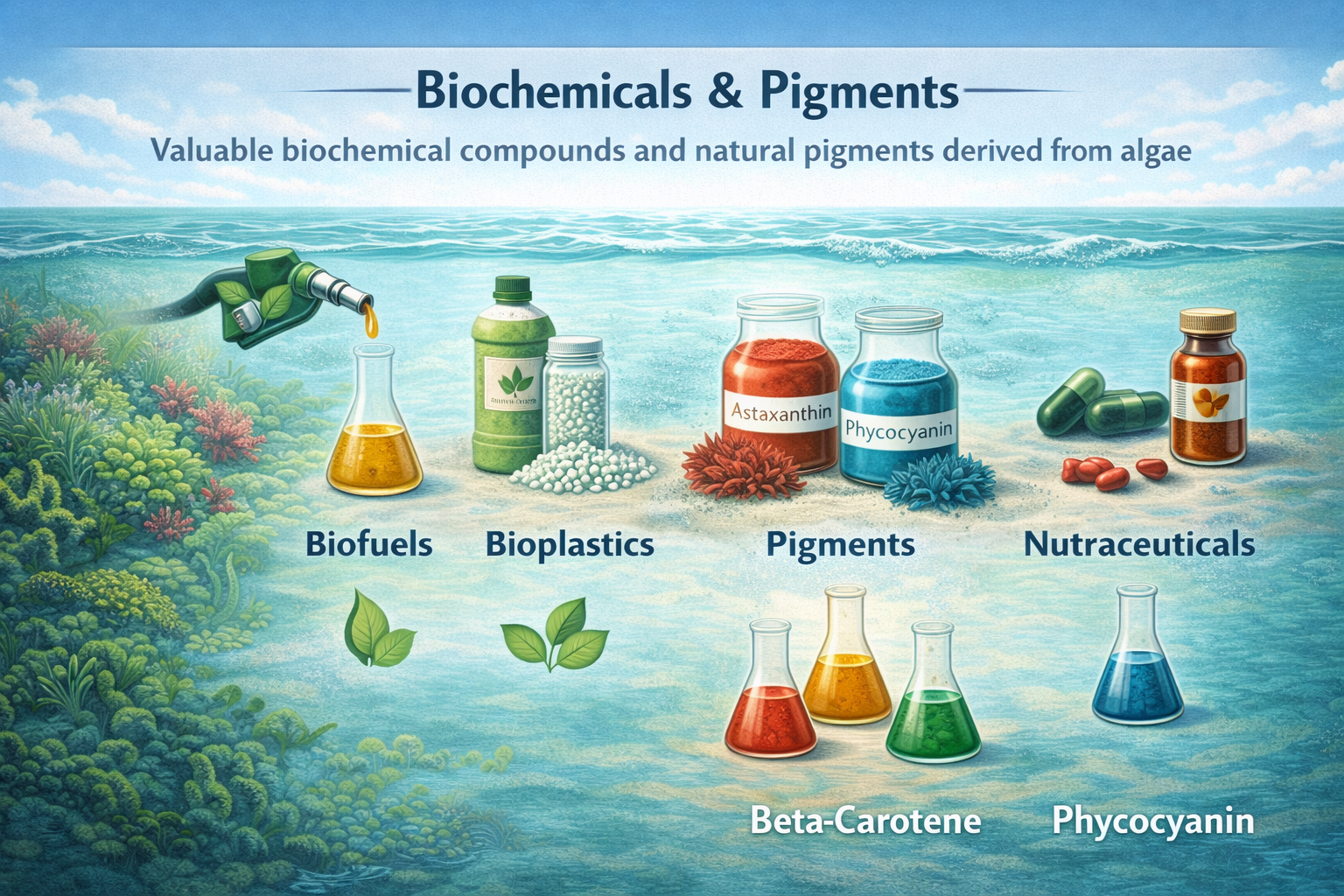
The strongest scaling path is therefore phased expansion: start with aquaculture and high-value livestock segments, lock in buyers, standardize the ingredient, and then expand capacity with coproducts such as pigments, oils, or functional additives. This approach matters because global standards are also moving in that direction: FAO/Codex noted in 2026 that there is growing international interest in algae as food and feed sources. So, the answer is yes, but success depends on building a business-to-business feed platform with quality control, logistics, and cost discipline rather than a small standalone production unit.