Algae cultivation is scalable for the global feed industry, but mainly as a strategic ingredient rather than a full replacement for soy, maize, fishmeal, or fish oil. The strongest demand pull comes from aquaculture, because FAO reports that aquaculture produced 130.9 million tonnes of aquatic animals in 2022, and overall fisheries and aquaculture output reached 223.2 million tonnes. FAO also notes that over 87% of fishmeal was used in aquaculture in 2021, which shows why algae is attracting attention as a more sustainable feed input.
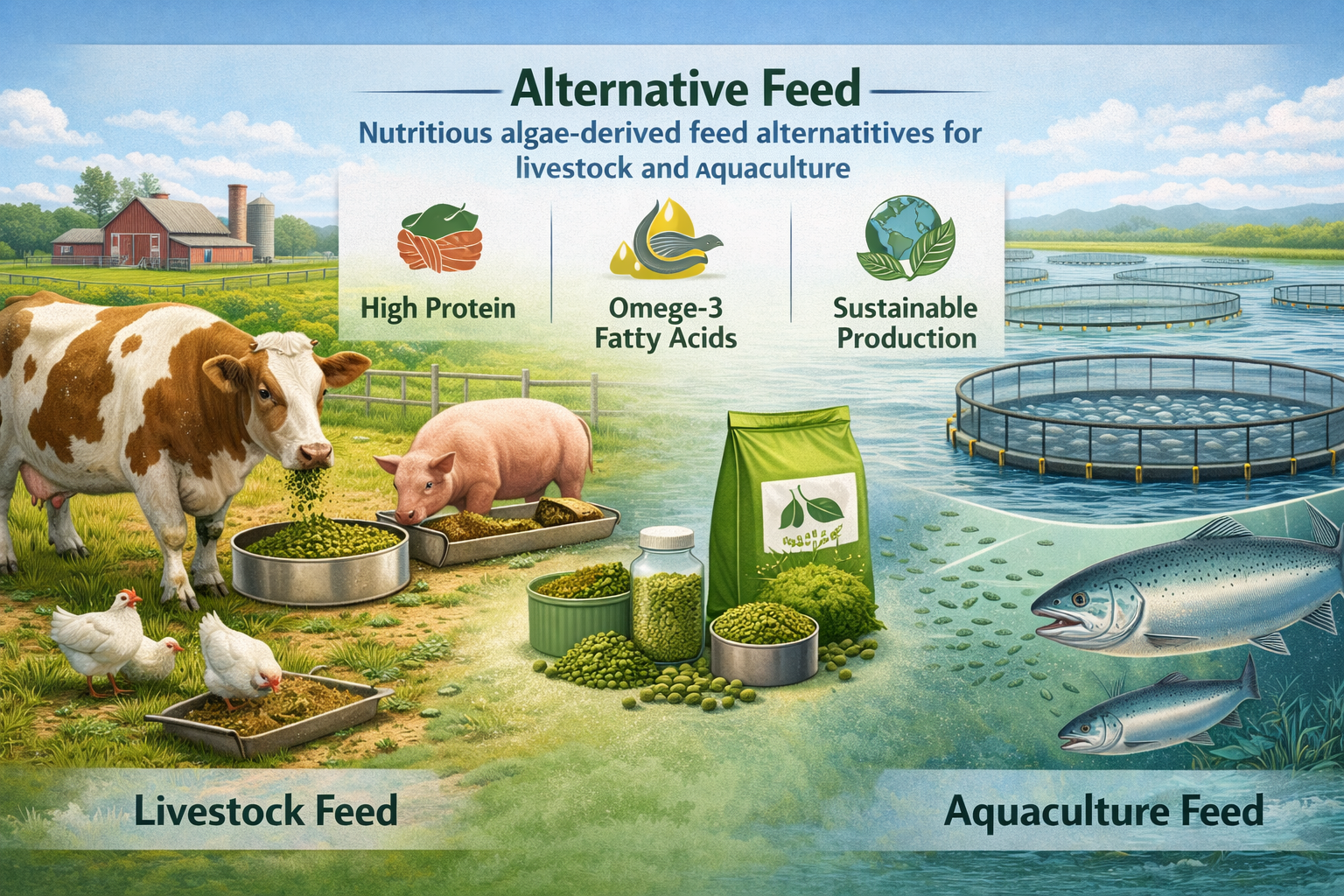
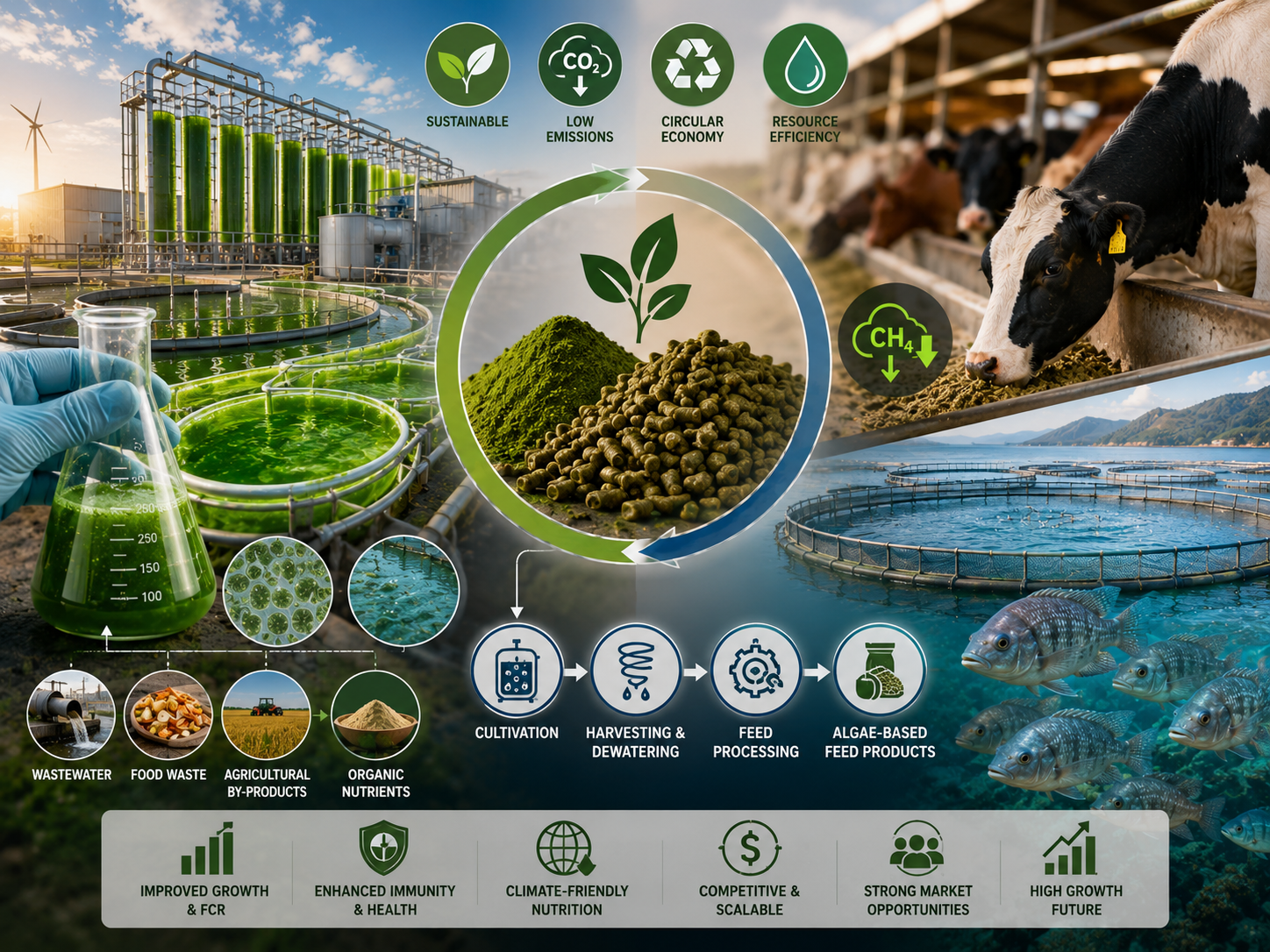
The most scalable market entry point is aquafeed, especially for salmon, shrimp, and other high-value species that need protein- and omega-3-rich ingredients. FAO projects aquaculture growth to continue, and OECD-FAO says global demand for aquatic products is expected to rise 11% over the coming decade. That matters because algae can replace part of fishmeal and fish oil without depending on wild fish stocks, making it a global fit for an industry that is expanding but under pressure to decarbonize and improve resource efficiency.
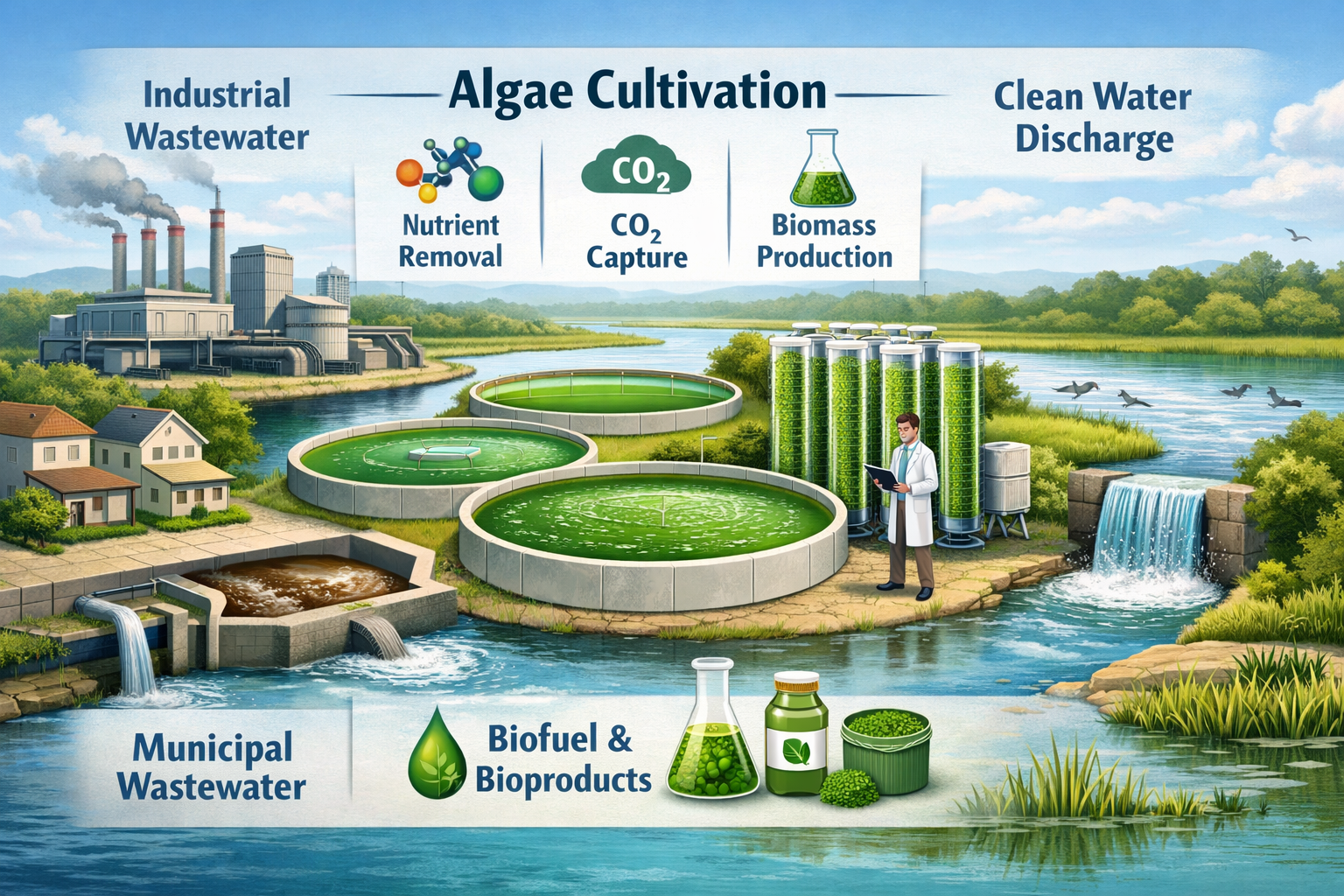
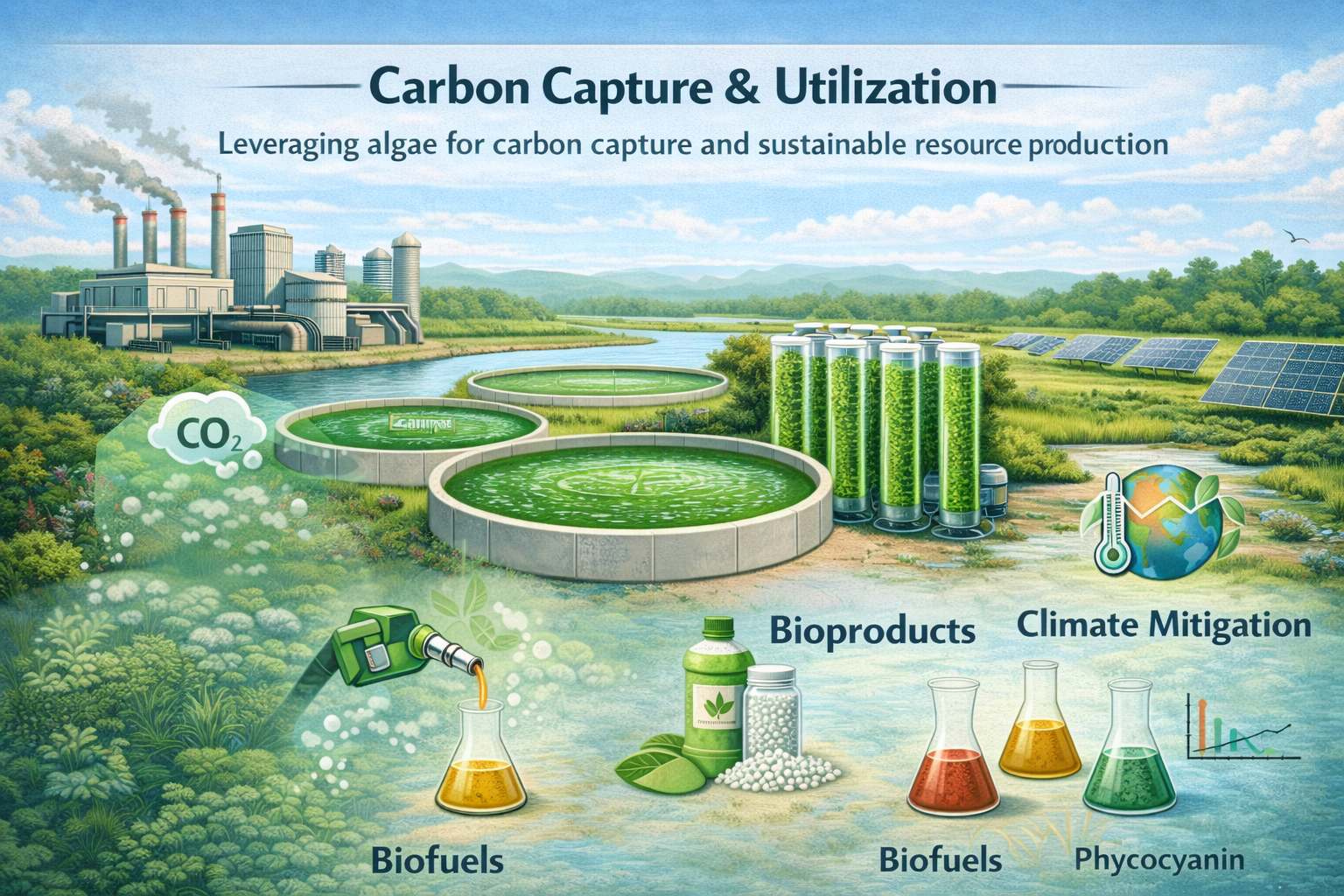
The technology stack for scaling algae feed is improving quickly. Large-scale production can use open raceway ponds for lower-cost biomass and photobioreactors for tighter control, higher purity, and contamination management. New systems also combine algae with wastewater treatment and CO2 utilization, which can lower nutrient costs and improve circularity. Recent reviews emphasize that monitoring, sensor systems, and better reactor design are making industrial-scale algae cultivation more practical than before.
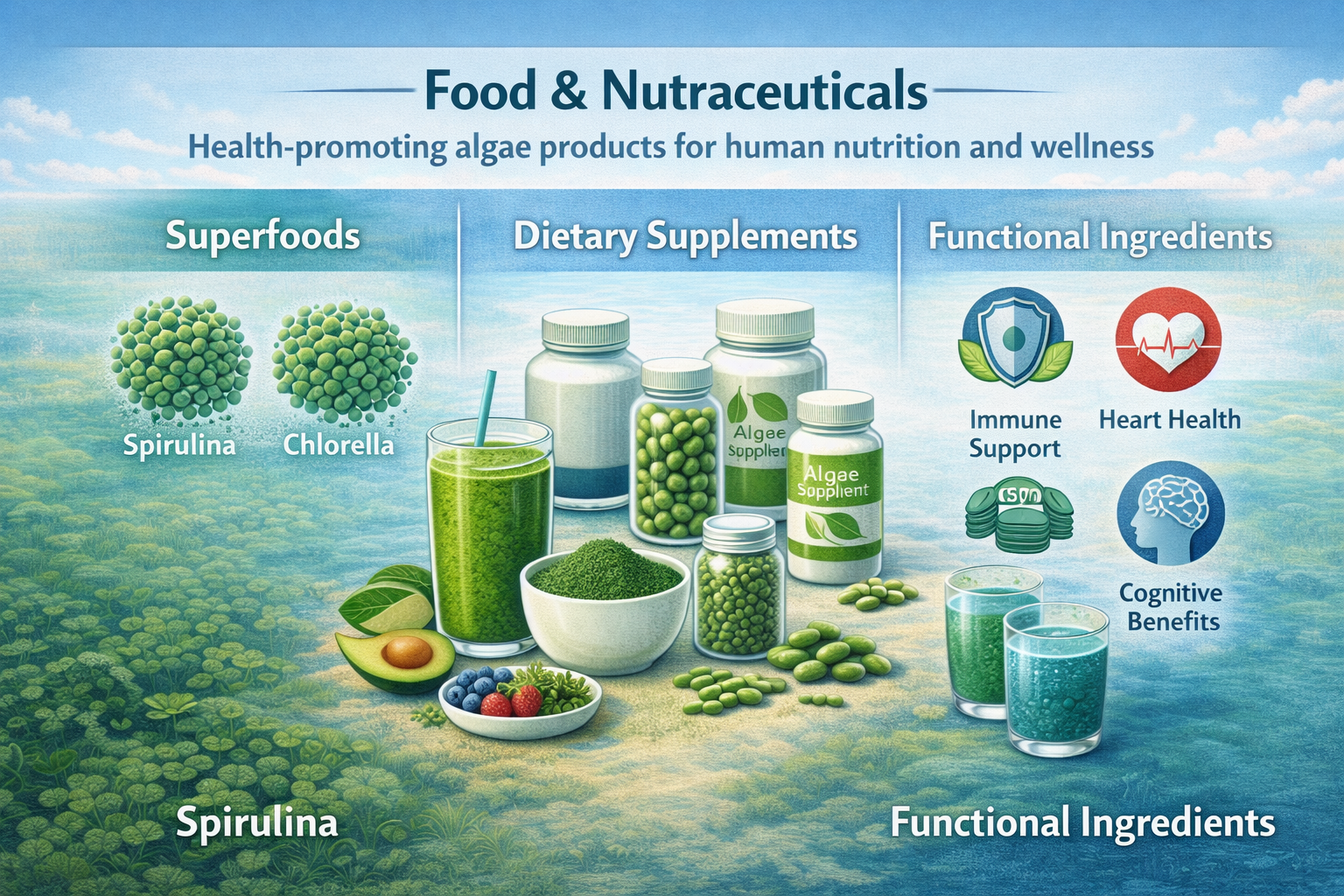
The main barrier is economics, not biology. Reviews consistently point to high production costs, low biomass concentration, energy-intensive harvesting, and expensive drying and downstream processing as the key reasons algae is still limited at bulk-feed scale. Another challenge is that microalgae are still used mostly in food supplements and high-value products, while many bulk-feed applications remain less competitive than conventional crop-based ingredients. In other words, algae can scale technically, but it must keep getting cheaper to compete at commodity-feed volumes.
Overall, algae cultivation is scalable in phases: first in premium aquafeed, then in specialty poultry and livestock additives, and later in broader feed markets if costs fall further. The global algae sector already has real production volume — FAO reports 37.8 million tonnes of algae in 2022 — but most of that is still seaweed and not all of it is suitable as feed-grade input. So the global outlook is strong, yet the realistic near-term model is partial inclusion, co-products, and regional industrial hubs, not immediate replacement of the entire feed complex.