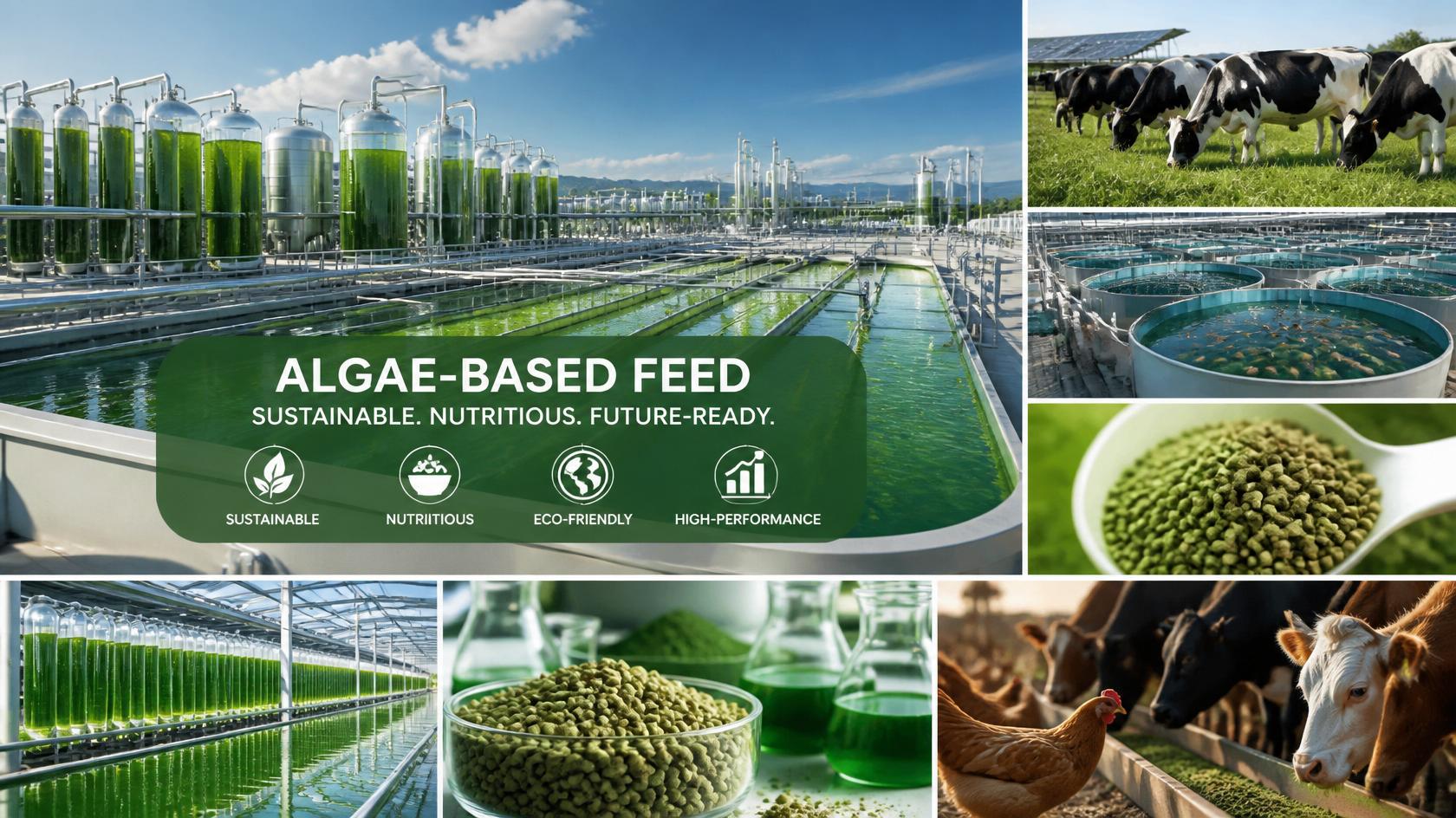
Operational and maintenance costs for an algae feed production unit are driven first by the cultivation system itself. In large-scale open systems, recent techno-economic work places production-related operating costs at about €0.5–2 per kg of algae biomass, with energy use around 0.2–5 kWh per kg, while more refined feed-grade production can be substantially higher depending on species, purity, and downstream processing. For aquaculture hatchery-style live algae production, one model estimated €300–600 per kg biomass, showing how quickly costs rise when the product must be kept live, clean, and consistent.
The biggest cost pressure usually comes from harvesting and dewatering, not from growing the algae. Reviews consistently identify these steps as the most energy-intensive and equipment-heavy parts of the chain, because algal cultures are very dilute and must be concentrated before feed use. Centrifugation remains the most reliable method, but it has high electricity demand and high installation and operating costs at scale; flocculation can cut energy use, but chemical inputs and product losses can erase part of the savings. In bio-based systems, dewatering alone can account for 20–30% of total production cost.
Drying and stabilization add another major maintenance burden. If the feed product is sold as dried biomass, operators must pay for thermal drying, moisture control, packaging, and storage. Recent reviews of dewatering and drying emphasize that these steps remain a central barrier to commercial scale because they require continuous maintenance of pumps, screens, centrifuges, heat systems, and instrumentation. This is why many commercial developers try to avoid full drying when possible and instead sell paste, slurry, or partially processed ingredients for local feed markets.
Labor, utilities, and routine maintenance are also material line items. In a 10-hectare techno-economic assessment of microalgae production for aquaculture, labor represented 28–36% of operating expenditure, while the production stage drove 76–84% of equipment cost. That means a real-world algae feed unit must budget for trained operators, cleaning, biosecurity, instrumentation calibration, pumps, mixing systems, and periodic replacement of consumables such as membranes, flocculants, filters, and culture media inputs.
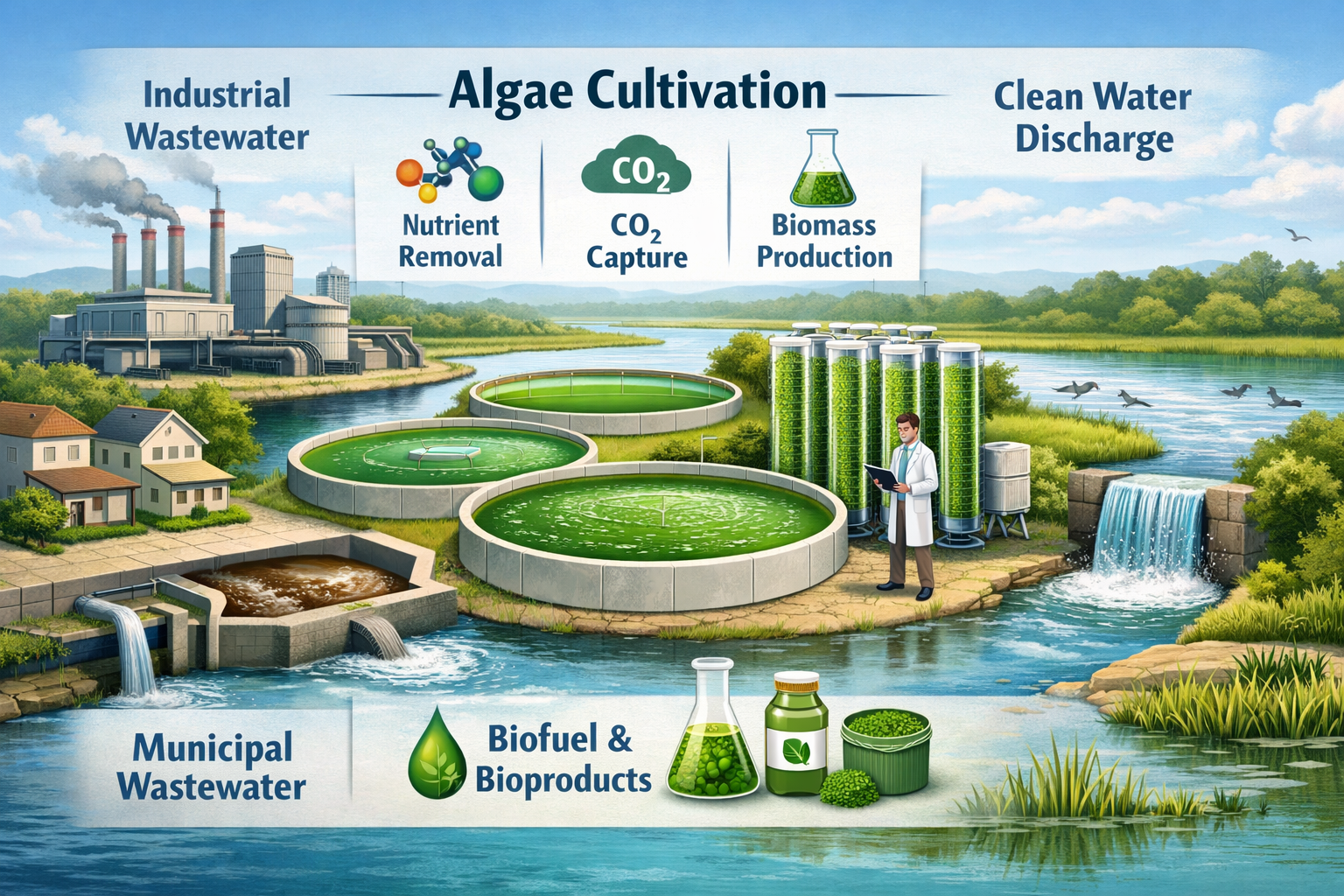
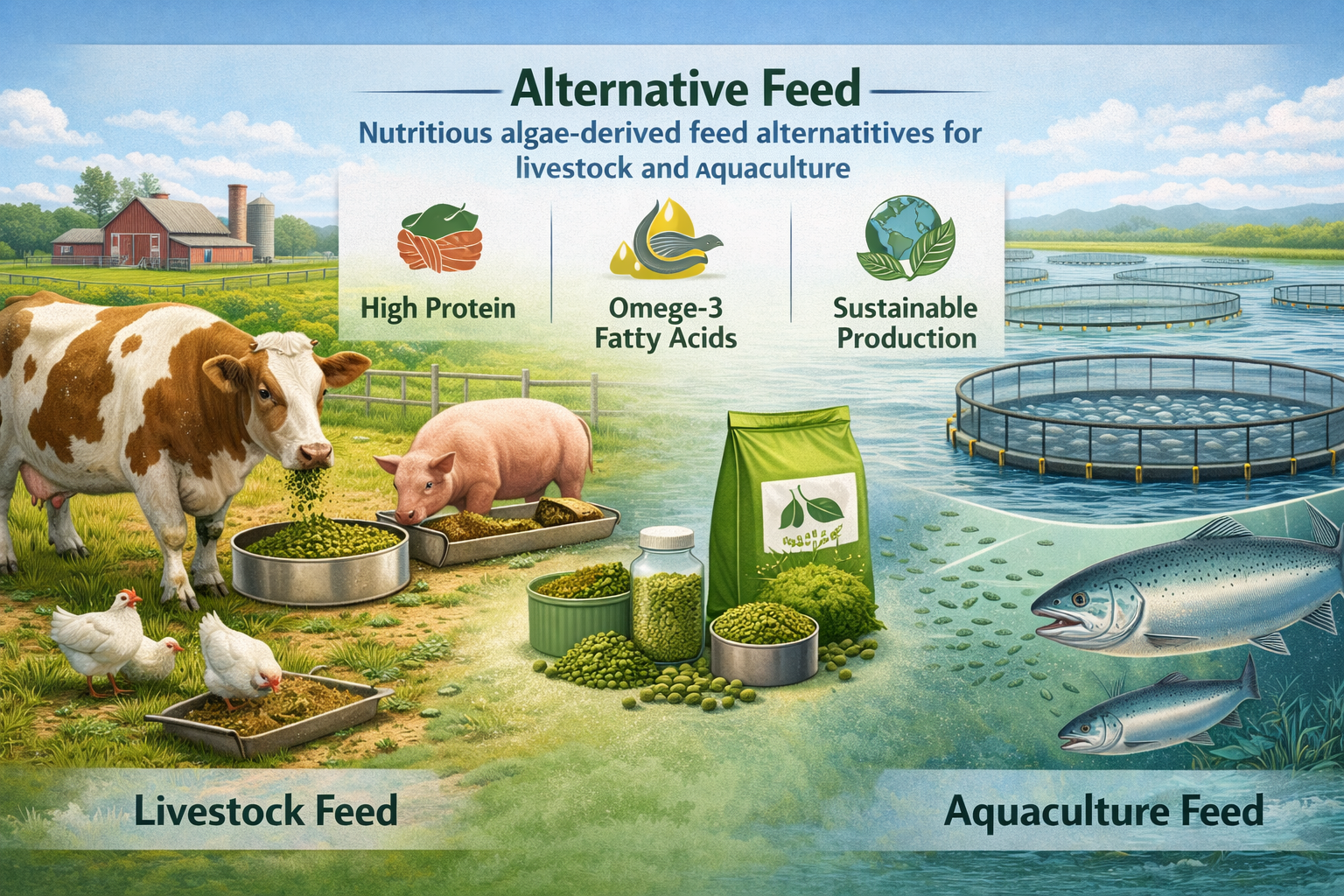
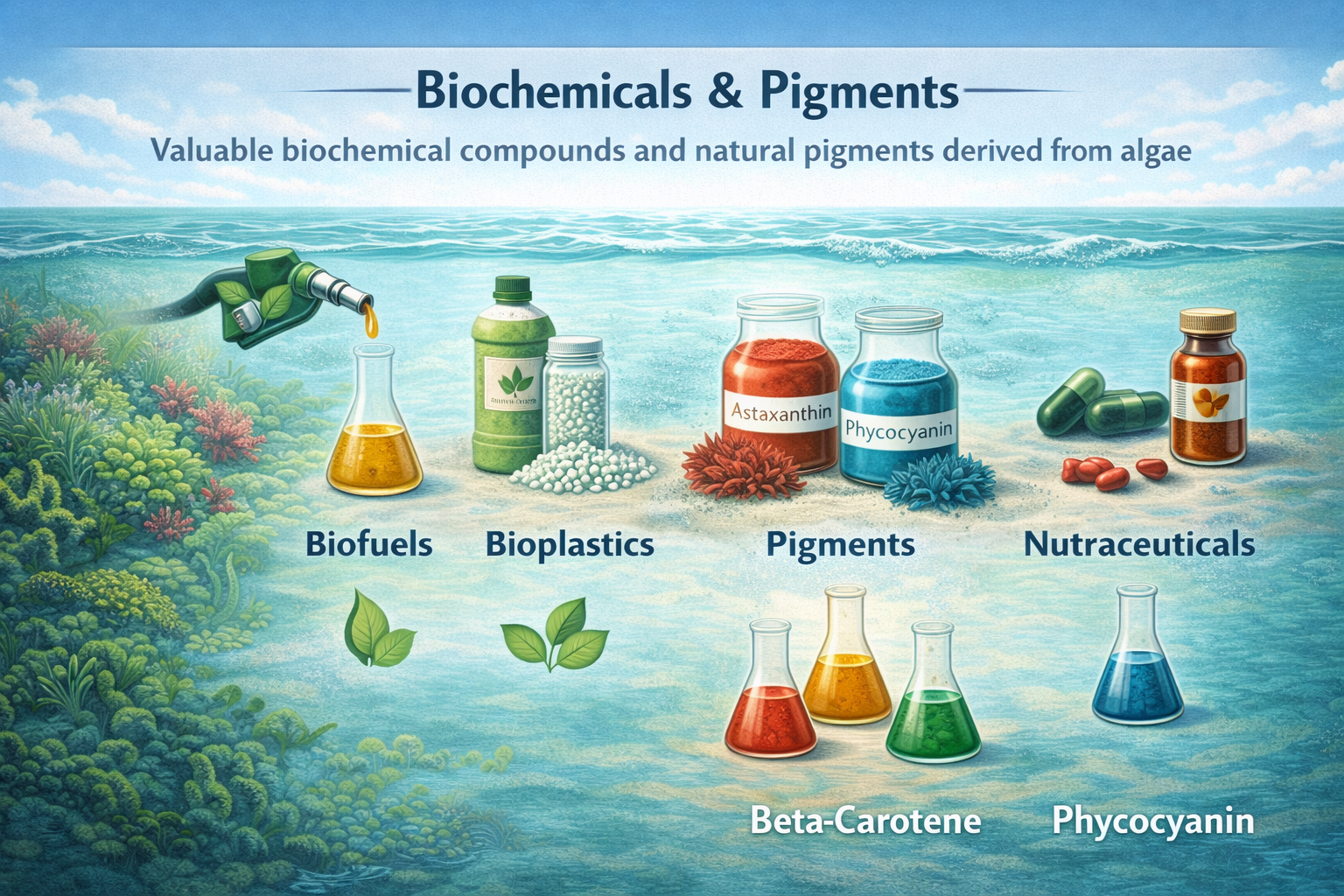
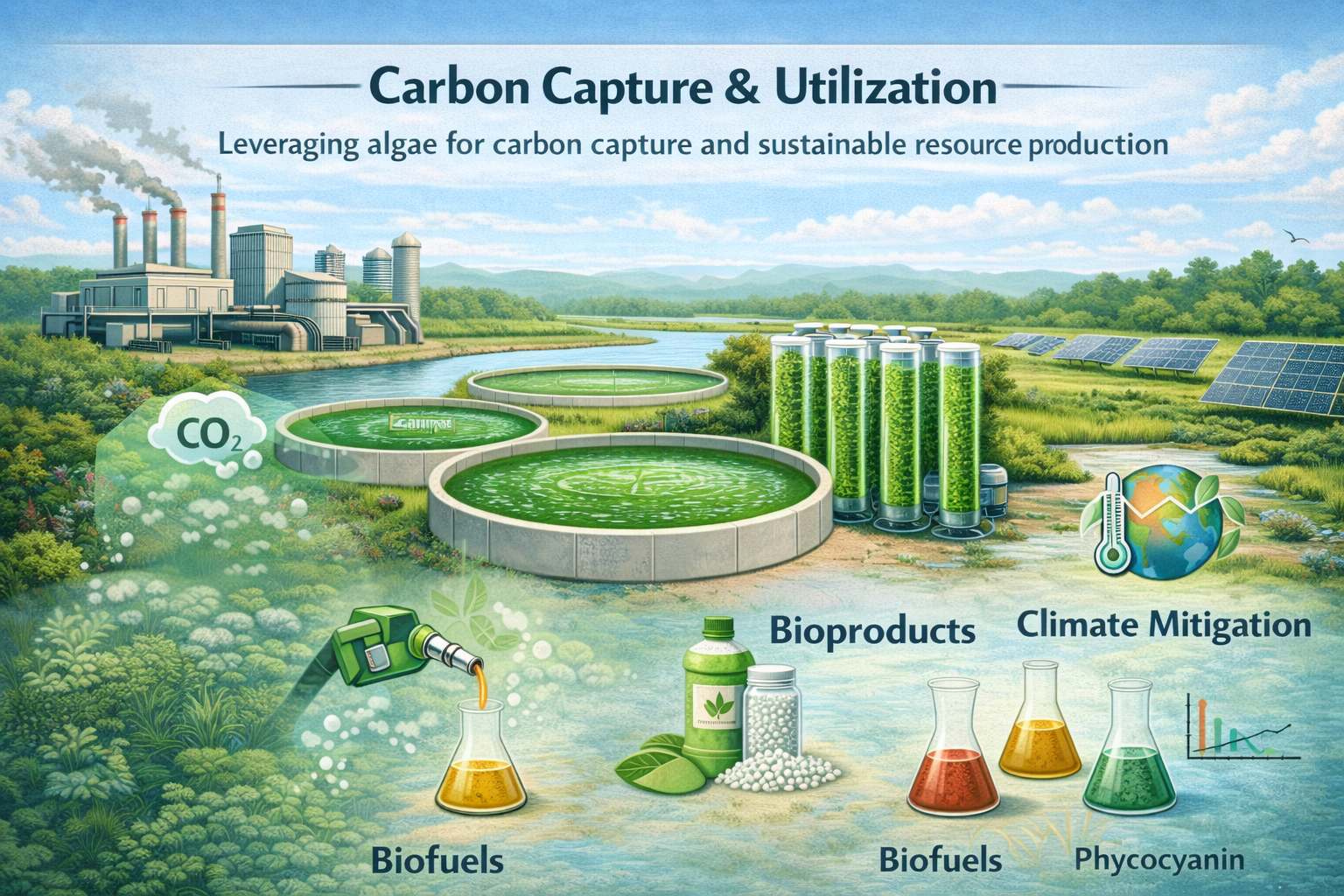
Globally, the cost picture improves when algae feed units are integrated into waste streams, CO₂ capture, or multi-product biorefineries. Microalgae already has strong commercial potential because it can be produced with a low arable-land footprint and can deliver valuable protein and omega-rich ingredients for aquaculture and livestock feed. The most cost-competitive plants tend to be those that recover value from more than one output, such as feed biomass plus wastewater treatment, fertilizers, or bioenergy, because that spreads the fixed O&M burden across several revenue streams.
Checkout the questions from Cattlefeed and fishfeed
- What are the most effective distribution channels for algae-based cattle feed and aquaculture feed products?
- What future market trends could drive growth in the algae-based cattle feed and aquaculture feed industry?
- Which countries are investing heavily in algae-based animal nutrition and aquaculture feed technologies?
- Which feed formulations create the highest demand for algae-derived ingredients?
- Which livestock and aquaculture sectors are the strongest target markets for algae-based feed products?
- What are the major business opportunities in the algae-based cattle feed and aquaculture feed industry?
- What are the biggest challenges in commercializing algae-based feed products?
- Can a small-scale algae feed production unit scale into a large commercial livestock and aquaculture supply business?
- How scalable is algae cultivation for supporting the global feed industry?
- How much land, water, machinery, and infrastructure are required to build a profitable algae feed production facility?
- What technologies can improve the efficiency of algae cultivation, harvesting, and feed processing?
- Can algae biomass from wastewater treatment be safely reused for feed production?
- Which raw materials, nutrients, or waste streams can support low-cost algae feed production?
- What role can algae play in sustainable and climate-friendly animal nutrition?
- Can algae-based feed improve fish growth, immunity, and feed conversion ratio (FCR)?
- Can algae-based feed reduce methane emissions in cattle farming?
- Can algae-based feed products commercially compete with conventional feed ingredients in terms of cost, scalability, and performance?
- How does algae-based feed compare with conventional feed ingredients in terms of nutrition and sustainability?
- Which algae species are most suitable for commercial cattle feed and aquaculture feed production?
- Algae-Based Cattle Feed & Fish Feed: Transforming Livestock and Aquaculture Nutrition