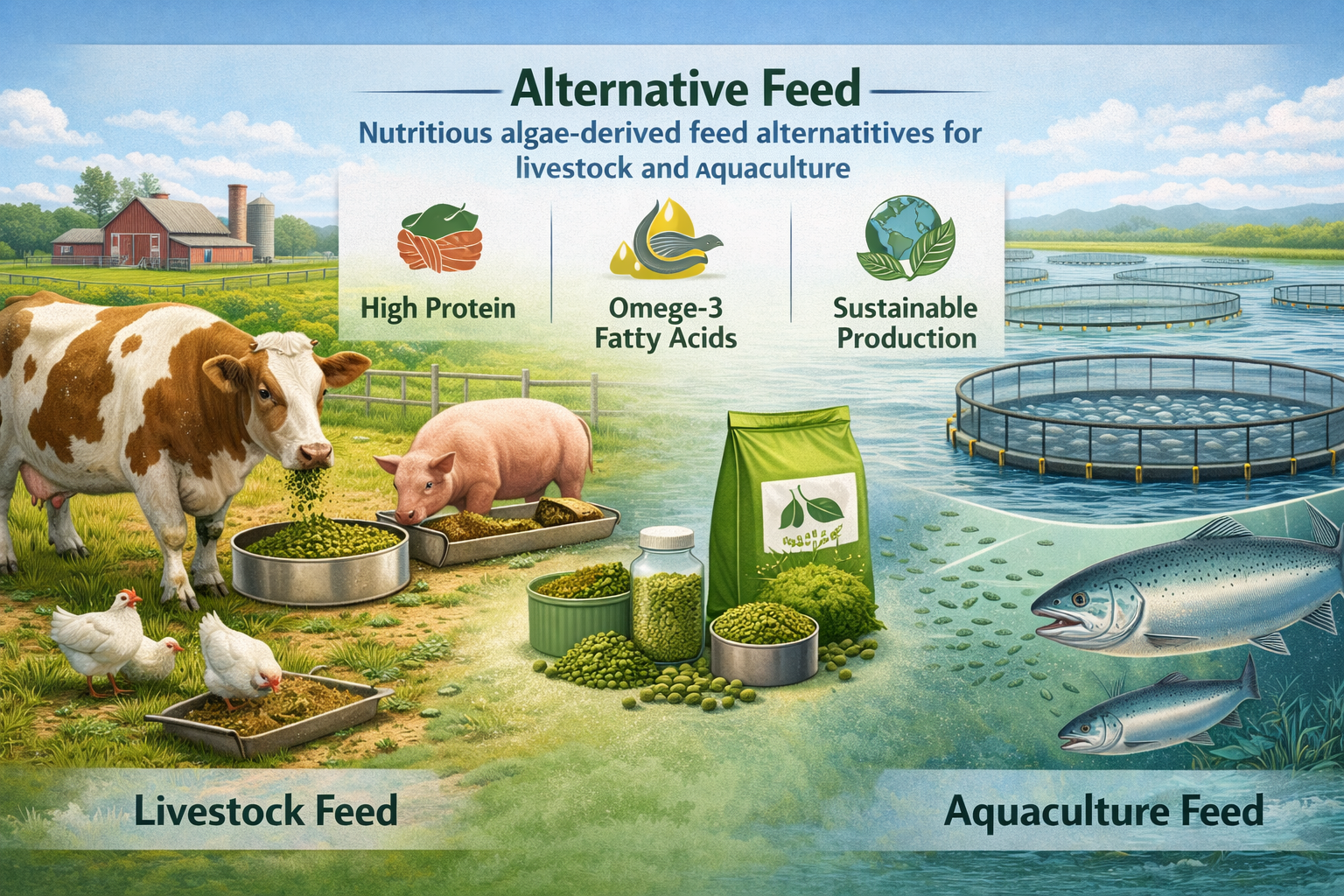
A profitable industrial algae feed facility is usually built at commercial scale, not as a small pilot plant. For bulk feed biomass, the best-known benchmark from NREL is an open-pond system with 5,000 acres of cultivation ponds and about 7,615 acres of total facility footprint, including support areas. For aquaculture-oriented facilities, profitability improves sharply when scale increases: a WUR techno-economic model found that a centralized algae plant serving multiple aquaculture users could cut biomass cost by 60–80% at around 250 m² and could become far more competitive at 1,500 m² or larger.
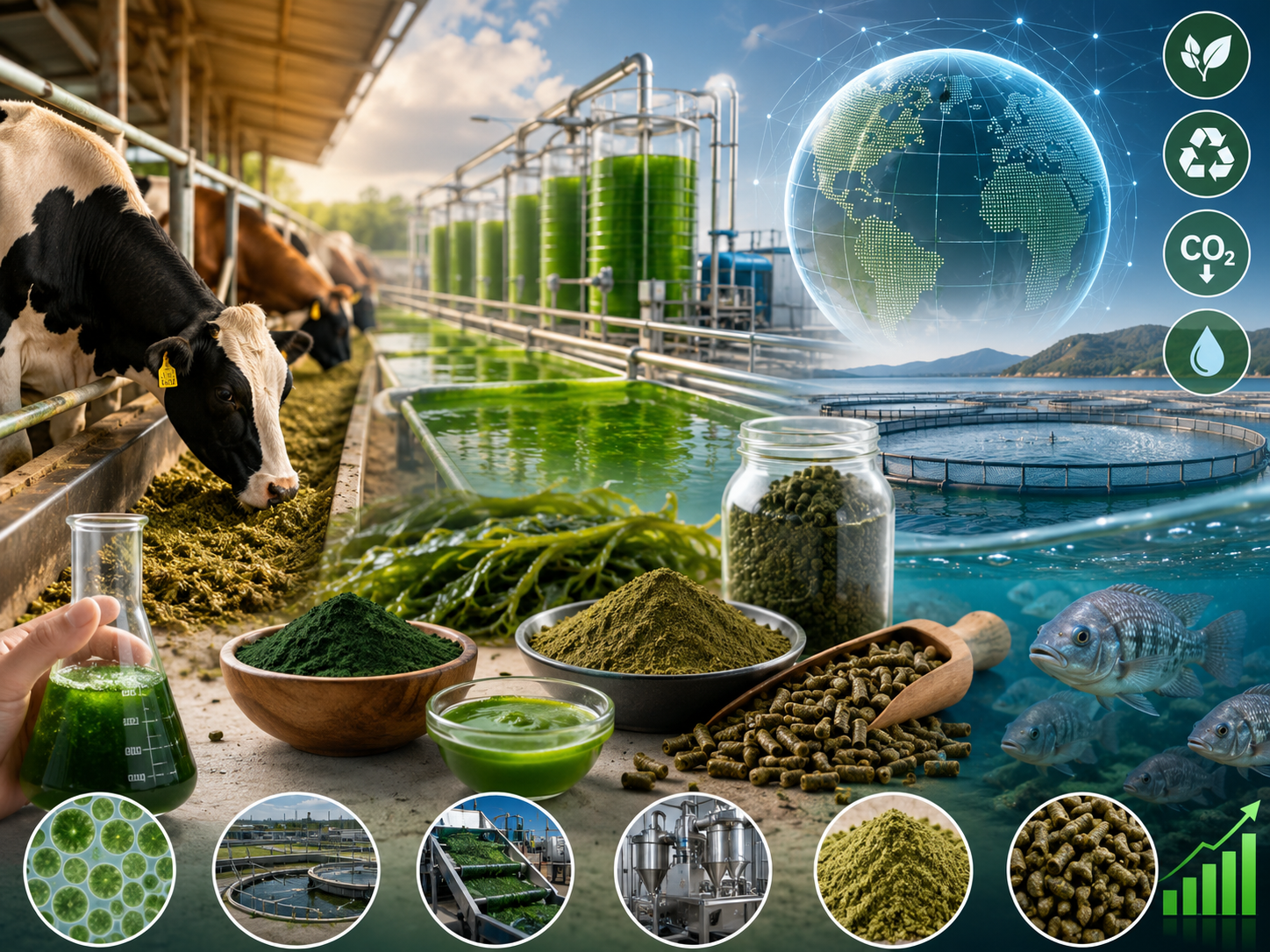
Land needs depend on whether the facility is producing bulk feed biomass or high-value feed inoculum. Open raceway ponds are still the most practical commercial option because they are cheaper and easier to scale than closed systems, while photobioreactors can fit on much smaller footprints but are usually better for niche, premium, or seed-stock production. For feed markets, the global trend is toward modular, scalable systems that can supply multiple buyers rather than one small customer, because aquaculture and livestock feed users need steady volume.
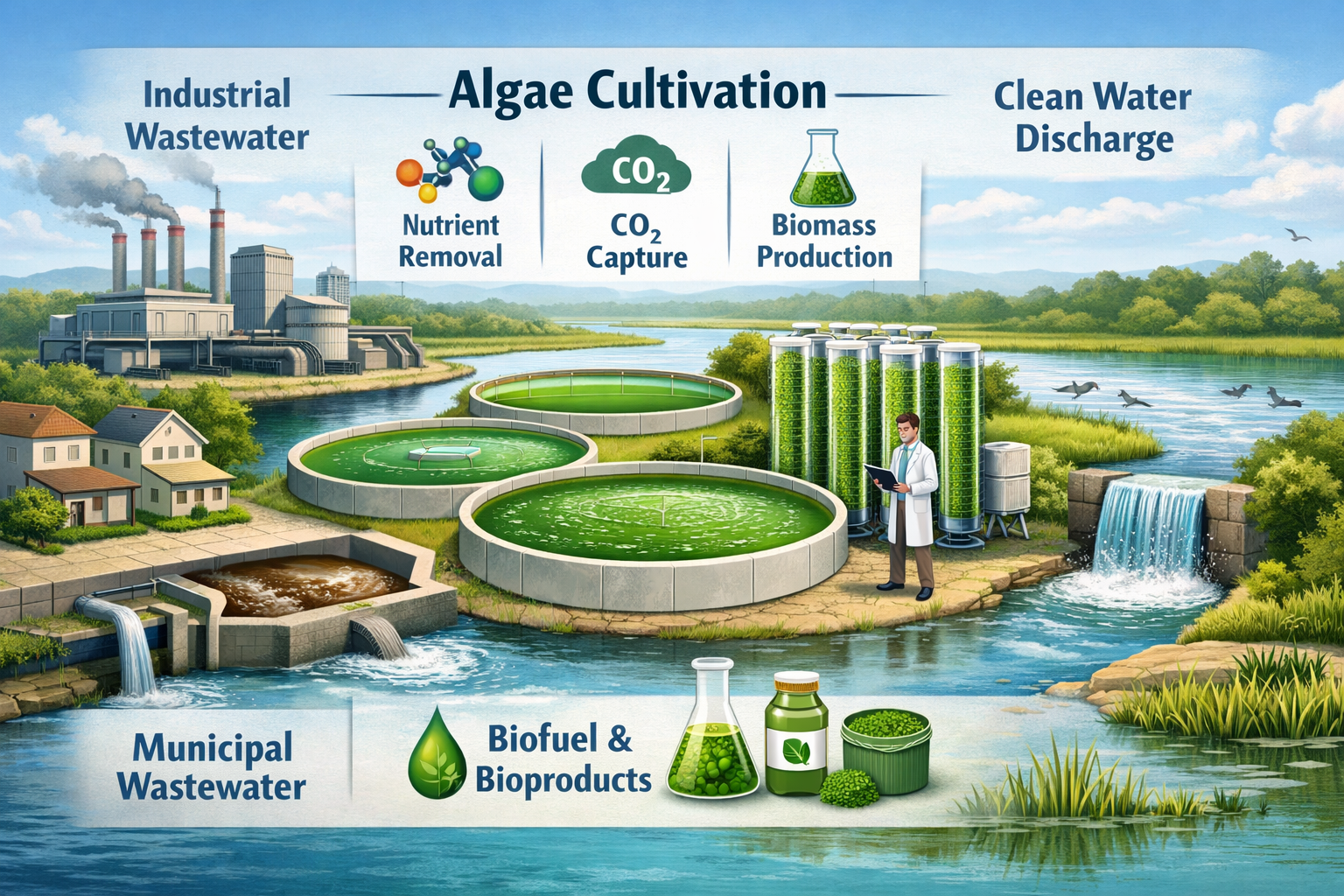
Water demand is substantial, but profitable facilities try to avoid freshwater dependence. In the NREL commercial model, the cultivation system is based on saline operation, so formal freshwater consumption is zero; the reported makeup-water demand is instead saline, at about 7,667 to 117,634 gallons per ton AFDW depending on site conditions. That makes coastal, brackish, or wastewater-linked locations much more attractive globally than inland freshwater-only sites. In practice, a feed plant becomes more bankable when it has a secure low-cost water source plus evaporation management and recycle loops.
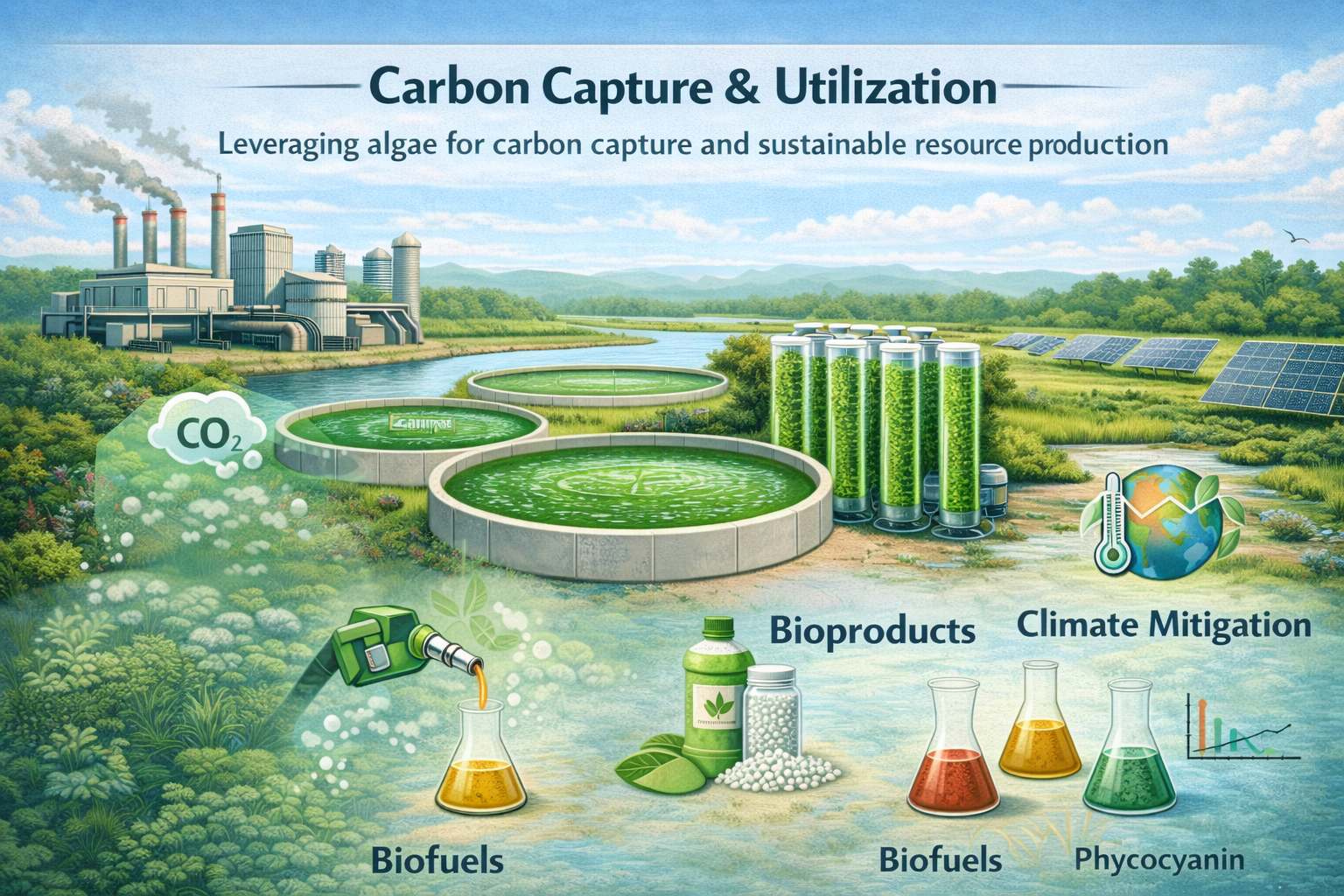
The machinery requirement is not just ponds or tanks. NREL’s commercial concept includes inoculum propagation, 10–12 acre open raceway ponds, paddlewheels, and a downstream train of gravity settlers, hollow-fiber membranes, and centrifuges to raise harvested biomass to about 20 wt% solids. For feed-grade output, companies also need CO₂ delivery, nutrient dosing, pumping, circulation systems, and often storage tanks for slurry, concentrates, or dried product. Those downstream units are critical because algae harvesting and dewatering are among the most cost-sensitive parts of the entire process.
The core infrastructure for a profitable plant is therefore a modular industrial bioprocess site: lined or low-cost ponds, nutrient and CO₂ pipelines, water makeup lines, harvesting pads, dewatering equipment, quality-control labs, drying or stabilization equipment, and logistics space for packaging and dispatch. For aquaculture feed, modularity matters because many customers need mixed-species biomass and regular deliveries; for cattle feed, scale and consistent compositional quality matter more. The strongest commercial path globally is usually a warm-climate site with low-cost land, saline or wastewater input, robust dewatering, and enough scale to supply several feed buyers year-round.