Low-cost algae feed production is usually built on cheap carbon, water, nitrogen, and phosphorus inputs rather than food-grade fertilizers. The global consensus in the literature is that algae economics improve when cultivation uses waste streams instead of synthetic nutrients, because those streams supply the same basic growth requirements at much lower cost and can also reduce treatment burdens for the original waste producer.
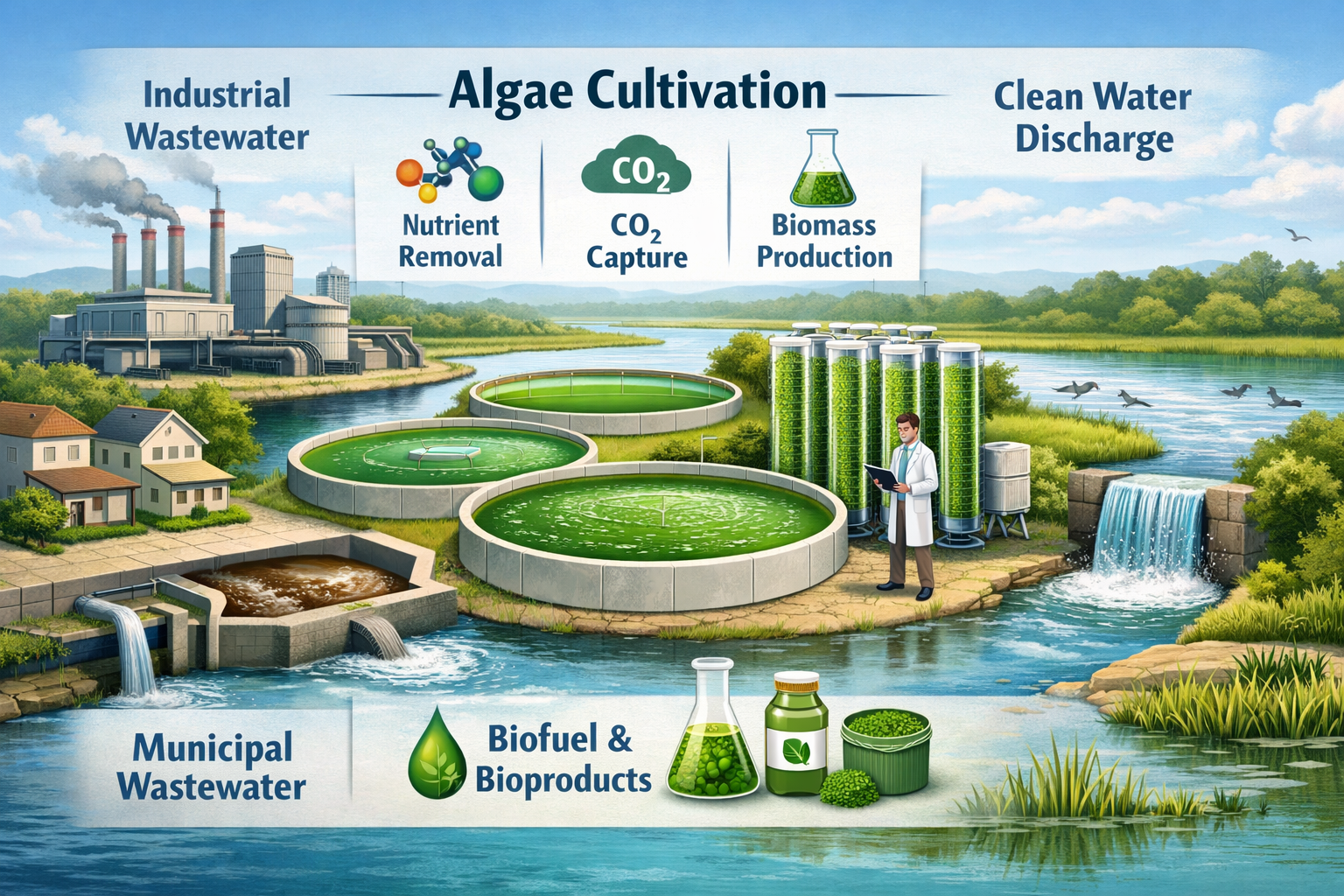
The most useful nutrient source is wastewater, especially municipal, food-processing, and agro-industrial wastewater, because these streams often contain high levels of nitrogen, phosphorus, potassium, and organic matter that microalgae can assimilate directly. Reviews note that wastewater can serve as a culture medium while also removing pollutants, which makes it a strong global option for algae feed biomass production in regions with dense cities and food-processing clusters.
Another highly effective feedstock is anaerobic digestate from biogas plants, manure treatment, and organic-waste digestion. Digestate is repeatedly identified as a nutrient-rich algae medium; one review reports that digestate can contain up to 12 g/L of total nitrogen and up to 5.8 g/L of total phosphorus, making it especially valuable for low-cost growth. In practice, digestate usually needs dilution or pre-treatment, but it is one of the strongest circular-economy inputs for commercial algae biomass.
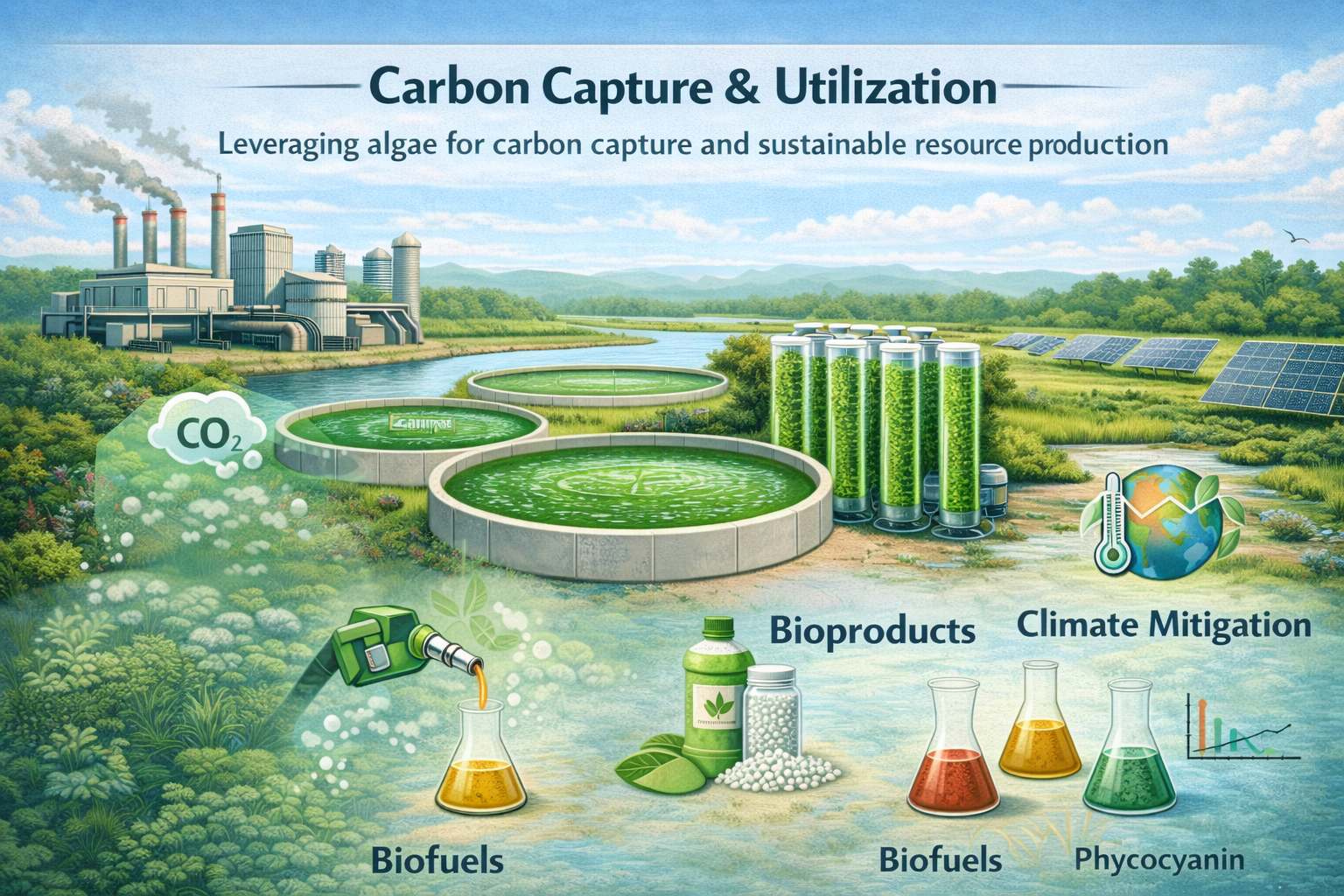
For carbon supply, industrial flue gas or other combustion off-gas streams are important because algae need a constant CO₂ source. One review estimates that about 1.3–2.4 kg of CO₂ is required per kilogram of dry microalgae, and notes that bubbling flue gas can reduce supplementation cost while also lowering emissions. That makes power plants, cement plants, boilers, and fermentation facilities attractive partners for low-cost algae cultivation worldwide.
The most practical low-cost production models also use food waste hydrolysates, brewery wastewater, and other organic side streams, often combined with brackish water or seawater in coastal regions to avoid expensive freshwater use. The best commercial setups usually select cleaner waste streams and then apply harvesting and quality control so the final biomass is safe for feed use. In other words, the lowest-cost inputs are not a single raw material, but a bundle of waste-derived nutrients plus low-cost water and CO₂.