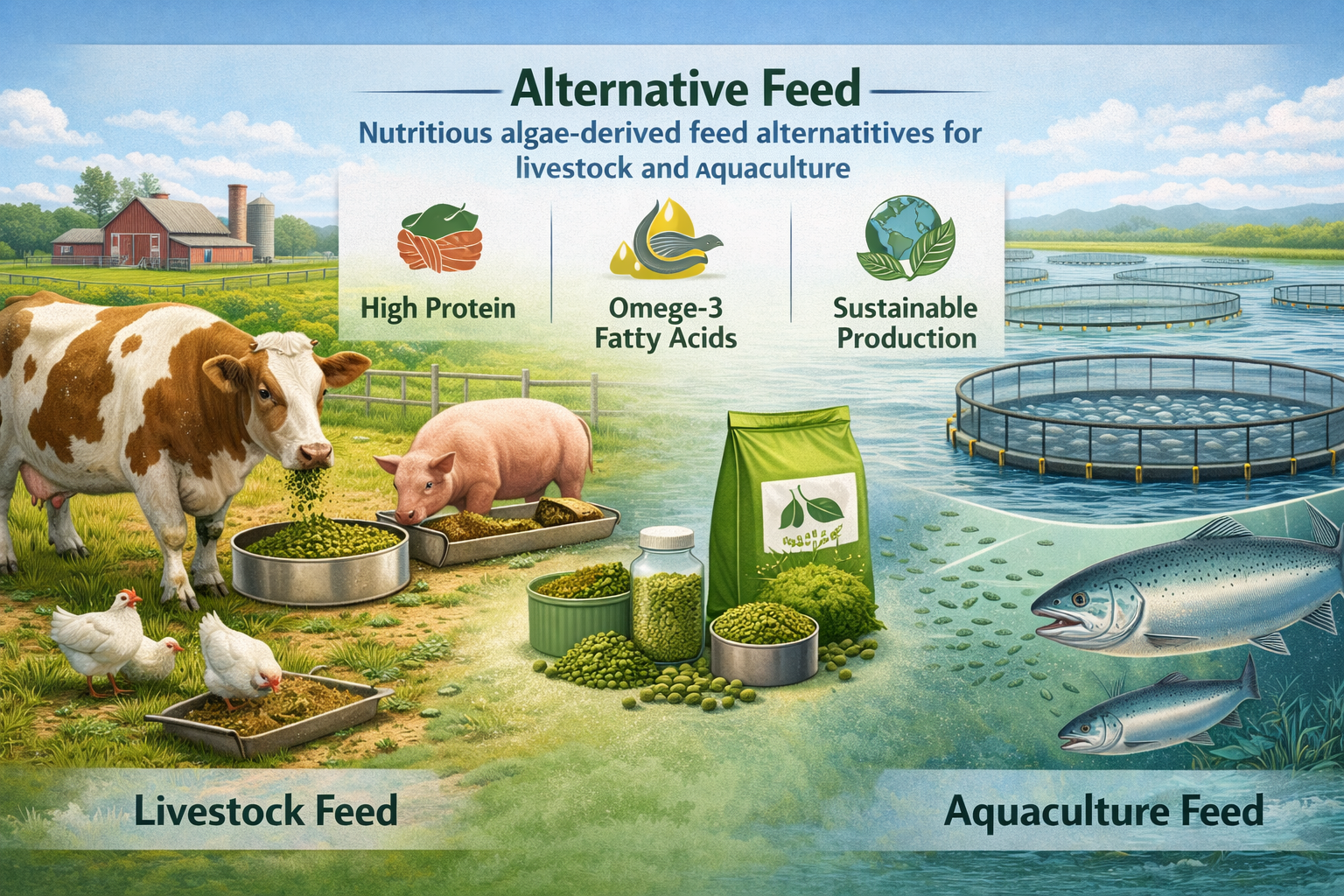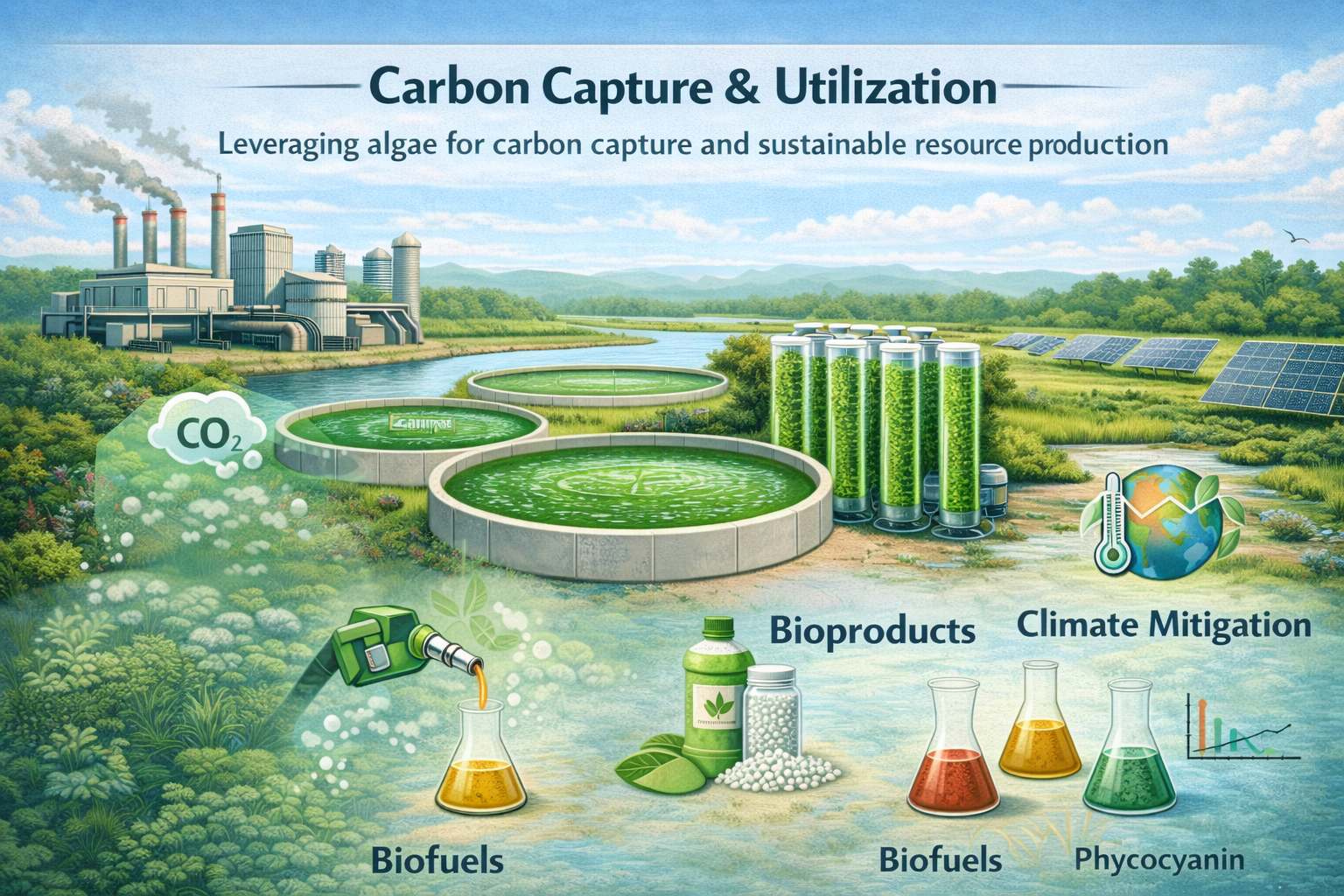
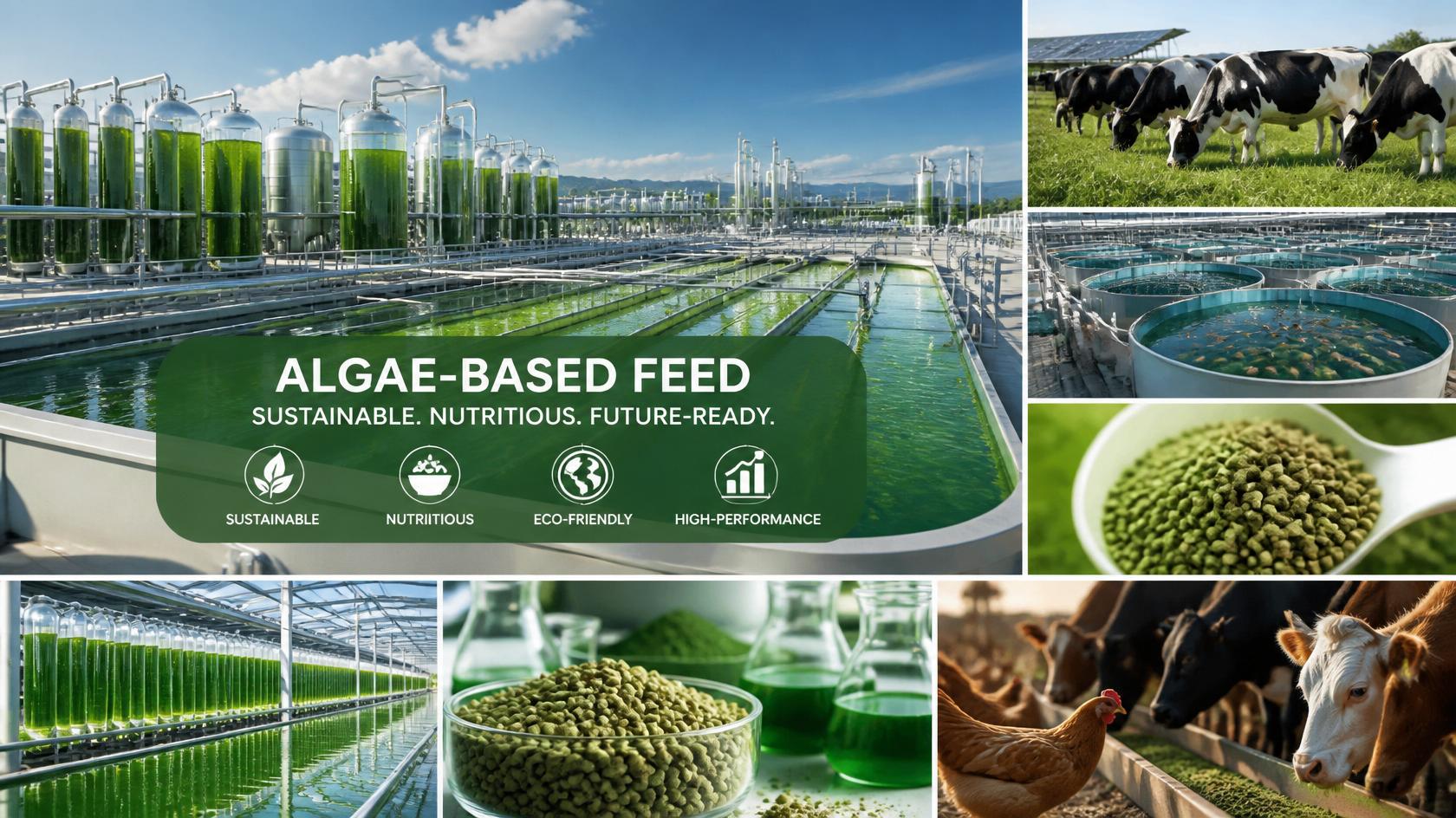
Algae-based feed has emerged as one of the most promising solutions for reducing methane emissions from cattle farming. Methane from enteric fermentation in cattle is a major contributor to global greenhouse gas emissions, and livestock accounts for a significant share of agricultural methane worldwide. Researchers have found that certain red seaweeds, especially Asparagopsis taxiformis, contain bioactive compounds that inhibit methane-producing microbes in the cow’s rumen. Studies now show that algae supplements can dramatically reduce methane emissions without negatively affecting meat or milk production.
One of the strongest findings comes from trials using small amounts of red seaweed in cattle feed. Research published in PLOS ONE reported that supplementing beef cattle diets with Asparagopsis taxiformis reduced methane emissions by more than 80% in beef steers. Other studies and feedlot trials in Australia demonstrated methane reductions ranging from 50% to 98%, depending on dosage and feeding systems. Remarkably, some trials achieved these reductions using less than 1% seaweed inclusion in feed, making the technology highly efficient from a feed-input perspective.
The methane reduction works because algae-derived compounds such as bromoform interfere with enzymes used by methane-producing archaea in the rumen. Instead of generating methane during digestion, the fermentation process shifts toward more energy-efficient pathways. Some studies even suggest that cattle fed algae supplements can improve feed conversion efficiency and gain additional body weight without compromising meat quality. Researchers at the University of California, Davis found that seaweed-fed cattle maintained normal productivity while achieving major methane reductions, demonstrating that environmental benefits do not necessarily reduce farm performance.
Globally, countries with large livestock industries such as Australia, the United States, New Zealand, and parts of Europe are investing heavily in algae-based methane mitigation technologies. Commercial companies and research institutions are scaling up seaweed cultivation to meet future livestock demand. Industry interest is rising because methane has a much stronger short-term warming impact than carbon dioxide, and reducing livestock methane is considered critical for meeting climate targets. Some governments are also supporting pilot projects and carbon-credit systems linked to methane-reducing cattle feed additives.
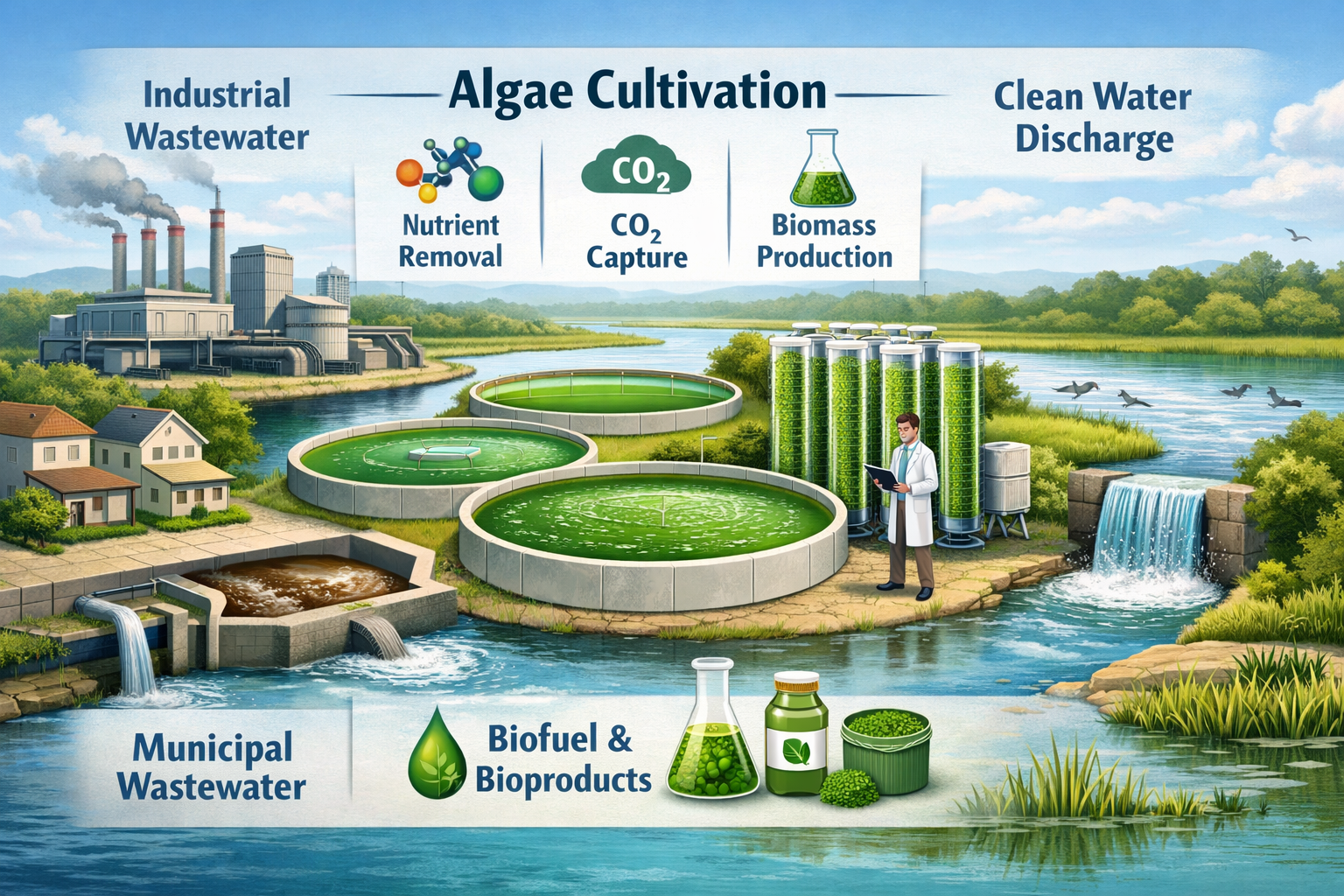
However, large-scale adoption still faces challenges. Producing enough seaweed sustainably and cost-effectively remains a major issue, especially because billions of cattle are raised globally. Researchers are also studying potential environmental and safety concerns related to long-term bromoform exposure and large-scale algae cultivation. In grazing systems, delivering algae supplements consistently is more difficult than in feedlots where cattle diets are controlled. Despite these limitations, most scientific evidence strongly supports the conclusion that algae-based feed can significantly reduce methane emissions in cattle farming and could become an important climate solution for the global livestock industry.