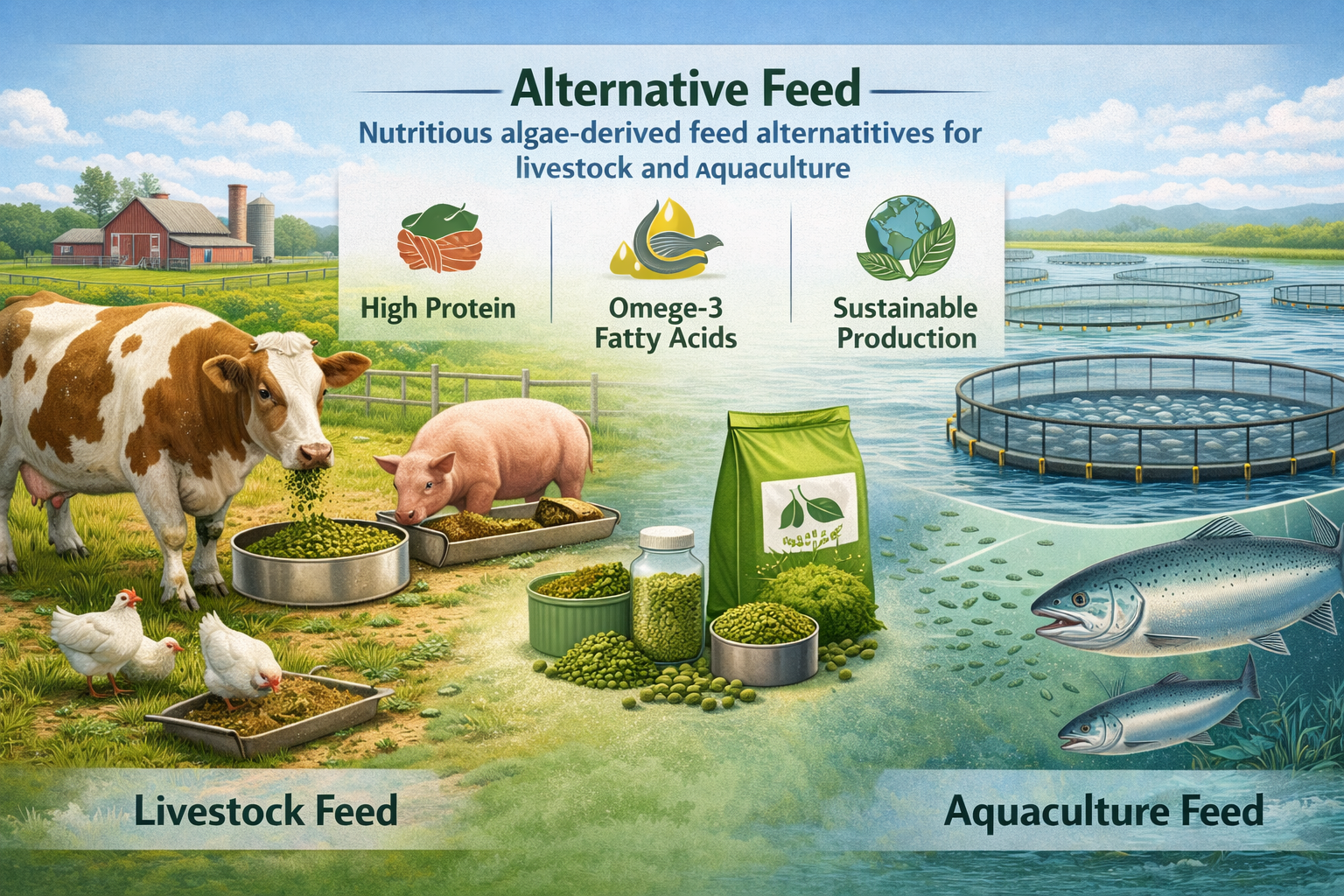
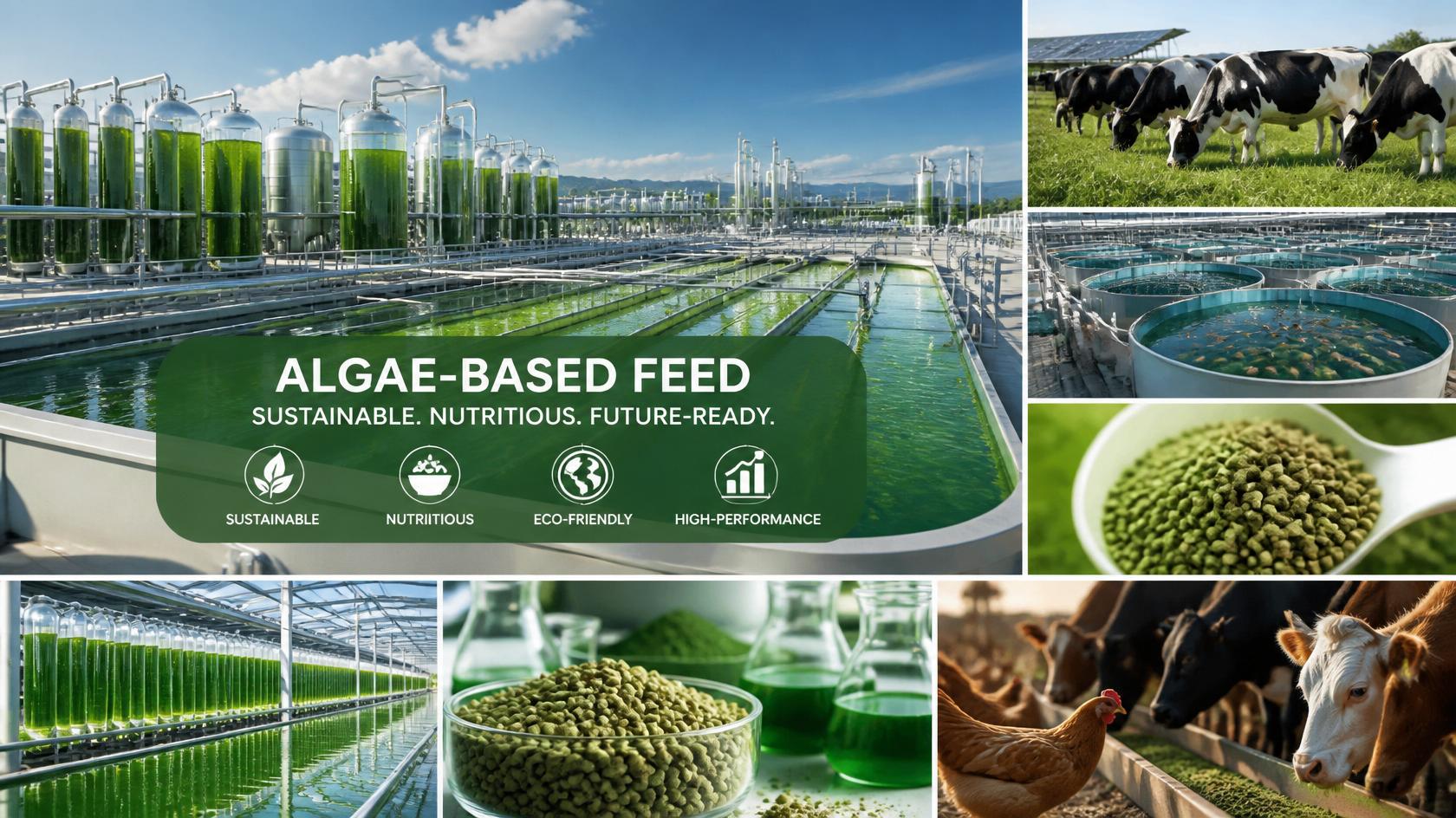
Algae-based feed products are increasingly capable of competing with conventional feed ingredients such as soymeal and fishmeal, especially in aquaculture, poultry, and specialty livestock nutrition. Their strongest advantage lies in sustainability and nutritional quality. Algae contain high protein levels, omega-3 fatty acids, amino acids, vitamins, and antioxidants, making them attractive as functional feed ingredients. Studies show that species such as Spirulina and Chlorella can contain 50–70% protein on a dry-weight basis, which is comparable to or even higher than many traditional feed sources.
In terms of performance, algae-based feeds have shown promising results globally. Research demonstrates that algae supplementation can improve fish growth, immunity, feed conversion efficiency, egg quality, and animal health in aquaculture and poultry systems. Aquaculture is currently the largest commercial application because algae can partially replace fishmeal and fish oil while maintaining nutritional quality. Some studies also indicate improved omega-3 enrichment in fish and livestock products, creating added market value for producers. The global aquaculture sector is particularly interested in algae because traditional marine feed resources are becoming more expensive and environmentally constrained.
However, cost competitiveness remains the biggest challenge for large-scale commercialization. Conventional feed ingredients such as soybean meal are still cheaper because of mature supply chains, massive production volumes, and lower processing costs. Algae cultivation often requires energy-intensive photobioreactors, controlled growth systems, drying technologies, and advanced quality management, which increase production costs. Market analyses consistently identify high operational costs as the primary barrier preventing algae feed from fully replacing conventional ingredients. As a result, algae are currently more competitive as premium additives or partial replacements rather than complete substitutes in most livestock markets.
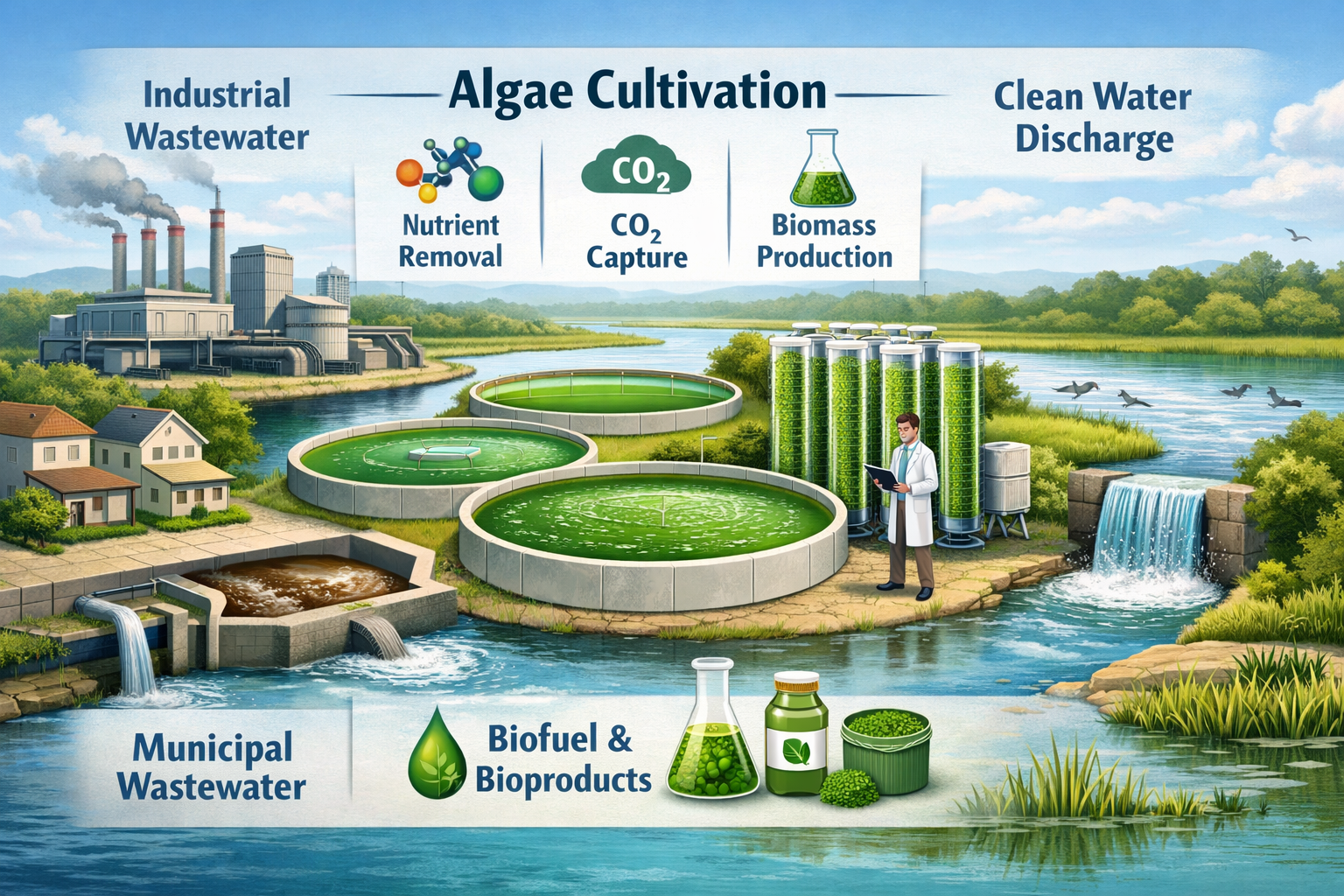
Scalability is improving rapidly due to technological advances and rising investment. The global algae-based animal feed market was valued at approximately USD 4.5 billion in 2024 and is projected to reach around USD 6.6–6.9 billion by 2034, reflecting strong long-term growth. Asia-Pacific, particularly China and India, is emerging as a major production hub because of large aquaculture industries, favorable climates, and government support for sustainable feed innovation. Companies are increasingly investing in large-scale fermentation systems, wastewater-based algae cultivation, automated harvesting, and integrated biorefineries to reduce production costs and improve scalability.
Overall, algae-based feed products can commercially compete with conventional feed ingredients in specific high-value sectors, especially where sustainability, nutrition, and environmental performance matter most. They are already commercially viable in aquaculture, functional poultry feed, pet nutrition, and omega-3 enrichment markets. However, achieving full cost parity with bulk feed commodities like soymeal or corn will require further reductions in cultivation and processing costs. The future competitiveness of algae feed will depend on scaling production, improving cultivation efficiency, and monetizing sustainability benefits such as lower land use, reduced greenhouse gas emissions, and decreased dependence on overfished marine resources.